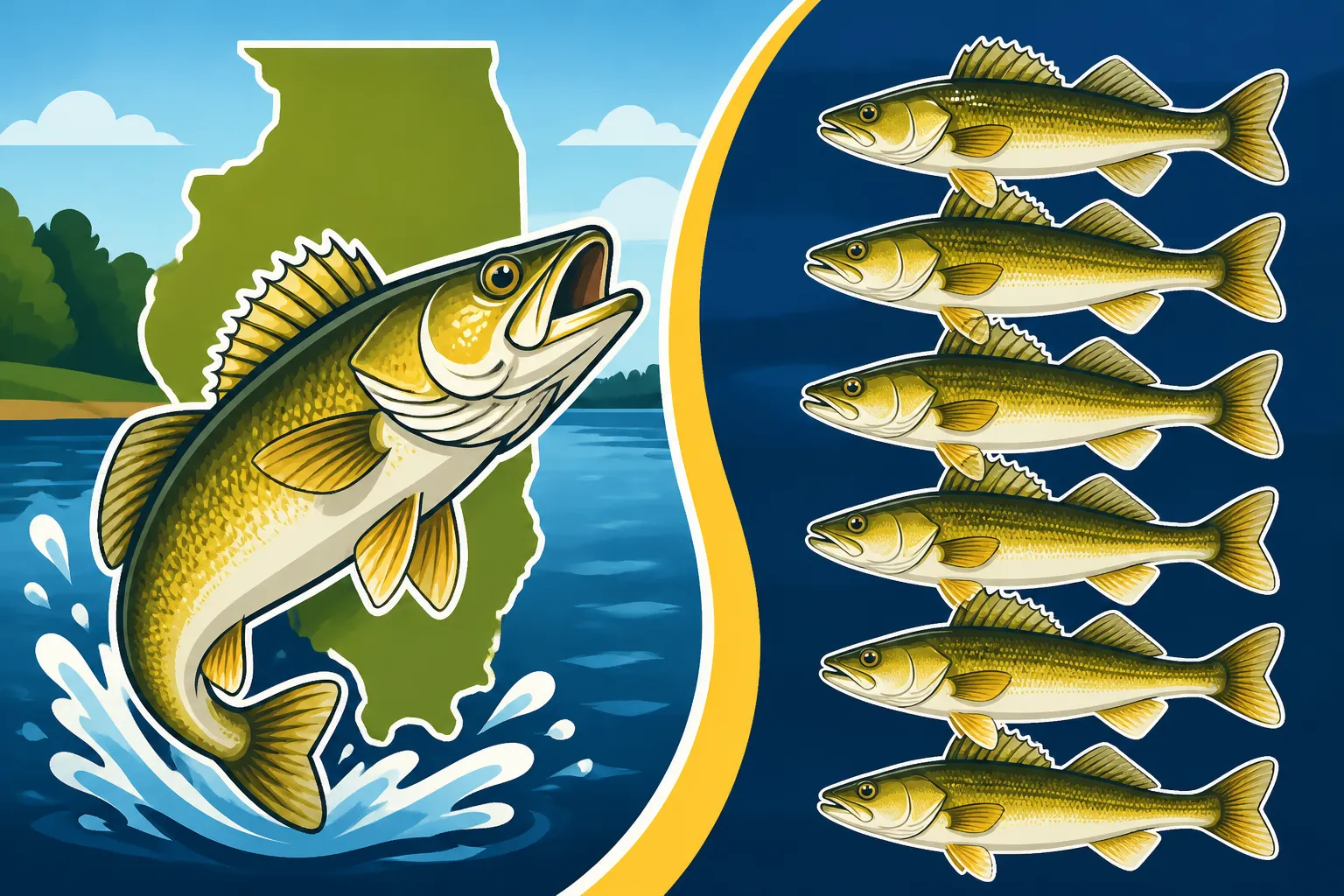
Illinois Walleye Six-Fish Daily Limit on Select Waters
Navigating the ever-changing landscape of fishing regulations in Illinois can feel like trying to untangle a particularly stubborn fishing line – frustrating, confusing, and sometimes, you just want to give up. Many anglers mistakenly believe that fishing limits are uniform across the entire state, only to find themselves scratching their heads when they visit a new lake or river. The truth is, walleye limits, like those for many other species, can vary significantly depending on where you cast your line. This guide is here to clear up that confusion, specifically diving into the six-fish daily limit for walleye on select Illinois waters, helping you understand where this rule applies and why it’s so important to stay informed.
Understanding Walleye Regulations in Illinois
It's a common misconception that Illinois has one overarching set of rules that apply to every single body of water within its borders. While the Illinois Department of Natural Resources (IDNR) does set statewide general guidelines, the real complexity, and frankly, the real headache for anglers, comes from the site-specific regulations. These are the rules that often catch people off guard, especially when they're excited to hit a new spot or haven't checked the latest updates.
The State's Approach to Fisheries Management
The IDNR manages Illinois' diverse fisheries with a "one size does not fit all" philosophy, and for good reason. Each lake, river, and reservoir is a unique ecosystem with its own population dynamics, forage base, and fishing pressure. What works to sustain a healthy walleye population in a large, deep reservoir like Lake Shelbyville might not be appropriate for a smaller, shallower lake or a section of the Mississippi River. This careful, nuanced approach ensures that specific management strategies can be put in place to protect and enhance fish populations, ensuring that anglers today and tomorrow have something to catch. It’s all about balance, trying to provide ample opportunities for harvest while also safeguarding the future of the species.
General Statewide Versus Site-Specific Rules
Generally, the IDNR provides a statewide framework for walleye. For instance, there's a common statewide length limit for walleye, often 14 inches. However, this is where the "select waters" come into play. Certain lakes or river stretches might have a more restrictive minimum length, a slot limit (where you can keep fish above and below certain sizes, but not within a specific middle range), or a different daily creel limit than the general state recommendation. This is precisely why just knowing the statewide rules isn't enough. You absolutely need to consult the most current Illinois Fishing Information Guide or check the specific lake signage before you even think about putting your boat in the water or wetting a line from the bank. Ignoring these site-specific rules can lead to citations, fines, and even confiscation of your catch – nobody wants that kind of day on the water! To understand the broader picture, you might want to look at the Illinois Walleye Size and Catch Limits, which details some of these nuances.
Specific Waters with a Six-Fish Walleye Limit
So, where exactly can you expect to encounter this six-fish daily limit for walleye? It's not an exhaustive list, but focusing on some prominent examples can help illustrate the point and give you a better idea of what to look for when planning your next fishing adventure. These particular waters have demonstrated a need for more tailored management, either to protect a recovering population, enhance growth rates, or distribute the harvest more equitably among anglers.
Examples of Lakes and Rivers
Several popular fishing destinations across Illinois implement a six-fish daily limit for walleye, sometimes with additional length restrictions. These limits are usually determined through extensive biological surveys, angler input, and a deep understanding of the fishery's current health. For example:
- Lake Shelbyville: This massive central Illinois reservoir is a prime example. Lake Shelbyville is renowned for its walleye fishery, and the six-fish daily limit, often paired with a 14-inch minimum length, helps manage its productive population. Anglers here regularly target walleye, and these limits are crucial for maintaining sustainable fishing pressure. If you're heading here, make sure to check the latest rules, as they can be updated.
- Carlyle Lake: As Illinois' largest man-made lake, Carlyle also sees significant walleye fishing activity. Similar to Shelbyville, a six-fish daily limit is often in place to ensure responsible harvesting. Conditions and regulations on this lake can be influenced by water levels and spawning success, so staying current is key. For more in-depth knowledge on specific fishing spots, consider exploring the Carlyle Lake Fishing Guide.
- Rend Lake: While perhaps more famous for crappie, Rend Lake also holds a respectable walleye population, particularly in certain areas. It's another waterbody where you'll typically find the six-fish daily limit in effect. These limits help protect the natural reproduction and stocking efforts on the lake. If you're looking for different species here, don't miss out on Rend Lake's Best Spots for Trophy Bluegill Over a Pound.
It’s important to remember that these are just examples. The exact limits can change year to year based on surveys, environmental factors, and IDNR decisions. You can often find durable, waterproof copies of the Illinois Fishing Information Guide on Amazon, which can be a lifesaver when you're out on the water without reliable cell service.
Additional Length or Slot Limits
Beyond just the daily creel limit, many of these "select waters" also impose specific length regulations for walleye. This might mean a minimum length (e.g., no walleye under 14 inches can be kept), or even a slot limit. A slot limit, for instance, might dictate that you can keep six fish, but only one of them can be over, say, 20 inches, or that no fish between 15 and 18 inches can be kept. These variations are designed to protect spawning-size fish, promote trophy potential, or thin out overpopulated smaller fish. This nuanced approach highlights the importance of not just counting your fish but also measuring them accurately. A simple, floating measuring board found on Amazon can be an essential tool in your tackle box.
| Lake/River | Daily Walleye Limit | Minimum Length | Other Restrictions |
|---|---|---|---|
| Lake Shelbyville | 6 fish | 14 inches | Subject to annual review |
| Carlyle Lake | 6 fish | 14 inches | Often includes specific protected slot limits |
| Rend Lake | 6 fish | 14 inches | Check for seasonal updates |
| Mississippi River | Varies by pool | Varies by pool | Often combined with sauger limits |
| Kaskaskia River | 6 fish | 14 inches | Upstream of Carlyle Lake |
Note: Always verify current regulations with the official Illinois Fishing Information Guide before fishing, as rules are subject to change.
Navigating Site-Specific Regulations
The biggest challenge for most anglers isn't necessarily understanding the rules, but rather knowing where to find the most accurate and up-to-date information for the specific waterbody they plan to fish. It's a critical step that seasoned pros never skip, and neither should you. Trusting outdated information or hearsay from a fellow angler can lead to unnecessary trouble.
The Official Illinois Fishing Information Guide
Your absolute best friend in this regulatory maze is the official Illinois Fishing Information Guide. This comprehensive publication is updated annually by the IDNR and contains all statewide and site-specific regulations. You can typically pick up a physical copy at bait shops, sporting goods stores, or IDNR offices across the state. However, the most convenient way to ensure you always have the latest version is to download the PDF directly from the IDNR website. Keep it saved on your phone or tablet – it’s literally a rulebook in your pocket. The guide also covers crucial details like Illinois Fishing License Guide for 2026 and Illinois Fishing Season and Catch Limit Rules.
Checking Local Signage and Online Resources
Beyond the main guide, don't overlook local resources. Many public boat ramps and access points will have signage posted with the site-specific regulations. These signs are there for a reason, and they often highlight the most critical rules for that particular body of water. Additionally, the IDNR website often has specific pages dedicated to popular lakes and rivers, offering another layer of detail. Forum communities and local fishing clubs can also be good places to cross-reference information, but always, always double-check with official IDNR sources. Think of it like this: if you're planning a trip to Lake Shelbyville Fishing Guide, you'll want to check both the general guide and any specific Shelbyville updates. For those looking for quick answers on the go, knowing How to Find the Rules for a Specific Illinois Fishing Spot is invaluable.
Why Limits Vary and What It Means for Anglers
It might seem tedious to have so many different rules, but there's a good reason behind the variability. These localized regulations are a cornerstone of effective fisheries management, reflecting a deep understanding of ecological principles and the unique pressures each fishery faces.
Conservation and Population Management
The primary reason for varying limits is conservation. Fish populations are not static; they fluctuate due to environmental conditions, spawning success, stocking programs, and fishing pressure. If a lake has a particularly strong walleye spawn one year, the IDNR might adjust limits to allow for a slightly higher harvest, or conversely, if a population is struggling, they might impose stricter limits or even catch-and-release only periods to help it recover. For instance, understanding Why Fishing Rules Vary by Lake and River is crucial for any responsible angler. It’s also why learning about Illinois Walleye Stocked Lakes Where IDNR Puts Fish Each Year can give you an edge in finding productive waters, but always check the rules first.
Angler Impact and Resource Sustainability
Anglers themselves play a huge role in the need for varied limits. A popular lake near a major metropolitan area like Chicago will naturally experience far more fishing pressure than a remote, less accessible body of water. Without specific limits, these popular spots could quickly become overfished, diminishing the quality of fishing for everyone. By implementing a six-fish limit on select high-pressure lakes, the IDNR aims to spread the harvest, reduce strain on the fishery, and ensure that the resource remains sustainable for future generations. This helps to prevent depletion and maintains a healthy balance, guaranteeing that when you head out, there’s still a good chance of a successful outing. Many anglers, for example, buy their Illinois Nonresident Fishing License Guide to fish these popular lakes, unknowingly adding to the pressure, making these regulations even more vital.
The Role of Stocking Programs
Many of Illinois' walleye fisheries are sustained not just by natural reproduction but also by active stocking programs. The IDNR rears and releases walleye into various lakes and rivers to supplement natural populations, create new fisheries, or offset environmental challenges. These stocking efforts are expensive and labor-intensive, so the daily limits are often set to maximize the return on that investment, allowing stocked fish time to grow to a desirable size and contribute to the fishery before being harvested. This balance of stocking and careful regulation ensures that anglers have continued opportunities to catch these prized fish. To fully participate, make sure you understand the Illinois Fishing License Costs and Types.
What Anglers Can Do to Stay Compliant
Staying compliant with fishing regulations doesn't have to be a chore. With a few proactive steps, you can ensure your fishing trips are enjoyable and worry-free. It’s all about preparation and responsible angling.
Always Check Before You Go
This cannot be stressed enough: always check the current regulations for the specific body of water you intend to fish before you leave home. Even if you've fished a lake countless times, regulations can change. What was a legal catch last year might be over the limit this year. The IDNR makes the information readily available precisely so you can avoid costly mistakes. A quick search on your phone or a glance at your downloaded guide can save you a lot of grief. Remember, ignorance of the law is not an excuse, especially when it comes to Penalties for Fishing Without a License in Illinois or exceeding catch limits.
Carry the Necessary Tools
To adhere to length and creel limits, you'll need the right tools. A reliable tape measure or a designated fish measuring board is essential. Many anglers prefer measuring boards because they provide a stable surface and clear markings, making it easier to get an accurate measurement quickly. For counting your catch, a simple clicker or even just a mental tally is crucial. Don't rely on guesswork, especially if you're nearing your limit. Having these items easily accessible means you can make quick decisions on whether to keep or release a fish, helping you stay within legal bounds. You can find a wide array of affordable and durable measuring tools on Amazon, perfect for any fishing setup.
Practice Catch and Release When Appropriate
While the six-fish daily limit allows for harvest, responsible anglers often practice selective harvest or catch and release, especially for larger, spawning-size fish. Releasing healthy, larger walleye helps ensure future generations of fish. If you're going to release a fish, handle it carefully to minimize stress. Wet your hands before touching the fish, use barbless hooks, and consider using a landing net designed to be gentle on fish. Every fish successfully released contributes to the long-term health of the fishery. Many anglers also find that knowing When to Chase Salmon vs Trout on Illinois's Lake Michigan Shore helps them plan their trips to specific fisheries and adhere to those varying rules.
Disclaimer
Please note: The information provided in this guide is for informational purposes only and is based on general knowledge of Illinois fishing regulations. Fishing regulations are subject to change at any time by the Illinois Department of Natural Resources (IDNR). It is the angler's sole responsibility to consult the most current official Illinois Fishing Information Guide or the IDNR website before engaging in any fishing activity to ensure compliance with all applicable laws and regulations.