Best Kayak Models for Illinois Fishing
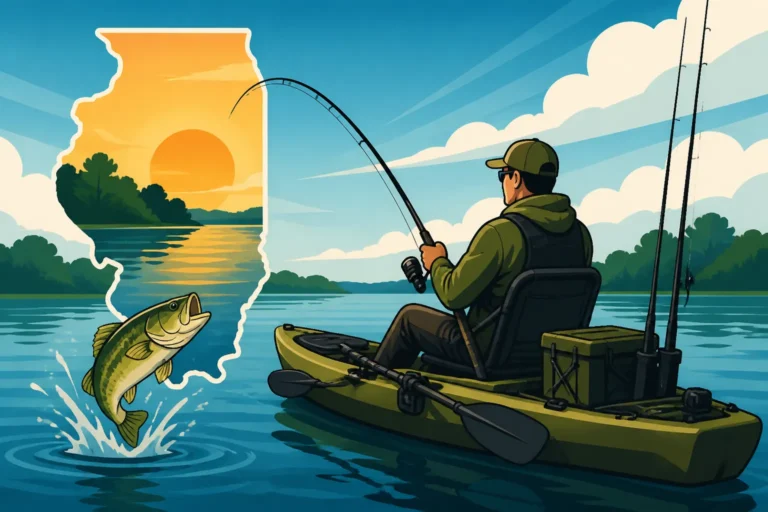
Let's face it, trying to squeeze into crowded boat ramps or battling for a spot on a popular pier can really take the joy out of a peaceful day of fishing. Many anglers in Illinois dream of reaching those untouched pockets of water, the quiet coves, or the shallow backwaters that bigger boats just can't access. This comprehensive guide is here to help you navigate the world of fishing kayaks, ensuring you find the perfect model to unlock countless new fishing adventures across Illinois' diverse lakes and rivers.
Why Kayak Fishing is a Game Changer for Illinois Anglers
If you've ever found yourself wishing you could reach that lily pad field just out of casting distance, or quietly slip into a secluded creek arm without spooking every fish for a quarter-mile, then kayak fishing might just be your calling. It's more than just a boat; it's a different way to experience the water, offering a unique blend of adventure, tranquility, and incredibly effective fishing opportunities. It addresses many of the frustrations that come with traditional boat fishing, from launch congestion to expensive fuel.
Kayak fishing truly puts you in tune with the environment. You feel every ripple, hear every bird call, and can often get within feet of wildlife without disturbing it. This intimate connection isn't just for nature lovers; it directly translates to better fishing. When you're less intrusive, fish are less wary, making them more likely to strike. Plus, the physical activity adds another layer of satisfaction to your outing – you’re not just catching fish, you’re earning them.
The Unbeatable Access to Illinois Waters
One of the biggest advantages of fishing from a kayak in Illinois is the unparalleled access it provides. Think about all those small lakes, narrow rivers, and shallow backwaters that are off-limits to larger powerboats. These are often the places where fish feel the least pressure and can grow to impressive sizes. A kayak can be launched from almost anywhere – a sandy bank, a small patch of grass, or even a designated canoe launch point. You don't need a massive boat ramp or a deep channel to get started.
Imagine paddling into a quiet slough off the Mississippi River, where crappie are stacked under submerged timber, or maneuvering through the reeds of a small reservoir to reach a hidden bass bed. Kayaks excel in these situations. They can navigate depths of only a few inches, allowing you to explore areas that are simply inaccessible to even small jon boats. This means you can find untouched fishing grounds, escape the crowds, and experience a level of solitude that's increasingly rare on popular Illinois lakes. This access isn't just about reaching remote spots; it's also about convenience in your local waters. Often, you can be on the water and fishing within minutes of arriving at your destination, cutting down on setup time and maximizing your actual fishing time.
Stealth and Simplicity on the Water
Another major benefit of kayak fishing is the inherent stealth it offers. Unlike gas-powered boats that churn up water and create a lot of noise, kayaks glide silently across the surface. This quiet approach is a huge advantage when targeting wary fish species like largemouth bass, walleye, or even skittish panfish. You can approach structure, shorelines, and cover without alerting the fish to your presence, leading to more natural presentations and better hook-ups.
The simplicity of kayak fishing is also a huge draw. There are fewer moving parts to maintain, no complex engines to worry about, and significantly lower operating costs. You don't need a dedicated truck for towing a large boat or a special storage unit. Most fishing kayaks can be transported on the roof of a car or in the bed of a truck, and stored in a garage or shed. This ease of transport and minimal maintenance makes kayak fishing a much more accessible and less intimidating option for many anglers, especially those just getting into boating or looking for a more streamlined experience. It truly gets you back to the basics of fishing, focusing on technique and fish behavior rather than mechanical troubleshooting.
Key Features to Look for in an Illinois Fishing Kayak
Choosing the right fishing kayak can feel a bit like selecting the perfect fishing rod – there are so many options, and what works for one angler might not be ideal for another. When you’re looking at kayaks for Illinois waters, it’s crucial to consider a few core features that will directly impact your safety, comfort, and fishing success. Don't just pick the prettiest one; think about how you'll use it.
The market for fishing kayaks has exploded in recent years, with innovations making them incredibly specialized for angling. From built-in rod holders to sophisticated pedal-drive systems, the features available today are designed with the serious angler in mind. Understanding these key components will help you cut through the noise and identify a kayak that’s a true partner on the water, rather than a frustrating distraction. This is where a little research really pays off, ensuring your investment is well-placed for years of enjoyment.
Stability: A Non-Negotiable for Safety and Comfort
When you're casting, reeling in a fish, or even just reaching for your tackle box, stability is paramount. A wobbly kayak isn't just uncomfortable; it can be downright dangerous, especially if you're trying to land a feisty fish or reach into a difficult spot. Fishing kayaks are generally designed with wider hulls and flatter bottoms than recreational kayaks to enhance stability, allowing you to cast and even stand up (on some models) with confidence.
Look for kayaks that emphasize initial stability (how stable it feels when you first get in) and secondary stability (how well it resists tipping once it starts to lean). Sit-on-top kayaks generally offer superior stability compared to sit-in models, making them a popular choice for fishing. If you plan on standing to sight fish or get a better casting angle, prioritize models specifically designed for stand-up fishing, often featuring wider decks and sometimes even integrated lean bars. Read reviews from other anglers and, if possible, try out a few different models to get a feel for their stability before making a commitment. Your comfort and safety depend on it.
Storage and Rigging Options
A fishing kayak isn't just a vessel; it's your mobile fishing platform, and you'll need space for all your gear. Think about what you typically bring on a fishing trip: multiple rods, a tackle box, a cooler, perhaps a livewell or a fish bag, and certainly safety equipment. Good fishing kayaks offer ample storage solutions, including bow and stern hatches, tank wells with bungee cords for securing larger items, and integrated gear tracks for mounting accessories.
The ability to customize your kayak with rigging options is also a huge plus. Gear tracks, often made by brands like YakAttack or Scotty, allow you to easily attach rod holders, fish finders, GPS units, action cameras, and more, without having to drill permanent holes. Some kayaks even come with built-in transducer mounts for fish finders, simplifying the setup. Consider how many rods you typically carry and whether you need secure, upright rod storage, or just horizontal storage. If you're looking for Kayak Fishing Gear Checklist for Illinois Anglers, remember that thoughtful storage integration makes all the difference in keeping your deck clear and your essentials within reach.
Propulsion: Paddle, Pedal, or Electric?
How you move your kayak across the water is a fundamental choice that impacts your fishing experience. Each propulsion method has its pros and cons, and the best choice often depends on the type of fishing you do and the waters you frequent in Illinois.
-
Paddle Kayaks: These are the most traditional and often the most affordable option. They are lightweight, easy to maintain, and excellent for navigating shallow waters or tight spaces. Paddling offers a good workout and connects you directly to the water. The main drawback is that your hands are occupied with paddling, which can be inconvenient when trying to fish, especially in windy conditions or current. However, for those who value simplicity and exercise, a paddle kayak is a fantastic choice, particularly on smaller ponds or tranquil streams where long distances aren't necessary.
-
Pedal-Drive Kayaks: These have revolutionized kayak fishing by freeing up your hands. Systems like those from Hobie (MirageDrive) or Native Watercraft (Propel Drive) use your legs to power fins or a propeller, allowing you to maintain speed, steer, and even hold position against current or wind, all while keeping your hands free to cast, retrieve, or manage your tackle. This is a massive advantage for trolling, fighting fish, or constantly adjusting your position. Pedal kayaks are generally more expensive and heavier than paddle kayaks, and their drive units can sometimes get fouled in very shallow, weedy areas. However, for serious anglers who spend a lot of time on larger Illinois lakes like Lake Shelbyville or Rend Lake, a pedal drive system offers unmatched efficiency and fishability.
-
Electric Motor Kayaks: For the ultimate in hands-free propulsion and minimal effort, some kayaks can be outfitted with electric trolling motors. This can be either a bow-mounted motor, a transom-mounted motor, or even an integrated motor system. Electric motors allow for precise boat positioning, easy trolling, and covering long distances with ease. They do add significant weight and complexity, requiring batteries and charging, and are typically the most expensive setup. You'll also need to consider Kayak Registration Rules in Illinois if your kayak is motor-powered, as this might trigger registration requirements. For those who want the quietness of a kayak but the power of a small boat, an electric motor setup is a powerful option, perfect for covering big water or dealing with strong river currents.
Top Kayak Categories for Illinois' Diverse Fishing Environments
Illinois is a state of incredible aquatic diversity, from the vast expanse of Lake Michigan to the winding currents of the Mississippi River, and countless inland lakes and farm ponds. This diverse landscape means that no single kayak is perfect for every situation. Understanding the different categories of fishing kayaks available will help you pinpoint the best match for your preferred fishing grounds and style.
The evolution of fishing kayaks has brought us purpose-built vessels designed to excel in specific conditions. Whether you're chasing trophy bass in a secluded reservoir or battling salmon on Lake Michigan, there's likely a kayak designed with your adventure in mind. It's about finding the right tool for the job, and in kayak fishing, that tool comes in several distinct forms.
Sit-on-Top Kayaks for Versatility and Space
Sit-on-top (SOT) kayaks are by far the most popular choice for fishing, and for good reason. Their open deck design offers excellent accessibility, making it easy to get in and out, and to reach your gear. They also feature scupper holes that allow water to drain right through the hull, meaning you won't be sitting in a puddle if you take on a wave or a splash. This design also provides a greater sense of freedom and less claustrophobia compared to sit-in models.
The stability of SOT kayaks is a major selling point. Many models are wide enough to allow anglers to stand and cast, giving them a better vantage point for spotting fish or making more accurate presentations. This increased stability is often due to a wider beam and specialized hull designs. The open deck also means more room for mounting accessories, organizing your tackle, and simply moving around. Brands found at retailers like Bass Pro Shops often have a wide selection of these models, ready to be rigged up. For most general fishing in Illinois, from local ponds to medium-sized lakes, a sit-on-top kayak provides an excellent balance of comfort, stability, and fishability. They are also generally easier to right and re-enter in the event of a capsize, which is a significant safety consideration. If you're weighing your options, consider reading up on Sit-On-Top vs Sit-In Kayaks for Small Lakes.
Pedal-Drive Kayaks for Hands-Free Fishing
For anglers who prioritize efficiency, speed, and keeping their hands free for fishing, pedal-drive kayaks are a game-changer. These kayaks come equipped with a foot-pedal system that powers either a set of fins or a propeller, allowing you to propel the kayak forward (and often backward) using your legs. This means you can actively fish—casting, retrieving, and fighting a fish—while simultaneously maneuvering your kayak.
This hands-free operation is incredibly beneficial when trolling for walleye on a larger lake or when trying to hold position against a strong current on a river like the Illinois River. Imagine being able to stay on a brush pile with your feet while actively working a jig for crappie. While pedal-drive kayaks are typically heavier and more expensive than their paddle-powered counterparts, the increase in fishing efficiency and comfort often justifies the investment for serious anglers. They are particularly well-suited for covering larger bodies of water or for long days of fishing where constant positioning is key. Many popular models are available through online retailers like Amazon, often with detailed reviews from other kayak anglers.
Inflatable Kayaks for Portability and Smaller Waters
When storage space is limited, or you need extreme portability to access remote ponds and difficult-to-reach launch points, an inflatable fishing kayak can be an excellent solution. These kayaks deflate and pack down into a bag, making them easy to transport in a car trunk, an RV, or even as checked luggage on a flight (though probably not for an Illinois fishing trip!). They can be quickly inflated on site with an electric or hand pump.
Modern inflatable fishing kayaks are surprisingly durable, often constructed from heavy-duty PVC or hypalon, making them resistant to punctures. They are also typically very stable due to their wide profile and buoyant air chambers. While they won't offer the same rigid deck space or stand-up stability as a hard-shell SOT, many models are well-equipped with rod holders, D-rings for gear attachment, and comfortable seating. They are ideal for exploring small, calm lakes, secluded backwaters, or for anglers who live in apartments or have limited storage. They might not be the choice for battling big waves on Lake Michigan, but for a quiet afternoon on a farm pond or a serene river float, they offer unmatched convenience.
Hybrid or Crossover Kayaks for Rivers and Lakes
Some kayaks are designed to be true all-rounders, blending features from different categories to excel in a variety of environments. These "hybrid" or "crossover" kayaks aim to offer good stability for fishing, decent speed for covering distances, and enough maneuverability for both open water and winding rivers. They often bridge the gap between recreational kayaks and dedicated fishing machines, sometimes featuring a narrower beam for better tracking (straight-line speed) while still retaining a stable fishing platform.
These kayaks might appeal to the angler who splits their time between different types of Illinois waters – perhaps a few trips to a larger lake for bass, and then some outings on a smaller river for smallmouth. They may not be the absolute best at any one thing, but they are competent across the board. Look for features like comfortable seating, integrated gear tracks, and good primary and secondary stability. Their versatility makes them a smart choice if you're not ready to specialize in one type of water and want a kayak that can adapt to different fishing scenarios you might encounter across the state.
| Kayak Type | Primary Use Cases for Illinois Anglers | Stability (1-5, 5=most) | Portability (1-5, 5=most) | Hands-Free Fishing | Typical Price Point |
|---|---|---|---|---|---|
| Sit-on-Top (Paddle) | General lake & river fishing, beginners, budget-conscious | 3-4 | 3 | Limited | $500 – $1,500 |
| Pedal Drive | Large lakes, strong currents, trolling, hands-free operation | 4-5 | 2 | Excellent | $1,500 – $4,000+ |
| Inflatable | Small ponds, remote access, limited storage, travel | 3-4 | 5 | Limited | $300 – $1,000 |
| Hybrid/Crossover | Varied waters (lakes & rivers), balanced performance | 3 | 3 | Limited | $700 – $2,000 |
Matching Your Kayak to Illinois Fishing Hotspots
Once you have a handle on the different types of fishing kayaks and their features, the next step is to consider where you'll be doing most of your fishing in Illinois. The state offers a vast array of water bodies, each with its own unique characteristics that will influence your ideal kayak choice. A kayak that's perfect for navigating a winding creek might feel completely out of its element on the vastness of Lake Michigan.
Thinking about your favorite fishing spots and the type of fish you typically target will guide you towards a kayak that enhances your experience rather than hinders it. Don't be afraid to envision yourself on the water, making casts, and reeling in fish – this mental exercise can really help solidify your decision and ensure you pick a kayak that's truly up to the task for your preferred Illinois adventures.
Kayaks for Large Lakes Like Rend, Shelbyville, and Carlyle
Illinois boasts several large reservoirs that offer fantastic fishing opportunities, but they can also present significant challenges for kayak anglers. Lakes like Rend Lake, Lake Shelbyville, and Carlyle Lake can get very windy, leading to choppy waters and long distances to cover. For these bigger waters, stability and efficient propulsion become top priorities.
A wider, more stable sit-on-top kayak is highly recommended, especially if you plan to stand and cast. Pedal-drive kayaks truly shine here, allowing you to cover vast expanses of water quickly and efficiently, and most importantly, maintain position against wind and waves while your hands are busy fishing. Covering miles to reach a preferred Rend Lake Fishing Guide for Illinois Anglers spot or to troll for walleye on Lake Shelbyville Walleye Spots Anglers Overlook is much easier with a pedal system. Ample storage for extra gear, like a cooler for your catch or additional tackle boxes, is also crucial for long days on these expansive lakes. Look for kayaks with good tracking (how well they stay on a straight course) to avoid constantly correcting your direction in open water.
Kayaks for Illinois Rivers: Mississippi, Kankakee, and Fox
Fishing Illinois rivers like the Mississippi, Kankakee, and Fox presents a different set of challenges and opportunities. Current, snags, and varying depths are common, making maneuverability and durability key considerations. While a big, stable lake kayak might feel unwieldy on a narrow, twisting river, a more nimble option can be a joy.
Shorter, more agile paddle kayaks or even some specialized river-fishing pedal kayaks work well here. The ability to quickly turn, navigate around obstacles, and sometimes even pole through very shallow riffles is vital. For river fishing, a strong, durable hull material is important to withstand bumps against rocks or logs. If you're tackling stretches with significant current, a pedal drive can be a lifesaver for maintaining position or moving upstream with less effort. However, paddle kayaks are often preferred for their simplicity and lighter weight for portaging around dams or rapids. Always prioritize safety on rivers, especially the mighty Mississippi; Illinois Life Jacket and PFD Rules are critical, and a PFD is a must-have. Don't forget an anchor if you want to hold position in a current, and you might find useful tips in Kayak Anchor Setup for Lake Fishing.
Kayaks for Smaller Ponds and Backwaters
For the numerous farm ponds, small conservation lakes, and quiet backwater sloughs scattered across Illinois, portability and ease of launch often trump speed or extreme stability. These waters are perfect for a quick escape, a family outing, or targeting panfish and smaller bass.
Here, a lightweight paddle kayak, or even an inflatable model, can be an excellent choice. Their ease of transport means you can launch them almost anywhere, even from an unimproved bank. You won't need to cover vast distances, and the quiet approach of a paddle kayak is ideal for not spooking fish in these often shallow and calm environments. Simplicity is key; you likely won't need extensive rigging or a complex pedal system for these intimate fishing experiences. Focus on comfort for your time on the water, and perhaps even consider a model that's easy for kids to paddle if you plan on family fishing trips. These are the perfect settings to introduce someone to Best Beginner-Friendly Fish Species for Kids Fishing in Illinois.
Essential Gear and Accessories for Your Illinois Fishing Kayak
Getting the right kayak is a fantastic first step, but it's really just the beginning of your kayak fishing journey. To truly maximize your time on Illinois waters, you'll want to outfit your new vessel with some essential gear and accessories. These additions not only enhance your fishing capabilities but, more importantly, ensure your safety and comfort throughout your adventure. Trying to fish without the right setup can quickly turn a fun day into a frustrating one.
Think of your kayak as a blank canvas, ready for customization. The right accessories can transform it from a basic boat into a highly efficient, personalized fishing machine. From navigation aids to comfort upgrades, each piece plays a role in making your time on the water more productive and enjoyable. Don't underestimate the impact of these additions; they can significantly elevate your entire kayak fishing experience.
Safety First: PFDs and Other Must-Haves
Before you even think about casting a line, safety must be your absolute top priority on any Illinois waterway. A Personal Flotation Device (PFD), or life jacket, is non-negotiable. Not only is it often legally required, but it's your lifeline in an unexpected capsize. Make sure your PFD fits properly – snug but comfortable – and is U.S. Coast Guard approved. Many fishing-specific PFDs come with extra pockets and attachment points, which are incredibly useful for keeping small tools, a whistle, or your license handy. To learn more about specific requirements, check out Do You Need a Life Jacket in a Kayak in Illinois?.
Beyond the PFD, always carry a whistle or other sound-producing device to alert other boaters or signal for help. A paddle leash is crucial, especially if you have a pedal-drive kayak, to prevent your paddle from floating away if you drop it. A small dry bag or waterproof container for your phone, keys, and any other essentials is also a wise investment. Consider a bright flag or light if you plan to be on busy waters or fishing at dawn/dusk, making you more visible to powerboats. Finally, tell someone where you're going and when you expect to return – it's a simple step that could save your life.
Rigging Your Kayak for Maximum Efficiency
Once safety is covered, you can start thinking about how to rig your kayak for the most efficient fishing experience. The goal is to keep your most-used items within easy reach, secure everything to prevent loss, and maintain a clear deck for casting and landing fish.
- Rod Holders: These are essential. You'll likely want at least two – one for your active fishing rod and another for a spare or a different setup. Flush-mount holders are sleek, while adjustable rod holders on gear tracks offer more versatility. Explore options like those detailed in Best Kayak Rod Holders for Bass Fishing.
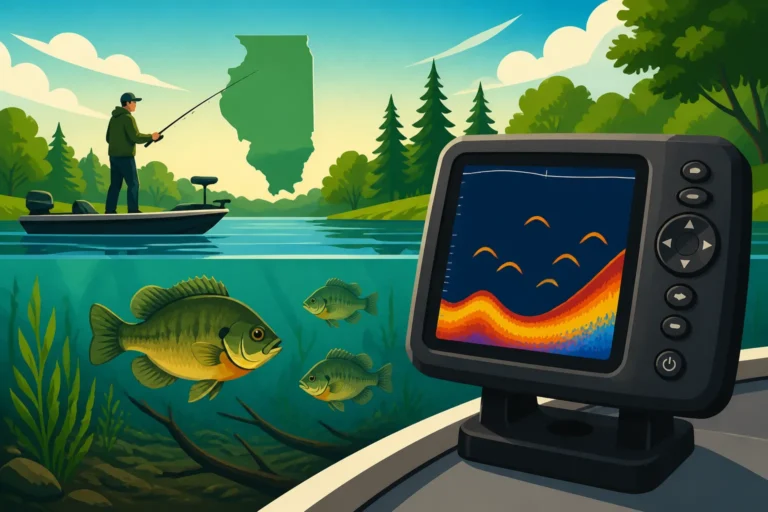
- Fish Finder: A compact, waterproof fish finder can be a game-changer, especially on larger Illinois lakes. Look for models with GPS capabilities to mark waypoints and navigate. Many kayaks have designated areas for transducer mounting and battery storage.
- Anchor System: An anchor is incredibly useful for holding your position over a productive spot, especially in wind or current. A small, folding grapnel anchor or a drag chain with a trolley system (which allows you to deploy the anchor from different points along your kayak) is ideal for kayaks. Kayak Anchor Setup for Lake Fishing provides more detail on this.
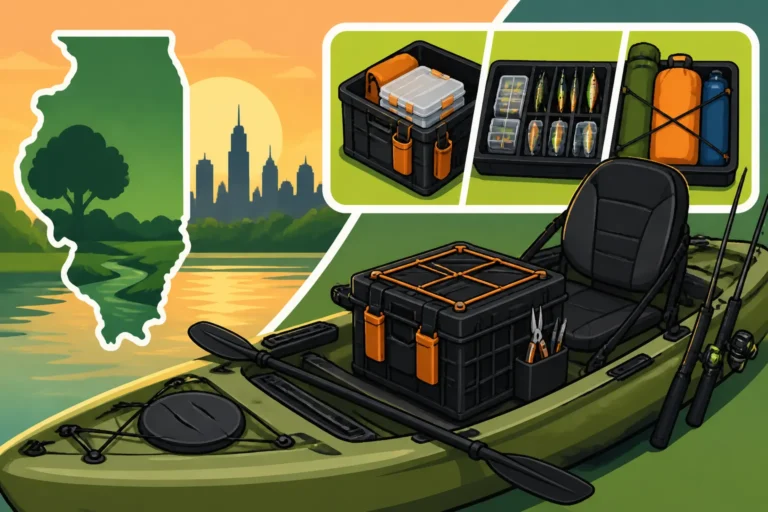
- Storage Solutions: Beyond built-in hatches, consider a "milk crate" or specialized kayak crate for your tackle, bait, and other gear. These often fit perfectly in the stern tank well and can be customized with additional rod holders or accessories. You can find many ready-made solutions or DIY ideas for Kayak Fishing Crates and Storage Setup.
- Paddle Leash: Even for pedal kayaks, a paddle is your backup. Keep it secured with a leash!
Transport and Storage Solutions
Getting your kayak to and from the water, and then storing it safely, is an important part of the kayak fishing lifestyle. While kayaks are generally more manageable than powerboats, they still require some thought for transport and storage.
For transport, roof racks are the most common solution for vehicles without a truck bed. J-cradles or stackers secure your kayak firmly to your car. If you have a truck, a bed extender can safely support longer kayaks. Don't forget good quality cam straps to cinch your kayak down securely. For short distances from your vehicle to the water, a kayak cart (dolly) is invaluable, saving your back and making launches much easier, especially when fishing solo. When it comes to storage, keep your kayak out of direct sunlight when not in use, as UV rays can degrade the plastic over time. Store it on its side, upside down, or on a dedicated kayak rack to prevent hull warping. Garages, sheds, or even outdoor storage under a cover can work, depending on your available space.
Making Your Kayak Fishing Purchase in Illinois
So you've done your research, considered your fishing style, and envisioned yourself on the water. Now comes the exciting part: actually buying your fishing kayak! This step can feel overwhelming, especially with so many options and price points. But armed with knowledge, you can approach the purchase with confidence, ensuring you get the best value and the right kayak for your Illinois adventures. It's about making an informed decision that you won't regret down the line.
Remember, a fishing kayak is an investment in your outdoor enjoyment. Taking the time to consider all angles before pulling the trigger will pay dividends in satisfaction. Don't let the excitement rush you; a thoughtful purchase will lead to countless memorable days on the water.
When to Buy New vs. Used
The decision to buy a new or used fishing kayak largely comes down to budget and your comfort level with inspecting pre-owned gear.
-
Buying New: A new kayak from a reputable dealer or retailer like Bass Pro Shops gives you peace of mind with a manufacturer's warranty, the latest features, and the assurance that it hasn't been abused. You'll have a wider selection of models, colors, and accessories, and often the ability to finance your purchase. The downside, of course, is the higher price tag. However, if you're looking for a specific high-end model, like a top-tier pedal drive kayak, buying new ensures you get exactly what you want with no hidden issues. Many dealers can also offer valuable advice on rigging and local regulations.
-
Buying Used: The used market can offer significant savings, sometimes allowing you to get a higher-end kayak for the price of a new entry-level model. Check online marketplaces, local fishing forums, or dedicated kayak fishing groups. When buying used, be extremely diligent:
- Inspect the hull thoroughly: Look for deep gouges, cracks, or excessive warping, especially on the bottom.
- Check for leaks: Ask if the seller has ever noticed water inside the hull.
- Examine accessories: Are the rod holders, seat, and any pedal drive mechanisms in good working order? Factor in the cost of replacing worn-out components.
- Ask about storage: How was the kayak stored when not in use? Proper storage prevents hull deformation.
- Test the seat: Is it comfortable and adjustable? Seat upgrades can be pricey.
- Factor in additional costs: You might need to buy new accessories or make repairs, so budget accordingly.
A used kayak can be a fantastic deal, but it requires a bit more legwork and a keen eye for potential problems. For a general overview of options, you can often find good deals on gear through Amazon's marketplace, but for larger items like kayaks, a physical inspection is always best for used purchases.
Where to Shop for Fishing Kayaks
Finding the right place to purchase your kayak can be as important as choosing the kayak itself. Different retailers offer different advantages.
-
Specialty Kayak Shops: These are often the best places for expert advice. Staff at specialty shops usually have extensive knowledge of different models, rigging options, and local waters. They often allow you to "test paddle" kayaks, which is invaluable for assessing stability and comfort. While their prices might be full retail, the personalized service and knowledge gained can be well worth it, especially for first-time buyers.
-
Large Outdoor Retailers: Stores like Bass Pro Shops (and their online presence) carry a wide range of fishing kayaks, from entry-level to advanced models. They often have competitive pricing and frequent sales. The advantage here is the sheer selection and the ability to see many different brands and models under one roof. While the staff might not be as specialized as a dedicated kayak shop, they can still provide good general information and assist with bundles or financing.
-
Online Retailers: Sites like Amazon offer convenience and often very competitive prices, especially for less specialized models or accessories. However, buying a kayak sight unseen, without the ability to sit in it or assess its true size, can be risky. If you go this route, make sure to read reviews thoroughly, check return policies, and understand that assembly or extra rigging might be required. It's often a good option for those who already know exactly which model they want and are comfortable with online purchases.
-
Used Marketplaces: As mentioned, local classifieds, Facebook Marketplace, Craigslist, and specialized kayak fishing forums are excellent sources for used kayaks. Exercise caution, inspect thoroughly, and always meet in a safe, public place.
No matter where you decide to buy, always take your time, compare models, and ask plenty of questions. Your perfect fishing kayak is out there, waiting to take you on countless Illinois fishing adventures!
Disclaimer
This article is for general informational purposes only and does not constitute professional advice. Laws, prices and regulations vary by location and change over time. Consult a qualified professional for guidance on your specific situation.