Is Yellow Bass Good to Eat?
Ah, the yellow bass! You've just pulled one of these striped beauties from an Illinois lake or river, and now you're looking at it, wondering if it's destined for the dinner plate or just a nice catch-and-release memory. It’s a common question, especially since they're not always the first fish people think of when it comes to eating. This guide is going to dive deep into whether yellow bass are good to eat, what they taste like, and how to prepare them to ensure you get the most delicious meal possible from your catch.
Understanding Yellow Bass in Illinois Waters
Yellow bass are often overshadowed by their larger cousins like largemouth bass or walleye, but they're a feisty and plentiful fish throughout much of Illinois. Don't let their size fool you; they can provide some fantastic fishing action and, as we'll soon discover, make for a surprisingly good meal.
Where Yellow Bass are Found and How to Identify Them
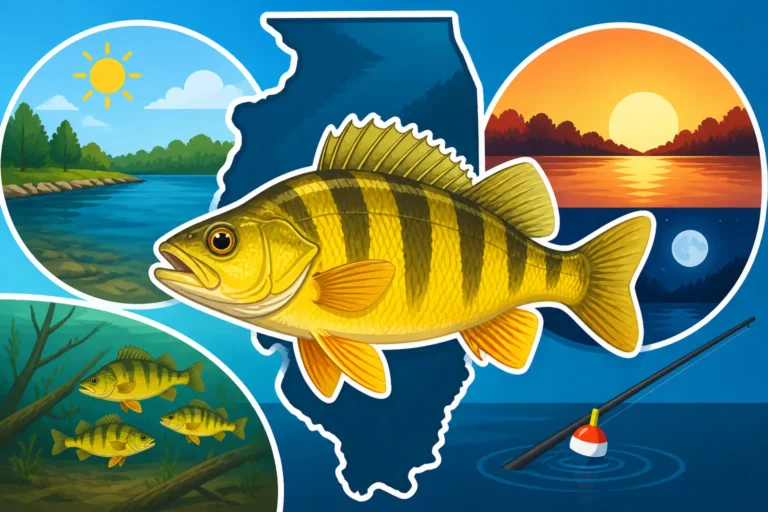
In Illinois, you'll find yellow bass thriving in many of our larger river systems, particularly the Mississippi, Illinois, and Wabash rivers, as well as various backwater lakes and some larger reservoirs. They love clear to moderately turbid waters and tend to school up, making them a fun target once you find them. They typically don't grow huge, usually in the 6 to 10-inch range, with some reaching a pound or more. If you're out there on the water, you'll notice their distinct yellow-gold coloration on their sides, often with several broken, offset horizontal stripes, especially below the lateral line. This is a key identifier when you're trying to distinguish them from white bass, which generally have more silvery sides and continuous, unbroken stripes. For a deeper dive into identifying these fish, you might want to check out White Bass vs Yellow Bass in Illinois: How to Tell Them Apart.
They are often found in areas with structure, like submerged timber, rock piles, or along current breaks in rivers. Many anglers targeting panfish or even crappie in the backwaters will encounter yellow bass, sometimes in impressive numbers. They're opportunistic feeders, meaning they'll readily hit a variety of baits and lures, from small jigs to minnows. On the Mississippi River Catfish Fishing in Southern Illinois stretches, you'll find them too, often in the same areas as other popular species.
Why Yellow Bass are Often Overlooked by Anglers
Honestly, a lot of anglers just don't give yellow bass the credit they deserve. There are a few reasons for this. First, as mentioned, they don't get as big as a trophy largemouth or a monster flathead catfish. Many people equate bigger fish with better eating, which isn't always true. Second, they're often caught incidentally while targeting other species. You might be jigging for crappie, and suddenly you're reeling in yellow bass after yellow bass. This can lead to them being viewed as a "nuisance" fish by some, rather than a desirable catch.
Another reason is simply a lack of knowledge. Many folks just aren't sure if they're edible or how to prepare them. They might assume that because they're small, they're not worth the effort to clean, or that they'll have a "fishy" taste. This is where a lot of anglers are missing out! While they might take a little more effort to fillet due to their smaller size, the reward is absolutely worth it. It's a shame to release a cooler full of perfectly good eating fish just because of misconceptions.
The Culinary Verdict: Is Yellow Bass Good to Eat?
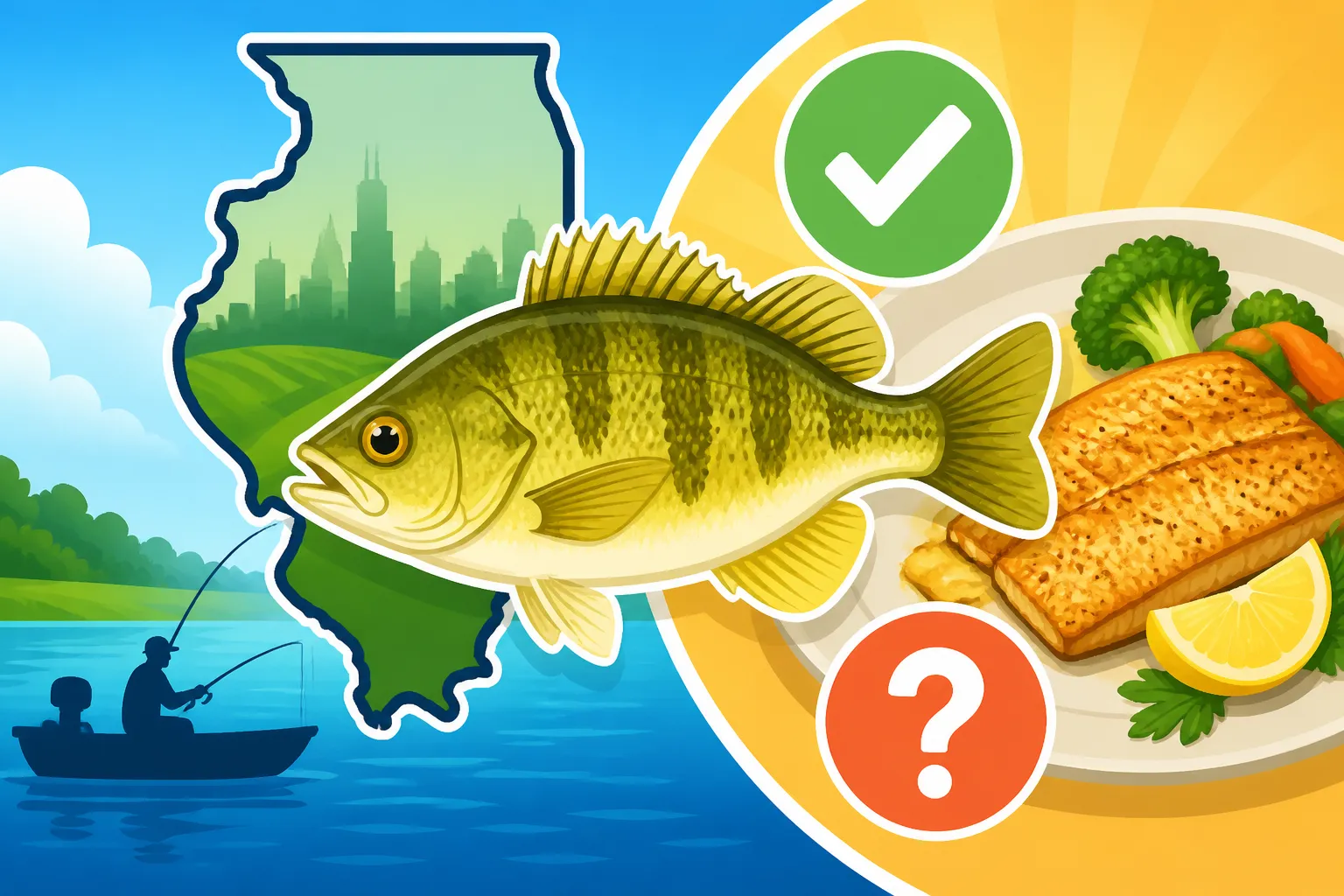
Let's cut to the chase: Yes, yellow bass are absolutely good to eat! In fact, many seasoned anglers and culinary enthusiasts consider them a hidden gem of the panfish world. They offer a delightful eating experience that rivals many more popular species.
Flavor Profile and Texture
When properly prepared, yellow bass have a mild, sweet flavor that is incredibly palatable. Their flesh is white, firm, and flaky, much like crappie or bluegill, but with a slightly richer taste that some describe as a cross between crappie and a freshwater walleye. There's no strong "fishy" aftertaste, which is often a concern for those new to eating different species. This mildness makes them incredibly versatile for various culinary applications.
Imagine a plate of freshly fried fish: the yellow bass would be right there, offering tender, moist flakes that melt in your mouth. They hold up well to cooking, unlike some softer-fleshed fish, providing a satisfying bite. If you're someone who enjoys panfish like bluegill, you'll definitely appreciate the flavor and texture of yellow bass. For tips on catching their cousins, check out Best Crappie Fishing Lakes in Illinois.
Factors Affecting Taste: Water Quality and Size
Just like any fish, the taste of yellow bass can be influenced by a few factors.
The water quality of where they were caught plays a significant role. Fish from clean, clear waters generally have a fresher, milder taste. Yellow bass from stagnant, muddy, or polluted waters might have a slightly stronger or "earthier" flavor, although this is true for almost any species. Always be mindful of local advisories regarding consumption from specific bodies of water.
Size also matters. Generally, smaller yellow bass (those under 8 inches) tend to have an even milder flavor and a more delicate texture. As they get larger, the flavor can become a tiny bit more pronounced, but it rarely becomes overpowering. The key is to keep them lively and get them on ice quickly after catching them. A cooler full of ice is your best friend for maintaining the quality of your catch, whether you found them in a backwater slough or a deep river channel. This immediate chilling prevents the build-up of undesirable flavors and preserves that delicate, sweet taste.
Preparation and Cooking Methods to Maximize Flavor
The beauty of yellow bass lies in their versatility. Their mild flavor and firm, flaky flesh make them suitable for a wide range of cooking methods.
One of the most popular ways to enjoy them is, without a doubt, frying. A simple cornmeal or seasoned flour breading, fried to a golden crisp, is hard to beat. The delicate white meat steams perfectly inside the crispy crust. You can achieve this with a cast iron skillet over a campfire or an electric fryer at home.
However, don't limit yourself! Baking is another fantastic option, especially if you're looking for a healthier alternative to frying. Lay the fillets on a baking sheet, drizzle with a little olive oil, lemon juice, salt, and pepper, and bake until flaky. You can even add some herbs like dill or parsley. For something a little different, consider grilling them. You might want to use a fish basket or wrap them in foil to prevent them from sticking and falling through the grates, as the fillets are on the smaller side. The smoky char from the grill adds another layer of deliciousness.
Another excellent method is pan-searing. A quick sear in a hot pan with butter or oil gives them a lovely crust while keeping the inside tender. Serve them with a squeeze of fresh lemon and some tartar sauce, and you've got a meal that will make you wonder why you haven't been eating yellow bass all along. You can find quality non-stick pans perfect for pan-searing on Amazon.
Cleaning and Preparing Your Catch for the Table
Alright, so you've caught a mess of yellow bass, and you're convinced they're going to be delicious. Now comes the part that can sometimes deter anglers: cleaning them. Because they are smaller, it does take a little more finesse than filleting a huge walleye, but it's totally manageable with the right technique.
The Importance of Proper Cleaning
Just like with any fish, how you handle your yellow bass immediately after the catch, and how thoroughly you clean them, will directly impact their taste and quality. The moment a fish is out of the water, its flesh begins to degrade. Getting them on ice quickly is paramount. This slows down bacterial growth and keeps the meat firm and fresh.
When it comes to cleaning, a sharp knife is your absolute best friend. Dull knives make the job harder, messier, and potentially more dangerous. A good filleting knife, maybe 6-7 inches long, with a bit of flexibility, will make short work of yellow bass. Many anglers swear by particular brands of filleting knives, often available on Amazon, for precision work on smaller fish. You want to remove the guts and bloodline as soon as possible, as these can impart off-flavors to the meat. Clean water is also key for rinsing your fillets.
Step-by-Step Guide to Filleting Yellow Bass
Filleting yellow bass is similar to filleting other panfish. Here’s a basic step-by-step guide:
- Lay the Fish Flat: Place the yellow bass on a clean cutting board, belly facing you, with its head to your left (if you're right-handed).
- Behind the Gill Plate: Make a cut straight down behind the gill plate, angling slightly towards the head until you hit the backbone. Don't cut through the backbone.
- Along the Backbone: Turn your knife flat, parallel to the backbone, and make a cut along the top of the backbone towards the tail. Use your free hand to gently lift the fillet as you cut, guiding your blade.
- Remove the Fillet: Once you reach the tail, you can either cut the fillet completely off or leave a small "hinge" of skin at the tail. This hinge makes it easier to remove the skin later.
- Flip and Repeat: Flip the fish over and repeat the process on the other side.
- Skin Removal (if hinged): If you left a skin hinge, lay the fillet skin-side down on the board. Hold the tail end of the skin firmly and angle your knife slightly down, almost parallel to the board. Saw back and forth while pulling the skin, separating the meat from the skin.
- Skin Removal (if separated): If the fillet is completely off, just lay it skin-side down, hold the tail end, and run your knife between the skin and meat, working your way to the front.
- Rinse and Store: Rinse your fillets under cold water to remove any scales or stray bits of blood. Pat them dry and place them in a bag or container in the refrigerator or freezer.
| Step | Description | Key Tip |
|---|---|---|
| 1. Initial Cut | Cut behind the gill plate, down to the backbone, angled slightly towards the head. | Use a very sharp, flexible filleting knife. |
| 2. Along the Spine | Turn knife flat and run it along the backbone towards the tail, lifting the fillet as you go. | Keep the knife blade as close to the bones as possible. |
| 3. Separate Fillet | Cut completely free or leave a small "hinge" of skin at the tail end. | Leaving a hinge helps with skinning later. |
| 4. Second Side | Flip the fish and repeat steps 1-3 for the other side. | Be consistent with your angles for maximum meat. |
| 5. Skin Removal | Hold skin firmly, angle knife parallel to board, and slice between skin and meat towards the head. | Pull the skin taut as you cut; it helps a lot. |
| 6. Trim & Rinse | Trim any remaining belly fat or dark spots. Rinse thoroughly under cold water. | Remove any dark meat – it can have a stronger flavor. |
Skin-On vs. Skin-Off and Dealing with the Y-Bone
For yellow bass, almost everyone will opt for skin-off fillets. The skin is quite thin, and while it's edible, it doesn't offer much texture or flavor benefit like some larger fish skins might. Removing the skin ensures you get that clean, mild-flavored white meat.
Unlike some panfish or larger fish, yellow bass generally do not have a prominent Y-bone. This is fantastic news for anglers, as it means you won't have to navigate around tricky bones when filleting or eating. The ribs are the main bones you'll contend with, and a good filleting technique will take care of those. If you leave the rib cage attached to the fillet, you can simply make a V-cut to remove that section, or carefully trim them away with your knife. The goal is a boneless, skinless fillet, making for an enjoyable eating experience.
Beyond the Frying Pan: Other Ways to Enjoy Yellow Bass
While classic fried yellow bass is a surefire winner, don't be afraid to get creative in the kitchen! Their mild flavor and firm texture make them excellent candidates for a variety of dishes. Expanding your culinary repertoire can make your fishing efforts even more rewarding.
Yellow Bass in Soups, Stews, and Tacos
Thinking outside the box can lead to some truly delicious meals. Yellow bass fillets are fantastic for fish tacos. Simply bread and fry them (or grill them for a lighter option), then flake the warm fish into tortillas with your favorite toppings like shredded cabbage, a creamy sauce, and a squeeze of lime. The mildness of the yellow bass really lets the other flavors of the taco shine through.
They also work wonderfully in soups and stews. Imagine a hearty fish chowder or a lighter fish stew, where the tender flakes of yellow bass absorb the rich flavors of the broth and vegetables. Just be sure to add them towards the end of the cooking process so they don't overcook and fall apart. For a taste of what else Illinois offers, consider Illinois Catfish Daily Limits Explained – catfish also make excellent stews! You can find a wide selection of spices and cooking ingredients on Amazon to elevate your fish dishes.
Freezing and Storage Tips for Your Catch
Let's be realistic, you might not eat all your yellow bass fillets in one sitting, especially if you had a particularly successful day on the water. Proper freezing and storage are crucial to preserve that fresh-caught quality.
The best way to freeze fish fillets is to vacuum seal them. A vacuum sealer removes all the air, preventing freezer burn and keeping the fish fresh for many months. If you don't have a vacuum sealer, wrap each fillet tightly in plastic wrap, then again in aluminum foil, and finally place them in a freezer-safe bag, pressing out as much air as possible. You can even submerge sealed bags in water to remove air more effectively before freezing.
Another excellent method for freezing yellow bass, especially if you caught a lot, is to create ice blocks. Place fillets in a freezer-safe container, cover them completely with cold water, and freeze. The ice encasement protects the fish from freezer burn, keeping them pristine for an extended period. Just remember to thaw them properly in the refrigerator overnight before cooking.
Yellow Bass vs. Other Illinois Panfish: A Taste Comparison
To really appreciate the yellow bass, it helps to compare it to some of its popular panfish counterparts found right here in Illinois waters.
| Feature | Yellow Bass | Black Crappie | Bluegill |
|---|---|---|---|
| Flavor | Mild, sweet, slightly richer than crappie/bluegill | Very mild, delicate, subtle sweetness | Mild, earthy, distinctive "sunfish" flavor |
| Texture | Firm, white, flaky | Very tender, flaky, soft | Firm, flaky, slightly chewy |
| Boniness | Generally boneless fillets (no Y-bone) | Generally boneless fillets (no Y-bone) | Minor Y-bone in larger fish; typically boneless fillets |
| Typical Size | 6-10 inches (good fillet size) | 8-12 inches (excellent fillet size) | 6-8 inches (smaller fillets) |
| Best Cooked | Fried, baked, grilled, tacos, soups | Fried, baked, pan-seared, ceviche | Fried, pan-seared, grilled (whole) |
| Popularity | Underrated, often overlooked | Highly prized, very popular | Very popular, especially for kids and beginners |
As you can see, yellow bass hold their own against even the most beloved panfish like crappie and bluegill. While black crappie might be celebrated for their extreme tenderness, the yellow bass offers a slightly firmer texture and a richer, yet still mild, flavor that sets it apart. The lack of a Y-bone also makes them incredibly appealing for cooking and eating. If you’re often seeking out Best Crappie Holes on the Fox River or Rend Lake's Best Spots for Trophy Bluegill Over a Pound, don't forget that yellow bass might be schooling right alongside them, offering a fantastic addition to your cooler.
So, the next time you're out fishing in Illinois and reel in a few yellow bass, don't hesitate to keep them for the table. You might just discover a new favorite fish!
Disclaimer
This article is for general informational purposes only and does not constitute professional advice. Laws, prices and regulations vary by location and change over time. Consult a qualified professional for guidance on your specific situation.