Best Bait for Yellow Perch Fishing
Trying to figure out the absolute best bait for yellow perch can feel like a guessing game, especially when you're standing at the water's edge with a tackle box full of options and the perch seem to be ignoring everything. It's frustrating when you know they're there, but you just can't get them to bite. This guide is going to cut through the confusion and help you select the most effective baits and presentations to consistently reel in those delicious yellow perch in Illinois waters.
Understanding Yellow Perch in Illinois Waters
Before we even talk about what bait to use, it's really helpful to understand the fish we're after. Yellow perch are pretty common throughout Illinois, from our smaller local ponds and reservoirs to the vast expanse of Lake Michigan. They're not the biggest fish in the lake, but what they lack in size, they make up for in flavor and a willingness to bite when you present them with what they want.
Where Yellow Perch Call Home
Yellow perch are true schoolers, meaning they love to hang out together in groups, sometimes quite large ones. You'll typically find them in cooler, clearer waters, often congregating around structures. Think about submerged weed beds, fallen trees, docks, rock piles, or even gradual slopes where the bottom changes composition. In deeper lakes, they might be found near the thermocline during warmer months, seeking that sweet spot of temperature and oxygen. For instance, in a lake like Lake Shelbyville, you might find them schooling over submerged brush piles or along the main channel breaks. On the flip side, smaller urban ponds might see them tucked into cattail edges or under the shade of overhanging trees. Knowing their preferred habitat is half the battle; it guides your casting and helps you narrow down where your bait needs to be. Illinois Yellow Perch Fishing: Where and When to Catch Them goes into even more detail on specific locations.
Yellow Perch Natural Diet and Habits
Yellow perch are opportunistic feeders, which is great news for us anglers! They're not overly picky, but they do have preferences. Their natural diet primarily consists of small invertebrates like insect larvae, leeches, and crustaceans. Crucially, they also love small baitfish such as minnows, shad, and even the fry of other fish species. This is why understanding their natural food source is so vital for selecting artificial and live baits. They're visual predators with good eyesight, so presentation, color, and size can make a huge difference, especially in clear water. Their schooling nature also means that once you find one, you're likely to find many, making it a blast to fish when they're on the bite.
Top Live Baits for Yellow Perch
When it comes to yellow perch, live bait is often the king. There's just something about the natural movement and scent that can be irresistible, especially on a tough bite. Many seasoned anglers swear by live bait as their go-to for consistent perch action.
Classic Worms and Their Variations
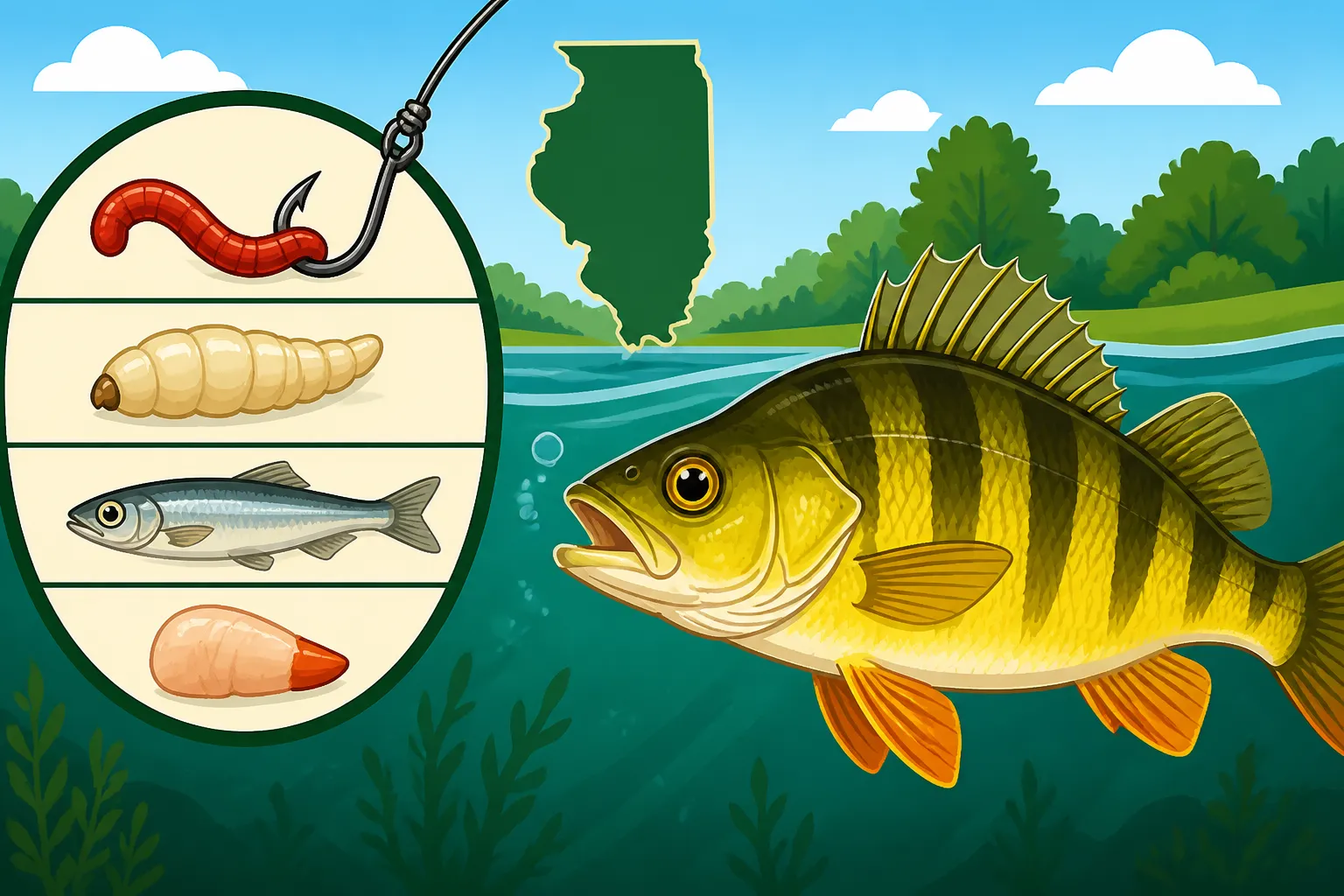
You really can't go wrong with worms for yellow perch. They're a staple for a reason: they're readily available, easy to keep, and perch absolutely love them.
- Nightcrawlers: While a whole nightcrawler might be a bit much for a smaller perch, cutting a nightcrawler into smaller pieces, sometimes just a half-inch or an inch, can be incredibly effective. The wiggling ends and scent trail are perfect attractors. Hook them through one end so they can squirm freely.
- Red Worms: These smaller, thinner worms are often a perfect size for perch, requiring less cutting. They're lively on the hook and release a good amount of scent. They're a fantastic choice for tight-lining or under a small bobber.
- Wax Worms: These plump, creamy-colored larvae are another fantastic option. They're particularly appealing to panfish, including yellow perch, due to their soft texture and unique scent. They're easy to hook and stay on well. You can often find them at your local bait shop or even sometimes buy them in bulk online.
- Spikes/Maggots: Similar to wax worms but smaller, spikes are excellent for delicate presentations. When perch are finicky or the water is cold, a tiny spike on a small jig can be just the ticket. Their constant wriggling action makes them stand out.
No matter which worm you choose, make sure your hook size is appropriate – small enough for the perch to easily mouth, but strong enough to hold them. A good rule of thumb is a size 8 to 12 Aberdeen hook for most worm applications.
Minnows: The Perch's Favorite Treat
If you're looking for a bait that perfectly mimics a yellow perch's natural prey, look no further than live minnows. They are a universal favorite and often entice the largest perch in the school.
- Small Fathead Minnows: These are probably the most popular choice for perch fishing. Their small size is ideal, and they're quite hardy on a hook. You can hook them through the lips for a natural swimming action or lightly through the back, careful not to hit their spine, for a more horizontal presentation.
- Emerald Shiners: Especially valuable in places like Lake Michigan, shiners are excellent baitfish that perch actively hunt. They have a bright, silvery flash that can really grab a perch's attention.
- Golden Shiners: A bit larger than fatheads, golden shiners can still be effective, especially if you're targeting bigger perch or if other species like bass or walleye are also in the area. Just be mindful that a smaller perch might have trouble with a bigger shiner.
- Rosy Reds: These are essentially a cultivated version of the fathead minnow, known for their bright color. They can be very effective in stained or slightly murky water where their color helps them stand out.
When using minnows, consider a small split shot or two a few inches above the hook to help them sink into the strike zone. You want them to look alive and vulnerable, not just float aimlessly. A plain hook and a lively minnow can be absolutely deadly.
Other Live Bait Wonders
Beyond worms and minnows, there are a few other live bait options that can really shine for yellow perch, especially when you want to offer something a little different.
- Leeches: Yes, leeches! While often associated with walleye, small leeches can be incredibly effective for perch, particularly in waters where they are a natural food source. They are tough, stay on the hook well, and have a unique wriggling motion. Hook them through the suction cup on one end for the best action.
- Crappie Minnows/Worms: If you're struggling to find fathead minnows or want something slightly different, crappie minnows are often a good alternative, generally being slightly larger. Otherwise, sometimes specific baits marketed for crappie, such as "crappie worms" (small soft plastics), can cross over and work for perch too. However, for true live bait, focus on the minnow varieties.
- Small Crayfish (Pinchers Removed): While less common, very small crayfish, with their claws removed for safety, can be an excellent bait for larger perch, particularly in rocky environments where crayfish are abundant. Perch will absolutely munch on a small, vulnerable crawfish. Just remember to check your local regulations regarding the use of crayfish as bait.
Experimenting with different live baits based on what you know is in the local water can give you a significant edge. Sometimes, what's considered a "non-traditional" bait can turn a slow day into a banner day because it's something the fish haven't seen before.
Artificial Baits That Tempt Yellow Perch
While live bait often holds an advantage, artificial lures are incredibly versatile, cleaner, and can be just as effective, especially when perch are aggressive. Plus, you don't have to worry about keeping them alive! Many anglers prefer the challenge and satisfaction of fooling a fish on a lure.
Jigs: Small but Mighty
Jigs are probably the most versatile artificial lure for yellow perch. Their ability to imitate small baitfish, insect larvae, or even a struggling minnow makes them incredibly effective.
- Small Jig Heads with Soft Plastics: Pair a tiny jig head (1/32 to 1/16 ounce is usually perfect) with a small soft plastic body. Think grub tails, small swimbaits, or even tiny tubes. Colors like white, chartreuse, pink, and motor oil are perennial favorites. The key is to impart subtle action – a slow lift and fall, a slight jiggle, or a slow retrieve can all trigger strikes. Many anglers find great deals on assortments of these on Amazon.
- Marabou Jigs: These jigs, tied with natural marabou feathers, have an incredible pulsing action in the water that perfectly mimics a struggling insect or small baitfish. White, black, and olive are classic colors. They are fantastic for vertical jigging or slowly swimming them along drop-offs.
- Ice Fishing Jigs (Year-Round Use): Don't limit ice fishing jigs to just winter! Tiny tungsten jigs or small lead jigs, often tipped with a wax worm or spike, are deadly on open water perch. Their compact size and fast-sinking nature get them down to the fish quickly. They are excellent for precise presentations when you see perch on your fish finder.
- Drop Shot Rigs: While not a jig itself, a drop shot rig can present a small soft plastic (like a tiny worm or minnow imitation) weightlessly above a sinker, right in the perch's face. This technique is fantastic when perch are suspended or finicky.
When jigging, remember that perch often hit on the fall, so pay close attention to your line for any slight twitch or hesitation. Crappie Jigging Techniques offers insights that can easily be adapted for perch.
Spinners and Spoons: Flash and Vibration
Sometimes, perch need a bit more flash and vibration to get their attention, especially in stained water or when they're actively chasing bait. That's where spinners and spoons come into play.
- Inline Spinners: Lures like the classic Mepps Aglia or a Panther Martin are fantastic. Their rotating blade creates a flash and vibration that perch can't resist. Sizes from #0 to #2 are usually ideal. Vary your retrieve speed – sometimes a slow, steady retrieve is best, other times a stop-and-go can trigger a bite. Flashy colors like silver, gold, or copper, sometimes with bright accents, work well.
- Small Spoons (Casting or Jigging): Thin, metallic spoons like a Kastmaster or a Little Cleo can be very effective. Their wobbling action on the retrieve or flutter on the fall perfectly imitates a dying baitfish. You can cast them out and retrieve steadily, or vertical jig them over schools of perch. Silver, gold, or even brightly painted spoons can be a great option.
- Blade Baits: These compact, vibrantly vibrating lures are excellent for covering water and calling in aggressive perch. Their tight wiggle and strong vibration mimic fleeing baitfish. They can be cast and retrieved or vertically jigged. Be aware that their strong vibration can sometimes be too much for finicky fish, so save them for when perch are active.
Using a light monofilament or fluorocarbon leader is a good idea with these lures, as heavy line can impede their action. Also, consider adding a small swivel to prevent line twist, especially with inline spinners.
Soft Plastics: Mimicking Natural Prey
Soft plastics offer an incredible range of shapes, sizes, and colors, allowing you to imitate virtually any small prey item a yellow perch might eat. The key is going small and matching the profile.
- Tiny Grubs (Curly Tails): A 1-inch or 2-inch curly-tail grub on a small jig head is a go-to for many perch anglers. The tail provides constant action even with a slow retrieve or slight current. White, chartreuse, clear with glitter, and motor oil are all excellent choices.
- Small Swimbaits: These miniature versions of larger swimbaits, usually 1 to 2 inches long, have a paddle tail that kicks, creating a realistic swimming motion. They perfectly mimic small minnows and can be fished on a light jig head.
- Micro Finesse Worms: Think really tiny plastic worms, sometimes as small as an inch, often used for ultralight finesse fishing. These can be deadly when rigged on a tiny jig head or even a drop shot. Their subtle movement can be just what a hesitant perch needs to commit.
- Tube Jigs: While often associated with crappie, small tube jigs (1.5 to 2 inches) can also be excellent for perch. Their tentacle-like tails provide a lot of subtle action. Rig them on an internal jig head and fish them with a lift-and-fall retrieve.
Many brands offer excellent small soft plastics, and you can often find great value packs on sites like Amazon that provide a variety of colors and shapes to experiment with. Don't be afraid to mix and match colors or even combine a soft plastic with a tiny piece of live bait, like a wax worm, for added scent and appeal.
Essential Tips for Bait Presentation and Success
Having the right bait is a fantastic start, but how you present it and where you present it can make all the difference between a few bites and a full cooler. Perch can be finicky, so mastering presentation is key.
Matching the Hatch and Water Conditions
"Matching the hatch" is a fly fishing term, but the principle applies to all fishing: try to use bait that resembles what the fish are currently eating.
- Clear Water: In clear water, yellow perch rely heavily on their eyesight. Opt for more natural colors like greens, browns, and natural baitfish patterns. Fluorocarbon leaders are also beneficial here, as they are less visible underwater. Your presentation should be subtle and realistic, mimicking natural prey without alarming the fish.
- Stained or Murky Water: When the water has a bit of color, perch rely more on their lateral line (to detect vibrations) and scent. Brighter colors like chartreuse, orange, or even glow-in-the-dark baits can be highly effective. Baits that produce more vibration, like inline spinners or blade baits, can also help fish locate your offering. Adding scent to your artificial lures can also give you an edge.
- Cold Water: In colder water, fish metabolisms slow down, and they become less willing to chase. Slow down your retrieve significantly. Small, subtle baits like tiny jigs tipped with a wax worm or a slowly jigged minnow are often best. Focus on presentations that keep the bait in the strike zone for a longer period.
- Warm Water: In warmer water, perch are generally more active and willing to chase. You can experiment with faster retrieves and more aggressive presentations. Still, don't overlook the effectiveness of a lively minnow.
Observing what other anglers are catching them on, or even checking the stomach contents of the first perch you catch, can give you clues as to what they're feeding on that day. Water Temperature and Fish Activity Guide delves deeper into how these conditions impact fish behavior.
Rigging Your Bait for Maximum Appeal
Even the best bait won't work if it's not rigged correctly. The goal is to make your bait look as natural and enticing as possible.
- Plain Hook and Bobber: This is a classic and highly effective rig, especially for bank fishing or when perch are suspended. Use a small, sensitive bobber that signals even the lightest bite. A #8 or #10 Aberdeen hook, with one or two small split shots a few inches above it, is usually perfect. This rig is fantastic for suspending a piece of worm or a minnow just above bottom structure or in the middle of the water column. How to Rig a Bobber for Bluegill provides a similar approach that works for perch.
- Slip Sinker Rig (Carolina Rig for Perch): For fishing on the bottom or near it, a slip sinker rig allows the line to pass freely through the weight, so the perch doesn't feel resistance when it bites. Use a small bullet or egg sinker, a small barrel swivel, and a short leader (6-12 inches) to your hook. This is great for presenting minnows or worms right on the lakebed.
- Drop Shot Rig: As mentioned earlier, the drop shot is excellent for finicky perch. Tie a hook directly to your main line (using a Palomar knot or similar), leaving a tag end. Tie a weight to the tag end. This allows your bait to hover at a specific depth above the bottom, often irresistible to suspended perch.
- Tipping Jigs: Whether using soft plastics or marabou jigs, adding a tiny piece of live bait – a wax worm, a spike, or even just the head of a small minnow – can drastically increase your strike rate. The added scent and subtle movement can be the final trigger.
Always check your knots and make sure your hook point is sharp. A dull hook can lead to missed bites, and a weak knot can mean a lost fish.
Best Times and Locations for Perch
Yellow perch are active feeders, but like most fish, they have peak times and preferred spots.
- Time of Day: Perch are often most active during dawn and dusk. The low light conditions give them an advantage when hunting baitfish. However, they can bite throughout the day, especially in deeper, cooler waters or on overcast days. During the middle of the day, they might retreat to deeper water or denser cover.
- Seasonality: Perch can be caught year-round in Illinois. Spring and fall are often considered prime times, as they are actively feeding before and after the spawn (spring) or bulking up for winter (fall). Ice fishing for perch is also incredibly popular and productive in Illinois. During summer, they tend to move to deeper, cooler water.
- Structure and Cover: Always look for structure. As mentioned, weed beds, rock piles, submerged timber, docks, and drop-offs are all perch magnets. In lakes like Carlyle Lake, look for old creek channels or subtle humps. On the Mississippi River, they'll often be found in backwater areas or along current breaks. How to Find the Rules for a Specific Illinois Fishing Spot is a great resource to help you understand regulations that might apply to certain locations.
- Finding the School: Since perch are schoolers, if you catch one, stay put! Mark the spot on your GPS or remember a landmark. If the bite slows, try moving slightly to one side or another, or changing your depth. A good fish finder can be invaluable for locating schools of perch, especially in deeper waters.
Remember that patience is a virtue, but persistence and willingness to try different baits and presentations will lead to more success.
| Bait Type | Best Use Case | Pros | Cons |
|---|---|---|---|
| Live Baits | |||
| Nightcrawlers | Versatile, cut for size | Readily available, strong scent | Can be too large if not cut, messy |
| Red Worms | Perfect for smaller perch, finicky bite | Lively, natural size | Can be harder to find than nightcrawers |
| Wax Worms | Cold water, panfish specialty | Good scent, easy to hook, clean | Can be expensive, smaller profile may attract smaller fish |
| Minnows | Targeting larger perch, active fish | Irresistible natural action, strong visual appeal | Requires aeration, can be fragile, more expensive |
| Artificial Baits | |||
| Small Jigs | All-around, vertical jigging, subtle presentation | Versatile, many colors/styles, reusable | Can be too subtle for aggressive fish, easy to snag |
| Inline Spinners | Active fish, covering water, stained water | Flashy, vibrating, attracts from a distance | Can cause line twist, sometimes too aggressive for finicky fish |
| Small Spoons | Mimics dying baitfish, casting or jigging | Good flash, versatile presentation, durable | May need specific retrieve to activate, can be heavy for light tackle |
| Soft Plastics | Mimicking natural prey, finesse fishing | Realistic, varied shapes/colors, reusable | Can be torn easily, scent may be needed |
No matter which bait you choose, don't be afraid to mix it up. Sometimes what works one day won't work the next, and the fish will tell you what they prefer. A well-stocked tackle box, especially one with a good selection of the baits mentioned here, will set you up for success in your pursuit of Illinois yellow perch. Best Bait for Yellow Perch Fishing is just one piece of the puzzle, but an important one!
Disclaimer
This article is for general informational purposes only and does not constitute professional advice. Laws, prices and regulations vary by location and change over time. Consult a qualified professional for guidance on your specific situation.