Illinois Yellow Bass Fishing on the Mississippi River
Ah, the mighty Mississippi River! It's a waterway that holds so much mystique and so many fishing opportunities. But let's be honest, for many anglers, especially those just starting out or focusing on panfish, the thought of tackling such a massive river can be incredibly daunting. You might feel overwhelmed by its sheer size, the powerful currents, and wondering where on earth to even begin looking for smaller, schooling fish like yellow bass. This guide is here to cut through that confusion, giving you the insider knowledge you need to confidently target and successfully catch yellow bass in the Illinois stretch of the Mississippi River. We'll break down everything from identifying your catch to the best gear and techniques, helping you unlock the potential of this incredible fishery.
Understanding Yellow Bass on the Mississippi River
Before we even cast a line, let's get acquainted with our target species. Yellow bass might not get the same press as their larger cousins like walleye or catfish, but they are an absolute blast to catch, especially for those looking for consistent action. On the vast Mississippi, understanding their habits and how to tell them apart from similar species is your first step to success.
Identifying Yellow Bass vs. Other Stripes
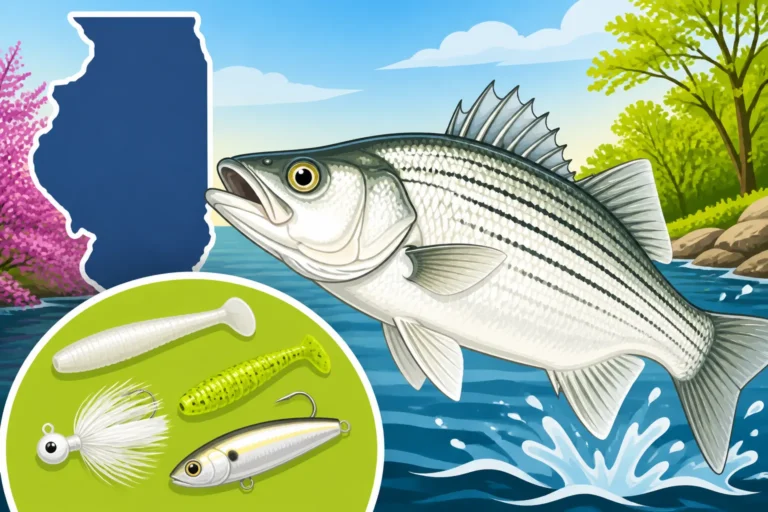
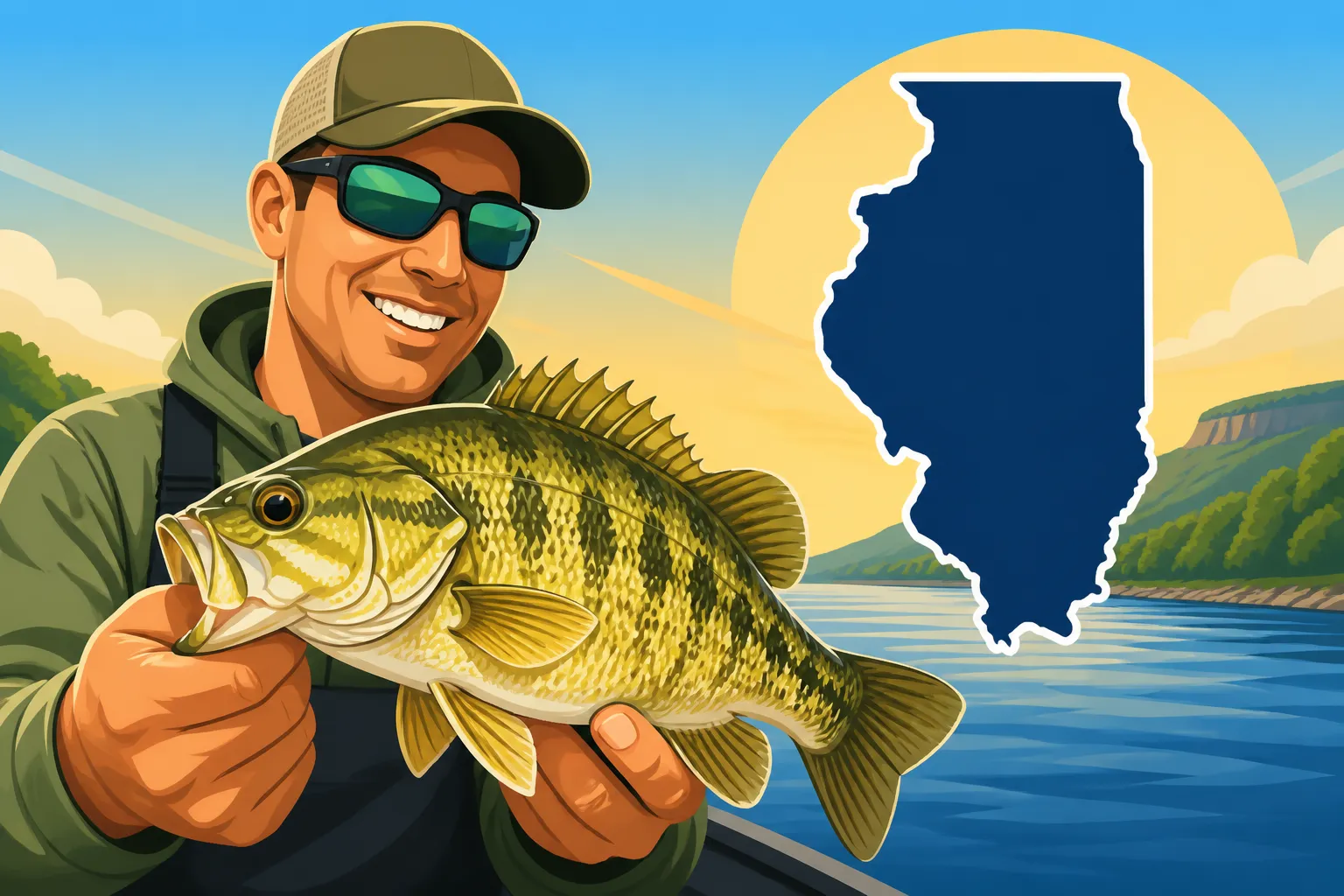
One of the most common frustrations for anglers on the Mississippi is telling the difference between the various "stripey" fish. Yellow bass, white bass, and even juvenile striped bass can look quite similar at a glance. Yellow bass, Morone mississippiensis, are typically smaller, usually topping out around 1 to 2 pounds, though you can find some respectable catches on the Mississippi. They have distinct, often broken, horizontal lines on their silvery-gold bodies, with the lower lines sometimes appearing interrupted or staggered. The key identifier is often their anal fin, which has three spines, with the second spine being noticeably longer than the third. Their body shape is also generally deeper and more compressed than a white bass.
White bass, Morone chrysops, tend to have unbroken, solid horizontal lines running the length of their body. They also have a slightly more streamlined body shape compared to the deeper yellow bass. If you look at their tongue, white bass typically have a small patch of teeth on the back of it, while yellow bass usually do not. When fishing the Mississippi, you'll often encounter both species, so it's good to know the distinctions, especially if you're keen on knowing exactly what you've hooked.
Here’s a quick comparison to help you identify them at the boat ramp:
| Feature | Yellow Bass | White Bass | Striped Bass (Juvenile) |
|---|---|---|---|
| Size | Smaller (1-2 lbs common) | Medium (2-4 lbs common) | Larger (can be much bigger, though juveniles found) |
| Body Shape | Deeper, more compressed | More streamlined, elongated | Very streamlined, torpedo-like |
| Stripes | Broken, staggered, especially lower lines | Solid, unbroken, distinct horizontal lines | Distinct, often broken, but fewer and more prominent than yellow bass |
| Anal Fin Spines | Second spine noticeably longer than third | Second and third spines more equal in length | Two distinct spines, usually shorter overall |
| Tongue Teeth | Usually absent | Small patch of teeth present | Two patches of teeth present |
Juvenile striped bass can occasionally be mistaken for white or yellow bass, especially in waters connected to Lake Michigan or where they might be stocked or migrate. However, true striped bass Morone saxatilis have a much more elongated, powerful body, and their stripes are typically bolder and often break up slightly near the tail, but not with the same "staggered" appearance as a yellow bass. Learning these subtle differences will make you a more confident angler, and you'll know exactly which species is giving you all that fun action.
Where Yellow Bass Thrive in Mississippi River Habitats
The Mississippi River is a dynamic system, constantly changing, and certain areas are absolute magnets for yellow bass. Unlike some species that prefer deep, open water or strong main channel currents, yellow bass love structure and areas where the current is broken. Think about the multitude of wing dams, riprap banks, current seams, and especially the calmer backwater areas and oxbow lakes connected to the main river. These spots offer them protection from the strongest currents and provide ambush points for feeding.
During periods of higher water or strong currents, yellow bass will retreat into these protected zones. Look for them in eddies behind islands, around submerged timber, under docks, and near the mouths of tributary creeks where they meet the main river. These areas often concentrate baitfish, which yellow bass actively pursue. Pay close attention to current breaks caused by bridge pilings, rock piles, or even subtle changes in bottom contour – anywhere baitfish might gather to escape the flow.
Backwater lakes and sloughs connected to the Mississippi are prime yellow bass habitat. These areas warm up faster in the spring and provide an abundance of forage and calmer waters, making them ideal nurseries and feeding grounds. As the river conditions change, so too will the precise locations of the yellow bass, but their preference for current breaks and sheltered, food-rich areas remains constant. Always remember that the Mississippi River system, from its Mississippi River Catfish: Why Southern Illinois Waters Produce So Many to its productive northern stretches, offers a variety of habitats, and understanding which ones appeal most to yellow bass is key.
The Behavior and Feeding Habits of Mississippi River Yellow Bass
Yellow bass are schooling fish, and that's fantastic news for anglers! When you find one, you're very likely to find many more. They are opportunistic feeders, meaning they'll eat a variety of small prey, including minnows, small shad, insect larvae, and crustaceans. Their schooling nature means they often gang up on baitfish, creating frenzies where multiple fish can be caught in quick succession. This makes them an excellent target for beginners and seasoned anglers alike, offering consistent action.
Their feeding behavior changes slightly with water temperature and current. In warmer water, they are more active and aggressive, chasing down schools of bait. In colder water, they might be more lethargic, holding tight to cover and requiring a slower, more deliberate presentation. Generally, they feed most actively during low light conditions – dawn and dusk – but can bite throughout the day, especially if there's good current or overcast skies. They're not particularly shy, and their competitive schooling nature often means they'll strike readily at a well-presented lure or bait. Understanding this behavior will directly influence your choice of bait and technique, making your time on the water much more productive.
Essential Gear and Techniques for Mississippi River Yellow Bass
You don't need a boatload of fancy, expensive equipment to catch yellow bass on the Mississippi. In fact, a simple, effective setup is often all it takes. The key is matching your gear to the size of the fish and the river conditions.
Rods, Reels, and Line Choices
For yellow bass, a light to medium-light spinning setup is absolutely perfect. A rod in the 6-foot to 7-foot range with a fast action tip will give you the sensitivity to detect those subtle bites and enough backbone to handle a feisty yellow bass in the current. Paired with a small spinning reel (2000-2500 series), you'll have a balanced setup that's comfortable to cast all day. You can find some excellent budget-friendly options on Amazon that are more than capable of handling these fun fish.
When it comes to line, 4 to 6-pound monofilament or fluorocarbon is usually ideal. Monofilament offers a good balance of castability and shock absorption, which can be useful when a yellow bass strikes hard. Fluorocarbon is less visible underwater and more sensitive, which can be an advantage in clear water or when bites are light. If you anticipate catching a lot of fish or fishing around abrasive structures like riprap, a thin diameter braided line (like 10-pound test, which has the diameter of 2-3 pound mono) with a fluorocarbon leader can offer increased sensitivity and abrasion resistance. Just remember, the goal is not heavy-duty gear, but rather something light enough to make those smaller fish feel exciting.
Lures and Baits That Yellow Bass Can't Resist
Yellow bass aren't particularly picky eaters, which is another reason they're so much fun. Small, flashy baits that imitate minnows or small crustaceans are usually the ticket. Here are some proven favorites:
- Small Jigs: Think 1/16 to 1/8 ounce jig heads tipped with small soft plastic bodies like grub tails, curly tails, or small swimbaits. Colors like white, chartreuse, pink, and motor oil are often very effective. The action of these jigs mimics a struggling baitfish, which is irresistible to hungry yellow bass.
- Inline Spinners: Brands like Mepps and Rooster Tail in sizes #0 to #2 are classic yellow bass producers. The spinning blade creates flash and vibration, drawing fish in from a distance. Silver, gold, and brass blades with a variety of feather or bucktail dressings work wonders. These are especially good for covering water and finding schools.
- Small Crankbaits: Tiny lipless crankbaits or shallow-diving crankbaits (1-2 inches) in baitfish patterns can be very effective, especially when yellow bass are actively chasing bait. Cast them out and retrieve steadily to imitate a fleeing minnow.
- Live Bait: If all else fails, or if you prefer a more relaxed approach, live bait is almost always a winner. Small minnows, shiners, or even pieces of nightcrawler fished under a bobber or on a simple split shot rig are deadly. This is especially effective in calmer backwater areas or when fish are less aggressive. Remember, the Best Bait for Yellow Bass During the Spring Run might differ slightly, but these basics will get you started any time.
Effective Fishing Techniques for River Currents
Fishing the Mississippi River means dealing with current, and adapting your techniques is crucial. You can't just cast out and expect your bait to stay put!
- Drifting Jigs or Live Bait: One of the most effective ways to target yellow bass in current is to let your bait drift naturally. Use just enough weight (a small split shot or a light jig head) to get your bait down to the desired depth, but not so much that it's dragging on the bottom. Cast upstream and let the current carry your bait through suspected holding areas like current seams or eddies. Keep your line taut enough to feel bites but loose enough for a natural presentation.
- Casting and Retrieving Spinners/Crankbaits: When using inline spinners or small crankbaits, cast them across or slightly upstream of current breaks. Use a steady retrieve that's fast enough to keep the lure working but slow enough to allow the current to impart some natural action. Focus your casts around visible structure like riprap, downed trees, or bridge pilings.
- Fishing Backwaters: In calmer backwaters, you can be a bit more versatile. A bobber and a live minnow or piece of worm can be incredibly effective, especially for kids. Casting small jigs or spinners around weed lines, submerged brush, or timber will also produce. These areas are fantastic because they often hold a mix of species, from crappie to bluegill and of course, yellow bass. Just remember that Mississippi River Backwaters for Largemouth Bass and Bluegill are also prime territory, so you might catch some bonus fish!
- Working Current Seams: These are the invisible lines where faster current meets slower water. Fish love to hold in the slower water, waiting for food to be swept by in the faster current. Position your boat (if you have one) or cast from the bank so you can present your bait right along these seams. Yellow bass will often stack up in these productive areas.
Timing Your Trip for Success
Knowing when to hit the water can make a huge difference in your yellow bass success on the Mississippi River. Like all fish, their activity levels are influenced by seasons, daily patterns, and environmental factors.
Best Seasons for Yellow Bass in Illinois Waters
While you can catch yellow bass year-round in the Mississippi, certain seasons offer more consistent action.
- Spring: This is arguably the prime time. As water temperatures begin to rise, yellow bass become incredibly active, moving into shallower backwater areas and feeding aggressively. The pre-spawn and spawn periods see them congregating in large schools, making them relatively easy to locate and catch. Look for them in areas that warm up first, like shallow bays, protected coves, and creek mouths. This is also when many other species become active, so you're in for a treat!
- Summer: Summer fishing can still be excellent, especially during early mornings and late evenings. During the heat of the day, yellow bass might move to deeper sections of backwaters, into the main river around deeper current breaks, or find shade under docks and overhanging trees. They'll still respond well to fast-moving lures. Don't be afraid to try night fishing in the summer, as many species become more active after dark when water temperatures cool.
- Fall: As water temperatures begin to drop, yellow bass will start to school up tightly again, feeding heavily in preparation for winter. This is another fantastic time for consistent action, often found in similar areas as spring, though they may hold slightly deeper as the season progresses. Look for them moving towards deeper holes near structure.
- Winter: Ice fishing for yellow bass on calmer backwater lakes connected to the Mississippi can be a lot of fun, though less common than targeting other panfish. In open water sections, they'll be slower, holding tight to deep cover or structure, but a slow-jigged minnow or tiny spoon can still entice bites. Just be sure to check ice conditions thoroughly if you venture out!
Daily Patterns and Prime Fishing Times
Yellow bass, being active predators, often follow a fairly predictable daily pattern, much like their larger cousins.
- Dawn and Dusk: These low-light periods are almost universally prime time for most fish species, and yellow bass are no exception. The reduced light gives them an advantage over their prey, and they often move into shallower areas to feed. If you can be on the water during these windows, you significantly increase your chances of success.
- Overcast Days: Heavily overcast or rainy days can extend the prime feeding window, making it feel like "dawn" all day. The reduced light penetration into the water encourages fish to stay active longer and in shallower areas than they would on a bright, sunny day.
- Stable Weather: While yellow bass are relatively hardy, stable weather patterns with consistent barometric pressure generally lead to more predictable and active feeding. Sudden cold fronts or major weather changes can often put fish down for a day or two. Remember that Illinois Fishing Season and Catch Limit Rules and other specific regulations apply regardless of the weather.
Understanding Environmental Factors
The Mississippi River is a living, breathing system, and understanding a few key environmental factors will greatly improve your yellow bass fishing.
- Water Temperature: This is perhaps the most critical factor. Yellow bass become more active and aggressive as water temperatures rise, typically hitting their stride when water is in the 50s and 60s Fahrenheit. In very cold or very hot water, their metabolism slows down, requiring different presentations.
- Water Level and Current: The Mississippi's water levels can fluctuate dramatically. High water can push fish into flooded vegetation or calm backwaters, while low water can concentrate them in main channels or deeper holes. Strong currents require heavier baits and different presentations to get your lure to the fish, whereas lighter currents allow for more delicate tactics. Always consult river gauges and local reports before you head out.
- Water Clarity: Yellow bass are visual predators, but they're not overly sensitive to stained water. However, extremely muddy conditions after heavy rains can reduce their feeding activity and make it harder for them to see your bait. In such conditions, focus on areas where the water might be clearer, such as protected coves or tributary mouths, and use lures with more vibration and brighter colors.
Navigating the Mississippi River for Yellow Bass Hotspots
The Mississippi River is massive, stretching hundreds of miles along Illinois' western border. Knowing how to pick your spots and access the water safely is just as important as your gear and techniques.
Identifying Productive River Sections and Backwaters
The Mississippi River along Illinois is roughly divided into several navigation pools, formed by locks and dams. These pools each have unique characteristics. Generally, the lower sections of the pools, closer to the dams, tend to have more current and diverse habitats, while the upper sections might resemble more of a flooded lake with extensive backwaters.
- Wing Dams and Riprap: These structures are everywhere on the Mississippi and are goldmines for yellow bass. Wing dams are designed to direct current, creating eddies and slack water on their downstream side. Yellow bass often stack up in these eddies. Riprap banks, designed to prevent erosion, offer excellent cover and attract baitfish. Focus your efforts on the seams where the current meets the riprap.
- Backwater Lakes and Sloughs: These calmer, often shallower areas are connected to the main river channel but are protected from its direct flow. They are vital habitats and can be incredibly productive for yellow bass, especially during spring and fall. Look for submerged timber, brush piles, and weed lines within these backwaters. Some of the best Mississippi River Walleye and Sauger Fishing: Illinois' Northern Stretch Explained also overlaps with great yellow bass territory in these backwater areas.
- Tributary Mouths: Creeks and smaller rivers flowing into the Mississippi often carry nutrients and baitfish, creating a buffet line for yellow bass. The calmer water and food concentration at these junctions make them prime fishing spots.
- Main Channel Borders: While yellow bass prefer less current, they will sometimes hold along the edges of the main channel, especially where there's a drop-off or some sort of current break. This is particularly true during summer when they seek cooler, deeper water.
Access Points and Boating Considerations
Accessing the Mississippi River can be done by boat or from the bank, depending on your chosen spot.
- Boat Ramps: There are numerous public boat ramps along the Illinois side of the Mississippi River, often located at state parks, conservation areas, or municipal parks in towns like Quincy, Alton, or Rock Island. Before you launch, make sure your boat is properly registered, as Illinois Boat Registration Requirements Explained are strictly enforced. Having a good boat, like those considered among the Best Fishing Boats for Illinois Rivers, will allow you to explore more territory.
- Bank Fishing: Many parks and conservation areas offer excellent bank fishing access, particularly around bridge abutments, riprap banks, and accessible backwater areas. While your mobility is limited, these spots can be highly productive, especially during feeding frenzies. Just be mindful of your surroundings and any private property.
- Navigational Challenges: The Mississippi is a working river with commercial barge traffic. Always be aware of your surroundings, understand navigational markers (buoys and dayboards), and give commercial vessels a wide berth. The current can be deceptively strong, and sandbars or submerged hazards can shift. Always wear a life jacket and let someone know your float plan.
Safety First on the Big River
Fishing on the Mississippi River, while incredibly rewarding, demands respect and a strong emphasis on safety. It's a powerful waterway that can change conditions rapidly.
- Life Jackets: This isn't just a suggestion; it's often a legal requirement and always a smart choice. Have properly fitting life jackets for everyone on board, and ensure children are wearing theirs at all times when the boat is underway.
- Weather Awareness: Keep a close eye on weather forecasts. Storms can blow up quickly on the river, bringing high winds, heavy rain, and dangerous lightning. Be prepared to seek shelter or get off the water if conditions deteriorate.
- Know Your Limits: Don't venture into unfamiliar or overly challenging waters alone. If you're new to river fishing, consider going with an experienced friend or hiring a local guide to learn the ropes. The river demands attention and respect, and being prepared means having the right safety gear onboard. Many anglers find convenient safety equipment and boat supplies on Amazon.
- Fishing Regulations: Always have a current Illinois Fishing License Guide for 2026 and be familiar with the Illinois Fishing Regulations Overview, including any specific rules for boundary waters like the Mississippi River. Reciprocity agreements exist with neighboring states like Missouri, so check Illinois Fishing License Reciprocity With Missouri if you plan to fish near state lines. Knowing the daily limits and size restrictions for all species will help ensure a sustainable and legal fishing trip.
By taking the time to understand yellow bass, equip yourself properly, time your trips wisely, and prioritize safety, you'll find that the Illinois portion of the Mississippi River offers some truly fantastic and action-packed yellow bass fishing. Happy fishing!
Disclaimer
This article is for general informational purposes only and does not constitute professional advice. Laws, prices and regulations vary by location and change over time. Consult a qualified professional for guidance on your specific situation.