Best Bait for Sauger in Cold Water
It's frustrating when the weather turns cold, and suddenly, those active sauger you were catching seem to disappear or become incredibly finicky. Many anglers in Illinois struggle to adapt their techniques and bait choices as water temperatures drop, leading to unproductive outings and chilled fingers. This comprehensive guide is here to demystify cold water sauger fishing, focusing on the best baits and strategies to keep you reeling them in, even when the thermometer dips.
Understanding Sauger Behavior in Cold Water
Sauger are fascinating fish, closely related to walleye, but with some distinct preferences and behaviors, especially when the water gets cold. Unlike some species that become entirely dormant, sauger often remain active feeders in colder conditions, but their metabolism slows down significantly. This means they're less likely to chase a fast-moving bait, and their strike zone shrinks. Understanding these changes is crucial for successful cold water angling.
Metabolism Slows Down, Strikes Become Subtler
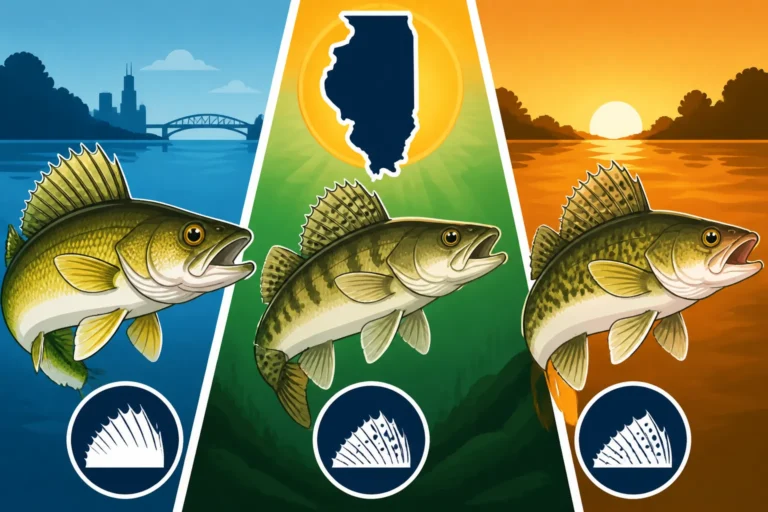
When the water temperature plummets, a sauger's metabolic rate drops right along with it. Think of it like us trying to run a marathon in freezing temperatures – we'd move slower, conserve energy, and probably wouldn't chase after a hot dog vendor quite as enthusiastically. Sauger are the same way. They're still looking for food, but they're not expending much energy to get it. This often translates into very subtle bites, sometimes feeling like nothing more than a slight "tick" on your line, or even just added weight. You really have to pay attention! This is also why many anglers confuse them with their larger cousins; learning How to Tell a Walleye From a Sauger? can sometimes help understand which fish you're targeting.
Furthermore, their strike zone, which is the area around them where they're willing to strike a lure, becomes much smaller. Instead of aggressively pursuing a bait from several feet away, they might only react to something presented directly in front of their face. This means your presentation needs to be incredibly precise and often much slower. You're trying to appeal to a fish that's conserving energy, not one that's looking for a high-speed chase.
Where Sauger Hold in Cold Water
Another key aspect of cold water sauger fishing is knowing where to find them. As temperatures fall, sauger tend to gravitate towards deeper, more stable water. In rivers like the Mississippi or Illinois, this often means deeper main channel areas, current breaks, or the downstream side of wing dams and scour holes. They seek out spots where the current is present enough to bring food, but not so strong that they have to fight against it constantly.
Look for areas with sharp depth changes, underwater humps, or structural elements that create natural holding areas. The bottom composition also plays a role; sauger often prefer hard bottoms, like rock or gravel, over soft mud. During this time of year, they're often found hugging the bottom, sometimes in loose schools. Understanding their preferred cold-water haunts is just as important as choosing the right bait, as even the perfect bait won't work if it's not where the fish are. Many of these areas are highlighted in a good Illinois River Fishing Guide or when scouting spots along the Mississippi.
Top Baits for Cold Water Sauger
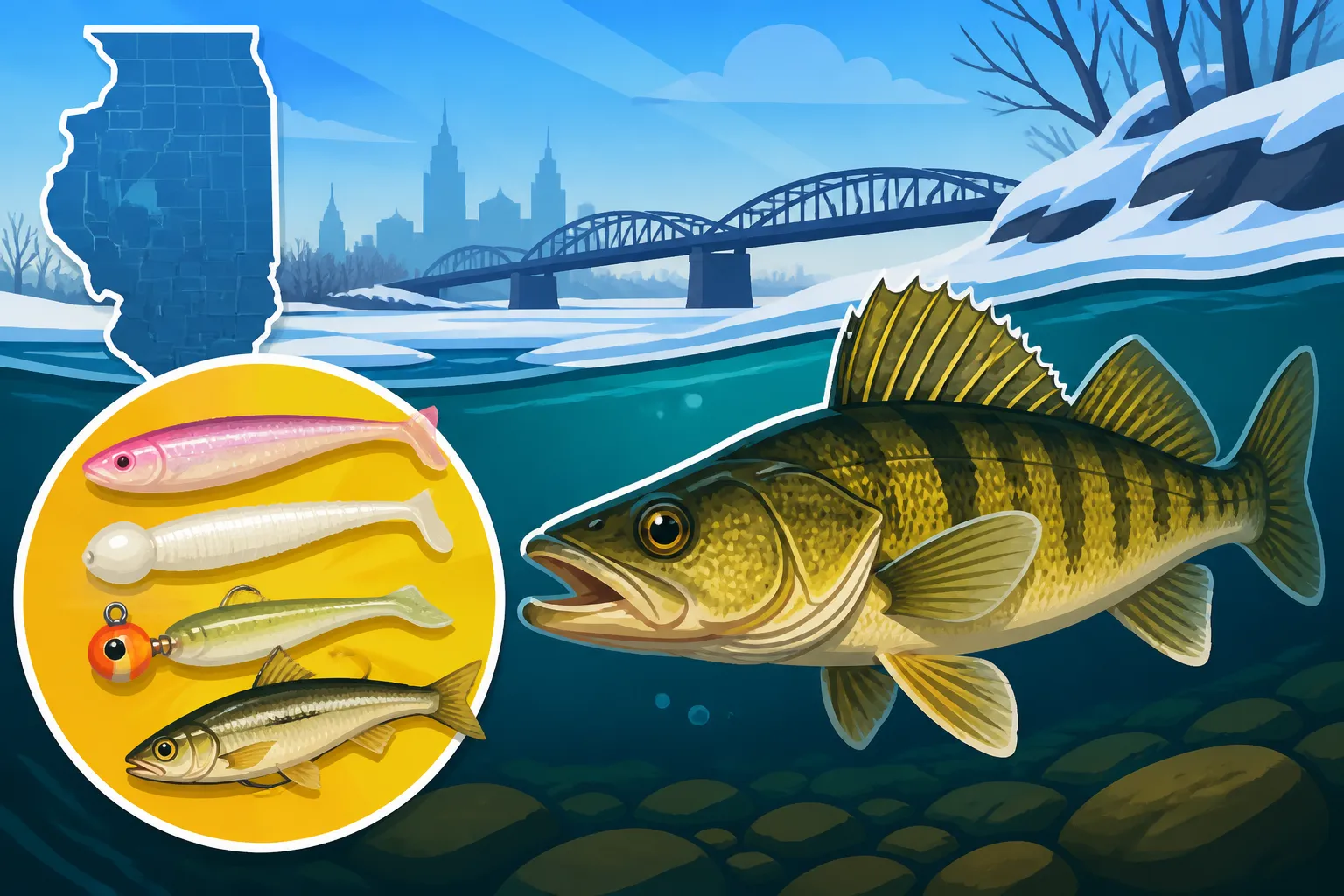
Now that we understand a bit about how sauger behave in cold water, let's talk about what they actually want to eat. The general rule of thumb for cold water is "smaller, slower, and natural." While there are always exceptions, baits that mimic their natural prey and can be presented slowly and subtly tend to perform best.
Live Bait: Minnows and Nightcrawlers
When it comes to cold water sauger, it's hard to beat live bait. The natural movement and scent are often irresistible to sluggish fish.
Small Minnows (Shiners, Fatheads, Chubs)
Small minnows, like shiners, fatheads, or small chubs, are hands-down one of the most effective baits for cold water sauger. The key is small. Sauger in cold water are not looking for a huge meal; they want something easy to swallow with minimal effort. A 2 to 3-inch minnow is often perfect. You can rig them in several ways: on a plain jig head, a three-way rig, or a drop-shot rig. The goal is to keep the minnow alive and wiggling as naturally as possible right in the sauger's face.
When using minnows, consider a slow, deliberate retrieve or simply letting the current do the work. A common setup involves a plain lead head jig (1/8 to 1/2 oz, depending on current and depth) tipped with a lively minnow. Drop it to the bottom, give it a subtle lift and drop, and let it sit for a few seconds. The minnow's natural struggles are often enough to entice a bite. You'll find that having a good supply of lively minnows makes all the difference, so make sure your bait bucket is well-aerated.
Half Nightcrawlers
While minnows might be king, a section of a nightcrawler can also be incredibly effective, especially if minnows are hard to come by or if you're targeting a mix of sauger and other bottom-dwelling fish. The scent trail a nightcrawler creates in the water can be a powerful attractant for cold-blooded fish whose sense of smell is still very much active.
Similar to minnows, you'll want to present nightcrawlers slowly and close to the bottom. A simple jig head, a snell rig with a walking sinker, or even a slip-bobber rig can work in calmer areas. Hook the nightcrawler once or twice through the body to ensure it stays on but can still wriggle. This natural presentation, combined with the potent scent, often triggers investigative bites from sauger that might ignore artificial offerings. Just be prepared for other species like catfish or even walleye, as Best Bait for Channel Catfish From the Bank often includes nightcrawlers too.
Artificial Lures: Jigs and Blade Baits
While live bait often reigns supreme, artificial lures have their place, especially when you need to cover water more efficiently or when live bait isn't practical. The trick is to choose lures that can be worked slowly and have a subtle action.
Lead Head Jigs with Soft Plastics
This is arguably the most versatile artificial bait for cold water sauger. A lead head jig, typically 1/8 to 1/2 ounce depending on current and depth, paired with a small soft plastic, is a deadly combination. Think small paddle tail grubs, curly tail grubs, or even soft plastic minnow imitations, usually in the 2- to 4-inch range. The colors that tend to work well in colder, often clearer water are natural tones like white, chartreuse, motor oil, or even black.
The key to success with jigs is the retrieve. It needs to be painfully slow. A subtle lift and drop, or a slow drag along the bottom, mimicking a struggling baitfish, is often all it takes. Let it pause, let it sit, then lift again. The goal is to keep it in the strike zone for as long as possible. You can find a vast array of jig heads and soft plastics on Amazon, allowing you to experiment with different sizes, colors, and actions until you find what the sauger are hitting that day. This technique is also a staple for walleye, so if you're looking to broaden your jigging skills, consider exploring How to Jig for Walleye.
Blade Baits
Blade baits are another excellent choice for cold water sauger, particularly in river systems like the Mississippi or Illinois River where current is a factor. These lures are compact, heavy for their size, and produce a strong vibration when lifted, then flutter enticingly on the fall. They are exceptional at triggering reaction strikes from lethargic fish.
The most effective way to fish a blade bait for sauger is through a "lift and drop" retrieve. Drop the bait to the bottom, lift your rod tip sharply a foot or two, then immediately drop it back down, allowing the bait to flutter back to the bottom on a semi-slack line. Most strikes will occur on the fall. It's crucial to feel for that subtle "thump" or simply the absence of tension when the bait should be falling. Common blade bait colors include chrome, gold, or more natural shad patterns. They are very efficient at reaching deep water where Illinois Sauger Fishing on the Mississippi River is popular.
Spoon Lures for Vertical Jigging
Spoon lures, particularly slender, heavier models designed for vertical jigging, can be surprisingly effective for cold water sauger. These aren't your typical casting spoons; instead, they are meant to be fished directly below the boat, jigged up and down.
Small, Fluttering Spoons
Look for spoons in the 1/4 to 1/2 ounce range that have a good fluttering action on the fall. Silver, gold, or even holographic finishes often work best. The technique is similar to blade baits: drop the spoon to the bottom, then make a sharp lift of about a foot or two, allowing the spoon to flutter back down. Again, the strike often comes as the bait falls. The flash and irregular movement can imitate a stunned or dying baitfish, which is an easy target for a sauger that doesn't want to expend much energy.
Spoons are particularly good when you've located a school of fish on your fish finder and can position your boat directly over them. The aggressive, yet controlled, action can entice strikes even when sauger are tightly schooled and reluctant to move for horizontal presentations. Always keep a sharp eye on your line for any hesitation or subtle movement, as those are often the only indication of a bite.
Techniques for Presenting Cold Water Sauger Baits
Having the right bait is only half the battle; knowing how to present it effectively in cold water is the other. Slow and precise are the keywords when sauger fishing in chilly conditions.
Slow Drifting and Vertical Jigging
When targeting cold water sauger, slow is the name of the game. Rapid retrieves or presentations that move the bait quickly out of the strike zone will simply not yield results.
Controlled Drifting with Current
In river systems, controlled drifting is often a highly effective technique. Use your boat's trolling motor or drift socks to slow your drift, keeping it just slightly faster than the current. This allows your bait to be presented naturally with the flow, while still giving you control to stay over promising structure like deep holes, current seams, or the downstream side of wing dams. Many anglers find the Mississippi River's currents perfect for this approach, especially in the areas covered by Mississippi River Walleye and Sauger: Illinois' Northern Stretch Explained.
With live bait, a three-way rig or a simple bottom-bouncing rig is ideal for drifting. For artificials like jigs and blade baits, let them bounce and drag along the bottom. The slower the drift, the longer your bait stays in the sauger's small strike zone, increasing your chances of a bite. Pay close attention to your line and rod tip; bites can be incredibly subtle.
Precision Vertical Jigging
When sauger are schooled tightly or holding in specific, small areas, vertical jigging is paramount. This technique involves positioning your boat directly over the fish and dropping your bait straight down. Whether you're using a jig with plastic, a blade bait, or a spoon, the idea is to keep it constantly in the fish's face.
Use your fish finder to pinpoint schools of sauger. Once you're over them, drop your bait to the bottom, then make those subtle lifts and drops, always returning the bait to the bottom or just a few inches above it. This methodical, repetitive action is often what it takes to coax a strike from cold-water sauger. It's a technique that demands focus and patience, but it's often the most rewarding when fish are concentrated.
Rod and Line Setup for Sensitivity
Cold water sauger bites are notorious for being light and difficult to detect. Your gear setup needs to prioritize sensitivity to ensure you don't miss those subtle takes.
Sensitive Rods and Light Line
A medium-light to medium power spinning rod, typically 6'6" to 7' in length, with a fast or extra-fast action, is ideal. The fast tip allows you to feel those faint taps, while the backbone provides enough power for hook sets. Pair this with a lightweight spinning reel spooled with sensitive line.
Many experienced sauger anglers prefer braided line, often 6 to 10 lb test, for its zero stretch and incredible sensitivity. However, braid can be more visible in clear water, so it's wise to tie on a 3 to 6-foot fluorocarbon leader (6-10 lb test) using a small swivel or a reliable knot like the Double Uni knot. Fluorocarbon is nearly invisible underwater and has excellent abrasion resistance against rocks and zebra mussels often found in sauger habitats. For those interested in general fishing setups, Best Rods and Reels for Illinois Anglers might provide more context for selecting the right gear.
| Bait Type | Best Conditions | Retrieve Style | Key Advantage |
|---|---|---|---|
| Live Minnows | All cold water | Slow drift, subtle jig | Natural scent & action, irresistible to sluggish fish |
| Half Nightcrawlers | Slow current, calmer pools | Slow drag, sit & wait | Potent scent trail, good for mixed bags |
| Jigs w/ Plastic | All cold water | Slow lift & drop, bottom drag | Versatile, mimics baitfish, good for covering water |
| Blade Baits | Moderate to strong current | Sharp lift & flutter fall | Strong vibration, triggers reaction strikes |
| Flutter Spoons | Vertical jigging, over schools | Sharp lift & flutter fall | Flashy, erratic action for reaction bites |
Essential Tips for Cold Water Sauger Success
Beyond baits and techniques, a few extra considerations can significantly improve your chances of success and make your cold water fishing trips more enjoyable. Always remember to check the Illinois Fishing Regulations Overview before heading out, as rules can change.
Timing is Everything
Even in cold water, certain times of day can be more productive for sauger. Generally, periods of low light—dawn, dusk, and overcast days—tend to be best. Sauger have excellent low-light vision, which gives them an advantage over their prey during these times. On sunny days, they might retreat to deeper, darker water.
In terms of seasonal timing, late fall through early spring, when water temperatures are consistently cold (roughly 35-45 degrees Fahrenheit), is prime sauger season in Illinois. This is often the time when they congregate in their wintering holes, making them more predictable to locate. Don't forget that Illinois Walleye Fishing Season on the Mississippi River often overlaps with prime sauger time, offering a chance for a mixed bag!
Safety First in Cold Weather
Fishing in cold weather, especially on the water, comes with inherent risks. Safety should always be your top priority.
Dress Warmly and in Layers
Hypothermia is a real danger. Dress in multiple layers, starting with a moisture-wicking base layer, insulating middle layers (fleece or down), and a waterproof/windproof outer shell. Don't forget a warm hat, gloves, and waterproof boots. Hand warmers can be a lifesaver. You can find excellent quality base layers and waterproof gloves on Amazon, making your time on the water much more comfortable.
Be Aware of Ice and Water Conditions
Always be mindful of water conditions. If you're on a boat, ensure all your safety gear is in working order, including life jackets for everyone on board. The water is dangerously cold, and an accidental fall overboard can be life-threatening. If you're bank fishing, be cautious of slippery banks and potential ice. No fish is worth risking your life. For general safety information, looking into Illinois Boater Education Card Requirements or just general safe boating practices is always a good idea.
Patience and Persistence Pay Off
Cold water sauger fishing isn't always fast and furious. It often requires a lot of patience, subtle adjustments, and persistence. You might spend hours without a bite, only to have a short window of intense action. Don't get discouraged if the bites are slow. Keep experimenting with your presentation, retrieve speed, and even bait colors. A slight change can sometimes unlock the bite.
Learning the nuances of sauger behavior in different conditions takes time and dedication. Each trip is a learning experience, helping you understand the subtle cues that lead to success. The reward of catching a feisty cold-water sauger is well worth the effort and the wait. Getting your Illinois Fishing License Guide for 2026 ready is the first step to enjoying these chilly, but rewarding, fishing adventures.
Disclaimer
This article is for general informational purposes only and does not constitute professional advice. Laws, prices and regulations vary by location and change over time. Consult a qualified professional for guidance on your specific situation.