What Is a Hybrid Sunfish and How Do You Catch One?
Ever stared into a pond, convinced you just saw the biggest bluegill of your life, only to pull it out and think, "Wait a minute, what is this thing?" You're not alone! Many anglers, especially those new to the panfish world, encounter fish that don't quite fit the mold of a classic bluegill or sunfish. This guide is here to unravel the mystery of the hybrid sunfish, showing you exactly what these unique catches are, where you can find them across Illinois, and the best ways to entice them onto your hook.
Understanding Hybrid Sunfish: Nature's Little Mix-Ups
Hybrid sunfish are truly fascinating, a testament to how nature, sometimes with a little human help, can create something new and often quite special in the angling world. They’re like the unexpected bonus prize in a box of cracker jacks – not quite what you expected, but a pleasant surprise nonetheless!
What Exactly Is a Hybrid Sunfish?
At its heart, a hybrid sunfish is, as the name suggests, a cross between two different species of sunfish. Most commonly in Illinois, you’ll find hybrids resulting from a bluegill breeding with a green sunfish. Think of it like cross-breeding dogs: you get a "designer" mix that often inherits some of the best traits from both parents. These aren't an entirely separate species; rather, they're the offspring of a "mixed marriage" between two distinct, but closely related, panfish.
The magic of these hybrids lies in their biology. Often, hybrid sunfish are sterile, meaning they can't reproduce themselves. This characteristic makes them incredibly popular in stocked ponds and managed fisheries. Since they can't overpopulate a body of water (a common problem with fast-breeding bluegill), they tend to put all their energy into growing bigger and faster. This translates into more chunky, feisty fish for anglers to enjoy, without the worry of having too many small, stunted fish dominating the ecosystem. It's a win-win for pond managers and anyone looking to catch a good-sized panfish!
How to Identify a Hybrid Sunfish
Distinguishing a hybrid sunfish from its parent species can sometimes feel like a game of "spot the difference," but once you know what to look for, it gets easier. It’s not always perfectly clear-cut, as they can exhibit a range of traits from both sides of the family tree, but there are some tell-tale signs. You're looking for a blend of features, not just one definitive mark.
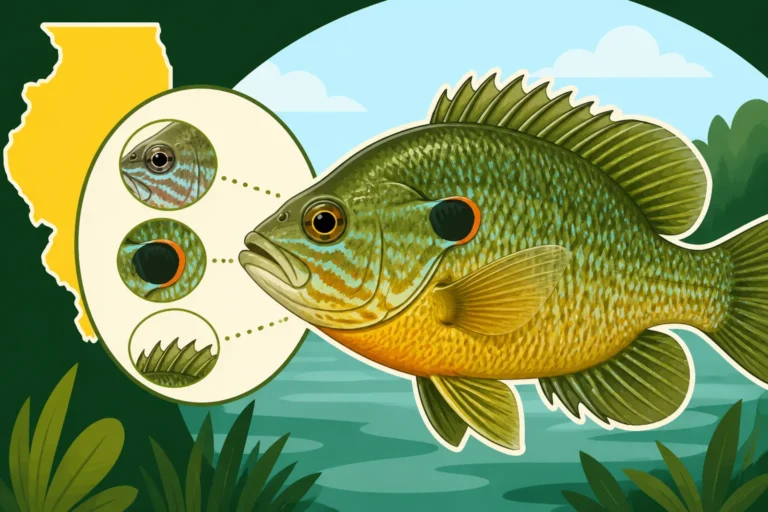
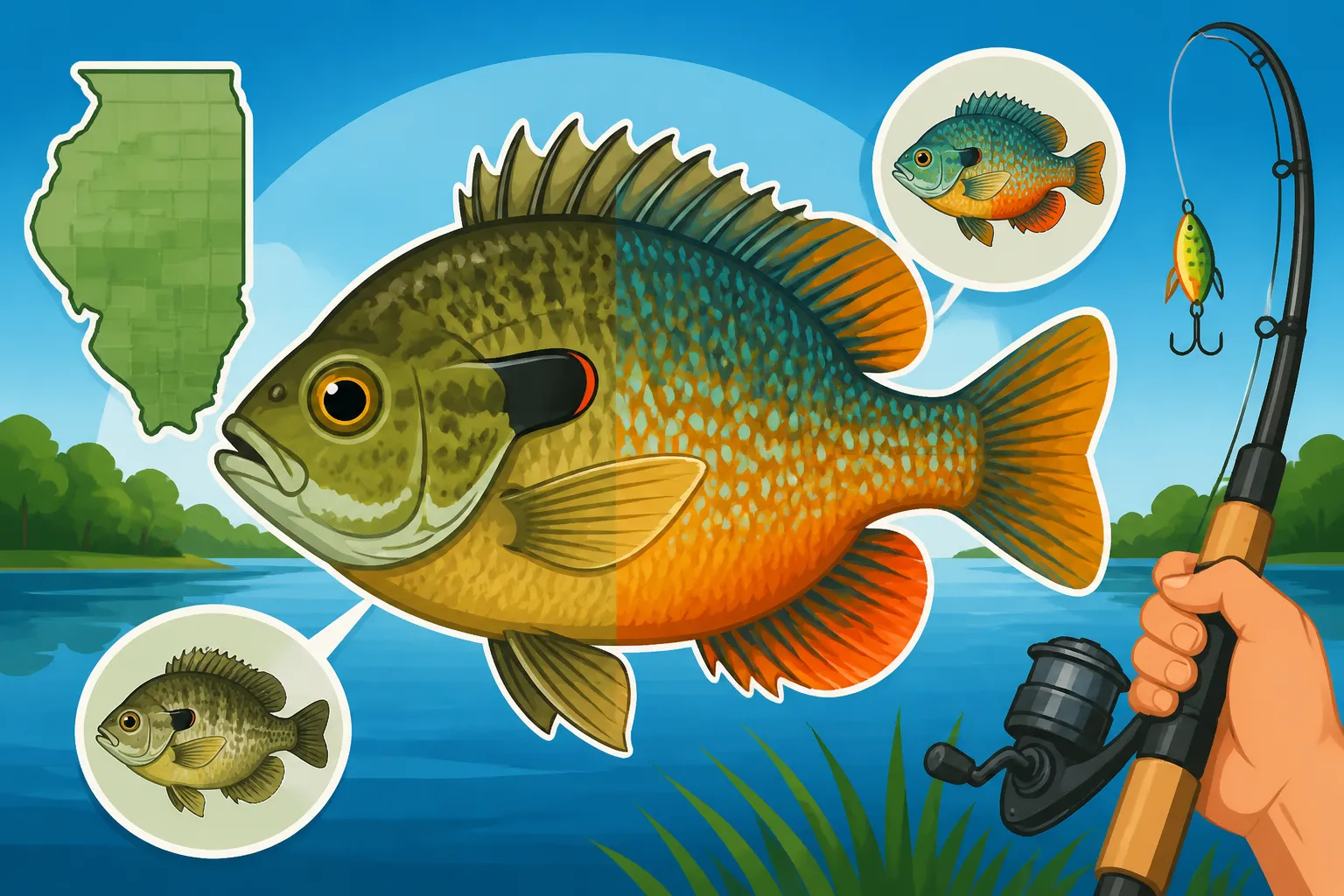
First, take a look at the ear flap, that little extension on the gill cover. A pure bluegill will have a completely black ear flap. A green sunfish, on the other hand, will often have a black ear flap bordered with a bright red or orange margin. A hybrid sunfish will usually show a black ear flap with a lighter, often yellowish or whitish, margin – a sort of muted version of the green sunfish's vibrant border. Another key area is the mouth. Green sunfish are known for their relatively large mouths, capable of swallowing surprisingly big prey, while bluegills have smaller, daintier mouths. Hybrids typically fall somewhere in the middle, sporting a mouth that’s noticeably larger than a bluegill’s but perhaps not quite as cavernous as a full-blooded green sunfish. This hybrid trait can often make them more aggressive feeders, which is good news for you!
Consider the body shape and coloration too. Bluegills are generally rounder and flatter, with distinct vertical bars and sometimes a bright orange belly, especially the males. Green sunfish are a bit more elongated and robust, often with iridescent green-blue spots on their sides. A hybrid might have the roundness of a bluegill but with some of those green sunfish markings, or perhaps a more mottled appearance that doesn't quite match either parent perfectly. It’s like they picked and chose their favorite characteristics from both sides. When trying to figure it out, comparing your catch to pictures of a Green Sunfish: A Common Backwater Catch in Illinois and a standard bluegill side-by-side can really help you pinpoint those mixed features. You can often see a subtle shimmer of blue or green scales amidst a more typical sunfish body.
Where to Find Hybrid Sunfish in Illinois Waters
One of the great things about hybrid sunfish is their adaptability. While they aren't native in the same way bluegill or green sunfish are, they've found their niche in many of Illinois's diverse waterways. Knowing where to look can make all the difference in your quest to catch a few of these feisty panfish.
Stocked Ponds and Urban Lakes
If you're looking for a reliable spot to target hybrid sunfish, your best bet is often in publicly accessible stocked ponds and smaller urban lakes. These are frequently managed by park districts, forest preserves, or the Illinois Department of Natural Resources (IDNR) precisely for recreational fishing. Because hybrids don't reproduce effectively, they make excellent candidates for "put-and-take" fisheries where the goal is simply to grow big, catchable fish for anglers to enjoy.
You'll find them in places like local community park ponds, suburban retention ponds, and even smaller state park lakes that are actively managed. These waters are typically easy to access, often with good bank fishing opportunities and amenities like picnic areas, making them perfect for a family fishing outing. These ponds provide a consistent food source and minimal predation, allowing the hybrids to pack on the pounds. If you're looking for specifics, many anglers have reported great success in Hybrid Sunfish Stocked Ponds Worth Trying across Illinois, often in areas easily accessible from larger towns and cities. They thrive in these controlled environments, often reaching impressive sizes compared to their purebred cousins.
Natural Occurrence in Rivers and Backwaters
While stocked ponds are your most reliable bet, hybrid sunfish can also show up in natural river systems and their associated backwaters. This is less common, but it does happen when bluegill and green sunfish populations overlap and interbreed in the wild. Rivers like the Illinois River, Kankakee River, and even parts of the Mississippi River, with their numerous sloughs, oxbows, and slower-moving sections, can provide the right conditions for this natural hybridization to occur.
In these natural settings, you're more likely to find them near cover, just like their parent species. Look for fallen timber, weed beds, lily pads, or rip-rap shorelines in slow-moving or stagnant water. The backwater areas of larger rivers, like the Mississippi River Backwaters for Largemouth Bass and Bluegill, are prime examples of where you might stumble upon a naturally occurring hybrid. These areas provide the diverse habitat and food sources that allow both bluegill and green sunfish to coexist, leading to the occasional hybrid offspring. While less predictable than stocked ponds, catching a hybrid in a natural river setting can feel like a truly special reward for your persistence!
Effective Techniques for Catching Hybrid Sunfish
Now that you know what hybrid sunfish are and where they like to hang out, let's talk about getting them on the line. The good news is, you don't need highly specialized gear or complicated tactics. These fish, like most panfish, are pretty eager eaters, making them incredibly fun targets for anglers of all skill levels.
Simple Gear for Consistent Success
One of the beauties of fishing for hybrid sunfish is that your existing panfish gear is probably perfect. You don't need to break the bank on fancy equipment. A simple, lightweight setup is not just sufficient, it’s actually ideal because it allows you to feel every nibble and truly enjoy the fight from these surprisingly strong fish.
I’d recommend an ultralight or light action spinning rod, typically in the 5 to 6.5-foot range. Pair that with a small spinning reel spooled with 2 to 6-pound test monofilament or fluorocarbon line. This light line is crucial; it’s less visible to the fish and allows your bait or lure to present naturally. For hooks, size 8 or 10 Aberdeen or baitholder hooks are perfect – small enough to fit in their mouths but strong enough to hold a feisty hybrid. A few split shot weights, small bobbers (either fixed or slip bobbers depending on depth), and a pair of small pliers for hook removal round out your essential tackle. You can often find fantastic, affordable options for a Best Beginner Bluegill Fishing Setup or even a Best Panfish Setup for Kids that would work perfectly for hybrids on platforms like Amazon. Just search for "ultralight fishing combo" or "panfish tackle kit" and you'll be set without spending a fortune.
Best Baits and Lures for Hybrid Sunfish
Hybrid sunfish are generally not picky eaters, which is another reason they're such a joy to pursue. They'll readily strike at a wide variety of natural baits and small artificial lures. The key is often presentation and making sure your offering isn't too large for their mouths.
For natural baits, it's hard to beat the classics. A small piece of a nightcrawler or red worm is almost always a winner. Thread a small section onto your hook, leaving the ends dangling for maximum appeal. Wax worms, mealworms, or even crickets are also excellent choices, especially when fished under a small bobber. Corn kernels, bread balls, or even small pieces of hot dog can sometimes entice them, especially in heavily fished public ponds. If you're looking for tips on how to present these effectively, a guide like How to Rig a Wax Worm Under a Bobber for Bluegill offers some fantastic advice that applies perfectly to hybrids.
When it comes to artificial lures, think small and flashy. Tiny jigs (1/32 to 1/16 ounce) tipped with a small plastic grub, tube, or a minnow imitation are incredibly effective. Colors like chartreuse, white, pink, or black are often good starting points. Small spinners (like a Rooster Tail or Mepps Aglia in size 0 or 1) can also provoke aggressive strikes, especially when retrieved slowly near cover. The flash and vibration can really grab their attention. Don't be afraid to experiment with different colors and retrieve speeds until you find what they're biting on that day.
Fishing Strategies and Tips
Catching hybrid sunfish successfully often comes down to a few simple strategies. They are panfish, after all, and tend to behave similarly to their bluegill and green sunfish parents.
Time of Day: Like most panfish, hybrids are often most active during the early morning and late evening hours, when the sun isn't as harsh and they feel more comfortable feeding in shallower waters. However, on overcast days or in heavily shaded areas, they can bite all day long.
Locating Fish: Hybrids, like other sunfish, are highly structure-oriented. Look for them near any kind of cover: submerged logs, fallen trees, weed lines, lily pads, docks, bridge pilings, or rip-rap. These spots provide both ambush points for feeding and protection from larger predators. If you're fishing a pond, pay attention to points, coves, and areas where there's a drop-off. Start by fishing the edges of this cover and gradually work your way closer.
Presentation is Key: Whether you're using bait or a tiny lure, a slow, natural presentation is usually best. If using a bobber, let your bait sit still for a moment, then give it a slight twitch. If using a jig or spinner, a slow, steady retrieve with occasional pauses can be very effective. Sometimes, a subtle lift-and-drop motion near the bottom will get their attention. Since these are generally considered one of the Easiest Fish to Catch for Beginners, don't overthink it too much. Just cast near cover, be patient, and watch that bobber! They’re often quite aggressive, so you’ll know when they hit.
Table: Hybrid Sunfish vs. Parent Species Comparison
Here's a quick reference table to help you identify hybrid sunfish based on their common parent species:
| Feature | Bluegill (Parent 1) | Green Sunfish (Parent 2) | Hybrid Sunfish (Offspring) |
|---|---|---|---|
| Ear Flap | Solid black | Black with red/orange margin | Black with faint white/yellow margin |
| Mouth Size | Small, petite | Large, extends past eye | Medium, larger than bluegill |
| Body Shape | Deep, round, flattened | More elongated, robust | Variable, often deeper than green, but not as flat as bluegill |
| Coloration | Olive green to dark blue, vertical bars, orange belly (males) | Olive green, irregular blue spots, light yellow belly | Mottled, blend of parent colors, sometimes duller vertical bars |
| Aggressiveness | Moderate | High | High, often more aggressive than bluegill |
| Growth Rate | Moderate | Moderate | Faster, often larger |
Hybrid sunfish are a blast to catch, offering plenty of action and often a surprisingly strong fight for their size. Whether you're introducing a child to fishing or just enjoying a relaxing afternoon on the water, targeting these unique panfish is a rewarding experience. They truly embody the spirit of fun, accessible fishing that all Illinois Panfish Species: Bluegill, Crappie and Sunfish Explained provide!
Disclaimer
This article is for general informational purposes only and does not constitute professional advice. Laws, prices and regulations vary by location and change over time. Consult a qualified professional for guidance on your specific situation.