Illinois’s Big Three Catfish Lakes Compared
So, you're an angler in Illinois, and you've heard the legends about the state's "Big Three" catfish lakes. You're dreaming of bent rods and trophy whiskers, but the big question is, which lake truly offers the best shot at your next personal best, and which one aligns with your fishing style and target species? It can be overwhelming trying to choose between Rend Lake, Lake Shelbyville, and Carlyle Lake, each boasting its own reputation. This comprehensive guide is here to cut through the noise, comparing these legendary waters side-by-side so you can plan your ultimate Illinois catfish adventure with confidence.
Understanding Illinois's Big Three Catfish Lakes
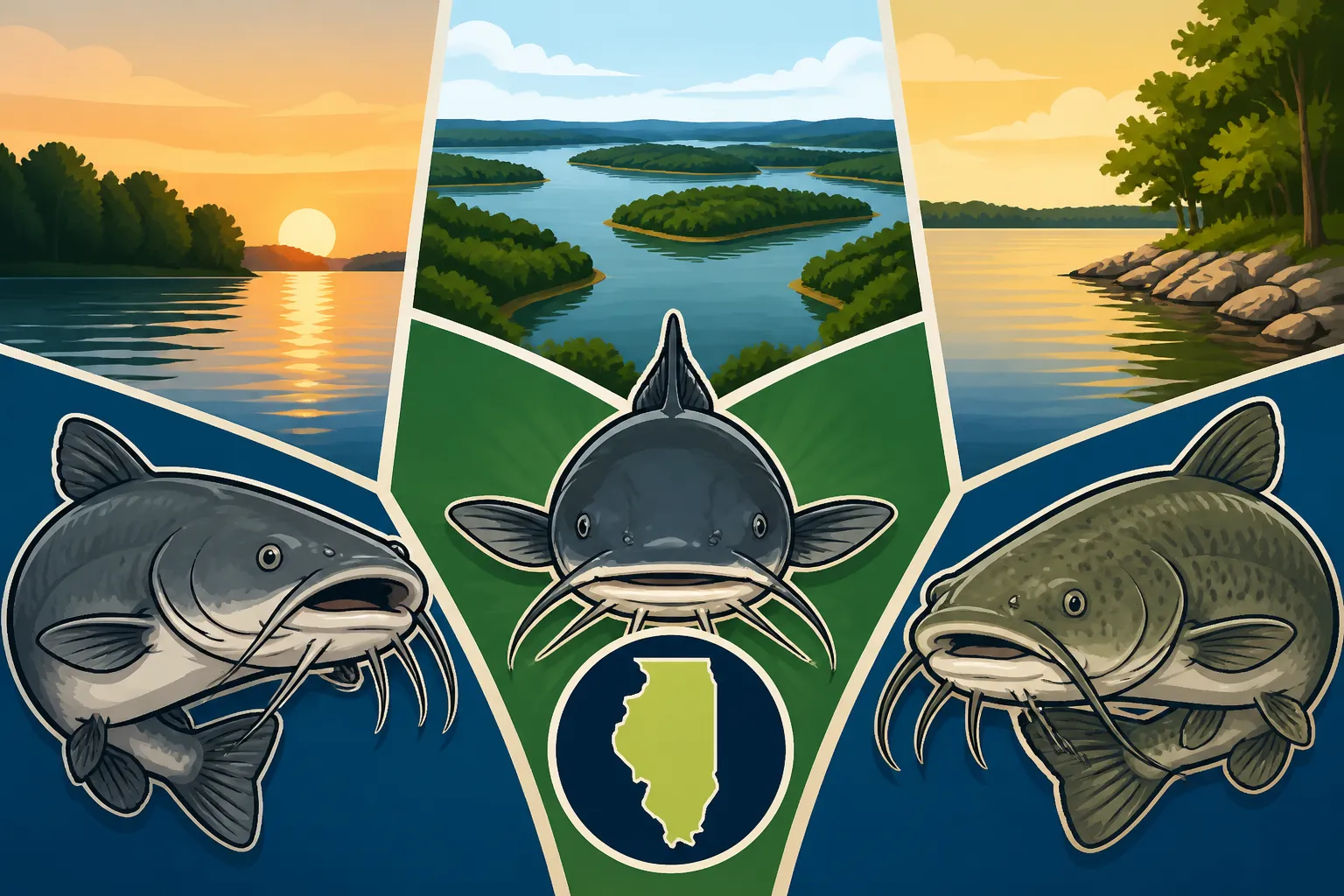
Illinois is blessed with an abundance of fantastic fishing opportunities, but when it comes to chasing whiskers, three reservoirs stand head and shoulders above the rest: Rend Lake, Lake Shelbyville, and Carlyle Lake. These aren't just any lakes; they are massive impoundments built by the U.S. Army Corps of Engineers, creating vast, diverse habitats that are absolutely teeming with catfish. Each lake has its own unique personality, offering distinct advantages for different types of anglers and different catfish species.
Geographic Overview and General Characteristics
Let's get oriented first. Rend Lake is the southernmost of the trio, nestled in Franklin and Jefferson counties. It’s a shallower lake compared to the other two, covering about 18,900 acres. Its shallow nature means it warms up faster in the spring, which can really kick off the catfish bite early. Carlyle Lake, the largest man-made lake entirely within Illinois, spans a whopping 24,580 acres in Clinton, Bond, and Fayette counties. It's centrally located but also in southern Illinois, offering expansive open waters and numerous coves. Lake Shelbyville, in central Illinois, covers 11,100 acres across Shelby and Moultrie counties, featuring a much more timbered and river-like upstream section transitioning into wider, deeper areas downstream near the dam.
The different topographies and water depths of these lakes play a huge role in how catfish behave and where they can be found. Rend Lake, with its stumps and shallow flats, is a different beast from Carlyle's vastness or Shelbyville's riverine upper reaches. Knowing these fundamental differences is the first step in understanding why each lake excels at producing certain types of catfish experiences. It's not just about size; it's about the entire ecosystem at play.
Catfish Species Present in Each Lake
When we talk about catfish in Illinois, we're generally focusing on three main species: Channel Catfish, Flathead Catfish, and Blue Catfish. All three of these whiskered warriors can be found in varying degrees in Rend Lake, Lake Shelbyville, and Carlyle Lake. However, their prevalence and trophy potential differ significantly from one lake to another. Understanding these distinctions is crucial for tailoring your trip. If you're looking for a detailed rundown of these species, check out our guide on Channel Catfish vs Blue Catfish vs Flathead Catfish in Illinois.
Rend Lake is absolutely phenomenal for Channel Catfish, and it also boasts a very healthy population of Flathead Catfish. While Blue Catfish are present, they aren't the primary target here. Carlyle Lake, being Illinois's largest, offers an excellent mix, with strong populations of Channel Catfish and Flathead Catfish, and increasingly, good numbers of Blue Catfish, especially in recent years. Lake Shelbyville, while still a great multi-species catfish lake, tends to be more famous for its robust Channel Catfish fishery, though Flatheads are certainly present, particularly in its upper timbered sections.
Why These Lakes Are Renowned for Catfish
These three lakes aren't just big; they're managed expertly by the Illinois Department of Natural Resources (IDNR) and the Army Corps of Engineers to sustain healthy fish populations. They all have vast amounts of available forage, from gizzard shad to various minnow species, which allows catfish to grow to impressive sizes. Their sheer size also means diverse habitats – from riprap shorelines and rocky points to expansive mud flats and submerged timber – providing ideal conditions for all life stages of catfish.
The stable water levels and careful management mean that these populations are resilient and consistently produce quality fishing. Plus, their reputation draws dedicated anglers who often share tips and techniques, contributing to a vibrant catfish community. It’s a combination of natural endowment, thoughtful management, and passionate anglers that cements their status as the "Big Three" for Illinois catfish. Whether you're a seasoned pro or just learning Catfish Bottom Fishing Techniques, these lakes offer something for every level of angler.
Rend Lake: The Catfish Powerhouse of Southern Illinois
If you're heading south in Illinois with catfish on your mind, Rend Lake is often the first name that comes up. It's a sprawling, relatively shallow reservoir known for its fantastic numbers of fish and its impressive Flathead Catfish. It’s a truly diverse fishery, but catfish are definitely one of its shining stars.
Target Species and Size Expectations
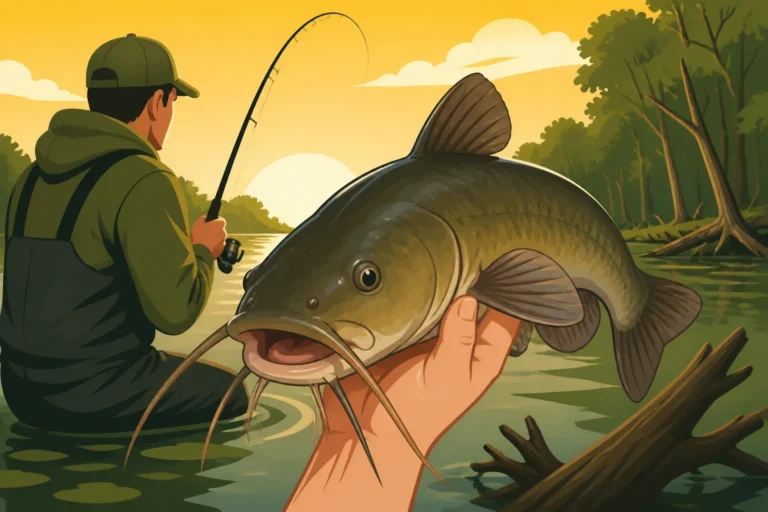
Rend Lake is a champion for Channel Catfish, often producing high catch rates for anglers. You can expect to reel in Channels in the 1-5 pound range quite regularly, with plenty of opportunities for bigger ones. These fish are feisty and delicious, making them a favorite for many. But the real draw for some at Rend Lake is the Flathead Catfish. This lake has a well-deserved reputation for producing genuine Flathead trophies, with fish in the 30-50 pound class not uncommon, and even bigger ones lurking in its depths. While Blue Catfish are present, they are not the primary target and generally don't reach the same size or numbers as in some other waters.
The abundance of forage, especially shad, contributes to the excellent growth rates of catfish here. For anglers specifically targeting a big Flathead, Rend Lake offers some of the best odds in the state. It's a place where patience can truly pay off with a monster catch. For those just looking for a fun day catching plenty of eaters, the Channel Catfish fishery rarely disappoints. Our detailed Rend Lake Fishing Guide for Illinois Anglers can give you even more insights into all the species this lake offers.
Best Fishing Techniques and Baits for Rend Lake Catfish
Given the different species and habitats, a variety of techniques excel on Rend Lake. For Channel Catfish, classic bottom fishing with stink baits, cut bait (like shad or skipjack herring), or even nightcrawlers and chicken livers works wonders. Target the main lake points, channel edges, and submerged humps. During the warmer months, fishing shallower flats and coves can also be very productive, especially in the evenings and overnight.
For those pursuing the big Flatheads, live bait is almost always king. Small sunfish, bluegill, or legal-sized carp are irresistible to large Flatheads. Anglers often fish these baits on stout rods and heavy line near structure like submerged timber, rock piles, or along the deeper creek channels that wind through the lake. Trotlines and jug fishing, where permitted, can also be highly effective methods for covering more water and enticing these elusive giants. If you're keen on learning about various methods, our guide on Catfish Jug Fishing Techniques or Catfish Trotline Setup Guide might be helpful. When planning your trip, consider using a service like FishingBooker to find a local guide who specializes in Rend Lake catfish; their expertise can be invaluable.
Access Points and Facilities for Anglers
Rend Lake offers excellent public access with numerous boat ramps, marinas, and plenty of shoreline access, making it very angler-friendly. Popular access points include the numerous state park and recreation areas like Wayne Fitzgerrell State Park, Rend Lake State Fish and Wildlife Area, and South Sandusky Beach. These areas often provide amenities like fish cleaning stations, campgrounds, and picnic areas, making a multi-day trip very convenient.
For bank anglers, the causeways and riprap areas around the dam are often productive, especially for Channel Catfish. There are also designated bank fishing areas within the state parks that offer easy access to good water. For those bringing boats, the ramps are generally well-maintained and can handle everything from small jon boats to larger fishing rigs. It's truly a destination designed for anglers to have a comfortable and productive experience.
Carlyle Lake: Illinois's Largest Man-Made Catfish Haven
Venturing further into southern Illinois, we find Carlyle Lake, a true inland sea that holds the distinction of being the largest man-made lake entirely within the state. Its sheer size and diverse habitat make it a phenomenal destination for a variety of fish, but its catfish fishery is definitely one of its crown jewels.
Catfish Diversity and Trophy Potential
Carlyle Lake is a fantastic all-around catfish lake. It supports robust populations of Channel Catfish, Flathead Catfish, and perhaps most excitingly for some, a growing and very healthy population of Blue Catfish. While Rend Lake might edge it out slightly for sheer numbers of smaller Channel Cats, Carlyle offers the best potential among the "Big Three" for a true trophy Blue Catfish. These giants can grow massive in Carlyle's expansive waters, with fish exceeding 50 pounds being caught regularly, and the state record for Blue Catfish could very well be swimming here.
Flathead Catfish are also abundant, particularly in the deeper channels and around substantial cover. Channel Catfish are present in overwhelming numbers, providing consistent action for anglers using a variety of baits and techniques. The lake's vastness means there's always new water to explore and new challenges to pursue, whether you're chasing numbers or targeting that once-in-a-lifetime trophy. Many anglers book guides through platforms like FishingBooker to help navigate Carlyle's immense waters and pinpoint the best spots for trophy catfish.
Prime Fishing Locations and Seasonal Patterns
The immense size of Carlyle Lake means that understanding seasonal patterns and knowing prime locations is key to consistent success. For Channel Catfish, spring and early summer are fantastic, especially when fishing tributary creeks and the main lake's shallow flats and coves. As summer progresses, target deeper channel edges, submerged humps, and areas with good current. Cut bait, shrimp, and prepared stink baits are perennial favorites.
Flatheads tend to hug structure in deeper water, particularly along the old river channels and around the abundant submerged timber. Live bait, such as shad or small carp, presented carefully near these structures, is often the most effective approach. For Blue Catfish, look for them in the deeper, open water sections of the main lake, particularly near the dam and along the old river channels. They are often targeted with large cut baits (fresh shad is king here) fished on the bottom. Early spring and late fall can be prime times for targeting the biggest Blues as they become more active.
Boating and Shoreline Opportunities
Carlyle Lake is a boater's paradise, with numerous well-maintained public boat ramps and full-service marinas. Its open waters can get choppy, so a larger, stable boat is often preferred, especially when venturing far from shore. The lake is vast, so having good electronics, like a reliable fish finder and GPS, can be invaluable for navigating and locating structure. The marinas provide essential services like fuel, bait, and tackle, ensuring you have everything you need for a successful trip.
For bank anglers, Carlyle Lake still offers plenty of opportunities. The riprap areas around the dam and causeways are excellent for Channel Catfish, especially in the evenings. Various public parks and recreation areas, such as Eldon Hazlet State Park, provide access to miles of shoreline. While covering the immense water from shore can be a challenge, focusing on strategic points, creek mouths, and jetty areas can yield great results. A detailed Carlyle Lake Fishing Guide can help you pinpoint specific access points and fishing hot spots.
Lake Shelbyville: The Central Illinois Catfish Gem
Moving northward to Central Illinois, Lake Shelbyville offers a different, yet equally rewarding, catfish experience. While perhaps not as famous for trophy Blue or Flathead Catfish as Carlyle or Rend, Shelbyville's consistent Channel Catfish action and unique timbered upper end make it a unique and beloved destination.
Channel Catfish Dominance and Other Species
Lake Shelbyville is widely regarded as one of Illinois's premier Channel Catfish lakes. Anglers consistently pull in impressive numbers of Channels, with many fish in the 2-8 pound range and larger specimens certainly present. If your goal is to simply fill a cooler with delicious eating-sized Channel Catfish, Shelbyville should be high on your list. The lake’s diverse habitat, from the deep clear water near the dam to the timber-filled, shallower upper reaches, provides excellent spawning and foraging grounds for these robust fish.
While Channel Catfish are the undisputed kings here, Flathead Catfish are also a significant presence, especially in the timbered areas upstream and along the deeper river channels. These Flatheads can grow quite large, making them an exciting target for dedicated anglers. Blue Catfish are less common in Shelbyville compared to Carlyle, but occasional catches are reported, usually as incidental hook-ups while targeting other species.
Effective Strategies for Shelbyville Catfish
Fishing for Channel Catfish in Lake Shelbyville is incredibly versatile. Anglers find success with a wide array of baits, including cut bait (shad is a local favorite), chicken livers, stink baits, and even nightcrawlers. In the spring and early summer, target the shallow flats, submerged points, and the mouths of tributary creeks. As the water warms, focus on deeper channel bends, humps, and areas with a good current flow, particularly in the lower lake. The timbered upper end of the lake also holds fantastic numbers of Channel Catfish, often hiding amongst the standing trees.
For Flathead Catfish, especially the larger ones, live bait is the most effective choice. Small sunfish or shad, fished on stout gear, should be presented close to heavy cover like submerged logs, standing timber, or rock piles. Night fishing for Flatheads is particularly productive, as these nocturnal predators become more active under the cover of darkness. Many anglers also find success drifting baits along deep contours, especially if they're using a guide service found through a platform like FishingBooker that specializes in Lake Shelbyville.
Amenities and Nearby Attractions
Lake Shelbyville is well-equipped for anglers and their families. There are numerous state parks and recreation areas, including Wolf Creek State Park and Eagle Creek State Park, which offer excellent camping, lodging, boat ramps, and amenities. The towns of Shelbyville and Sullivan provide bait shops, restaurants, and other necessities, making it easy to turn a fishing trip into a full family vacation.
The boat ramps are plentiful and generally in good condition, accommodating various boat sizes. Shoreline access is also available, particularly in the state parks and around the dam areas, offering opportunities for bank anglers to catch Channel Catfish. The diverse landscape, including both open water and heavily timbered sections, means that anglers can choose their preferred environment and find productive water regardless of their setup. Our comprehensive Lake Shelbyville Fishing Guide offers even more information for planning your trip.
Direct Comparison: Choosing Your Ideal Catfish Destination
Deciding which of Illinois's Big Three catfish lakes is right for you can be a tough call, as each offers unique advantages. It really comes down to what kind of catfish experience you're seeking. Do you dream of wrestling with a monster Blue Cat, or are you more interested in steady action with Channel Cats? Let's break down the comparisons to help you make your choice.
Best Lake for Trophy Catfish Size vs. Numbers
When it comes to trophy potential, especially for Blue Catfish, Carlyle Lake arguably takes the crown. Its vastness and abundant forage have allowed Blues to reach incredible sizes, often exceeding 50 pounds. If landing a true leviathan is your ultimate goal, Carlyle offers the best odds. For trophy Flathead Catfish, Rend Lake has a phenomenal and well-earned reputation, consistently producing fish in the 30-50 pound class. While Flatheads are in Carlyle and Shelbyville, Rend seems to have that slight edge for the biggest Flatheads.
For sheer numbers and consistent action of eating-sized Channel Catfish, it's a tighter race, but Lake Shelbyville and Rend Lake often come out on top. Shelbyville is renowned for its prolific Channel Catfish fishery, providing steady catches for most anglers. Rend Lake also offers fantastic Channel Catfish action, often with a slightly larger average size than Shelbyville. If you want to put a lot of fish in the boat, these two lakes are your best bet.
| Feature / Lake | Rend Lake | Carlyle Lake | Lake Shelbyville |
|---|---|---|---|
| Primary Catfish Target | Channel Catfish, Flathead Catfish | Channel Catfish, Blue Catfish, Flathead Catfish | Channel Catfish, Flathead Catfish |
| Trophy Potential (Species) | Flathead Catfish (Excellent) | Blue Catfish (Excellent) | Flathead Catfish (Good), Channel Catfish (Good) |
| Avg. Channel Catfish Size | 1-5 lbs (plenty of bigger ones) | 1-8 lbs (consistent action) | 2-8 lbs (prolific numbers) |
| Total Acreage | ~18,900 acres | ~24,580 acres (Largest in IL) | ~11,100 acres |
| Key Habitat | Shallow flats, stumps, creek channels | Expansive open water, deep channels, coves | Timbered upper end, deep channels, humps |
| Best Fishing Seasons | Spring, Summer, Early Fall (all species) | Spring, Summer, Fall (all species) | Spring, Summer (especially Channel Cats) |
| Boating Needs | Stable boat good for shallow/stumpy areas | Larger boat for open water, good electronics | Versatile boat for timber and open water |
| Shore Access | Excellent (parks, causeways) | Excellent (parks, dam areas) | Good (parks, dam areas) |
Ease of Access and Family Friendliness
When considering ease of access, all three lakes offer excellent infrastructure with numerous boat ramps, marinas, and public parks. However, their geographic locations might influence your decision. Rend Lake is the southernmost, making it a longer drive for those coming from northern Illinois but very accessible for Missouri and Kentucky anglers. Lake Shelbyville is more centrally located, often a reasonable drive from Chicago, Springfield, or St. Louis. Carlyle Lake is also quite central in southern Illinois, offering great access from a broad region.
For family friendliness, all three lakes provide more than just fishing. They have state parks with camping, hiking, swimming beaches, and picnic areas, making them great destinations for a full family outdoor trip. Rend Lake, with its slightly shallower and often calmer waters, might feel a bit more approachable for families with younger kids or less experienced boaters. However, Carlyle and Shelbyville also offer plenty of protected coves and amenities to keep everyone happy, whether they're fishing or just enjoying the scenery.
Recommended Gear and Tackle Differences
The gear you bring might vary slightly depending on your target lake and species. For Rend Lake, especially if chasing Flatheads, you'll want heavy catfish rods (medium-heavy to heavy power) with robust baitcasting reels spooled with 30-80 pound braided line. If you're targeting Channel Catfish, medium-heavy spinning or casting gear with 15-30 pound mono or braid will suffice. Our guide on Catfish Gear for the Big Three Illinois Lakes has more specific recommendations.
For Carlyle Lake, particularly if you're aiming for those giant Blue Catfish, you'll need the heaviest of heavy-duty gear: extra-heavy power rods, large conventional reels, and 60-100 pound braided line are common. For Flatheads, similar heavy gear as Rend Lake applies. Channel Catfish can be caught on more standard medium-heavy catfish setups. The vastness of Carlyle often means longer casts and stronger currents, so a bit more heft in your setup can be beneficial.
Lake Shelbyville primarily for Channel Catfish means a medium-heavy to heavy action rod with a good quality baitcasting or spinning reel, spooled with 20-50 pound line. If you're tackling the timber for Flatheads, you’ll want to bump up to heavier setups to muscle fish out of cover. Given the varied habitats, bringing a selection of rods covering different strengths is a good idea for Shelbyville. For specific recommendations, exploring services on FishingBooker can help you connect with guides who can advise on the exact tackle needed.
Planning Your Catfish Adventure
Embarking on a catfish trip to any of Illinois's Big Three lakes is an exciting prospect, but a little preparation goes a long way. Understanding the rules, knowing the best times to go, and leveraging available resources can significantly increase your chances of a successful and enjoyable outing.
Essential Regulations and Licensing
Before you even think about casting a line, make sure you're properly licensed! Every angler aged 16 and older needs a valid Illinois fishing license. You can purchase these online through the IDNR website, at many sporting goods stores like those found in larger towns near the lakes, or even at local bait shops. It's a simple process, but crucial for staying legal. Don't forget, if you plan to fish for trout or salmon in specific waters, you might also need an additional Inland Trout Stamp or Lake Michigan Salmon Stamp, though these aren't typically required for general catfish fishing in these big reservoirs. For a complete overview, check out our Illinois Fishing License Guide for 2026 or Illinois Fishing Regulations Overview. Fishing without a license can lead to hefty penalties, so it's always better to be safe than sorry.
Beyond the license, you'll need to be aware of species-specific regulations. While catfish limits are generally quite generous in these large impoundments, it's always wise to consult the current Illinois Fishing Information Guide for any changes. For instance, there are statewide daily catch limits for Channel Catfish, Blue Catfish, and Flathead Catfish. Our Illinois Catfish Daily Limits Explained guide can provide specific numbers. These regulations are in place to ensure sustainable populations for future generations of anglers, so adhering to them is part of being a responsible steward of our natural resources.
Timing Your Visit for Optimal Catfish Action
Timing is everything when it comes to maximizing your catfish success. Generally, the spring (April-May) and fall (September-October) are prime times for all three species across all three lakes. In spring, as water temperatures rise, catfish become very active, moving into shallower waters to feed and eventually spawn. This is a fantastic time for both numbers and larger fish. The upper ends of the lakes, where tributaries flow in and water warms first, can be particularly productive.
As summer (June-August) progresses, catfish activity remains high, but they often move to deeper haunts during the day, becoming more active during the twilight hours and throughout the night. Night fishing is a highly effective strategy during the summer months, especially for Flatheads and larger Blues. In the fall, as water temperatures begin to drop, catfish will once again go on a feeding frenzy, bulking up for the colder months. This can offer some of the best opportunities for trophy-sized fish as they aggressively chase down forage. Even in winter, dedicated anglers can find success, often targeting deeper holes or power plant discharges where water stays warmer. Our Illinois Fishing Seasons Guide provides a comprehensive look at when various fish species are most active throughout the year.
Utilizing Resources and Local Expertise
Don't go into your trip blind! There are a ton of resources available to help you plan and execute a successful catfish trip. The Illinois Department of Natural Resources (IDNR) website is a treasure trove of information, offering fishing reports, lake maps, and regulation updates. Many local bait shops around Rend Lake, Carlyle Lake, and Lake Shelbyville also serve as informal information hubs, where you can get the latest hot tips, bait recommendations, and even hear about recent catches. Don't be shy about asking the folks behind the counter; they often have their finger on the pulse of the local bite.
Online fishing forums and social media groups dedicated to Illinois fishing are also excellent places to connect with other anglers and gather real-time intelligence. Finally, for those looking for a truly optimized experience, hiring a local fishing guide can be an invaluable investment. A guide knows the lake intimately, understands seasonal patterns, and can put you on fish faster than you might find them on your own. Platforms like FishingBooker make it easy to find and book experienced catfish guides for any of Illinois's Big Three lakes, ensuring you get the most out of your time on the water.
Disclaimer
Please note: Fishing regulations, license requirements, and fish populations can change. Always consult the most current Illinois Department of Natural Resources (IDNR) fishing regulations guide before heading out on the water. This article is intended for informational purposes only and does not constitute legal advice regarding fishing regulations.