Best Boat for Illinois’s Big Three Catfish Lakes
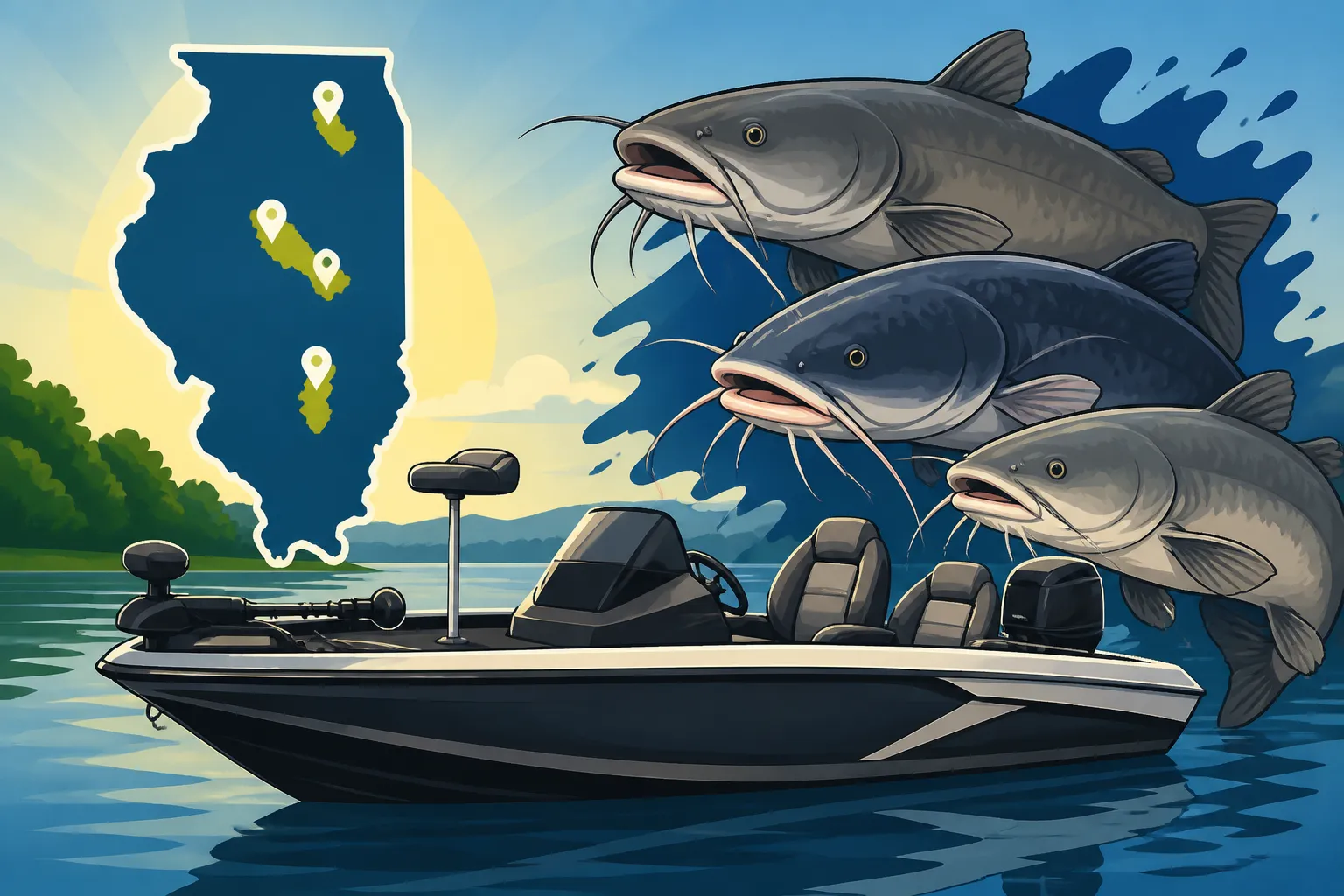
Choosing the right boat for catfishing on Illinois's iconic "Big Three" lakes – Carlyle, Rend, and Shelbyville – can feel like a daunting task. Each of these massive reservoirs presents its own unique challenges and opportunities, and what works perfectly on one might leave you struggling on another. This guide aims to demystify the process, helping you understand the specific characteristics of these legendary waters and how they should influence your boat choice to ensure you're well-equipped for a successful day chasing those whisker-mouthed giants.
Understanding Illinois's Big Three Catfish Lakes
When we talk about Illinois's "Big Three" catfish lakes, we're referring to Carlyle, Rend, and Shelbyville. These aren't just large bodies of water; they are distinct ecosystems, each demanding a particular approach from anglers, especially when it comes to the vessel that carries you. Many anglers feel frustrated trying to make one boat fit all scenarios, but understanding the nuances of each lake is the first step to making an informed decision.
Carlyle Lake: The Big Water Challenge
Carlyle Lake is the largest man-made lake entirely within Illinois, a true inland sea that can feel incredibly vast. Its expansive open water means that it's notoriously susceptible to wind. A calm morning can quickly turn into a choppy, white-capping afternoon, making navigation challenging and uncomfortable in a smaller or less stable boat. Anglers often chase blue catfish and channel catfish here, venturing into deep main lake basins, along the dam, and across large flats. The sheer size and potential for rough conditions mean that your boat needs to prioritize stability and wave-handling capabilities. You don't want to be caught in the middle of a sudden squall feeling unsafe or having your gear tossed overboard. It's a place where a robust, high-sided boat truly shines, offering both safety and a more pleasant fishing experience. For more insights on this specific body of water, check out our Carlyle Lake Fishing Guide.
Rend Lake: Shallow Waters and Timber
In stark contrast to Carlyle, Rend Lake offers a completely different set of challenges and opportunities. While still a large lake, Rend is considerably shallower overall, with vast areas of standing timber, stumps, and submerged brush. These structural elements are fantastic for holding channel catfish and flatheads, but they can be a nightmare for boats with deep drafts or unprotected propellers. Navigating Rend often requires moving through tight timber lanes or shallow flats, where a boat that can easily get up on plane in skinny water or be pushed through submerged vegetation is a huge asset. The risk of hitting stumps or rocks is ever-present, so durability and maneuverability in confined, shallow spaces become paramount. A boat designed for deeper, open water might find itself bogged down or damaged quickly here. To dive deeper into what Rend Lake offers, take a look at our Rend Lake Fishing Guide for Illinois Anglers.
Lake Shelbyville: Channels, Flats, and Structure
Lake Shelbyville is a diverse fishery, renowned for its channel catfish, flathead catfish, and even some impressive blue cats. It combines elements of both Carlyle and Rend, featuring deep river channels, extensive flats, flooded timber, and countless brush piles. This means that a versatile boat is often the best choice for Shelbyville. You might start your day drifting over a deep channel for blue cats, then move into a shallower cove to target flatheads near a brush pile, and later, anchor on a flat for channel cats. The lake's varied terrain means you need a boat capable of handling some chop, navigating moderate depths, and still offering enough stability for active fishing. Anglers here often spend time exploring creek arms and points, requiring a vessel that can adapt to changing conditions and techniques throughout the day. For those looking to master this lake, our Lake Shelbyville Fishing Guide provides ample information.
Key Boat Characteristics for Catfishing
Beyond just knowing the lakes, understanding the fundamental characteristics that make a boat good for catfishing is crucial. It’s not just about getting from point A to point B; it’s about providing a functional, stable, and safe platform from which to successfully pursue these hard-fighting fish. Many anglers overlook these details, only to find themselves wishing for more space, better stability, or the ability to reach a prime spot.
Stability and Deck Space
Imagine hooking into a 40-pound flathead in the middle of a choppy lake. You're fighting the fish, the boat is rocking, and you need to move around quickly to keep the line clear. This is where stability becomes incredibly important. A wide, stable boat provides a secure platform, reducing the risk of accidental falls and allowing you to comfortably set multiple rod holders. Deck space is equally vital for catfishing. Unlike some other forms of fishing, catfishing often involves numerous rods deployed simultaneously, large bait coolers, chum buckets, and specialized equipment like heavy-duty rod holders and net. You'll want plenty of room to move around, especially if you're fishing with friends or family. A cluttered deck is a recipe for tangled lines and frustration. Look for open layouts, flat decks, and ample floor space that allow you to manage your gear and fight fish without feeling cramped.
Hull Design and Draft
The hull design of a boat dictates how it performs in different water conditions and its draft, which is how deep it sits in the water. For the diverse conditions of Illinois's Big Three, this is a critical consideration.
- Deep V-Hulls: These are excellent for cutting through chop and providing a smooth ride on larger, wind-swept lakes like Carlyle. They offer superior stability in rough water. However, their deeper draft can limit access to shallower areas, which are abundant on Rend Lake or some backwater areas of Shelbyville.
- Flat Bottom Hulls (Jon Boats): Known for their shallow draft, flat-bottom boats can navigate incredibly skinny water, making them ideal for areas with submerged timber or shallow flats. They are typically very stable when at rest, which is great for anchoring. The downside is that they can provide a very jarring, wet ride in choppy conditions, making long runs across open water uncomfortable.
- Modified V-Hulls: Often considered a good compromise, a modified V-hull combines elements of both. It has a V-shape forward to cut through waves, but the V flattens out towards the stern, reducing the draft and increasing stability at rest. This design offers a respectable ride in moderate chop while still allowing access to reasonably shallow water, making it a strong contender for an all-around Illinois catfishing boat.
Power and Trolling Motor Considerations
An adequate outboard motor is essential for covering long distances, especially on large lakes like Carlyle and Shelbyville, or for quickly getting out of the way of changing weather. You'll want enough horsepower to get on plane efficiently, fight strong currents if you're fishing river sections, and carry your load of gear and anglers without straining. Don't skimp on horsepower if you anticipate fishing far from the ramp or in frequently windy conditions.
Beyond the main engine, a reliable trolling motor is a game-changer for serious catfishing. Whether you're slowly drifting bait along a contour line for blue cats, holding position over a brush pile for flatheads, or quietly navigating timber for channel cats, a quality trolling motor allows for precise boat control. Look for models with ample thrust, a long shaft to handle waves, and perhaps even GPS anchoring capabilities, which will hold your boat in place regardless of wind or current. This kind of precise control can make the difference between a frustrating day and a successful one, allowing you to present your bait exactly where the fish are hiding. Many anglers find great options for these essential pieces of equipment at stores like Bass Pro Shops or online through Amazon, often comparing features and prices to get the best value.
Top Boat Types for Illinois Catfishing
Now that we've explored the lake characteristics and essential boat features, let's look at specific boat types that are well-suited for tackling Illinois's Big Three catfish lakes. Each type has its own strengths and weaknesses, making one a better fit for certain anglers or predominant lake conditions. Finding the Best Fishing Boats for Illinois Lakes can often be a matter of personal preference mixed with practical needs.
Aluminum Jon Boats and Modified V-Hulls
Aluminum jon boats and those with a modified V-hull are incredibly popular among catfishermen in Illinois, and for good reason. Jon boats, with their flat bottoms, excel in the shallow, timber-filled waters of Rend Lake. They are rugged, relatively inexpensive, and can be easily accessorized with rod holders, livewells, and depth finders. Their shallow draft allows access to areas where other boats dare not tread, opening up new catfishing opportunities. While they might be a bit rough on Carlyle in a heavy chop, their stability at rest is fantastic for managing multiple lines.
Modified V-hull aluminum boats, on the other hand, offer a more versatile package. They strike a balance between the jon boat's shallow water capability and a deeper V-hull's ability to handle moderate chop. This makes them an excellent all-around choice for Lake Shelbyville, where conditions can vary from calm, shallow flats to deeper, wind-blown main lake areas. They are durable, require less maintenance than fiberglass, and are often lighter, making them easier to launch and trailer. Many catfishermen appreciate the open layout of these boats, providing ample space for gear and fighting big fish, which is crucial when employing a variety of techniques from bottom fishing to jug fishing. If you're looking for gear specifically for these big lakes, our guide on Catfish Gear for the Big Three Illinois Lakes can help you kit out your aluminum boat.
Center Console Boats
For those who primarily fish Carlyle Lake or are looking for a boat that can truly handle rough water, a center console boat is often the top contender. These boats are typically fiberglass, featuring a deeper V-hull that effortlessly cuts through waves, providing a drier and more comfortable ride when the wind kicks up. The center console design means the helm is in the middle of the boat, offering excellent visibility and creating walk-around space on both sides. This 360-degree fishability is a huge advantage when battling large blue or flathead catfish that might pull your line around the boat.
Center consoles tend to be heavier and more stable, making them a safe choice on large, unpredictable bodies of water. They usually come equipped with higher horsepower outboards, allowing for quick travel between distant fishing spots. While they generally have a deeper draft and are pricier than aluminum options, their comfort, safety, and performance in adverse conditions make them ideal for serious open-water catfishing. They might not be the best choice for navigating the tight timber of Rend Lake, but for the main lake basins of Carlyle and Shelbyville, they are hard to beat. If you're considering a boat specifically for Carlyle, our guide on the Best Boats for Carlyle Lake Fishing has more details.
Pontoon Boats
While not the traditional catfishing rig, pontoon boats have quietly become a favorite among many catfishermen, especially those who prioritize comfort, stability, and family-friendly outings. Don't let their party-boat reputation fool you; a pontoon boat offers an incredibly stable and spacious platform for catfishing. The wide, flat deck provides an enormous amount of room for multiple anglers, numerous rod holders, large coolers, and all the gear associated with catfishing. This makes them fantastic for introducing kids to fishing or for social trips.
Pontoon boats typically have a relatively shallow draft, allowing them to access many areas of Rend Lake and the shallower parts of Shelbyville. Their high sides offer a secure feeling, particularly for children, and many models come with comfortable seating and even changing rooms. While they aren't built for speed or cutting through heavy chop like a deep V-hull, newer pontoon designs with lifting strakes and larger engines can handle moderate waves surprisingly well. For steady, comfortable fishing where you can spread out your Catfish Bottom Fishing Techniques and enjoy the day without feeling cramped, a pontoon boat offers unique advantages. They are also great for just relaxing on the water, making them truly versatile vessels. If you're thinking about a multi-purpose boat that can handle both catfishing and family fun, this option is worth a serious look.
Additional Gear and Considerations
Having the right boat is a fantastic start, but it's only part of the equation for successful and safe catfishing on Illinois's major lakes. Just like you wouldn't head out without your favorite bait, you shouldn't overlook these essential pieces of gear and critical safety considerations. These additions enhance your fishing experience, increase your chances of success, and most importantly, keep you and your companions safe on the water.
Electronics and Navigation
In the vastness of Carlyle, Rend, or Shelbyville, knowing where you are, where the fish are, and how to get back is paramount. Modern electronics have become invaluable tools for catfishermen. A quality fish finder is almost non-negotiable. Look for units that offer clear sonar images, side-imaging, or down-imaging capabilities to identify structure, ledges, and individual fish or bait balls. These technologies help you pinpoint those catfish hotspots that might otherwise go unnoticed. Brands like Humminbird and Lowrance offer a range of robust options. Many anglers find great deals on these units, as well as essential accessories like transducers and mounting hardware, by browsing trusted online retailers like Amazon.
GPS functionality, often integrated into fish finders, is equally important. It allows you to mark waypoints for productive spots, navigate safely through timber-filled areas on Rend Lake, and track your drift path. Imagine finding a killer flathead spot, only to forget its exact location – GPS solves that problem. On larger lakes, a reliable GPS can also be a crucial safety tool, helping you navigate back to the ramp in low light conditions or fog. It really takes the guesswork out of locating fish and ensures you can return to those honey holes again and again.
Storage and Livewells
Catfishing often involves a good amount of gear and, hopefully, a healthy catch. Adequate storage is essential to keep your boat organized, safe, and efficient. You'll need space for tackle boxes, extra lines, anchors, ropes, and safety equipment. Lockable compartments are a bonus for securing valuables. When it comes to the fish themselves, a livewell is a major asset. If you plan to keep your catch, a well-aerated, appropriately sized livewell will keep your catfish fresh and lively, especially important if you're taking them home for a fish fry. For catch-and-release anglers, a livewell provides a safe place for fish to recover before being released, increasing their chances of survival.
Beyond livewells, consider dedicated bait storage. Catfishing often uses a variety of stinky baits, from cut shad to stink baits. Having a separate cooler or compartment for bait helps contain odors and prevents contamination with your food and drinks. The ability to keep your bait fresh for an entire day on the water is also critical, and a good cooler or baitwell ensures your offerings remain appetizing to hungry catfish. Check out our in-depth guides on specific techniques like How to Catch Catfish From a Boat for more gear-specific advice.
Essential Safety Gear
No matter how experienced you are or how calm the water looks, safety should always be your top priority. Accidents can happen quickly on the water, and being prepared can make all the difference. Always ensure you have the following essential safety gear on board:
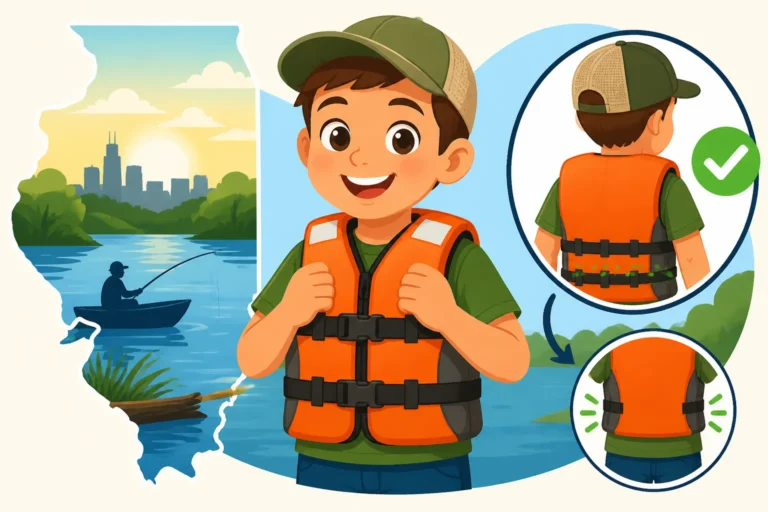
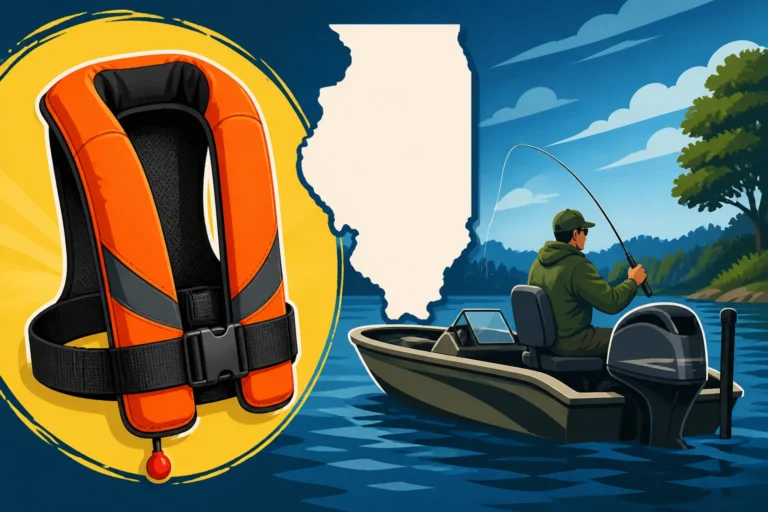
- Life Jackets (PFDs): Every person on board must have an easily accessible, Coast Guard-approved life jacket that fits properly. For children under a certain age, Illinois law requires them to wear a life jacket while the boat is underway. Don't just store them; make sure everyone knows where they are and how to put them on. Learn more about Illinois Life Jacket and PFD Rules.
- Throwable Flotation Device: A Type IV throwable device, like a cushion or ring buoy, is required on boats over 16 feet. It's a quick and effective way to assist someone who has fallen overboard.
- Fire Extinguisher: Boats with an enclosed engine compartment or fuel tank are required to carry a fire extinguisher. Make sure it's fully charged and easily accessible.
- Visual Distress Signals: For night fishing or fishing in low visibility, navigation lights are mandatory. Additionally, flares or other visual distress signals can be critical for signaling for help in an emergency.
- Sound-Producing Device: A horn or whistle is required to signal other vessels or alert others to an emergency.
- First-Aid Kit: A well-stocked first-aid kit can handle minor cuts, scrapes, or other injuries that might occur on board.
Always check local regulations for specific requirements, as they can sometimes vary by waterway or boat size. Taking a boater safety course is also highly recommended, as it covers these and many other critical aspects of safe boating. Being prepared not only keeps you safe but also allows you to relax and fully enjoy your time on the water chasing those impressive Illinois catfish. For information about the best times to find catfish, see our Illinois Catfish Season Guide.
Disclaimer
This article is for general informational purposes only and does not constitute professional advice. Laws, prices and regulations vary by location and change over time. Consult a qualified professional for guidance on your specific situation.