Redear Sunfish Fishing in Illinois: What to Know
Many anglers in Illinois spend their days chasing bass, crappie, or catfish, often overlooking one of the state's most rewarding and surprisingly feisty panfish: the Redear Sunfish. If you've ever felt frustrated by small bluegill or are just looking for a new challenge that offers a great fight and even better table fare, then this comprehensive guide is for you. We’re diving deep into everything you need to know about targeting these "shellcrackers" in Illinois waters, from their unique habits to the best spots and techniques to reel them in.
Understanding the Illinois Redear Sunfish: A Unique Panfish
The Redear Sunfish, often affectionately called "shellcrackers" due to their diet, is a fascinating species that stands out in the panfish family. While they share some similarities with their bluegill cousins, their distinct characteristics and preferences make them a unique target for Illinois anglers. Knowing what sets them apart is the first step to successfully catching them.
Identifying Your Catch: Redear vs. Bluegill
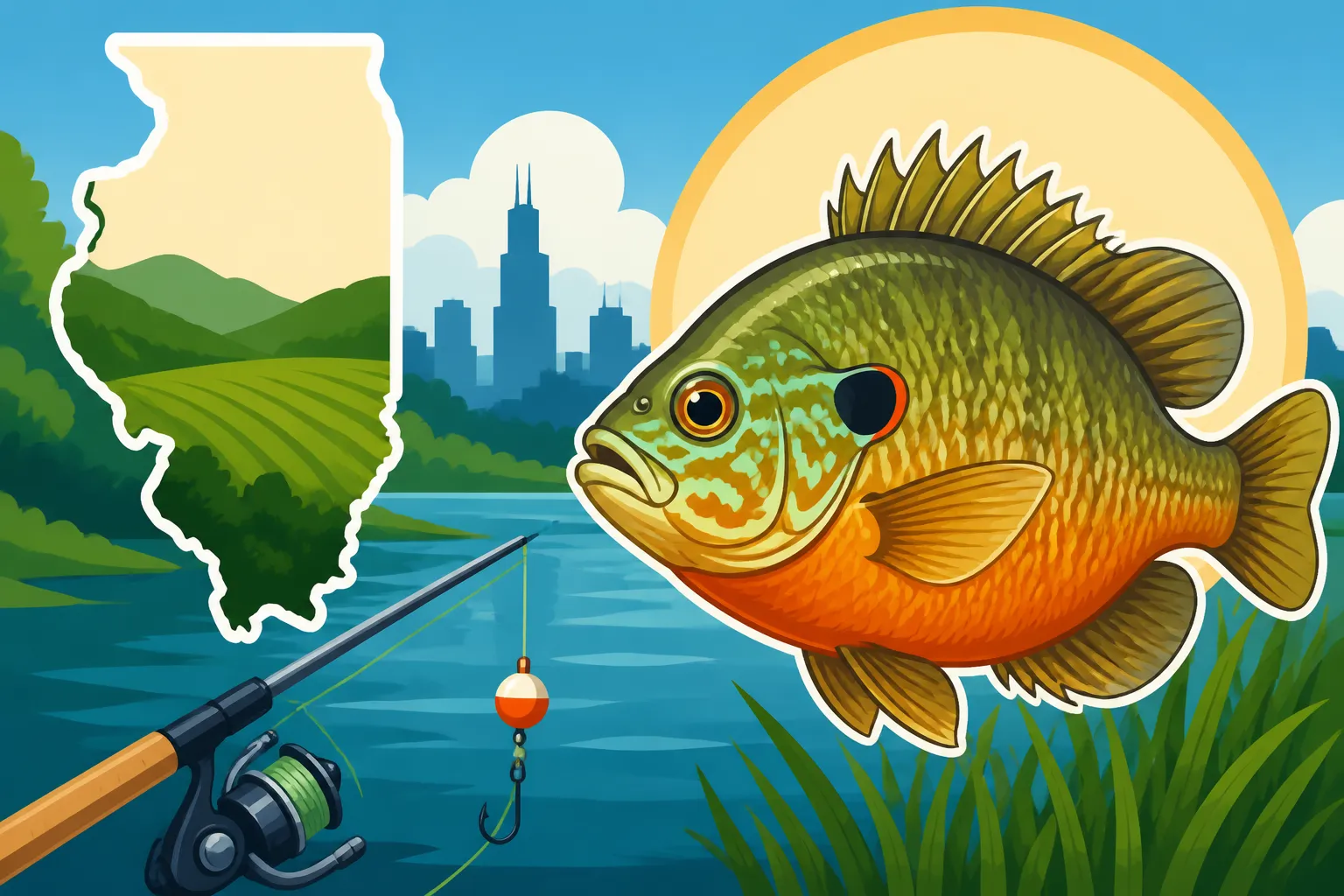
At first glance, a Redear Sunfish might look a lot like a bluegill. Both are members of the sunfish family, sporting that familiar round, disc-shaped body. However, there are a few key giveaways that help you distinguish a Redear, especially in Illinois waters where both are common. The most prominent feature, and the one that gives them their name, is the bright red or orange margin around the "ear flap" on their operculum (gill cover). On bluegill, this margin is typically black or dark blue, without the vibrant color. Think of it like a little splash of lipstick on the fish's cheek.
Beyond the ear flap, Redears generally have a more pointed snout compared to a bluegill's rounder profile. Their body coloration is usually a bit duller, often olive green to silvery-gold, without the strong vertical bars you might see on a bluegill. They also tend to grow larger than bluegill on average, making them a highly prized catch for panfish enthusiasts. You'll notice their mouths are smaller, which is adapted for their specific diet. If you’re ever unsure, that red "ear" is almost always the definitive sign. This distinction is important not just for bragging rights, but because their dietary preferences dictate different fishing strategies.
The "Shellcracker" Diet: Why They're Different
The nickname "shellcracker" isn't just a cute moniker; it’s a direct reference to the Redear Sunfish's primary food source: snails and other mollusks. Unlike bluegill, which are more opportunistic feeders munching on insects, larvae, and small minnows, Redears have specialized pharyngeal teeth in their throats that allow them to crush the shells of snails. This unique adaptation means they spend a good portion of their lives foraging on the bottom, sifting through aquatic vegetation and substrate for their shelled prey.
This dietary preference profoundly influences how and where you should fish for them. They aren't typically found suspended in the water column chasing a fly like some bluegill or crappie. Instead, they’re down low, rooting around. Understanding this habit is crucial for bait and presentation choices. You won't have much luck with a topwater lure, for example! They prefer cleaner bottoms with plenty of vegetation where snails thrive, making certain Illinois lakes and ponds prime habitats for these unique panfish.
Where to Find Redear Sunfish in Illinois
Finding Redear Sunfish in Illinois means understanding their preferred habitat. While they can be found across the state, certain water bodies and specific areas within those waters offer much better chances of success. They thrive in clear, warm waters with abundant aquatic vegetation, which provides both cover and a rich food source of snails.
Top Illinois Lakes and Ponds for Redear
Illinois boasts several excellent locations for targeting Redear Sunfish, though you might need to do a little research to find the truly productive spots. Generally, you'll want to focus on lakes and larger ponds that have clear water and healthy populations of submerged weeds. Larger state-managed reservoirs often have good populations. For instance, lakes like Rend Lake, Lake Shelbyville, and Carlyle Lake, which are renowned for other species, also hold solid numbers of Redear, especially in their shallower, weedy coves.
Smaller, clear-water impoundments and private ponds across the central and southern parts of the state can also be goldmines. Look for lakes with a reputation for good water clarity and extensive areas of pondweed, coontail, or milfoil. These aquatic plants are not only perfect hiding spots but also nurseries for the snails that Redears love to crunch. Don't be afraid to check with local bait shops or state park offices; they often have the most up-to-date information on which specific lakes are producing good Redear catches. Remember, consistency is key, so finding a few reliable spots to return to is more valuable than just hitting random waters. Illinois Redear Sunfish: Where to Catch Shellcracker provides more specific details on prime locations.
Key Habitat Features to Target
Once you're on a promising body of water, knowing where to cast is vital. Redear Sunfish are not typically roamers; they prefer to stick close to specific habitat features. Your best bet will almost always be around submerged vegetation, especially weed beds that grow to within a few feet of the surface. These dense underwater gardens are where snails congregate, and thus, where the Redears will be feeding. Focus your efforts on the edges of these weed beds, especially where they meet open water or a drop-off.
Additionally, look for areas with hard bottom features like gravel, sand, or even scattered rock. While they love weeds, they don't necessarily want to be mired in thick muck. Points, humps, and subtle depressions within these vegetated zones can also hold concentrations of fish. During their spawning season, which we'll discuss shortly, they'll create beds in shallow, hard-bottomed areas, often in clusters. These beds are typically in 2-6 feet of water, so keep an eye out for lighter colored circular depressions on the bottom. Fishing docks and piers that extend into these vegetated flats can also be productive, as they offer additional cover.
When to Chase Redear Sunfish in Illinois
Timing is everything when it comes to fishing, and Redear Sunfish are no exception. While you can technically catch them year-round in Illinois, there are specific seasons and even times of day when your chances of success will skyrocket. Understanding their seasonal movements and behaviors is crucial for consistent catches.
The Spring Spawn: Prime Time for Shellcrackers
Hands down, the absolute best time to target Redear Sunfish in Illinois is during their spring spawn. This is when these fish move into shallow water, become highly concentrated, and are aggressively feeding and protecting their nests. The exact timing can vary year by year and by region, but generally, the Redear spawn in Illinois occurs from late April through early June. It’s largely dictated by water temperature, with sustained temperatures in the mid-60s Fahrenheit (around 65-70°F) being the sweet spot.
During this period, Redears will form large colonies of "beds" – circular depressions on sandy or gravelly bottoms, often interspersed among aquatic vegetation. These beds are usually in 2 to 6 feet of water, sometimes even shallower if the water is clear and warm. They become much easier to locate, and the fish are more willing to bite. Many anglers compare the Redear spawn to the more famous crappie spawn; the fish are numerous, aggressive, and can be caught one after another. This is the time to plan your serious Redear trips! You can get a general idea of panfish timing by checking guides like Illinois Fishing Seasons Guide.
Summer, Fall, and Winter Redear Fishing
While the spring spawn is king, you can certainly catch Redear Sunfish throughout the rest of the year in Illinois, though it requires slightly different tactics. As water temperatures rise into summer, Redears tend to move deeper, seeking cooler water and more stable conditions. They'll often hold in deeper weed lines, near submerged structures, or along channel edges in 8-15 feet of water. Early mornings and late evenings are generally the most productive times during the summer heat, as fish might move a bit shallower to feed. During midday, they'll often retreat to the coolest, shadiest, and deepest cover they can find.
In the fall, as water temperatures begin to cool, Redears will often make another move shallower, feeding heavily to bulk up for the winter. This can provide a secondary, albeit shorter, window of excellent fishing, often around the same areas they spawned in earlier. During winter, especially through the ice, Redear fishing can be fantastic, though they'll be in deeper basins, often near the bottom in 15-25 feet of water. They become less active, so slow, subtle presentations with tiny baits are key. Ice fishing for Redears can be a real treat, offering a great way to beat the winter blues and fill a cooler.
| Season | Best Time to Fish | Location/Depth | Notes |
|---|---|---|---|
| Spring | Late April – Early June | Shallows (2-6 ft), spawning beds, weed edges | Prime time! Fish are concentrated, aggressive. Look for circular depressions. Water 65-70°F. |
| Summer | Early morning, late evening | Deeper weed lines (8-15 ft), structure, shade | Fish move deeper to escape heat. Slow presentations, target shaded areas. |
| Fall | Mid-day to afternoon | Similar to spring, weed edges (5-10 ft) | Secondary feeding frenzy as water cools. Fish can be found a bit deeper than spawn. |
| Winter | Mid-day | Deeper basins (15-25 ft), near bottom | Ice fishing opportunity. Slower metabolism, subtle presentations needed. |
Effective Techniques and Baits for Redear Sunfish
Redear Sunfish have a distinct diet, which means your fishing techniques and bait choices need to be tailored to their preferences. While they can be caught on a variety of offerings, some methods are far more effective than others for consistently putting these panfish in the boat or on the bank.
The Best Baits: Natural is Usually Best
Given their preference for snails and other bottom-dwelling invertebrates, it's no surprise that natural baits that mimic their food source are typically the most effective for Redear Sunfish. Worms are king, especially small pieces of red wigglers or nightcrawlers. A small piece of worm threaded onto a tiny hook is incredibly enticing. Many anglers swear by crickets or grasshoppers as well, particularly if you can find them fresh. The key is to use a bait that either resembles what they eat or has a strong natural scent that draws them in.
Another fantastic option, particularly if you're targeting areas known for snails, is a small piece of shrimp or even small bits of clam. These baits offer a strong scent trail that can pull Redears out of cover. While artificial lures can work occasionally, especially tiny jigs tipped with a grub, they rarely outperform natural bait for Redear. When shopping for these natural baits or small hooks, checking out options on Amazon can be a convenient way to stock up before your next trip. Remember, Redears have smaller mouths than bluegill, so use small hooks (size 8-12 is usually perfect) to ensure a good hookset. Detailed information on specific baits can be found in Best Bait for Redear Sunfish.
Rigging and Presentation: Getting Down to Their Level
The biggest mistake anglers make when targeting Redear Sunfish is fishing too high in the water column. Remember, these are bottom feeders! Your presentation needs to get the bait down to where they are rooting around. A simple slip-bobber rig is incredibly effective. This allows you to set your depth precisely, keeping your bait just off the bottom or directly on it. Use a small split shot or two a few inches above your hook to get the bait down quickly. The bobber serves as an excellent strike indicator for their often subtle bites.
Another highly effective method, especially when you've located a bed or a concentration of fish, is tight-lining or bottom fishing without a bobber. Using a small bullet sinker or split shot just above your hook, cast out and let your bait settle on the bottom. Keep a slight bit of tension on your line and watch your rod tip for the tell-tale twitch or bend. This method is particularly good in deeper water or when fishing around dense cover where a bobber might get tangled. For either technique, light line (4-6 lb test monofilament or fluorocarbon) is recommended, as it offers a more natural presentation and is less visible to these often finicky feeders.
| Bait Type | Why it Works | Best Presentation | Notes |
|---|---|---|---|
| Red Wigglers | Natural, enticing scent, classic panfish bait | Slip-bobber, tight-line | Cut into small pieces for better hook-ups due to Redear's small mouth. |
| Nightcrawlers | Larger worms, good for scent and visibility | Cut into small pieces, slip-bobber | One of the most reliable choices. Ensure pieces are small enough for Redear. |
| Crickets/Grasshoppers | Natural insect, often found near shore | Under a small bobber | Best when fished fresh. |
| Small Shrimp/Clam | Strong scent, mimics natural bottom food | Tight-line, bottom rig | Can be messy but very effective, especially for larger Redear. |
| Tiny Jigs (tipped) | Imitates small invertebrates | Slow retrieve, vertical jigging | Tip with a wax worm, minnow head, or piece of worm for best results. |
Regulations and Conservation for Illinois Redear Sunfish
As with any fishing activity in Illinois, understanding and adhering to the current regulations is crucial for both legality and the long-term health of our fish populations. While Redear Sunfish are generally abundant, knowing the rules helps ensure that future generations can enjoy the same great fishing opportunities.
Statewide and Site-Specific Limits
For Redear Sunfish, like most panfish in Illinois, there isn't typically a statewide length limit. However, there is a statewide daily creel limit (the number of fish you can keep per day). This limit can vary, and it's always best to consult the most current Illinois Fishing Information Guide published by the Department of Natural Resources (IDNR). Often, the statewide daily creel limit for panfish (including Redear, bluegill, and crappie combined) is quite generous, allowing anglers to keep a good number for a meal.
It's absolutely critical to remember that while there might be a statewide rule, many individual lakes and ponds in Illinois have site-specific regulations that supersede the statewide rules. These local rules are implemented by the IDNR or local lake managers to maintain healthy fish populations in particular bodies of water. For example, a popular lake might have a reduced daily limit for panfish, or even a slot limit, to encourage the growth of larger fish. Always check the regulations for the specific lake or river you plan to fish before you cast your line. These site-specific rules are usually posted at boat ramps and access points, and are available in the annual IDNR fishing guide. Remember, ignorance of the law is no excuse, and wardens do check licenses and creel limits. You'll also need a valid Illinois fishing license, of course! A good starting point for general rules is Illinois Fishing Regulations Overview.
Practicing Responsible Angling
Beyond just following the legal limits, practicing responsible angling helps preserve the quality of Redear Sunfish fishing for everyone. This includes proper catch-and-release techniques if you're not keeping your catch, avoiding excessive harvest (even within legal limits) from a single highly productive bed, and minimizing disturbance to spawning areas. If you’re targeting a Redear bed, try to take only what you need and then move on, allowing other fish to continue spawning without undue stress.
Another aspect of responsible angling is being mindful of the environment. Always pack out what you pack in, and avoid leaving behind fishing line, bait containers, or other trash. When handling fish, especially if you plan to release them, wet your hands before touching them to protect their protective slime coat. Remove hooks carefully and quickly. If a fish is deeply hooked, it's often better to cut the line as close to the hook as possible rather than trying to rip it out, which can cause more damage. By respecting the fish and their habitat, we ensure that the joy of catching Redear Sunfish remains a highlight of Illinois fishing for years to come.
Essential Gear for Redear Sunfish Fishing
You don't need a boatload of specialized, expensive equipment to enjoy Redear Sunfish fishing in Illinois. In fact, one of the beauties of panfishing is its accessibility. However, having the right basic gear can significantly improve your experience and your catch rate.
Rods, Reels, and Line: Keeping it Light
When it comes to rods and reels for Redear Sunfish, the name of the game is light tackle. An ultralight or light action spinning rod, typically 5 to 6.5 feet long, is ideal. This type of rod is sensitive enough to detect the often subtle bites of a Redear and flexible enough to make even a modest-sized panfish feel like a true fighter. Paired with a small spinning reel (size 500 or 1000 series), you'll have a balanced setup that's a joy to cast all day. This setup is nimble for smaller baits and sensitive enough to feel the fish nibbling on the bottom.
For line, 4 to 6-pound test monofilament or fluorocarbon is perfect. Monofilament is a great all-around choice for its knot strength and affordability, while fluorocarbon offers greater sensitivity and is less visible underwater, which can be an advantage in clear Illinois waters. Avoid heavy line; it's less sensitive, harder to cast light baits, and can spook these sometimes cautious fish. Braided line isn't typically necessary for Redear, but if you do use it, consider a fluorocarbon leader for better stealth. This kind of light setup is also great for other panfish species, making it a versatile addition to any angler's arsenal. For general panfish tackle, you might find Ultralight Tackle for Panfish Fishing helpful.
Terminal Tackle and Accessories: The Small Stuff That Matters
Your terminal tackle for Redear Sunfish will mostly consist of small, simple components.
- Hooks: As mentioned, small hooks are key. Size 8, 10, or even 12 Aberdeen or plain shank hooks are excellent. Aberdeen hooks are often preferred due to their thin wire, which can be easier to remove from a fish's mouth.
- Bobbers: A variety of bobbers work, but sensitive slip-bobbers are probably the most versatile for targeting Redears at specific depths. Small fixed bobbers can also work in very shallow water.
- Weights: Small split shot or tiny bullet sinkers (1/16 oz to 1/8 oz) will be enough to get your bait down without overpowering your light tackle.
- Pliers/Forceps: Essential for safely removing hooks, especially those tiny ones from a small mouth.
- Clippers: For trimming line.
- Live bait container: If you're using worms or crickets, a breathable container to keep them fresh is a must.
- Small cooler: For keeping your catch fresh if you plan to take them home for dinner.
- Sun protection: Hat, sunglasses, sunscreen are always important, especially when spending hours on the water.
You can often find great deals on these smaller items and bulk fishing supplies by browsing reputable online retailers like Amazon. Having a well-stocked small tackle box with these essentials will ensure you're ready for any Redear opportunity that comes your way.
Beyond the Basics: Advanced Tips for Bigger Redear
Once you've mastered the fundamentals of Redear Sunfish fishing, there are always ways to refine your approach and increase your chances of landing those larger, trophy-sized shellcrackers that Illinois waters can produce. It's about paying attention to details and adapting to the conditions.
Scent and Sound: Subtle Attractors
Redear Sunfish rely heavily on their sense of smell when foraging on the bottom. This means adding a scent attractant to your bait can sometimes give you an edge, especially on slower days or in murkier water. There are many commercial scent products available that can be dabbed onto your worms or jigs. Alternatively, some anglers swear by garlic-scented oils or even a tiny dab of fish oil. The idea is to create an irresistible scent trail that draws Redears to your bait, acting as a beacon in their underwater world.
Beyond scent, subtle sounds can also play a role. While you don't want to be banging around in your boat, the slight vibration of a small jig or the soft landing of a weighted bait can sometimes pique their curiosity. A slow, subtle drag of your bait across the bottom can also imitate a snail moving, which might trigger a strike. However, the emphasis here is on subtlety; loud splashes or heavy weights hitting the bottom will likely spook them. Being quiet and observant on the water is almost always an advantage.
Learning from the Landscape: Reading the Water
Becoming a truly successful Redear angler involves more than just having the right bait; it's about learning to "read the water" and understand the nuances of their habitat. Look for changes in bottom composition, areas where different types of aquatic vegetation meet, or subtle depth changes on your fish finder. Sometimes, a slight depression in an otherwise flat, weedy bottom can be a Redear hotspot. Pay attention to water clarity – clearer water often means Redears will be found a bit deeper or in denser cover.
Also, observe insect activity around the water. If you see dragonflies, damselflies, or other aquatic insects, it's a good sign of a healthy ecosystem, which often translates to a good snail population. Talk to local anglers at the boat ramp or bait shop. They are often a wealth of current information on where fish are biting and what conditions are producing. Each lake is a little different, and over time, you'll develop an intuition for where these elusive "shellcrackers" are likely to be hiding. For more context on the panfish species of Illinois, check out Illinois' Best Panfish Species: A Complete Guide.
Beyond the Hook: Appreciating the Fight and the Feast
Catching Redear Sunfish isn't just about filling a cooler; it's about appreciating their unique fight and their excellent table quality. On light tackle, a Redear can put up a surprisingly strong battle, pulling hard and making short, spirited runs. They are genuinely fun to catch, making them an ideal target for anglers of all ages, including kids just learning the ropes. Sharing the excitement of a bending rod with a young angler is one of fishing's greatest joys. You can explore Best Panfish Setup for Kids for ideas on getting the little ones involved.
And once you've landed your catch, Redear Sunfish are widely regarded as one of the best-eating panfish. Their flesh is firm, flaky, and has a mild, sweet flavor, without the "muddy" taste sometimes associated with other bottom feeders. They can be pan-fried, baked, or even grilled, making for a delicious meal after a rewarding day on the water. Properly cleaning and cooking your Redear is the perfect way to cap off your Illinois fishing adventure. Enjoying the entire experience, from the chase to the plate, is what Redear Sunfish fishing is all about.
Disclaimer
This article is for general informational purposes only and does not constitute professional advice. Laws, prices and regulations vary by location and change over time. Consult a qualified professional for guidance on your specific situation.