Illinois Sauger Fishing: What Anglers Need to Know
Many Illinois anglers find themselves captivated by the pursuit of walleye, often overlooking its equally challenging and delicious cousin: the sauger. These subtle, stream-lined predators offer a thrilling fight and make for excellent table fare, yet a lot of folks aren't quite sure how to differentiate them or where to even begin looking. If you've ever found yourself wondering what the fuss is about, or how to get started targeting these fantastic fish, this guide will walk you through everything you need to know about sauger fishing in Illinois, from identification to prime locations and techniques.
Understanding the Sauger in Illinois Waters
Before you can successfully target sauger, it's really helpful to know what you're looking for, how they differ from other similar species, and what kind of environments they prefer. This foundational knowledge is key to putting more fish in your boat or on the bank.
Sauger Identification and Characteristics
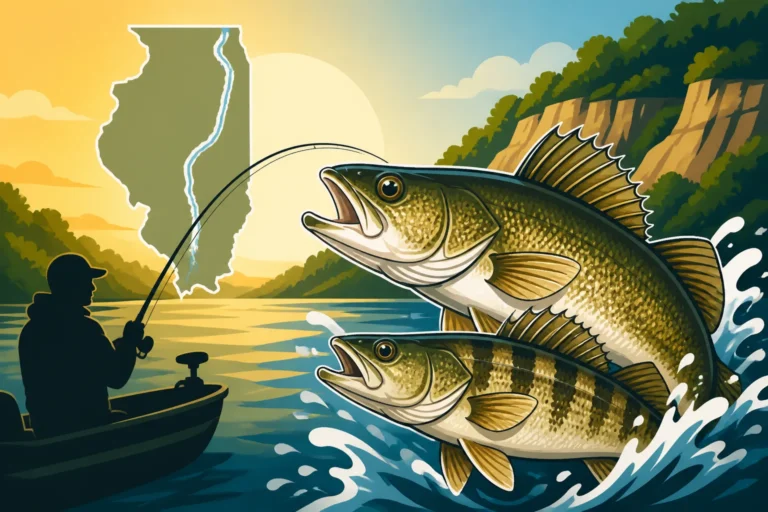
Sauger, scientifically known as Sander canadensis, are often mistaken for walleye at first glance, but they have several distinct features that set them apart. Imagine you've just pulled a fish from the murky depths of the Mississippi River; how can you tell if it’s a sauger or a walleye? The most obvious tell-tale signs are the distinct dark spots on their dorsal fin. Walleye typically have a single large dark blotch at the back of their spiny dorsal fin, while sauger will have several rows of small, round black spots spread across the entire fin. Another key difference is the absence of a white tip on the lower caudal (tail) fin of a sauger, which is almost always present on a walleye.
Sauger also tend to be a bit more slender and elongated than walleye of a similar length, and their coloration can be a bit more mottled, with irregular blotches or saddles along their sides, giving them excellent camouflage in turbid river environments. Their eyes might appear a bit larger in proportion to their head compared to a walleye, giving them superior vision in low light or stained water conditions. Understanding these subtle but important differences is crucial for any angler hoping to accurately identify their catch and adhere to specific regulations.
Sauger vs. Walleye vs. Saugeye: Key Differences
The confusion doesn't stop with just walleye; Illinois also has saugeye, a hybrid cross between a female walleye and a male sauger, which can make identification even trickier. It's like trying to tell apart different breeds of dogs that share similar ancestors. The easiest way to remember the primary difference between a sauger and a walleye, as mentioned, is those distinctive spots on the dorsal fin of the sauger. Walleye have that dark blotch, while sauger have the clear rows of spots.
Saugeye, on the other hand, often exhibit a mix of characteristics from both parents. They might have some spotting on the dorsal fin, but usually not as pronounced or as uniformly distributed as a pure sauger. They might also show a faint white tip on the lower tail fin, or none at all. Their body shape tends to be intermediate, not quite as slender as a sauger nor as robust as a walleye. To really get a handle on this, checking out a detailed guide like Illinois Walleye vs Sauger vs Saugeye: Key Differences can be a game-changer. Knowing these distinctions isn't just for bragging rights; it's essential because regulations like size and creel limits can sometimes vary slightly between these species in certain waters.
Let's break down the visual differences in a quick table:
| Feature | Sauger | Walleye | Saugeye |
|---|---|---|---|
| Dorsal Fin | Numerous distinct dark spots in rows | One large, dark blotch at the rear | Variable, sometimes faint spots, usually less defined than sauger |
| Tail Fin | No white tip on lower lobe | Distinct white tip on lower lobe | Often faint or no white tip |
| Body Shape | More slender, elongated, mottled | More robust, less mottled | Intermediate between sauger and walleye |
| Pyloric Caeca | 6-9 short caeca (internal, requires dissection) | 3 long caeca (internal, requires dissection) | 9-12 short caeca (internal, requires dissection) |
| Habitat | Prefers turbid, flowing river water | Prefers clearer lakes and rivers | Tolerates both, often stocked in reservoirs |
Note: Pyloric caeca are internal organs and typically not used for field identification but are definitive for scientific purposes.
Where Sauger Thrive in Illinois
Sauger are true river rats. Unlike walleye that can thrive in both large lakes and rivers, sauger have a strong preference for moving, often turbid, water. They love current, which helps them ambush prey, and they often congregate in areas with deeper holes, channel edges, current seams, and around underwater structures like wing dams, rock piles, and submerged timber. Think about the big rivers of Illinois, particularly the Mississippi. These environments offer the perfect combination of current, depth, and structure that sauger crave.
You'll find them holding tight to the bottom, often behind an obstruction that breaks the current, allowing them to rest while still being in a prime feeding position. They are incredibly well-adapted to low-light conditions and murky water, making them formidable predators even when visibility is poor. This preference for current and specific structures is a vital piece of the puzzle for any angler looking to locate these fantastic fish.
Prime Sauger Fishing Locations in Illinois
Knowing what a sauger is leads directly to the question of where to find them. Illinois is blessed with some incredible river systems that consistently produce excellent sauger fishing, particularly once the weather turns chilly.
The Mighty Mississippi River
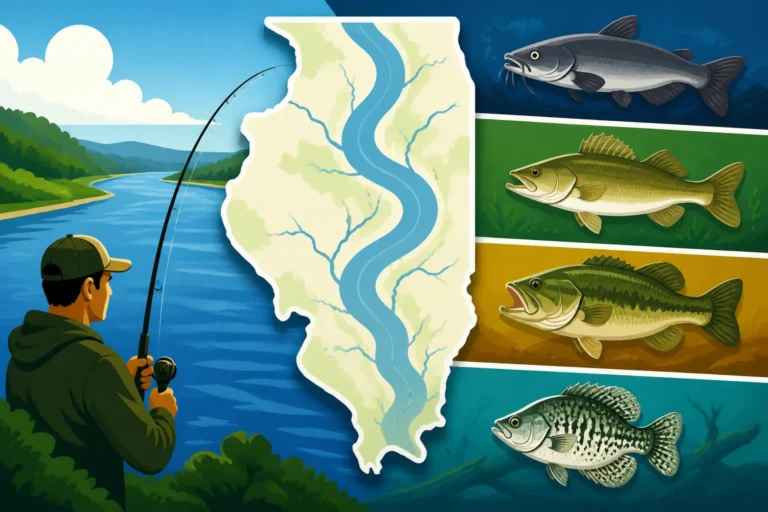
Without a doubt, the Mississippi River is the undisputed king of sauger fishing in Illinois. From its northern reaches bordering Iowa and Wisconsin, all the way down to the confluence with the Ohio River in the south, the Mississippi offers countless miles of prime sauger habitat. Anglers often find remarkable success in the pooled areas created by locks and dams, where the current is modified, creating diverse fishing opportunities. These areas are particularly attractive to sauger, as they provide both shelter from strong currents and access to baitfish being swept downstream.
Consider the stretch near Rock Island, or further south near Quincy and Alton. These areas are renowned for their sauger fishing, especially during the colder months. Anglers frequently target the main river channel, focusing on deeper holes, eddy lines, and the downstream sides of wing dams. The Mississippi's complex bottom structure—a mix of rock, sand, and submerged wood—provides ample ambush points for sauger. If you're looking for detailed advice on this specific fishery, checking out Illinois Sauger Fishing on the Mississippi River can offer even more localized insights. Remember, the Mississippi is a huge body of water, so breaking it down into specific pools or sections can help narrow your focus.
Illinois River Hotspots
While the Mississippi often gets all the glory, the Illinois River is another fantastic sauger fishery that shouldn't be overlooked. This river system, particularly below the locks and dams from Starved Rock down to Peoria and Pekin, holds strong populations of sauger. Much like the Mississippi, the sauger in the Illinois River gravitate towards current breaks and deeper sections. The deep channels, especially those with some kind of cover or structure like rock piles, bridge pilings, or submerged brush, are prime targets.
Many anglers find success fishing around the main channel, letting jigs or crankbaits drift with the current. The Illinois River offers a slightly different character than the Mississippi in some stretches, with varying levels of clarity and different bottom compositions, but the fundamental principle of targeting current-oriented structure remains the same. Fall and early spring are prime times on the Illinois River when sauger feed aggressively before and after the spawn.
Other Notable Sauger Waters
Beyond the two major rivers, sauger can also be found in other larger river systems in Illinois, though often in smaller populations or more localized areas. The Ohio River, forming Illinois's southern border, can also be a productive sauger fishery, especially around current breaks and deeper holes similar to the Mississippi. Tributaries that feed into these major river systems can also hold sauger, particularly near their mouths where they join the larger, flowing waters.
It's always a good idea to check local fishing reports or consult the Illinois Department of Natural Resources (IDNR) guides for specific information on sauger presence in smaller, regional rivers or even some larger reservoirs that might have a significant riverine influence. While sauger are predominantly a river fish, sometimes hybrid saugeye are stocked in larger impoundments, so it's worth understanding the difference to ensure you're targeting the right species and adhering to the correct rules. For a broader overview of places to cast a line, our Best Fishing Spots in Illinois guide might offer additional insights that could lead you to a hidden sauger gem.
Best Times and Seasons for Sauger
Just like any fish, sauger have peak activity periods influenced by seasonal changes, water temperatures, and even daily light conditions. Understanding these patterns will significantly increase your chances of a successful outing.
Seasonal Patterns: Fall to Early Spring Domination
Sauger are often considered a "cold-water fish," and their activity really ramps up as the water temperatures drop in the fall. This is a fantastic time to target them, as they begin to feed heavily in preparation for winter. The bite can remain strong throughout the winter months, especially for intrepid anglers willing to brave the cold. Many river anglers consider winter to be the prime season for sauger, often finding them schooled up in deeper, more stable areas of the river.
As late winter transitions into early spring, leading up to the spawn, sauger fishing can be absolutely phenomenal. They move into shallower spawning areas, often gravel flats or rocky bottom areas in the main river or its tributaries, making them more accessible. However, once the spawn is over and water temperatures rise significantly in late spring and summer, sauger tend to spread out more and can become harder to pinpoint, though they are still catchable by dedicated anglers who know where to look in deeper, cooler pockets. Many anglers find the period from October through April to be the most consistent for sauger.
Optimal Water Temperatures and Conditions
Sauger are most active in cooler water, typically thriving when temperatures are in the 40s and 50s Fahrenheit (4-15 degrees Celsius). In late fall, as river temperatures dip into the low 50s and high 40s, sauger start their aggressive feeding migrations. During the winter, when rivers might hover just above freezing, sauger often stack up in the warmest available deep holes or below current breaks, still willing to bite.
Turbid or stained water conditions are often favored by sauger, given their excellent low-light vision and mottled camouflage. Clear, sunny days can make them a bit more finicky, whereas overcast skies or days with a bit of chop on the water can trigger a better bite. Strong current, especially after recent rains that have raised river levels, can also concentrate sauger in certain areas as they seek out current breaks and ambush points. When fishing the Mississippi or Illinois Rivers, pay close attention to recent rainfall and river gauge reports, as these will give you clues about where the sauger might be holding.
Best Time of Day for Sauger Action
While sauger are active predators capable of feeding at any time, they tend to be most aggressive during periods of low light. This means dawn and dusk are often prime times, mirroring the activity patterns of many other predatory fish. Early mornings, just as the sun starts to peek over the horizon, can be incredibly productive, as sauger move out of their deeper resting spots to feed in nearby current seams or shallower shelves. Similarly, the late afternoon and evening hours, as the light fades, can also offer a strong bite.
On overcast days or during periods of heavy cloud cover, sauger might remain active throughout the entire day, especially in turbid river systems where the light penetration is already limited. In clear water, they might retreat to deeper, darker areas during the brightest parts of the day. Therefore, if you're planning a full day of sauger fishing, targeting those low-light windows at the beginning and end of the day can often yield the best results.
Effective Sauger Fishing Techniques
Sauger fishing isn't overly complicated, but a few tried-and-true techniques consistently produce results. It's often about getting your presentation right in front of them and letting the current do some of the work.
Jigging: The Go-To Method
Jigging is arguably the most effective and popular method for catching sauger, especially in river environments. Imagine dropping a small, tantalizing offering right into their living room! The key is to keep your jig close to the bottom, where sauger spend most of their time. Vertical jigging directly below the boat is highly effective when you've located schools of fish in deeper holes or along channel edges. You can either drift slowly with the current, bumping your jig along the bottom, or anchor up if you've found a particularly productive spot.
When choosing jigs, 1/4 to 1/2 ounce jigs are common, but you'll need to adjust the weight based on current speed and depth. Tipping your jig with a live minnow, a piece of nightcrawler, or even a soft plastic grub can significantly increase its appeal. The presentation is usually a lift-and-drop motion, allowing the jig to flutter and then settle back down, stirring up a puff of silt. This mimics an injured baitfish or an insect trying to escape, triggering those predatory instincts. Many anglers find success with traditional lead head jigs, but newer tungsten jigs, which are denser and offer better sensitivity, are also popular and widely available on platforms like Amazon.
Trolling for Sauger Success
Trolling is another excellent way to cover water and locate sauger, particularly in larger river sections or pools. This technique allows you to present a bait at a consistent depth and speed, drawing strikes from active fish spread across a broader area. Trolling usually involves using crankbaits that dive to specific depths, or sometimes bottom-bouncing rigs with live bait.
When trolling, it's crucial to match your lure's diving depth to the depth where sauger are holding, which is often very close to the bottom. Choose crankbaits that are designed to run in the 10-20 foot range, or even deeper, depending on the river's channel depth. Colors that mimic natural baitfish, or bright, contrasting colors in stained water, are often productive. Using a trolling motor to maintain a slow, precise speed, often just enough to give your lure its proper action, is key. For more in-depth advice on this technique, you might find our Walleye Trolling Techniques guide helpful, as many of the principles apply directly to sauger.
Live Bait Strategies
While artificial lures are effective, sometimes nothing beats the real thing. Live bait, especially minnows, can be absolutely deadly for sauger, particularly when they're less aggressive or during colder water periods. A simple live bait rig, often a minnow hooked through the lips or back, presented on a small hook with a sinker just heavy enough to hold bottom, can be incredibly effective.
You can fish live bait by drifting it through current seams, anchoring it in a deep hole, or even slow-trolling it using a bottom bouncer. The key is to let the bait drift naturally, giving it a lively presentation that sauger find irresistible. Nightcrawlers or chunks of cut bait can also work, especially for larger sauger or when you're targeting other bottom-dwelling species like catfish alongside sauger. Having a good minnow bucket and an aerator, which you can easily find on Amazon, is essential for keeping your bait lively throughout the day. For advice specifically on using live bait in colder conditions, consider exploring Best Bait for Sauger in Cold Water.
Essential Gear and Tackle for Sauger Fishing
Having the right tools for the job makes all the difference, and sauger fishing is no exception. A well-chosen rod, reel, line, and tackle can greatly enhance your sensitivity and control.
Rods, Reels, and Line Selection
For sauger fishing, sensitivity is paramount. You need to feel those subtle "thunks" or light taps as a sauger mouths your bait in the current. A medium-light to medium power spinning rod, typically 6 to 7 feet in length, with a fast action tip, is ideal. This combination offers enough backbone to handle a good fight, but the sensitive tip allows you to detect those lighter bites. Pair this with a reliable spinning reel in the 2000-3000 size range, spooled with a high-visibility braided line of 6 to 10-pound test.
Braided line offers superior sensitivity and minimal stretch, which is crucial for feeling light bites in deeper water or strong current. However, because sauger have good eyesight, especially in clearer conditions, many anglers will add a fluorocarbon leader of 6 to 8-pound test, about 3-5 feet long, tied to their braided mainline. Fluorocarbon is nearly invisible underwater and is more abrasion-resistant, which is helpful when fishing around rocky structures.
Lures and Bait Considerations
Beyond the live minnows, there's a wide array of artificial lures that can tempt a sauger. Jigs, as mentioned, are top-tier. Experiment with different colors and sizes; chartreuse, orange, white, and natural baitfish patterns are often popular. Soft plastic grubs, paddle tails, or minnow imitators ranging from 2 to 4 inches work well when threaded onto a jig head. These can be incredibly versatile, and it's always a good idea to have a variety on hand, perhaps a multi-compartment tackle box, easily purchasable through Amazon.
Crankbaits are also highly effective, especially for trolling or casting to cover water. Look for slender, deep-diving crankbaits in natural patterns (shad, perch) or brighter colors (firetiger, hot pink) when the water is stained. Blade baits, like Silver Buddies or Sonars, are also excellent, particularly for vertical jigging in strong current, as their vibration and flash can draw strikes from reluctant fish.
Electronics and Accessories
Modern electronics can be a huge asset for sauger anglers. A good fish finder with down imaging or side imaging capabilities can help you identify current breaks, locate deeper holes, and even mark schools of baitfish or sauger holding near the bottom. This is especially true on large river systems like the Mississippi or Illinois, where understanding the underwater topography is crucial.
Beyond the main electronics, consider a reliable electric trolling motor with GPS Spot-Lock technology if you're fishing from a boat. This allows you to hold your position precisely over a productive spot, even in strong current, freeing you up to focus on fishing. Other essential accessories include a long-handled landing net (sauger can be quite feisty!), needle-nose pliers for hook removal, and a reliable stringer or livewell if you plan to keep your catch. A sturdy pair of polarized sunglasses will also help you spot subtle changes in the water, even in turbid conditions.
Illinois Regulations for Sauger Fishing
As with any fishing adventure in Illinois, understanding and adhering to the current regulations is not just important for conservation, but it's also the law. Ignoring these rules can lead to fines and other penalties, which no one wants on their fishing trip.
Size and Creel Limits
Regulations for sauger, like many fish species, are subject to change and can vary from year to year or even from one body of water to another. Therefore, it's absolutely critical to consult the most current Illinois Fishing Information Guide before heading out. Generally, sauger often have a minimum length limit and a daily creel (possession) limit. For instance, you might encounter a 14-inch minimum length limit and a daily limit of six sauger, but these numbers are illustrative and not current figures.
The purpose of these limits is to protect the sauger population and ensure sustainable fishing for future generations. Releasing fish that are under the minimum length is paramount, as it allows them to grow and contribute to spawning. Make sure you have a reliable measuring device with you, and understand how to properly measure a fish (usually from the tip of the snout to the tip of the tail, with the fish laid flat). When in doubt, always err on the side of caution and release the fish. Illinois Fishing Regulations Overview is a great resource to double-check everything before you cast your first line.
Handling and Conservation Practices
Proper handling of sauger is crucial, especially for those fish you intend to release. Because they are often caught in deeper water, sauger can sometimes suffer from barotrauma (the effects of rapid pressure change) when brought to the surface quickly. If a fish appears distressed or is unable to swim back down, it might benefit from a fizzing tool to release air from its swim bladder, though this technique requires practice and knowledge to do safely.
Minimize handling time, keep the fish wet, and use a net to land them whenever possible. Avoid placing them on hot, dry surfaces. If you plan to keep sauger for consumption, dispatch them quickly and humanely, and store them on ice to maintain freshness. Remember, a healthy fishery depends on responsible angling practices, and every fish released successfully helps ensure that Illinois waters remain productive for years to come.
License Requirements
Before you even think about dropping a line for sauger (or any fish) in Illinois, you absolutely must possess a valid Illinois fishing license. This isn't just a suggestion; it's a legal requirement for almost everyone over a certain age. There are different types of licenses available, including annual, 24-hour, and even lifetime options, depending on your residency and how often you plan to fish.
You can purchase licenses online through the Illinois Department of Natural Resources (IDNR) website, or at many sporting goods stores, bait shops, and even some Amazon partner retailers. Be sure to carry proof of your license with you while fishing, whether it's a physical copy or a digital version on your phone. Non-residents also need to purchase an Illinois fishing license, and the fees may differ. Exemptions do exist for certain age groups (very young children, super seniors) or during specific Illinois Free Fishing Days and License-Free Weekends, but generally, if you're an adult and want to fish, you need a license. For a complete breakdown of what you need, refer to the Illinois Fishing License Guide for 2026. Don't let a simple oversight ruin your fishing trip!
Disclaimer
This article is for general informational purposes only and does not constitute professional advice. Laws, prices and regulations vary by location and change over time. Consult a qualified professional for guidance on your specific situation.