How to Fish After Heavy Rain
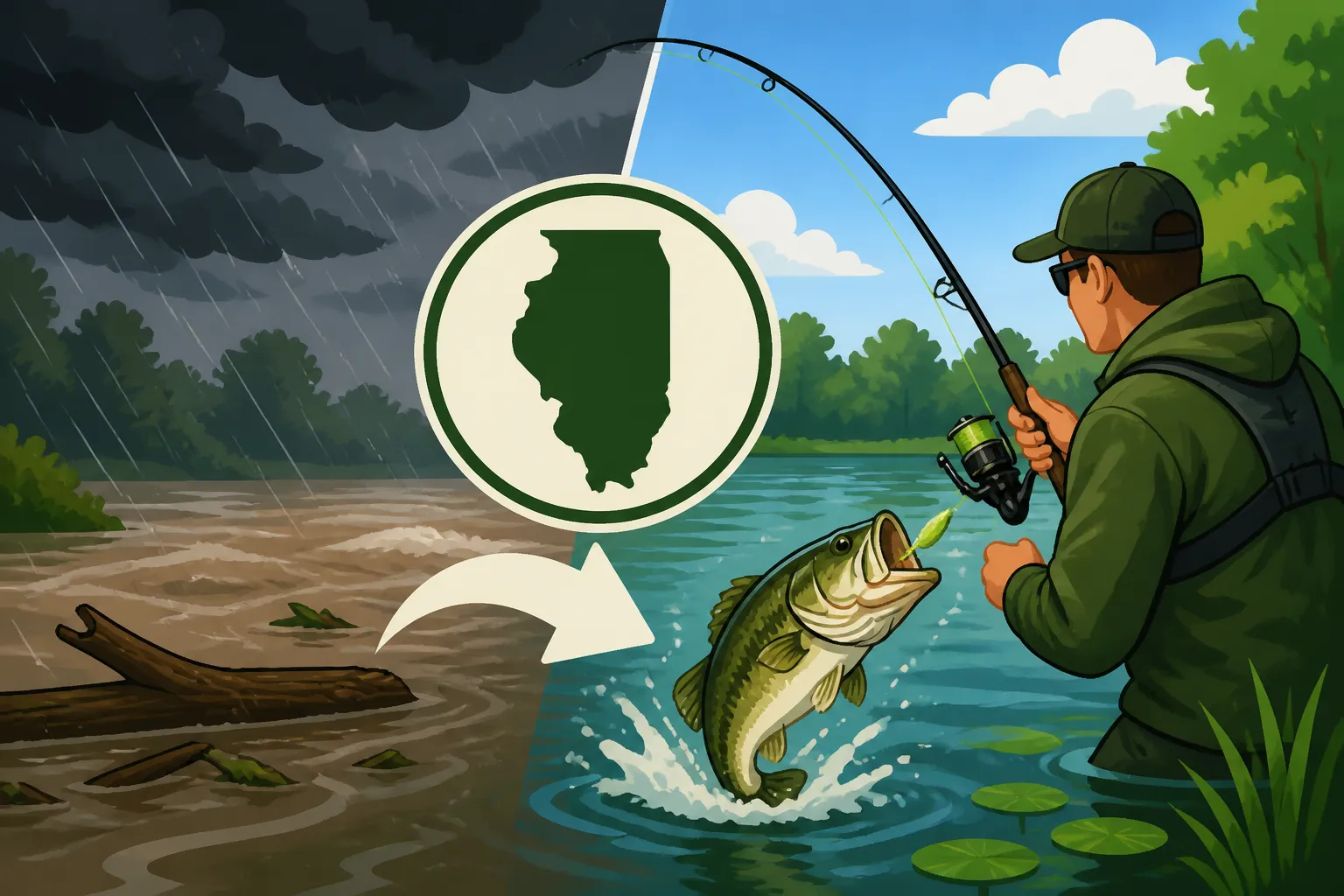
There's nothing quite like planning a fantastic fishing trip, only for Mother Nature to throw a wrench in your plans with a torrential downpour. You wake up, look out the window, and see muddy torrents where clear streams once flowed, or your favorite lake is suddenly a chocolate-milk color. It's easy to get discouraged and pack it in, assuming the fish have gone into hiding. But don't despair! Heavy rain actually changes the dynamics of the water in ways that can create some incredible fishing opportunities if you know how to adapt. This guide will walk you through the science of what happens after a major rain event and, more importantly, how you can leverage those changes to still have a successful day on the water in Illinois.
Understanding How Rain Affects Fish and Water
When a significant amount of rain falls, it doesn't just make the ground wet; it fundamentally alters the aquatic environment. Understanding these changes is the first step to knowing how to fish effectively. Think of it like a complete reset button for the ecosystem, and the fish have to react to it just like everything else.
Water Temperature Fluctuations
One of the most immediate impacts of heavy rain, especially after a period of warm or hot weather, is a drop in water temperature. Rainwater is typically cooler than the surface water of a lake or river, and a prolonged downpour can cool the upper layers. Conversely, if it's been a cold stretch and a warm rain comes through, it can actually warm the water slightly. These shifts, even subtle ones, can influence where fish decide to hold. Fish are cold-blooded creatures, so their metabolism and activity levels are directly tied to the water temperature. A sudden cooling might make them less active for a bit, while a slight warming could spur them into feeding. It's always a good idea to pay attention to these subtle shifts, as fish will seek out their preferred temperature zones. You can learn more about this by reading How Water Temperature Affects Fish Activity.
Increased Turbidity and Sediment
This is probably the most noticeable change after heavy rain: the water gets muddy. Runoff from the land carries silt, soil, leaves, and other debris into the waterways, drastically increasing turbidity. This significantly reduces visibility, which can be a double-edged sword for anglers. On one hand, it can make it harder for fish to see your bait. On the other hand, it also makes it harder for fish to see you, and it can make them feel more secure to move into shallower areas they might otherwise avoid. Predator fish often use this lack of visibility to their advantage, ambushing prey that can't spot them easily. Sediment also brings with it nutrients and organic matter, which can kickstart the food chain in different ways, attracting smaller baitfish, and thus, larger predators.
Oxygen Levels and Runoff
Believe it or not, heavy rain can have a mixed effect on oxygen levels. While the churning action of falling rain and increased flow can introduce oxygen into the surface layers, especially in smaller bodies of water, the runoff itself can sometimes deplete oxygen. Decaying organic matter washed in by the rain consumes oxygen as it breaks down. Furthermore, heavy rain can wash pesticides, fertilizers, and other pollutants from agricultural lands or urban areas into the water. These pollutants can sometimes create an oxygen crash, forcing fish to move to areas with better oxygenation. Often, fish will seek out areas where fresh, oxygenated water is entering, such as near feeder creeks or river inlets. They might also gravitate towards the surface or areas with current, where oxygen levels tend to be higher.
Strategic Adjustments for Post-Rain Fishing
Okay, so the water's changed. Now what? The key is to adapt your approach. What worked before the rain likely won't be as effective right after. You need to think like a fish, understanding their new priorities and where they might be seeking comfort and food.
Finding Clearer Water Pockets
One of the best strategies after heavy rain is to seek out areas where the water hasn't gotten as muddy, or where it's clearing up faster. This often means looking for places that are somewhat protected from direct runoff.
- Backwaters and Sloughs: These areas, especially off major rivers like the Mississippi or Illinois, often filter out sediment more quickly. The current is slower, allowing suspended particles to settle. Fish might move into these calmer, slightly clearer zones to escape the main current's debris and confusion.
- Upstream Areas: If the rain was localized, areas further upstream from major tributaries might still have decent clarity.
- Inlets and Seepage: Look for small springs or areas where groundwater is seeping in, as this water will often be clearer and might even have a more stable temperature.
- Main Lake Body: In very large lakes, the main basin might resist turbidity more than shallow coves or areas near major creek mouths. However, deep water also means fish have more room to roam, so a good fish finder can be an indispensable tool for locating them.
Adapting Bait and Lure Choices
With reduced visibility, your usual clear-water tactics might fall flat. This is where you need to make some crucial adjustments to your presentation.
- Vibration and Sound: Fish rely heavily on their lateral line in murky water to detect vibrations. Lures that displace a lot of water or create significant sound become highly effective. Think spinnerbaits, chatterbaits, lipless crankbaits, or even big, clunky swimbaits. These send out vibrations that fish can feel from a distance, even if they can't see them.
- Contrast and Color: While bright colors might seem counter-intuitive in muddy water, they can actually stand out more. Dark colors, like black or junebug, can also provide a strong silhouette against the lighter sky or water surface. Chartreuse, orange, and even fluorescent pink can be surprisingly effective. The key is contrast. Avoid subtle, natural colors that blend in too much. You want something that screams "here I am!"
- Scent: This is where bait selection truly shines. If fish can't see well, they'll use their sense of smell. Live bait like worms, minnows, or cut bait are excellent choices. For artificial lures, consider adding scent attractants to your plastics or jigs. Products you can find on Amazon that enhance scent can give you an edge.
- Slower Presentation: Fish might be less aggressive in confusing post-rain conditions. Slowing down your retrieve allows fish more time to locate your bait using their other senses and makes it an easier target to commit to. Dragging a jig, slow-rolling a spinnerbait, or letting a worm sit for an extended period can be very effective.
Focusing on Structure and Current Breaks
Fish are always looking for shelter and ambush points, but after a heavy rain, these spots become even more critical.
- Current Breaks: In rivers and streams, heavy rain means increased current. Fish will seek refuge behind anything that breaks that current – fallen trees, large rocks, bridge pilings, bends in the river, or even subtle changes in bottom contour. These current breaks allow them to conserve energy and ambush prey being swept downstream.
- Submerged Structure: Underwater cover like brush piles, rock piles, and weed beds offer fish a place to hide from the current and suspended debris. They also provide ambush points for predatory fish like bass and crappie.
- Transition Zones: The edges where muddy water meets clearer water are often hotspots. Fish will stage in the clearer water, darting into the turbid zone to feed.
- Shallow Inundated Areas: As water levels rise, new areas get flooded. This might be flooded grass, brush, or even agricultural fields. These areas often hold worms, insects, and other food sources washed in by the rain, attracting fish into surprisingly shallow water. These new feeding grounds can be absolutely fantastic if you can find them.
Best Fish Species to Target After a Downpour
While many fish species get active after rain, some are definitely more reliable targets than others. Knowing which fish thrive in these changed conditions can help you focus your efforts.
Catfish: The Rain Lovers
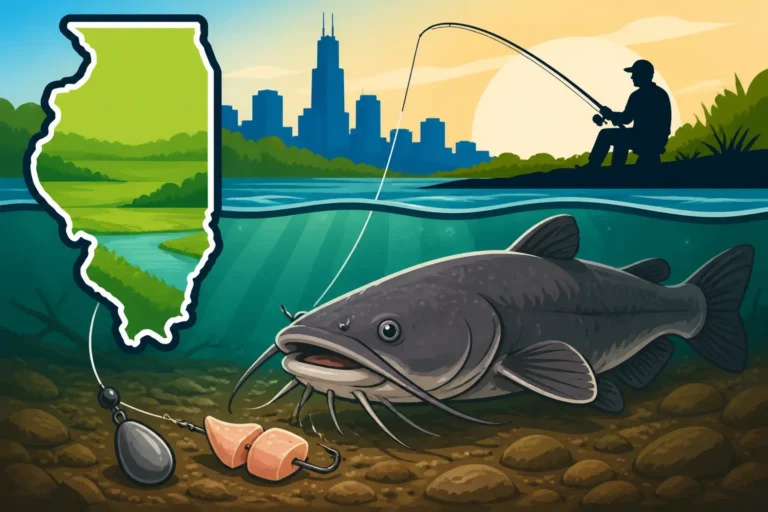
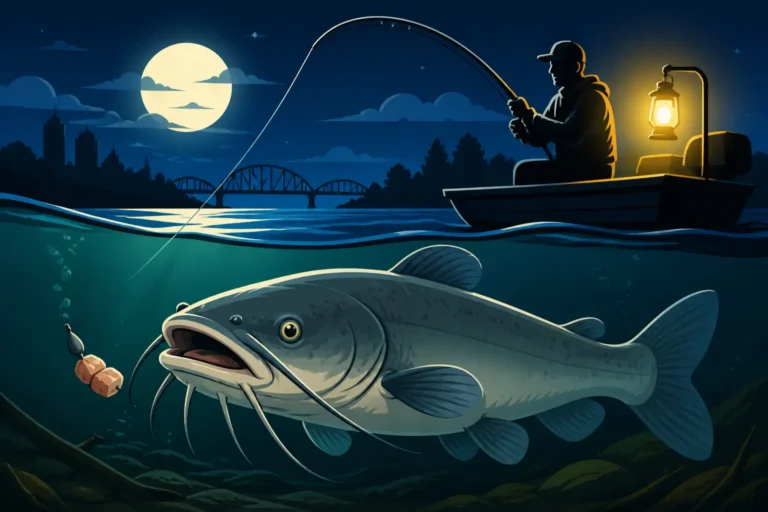
If there's one species that absolutely loves a good rain, it's catfish. They are perfectly adapted to murky, current-filled water. Their excellent sense of smell and barbels allow them to find food even when visibility is zero.
- Where to find them: They'll often move into flooded areas to feed on worms and insects washed into the water. In rivers, look for them along current breaks, behind log jams, or in deeper holes where they can stage. Near feeder creeks where fresh, oxygenated water and food are entering are also prime spots. For general guidance, check out Illinois Catfish Daily Limits Explained to ensure you're fishing legally.
- Best Baits: Stink bait, cut bait (especially shad or skipjack), nightcrawlers, and even chicken livers are all fantastic options. These baits have strong scents that catfish can't resist. You can find many great options for these on Amazon, from pre-made dough baits to scent enhancers for your cut bait. Learn more about effective baits in Best Bait for Channel Catfish.
- Technique: Bottom fishing is almost always the way to go for catfish. Use a simple slip-sinker rig or a three-way swivel rig. Cast it out, let it sink to the bottom, and wait. Be patient, as catfish bites can sometimes be subtle.
Bass: Ambush Predators in Murky Water
Both largemouth and smallmouth bass can be excellent targets after a rain, particularly if the water temperature changes are to their liking. They use the reduced visibility to their advantage, becoming more aggressive and less wary.
- Where to find them: Largemouth bass will often move into newly flooded shallow cover – submerged grass, bushes, or flooded timber – looking for easy meals. In reservoirs, they'll often be found near creek channels or points where runoff is entering. Smallmouth bass in rivers will hold tight to current breaks and rocks, ambushing anything that drifts by.
- Best Baits: Spinnerbaits and chatterbaits are absolute killers in muddy water. The flash and vibration are irresistible. Dark-colored or highly contrasted crankbaits that dive to the depth where the fish are holding also work wonders. Soft plastics, especially dark-colored worms or creature baits, fished slowly on a Texas rig or Carolina rig, can also be very effective. Look for lures on Amazon that offer a lot of vibration or a strong silhouette. Want to know more? Read Best Bass Lures for Murky Water.
- Technique: Focus on pitching and flipping into heavy cover in flooded areas for largemouth. For smallmouth in rivers, cast upstream of current breaks and let your lure drift naturally into the strike zone. A slower retrieve is often beneficial, giving bass more time to react. Remember to be mindful of regulations, such as the Illinois Statewide Bass Daily Catch Limit of Six Fish.
Crappie: Adjusting to the New Conditions
Crappie can be a bit more finicky after a rain, as they prefer clearer water. However, they will still feed, and if you can find them, the bite can be strong.
- Where to find them: Look for crappie in the slightly clearer water pockets mentioned earlier – backwaters, protected coves, or areas away from direct runoff. They will often relate to submerged brush piles, standing timber, or docks, where they can find cover and ambush baitfish. Creek channels in larger reservoirs can also be productive as they act as highways for baitfish.
- Best Baits: Small jigs (1/32 to 1/16 ounce) tipped with a soft plastic grub or minnow imitation are classic crappie getters. In murky water, use bright or dark, contrasting colors like chartreuse, pink, or black. Live minnows suspended under a bobber are always a solid choice, especially if you can get them to the right depth. You might find specialty crappie jigs and minnow buckets on Amazon.
- Technique: Vertical jigging directly over structure is effective. If you're using a bobber, make sure your bait is at the depth where the crappie are holding, which might be shallower if they've moved up to feed in new areas. A slow, steady retrieve or a gentle lift-and-drop motion can entice bites. Don't forget that Best Crappie Jig Colors for Stained Water can make a real difference.
Essential Gear and Safety Tips for Post-Rain Angling
Fishing after heavy rain isn't just about changing your lures; it's also about staying safe and being prepared for the conditions. The environment can be more unpredictable and potentially hazardous.
Visibility and Rain Gear
First and foremost, be prepared for more rain or lingering damp conditions. A good quality waterproof rain suit, including pants and a jacket, is essential to stay comfortable. You'll also want waterproof boots.
- Headlamp/Flashlight: Even during the day, overcast skies and murky water can reduce visibility. A headlamp can be invaluable for tying knots or navigating around shore obstacles.
- Polarized Sunglasses: While water clarity is reduced, polarized sunglasses can still help cut glare from the surface, allowing you to see subtle changes in water color or detect submerged hazards.
- Gloves: Wet hands can get cold quickly, and wet lines can be harder to grip. Waterproof gloves can make a big difference in comfort.
Navigating Swollen Waters
Whether you're fishing from shore or a boat, post-rain conditions demand extra caution.
- Current Awareness: Rivers and streams will have significantly stronger currents. If you're wading, be extremely careful, and consider staying out of the water if the current is too swift. From a boat, understand how the current will affect your drift and boat control.
- Debris: Runoff brings a lot of debris – logs, branches, trash, and other submerged obstacles. These can be dangerous for boat propellers and can create snagging hazards for shore anglers. Always keep an eye out for floating debris.
- Shoreline Stability: Eroded banks can be unstable and dangerous. Avoid standing too close to the edge of steep banks, especially after significant rainfall has saturated the soil.
- Boating Safety: If you're on a boat, ensure all your Illinois Boating Safety Gear Checklist items are on board and accessible. Life jackets are critical, especially with higher currents. Remember, even if you're an experienced boater, these conditions can be tricky. Knowing Illinois Boater Education Card Requirements can ensure you're compliant and prepared. Consider if your Best Fishing Boats for Illinois Lakes is truly suited for these more challenging conditions.
Checking Water Levels and Debris
Before you even head out, do a bit of research.
- Online Resources: Check local river gauges or lake level reports. Many state and federal agencies provide real-time data on water levels and flows. This can give you an idea of how much the water has risen and if it's receding.
- Local Reports: Call a local bait shop or check fishing forums for recent reports. Anglers in the area can often provide invaluable insights into current conditions and what's biting.
- Visual Inspection: When you arrive, take a few minutes to observe the water. Look for signs of heavy current, debris, and changes in water color. This initial assessment can save you a lot of wasted casting time.
- Mud Lines and Eddies: These visual cues can tell you a lot. Mud lines where turbid water meets clearer water are often productive. Eddies and slack water behind obstacles are where fish will rest from the current.
Fishing after heavy rain might seem daunting at first, but with the right mindset and a few strategic adjustments, it can lead to some of the most memorable catches of the season. The key is to embrace the changes, understand how fish react, and most importantly, stay safe out there. Happy fishing!
Disclaimer
This article is for general informational purposes only and does not constitute professional advice. Laws, prices and regulations vary by location and change over time. Consult a qualified professional for guidance on your specific situation.