Easiest Fish to Catch for Beginners
Starting a new hobby like fishing can feel incredibly overwhelming, especially when you're staring at an entire wall of complex lures, reading about specialized rigs, and hearing seasoned anglers talk about "structure" and "thermoclines." It's enough to make anyone wonder if they should even bother! But here in Illinois, there's a secret: you don't need fancy gear or years of experience to catch fish and have a fantastic time. This guide is all about simplifying your entry into the wonderful world of Illinois fishing, focusing on the easiest fish to catch for beginners, so you can enjoy the peace of the water and the thrill of a bending rod without all the fuss.
The Ubiquitous Bluegill: Your First Fishing Friend
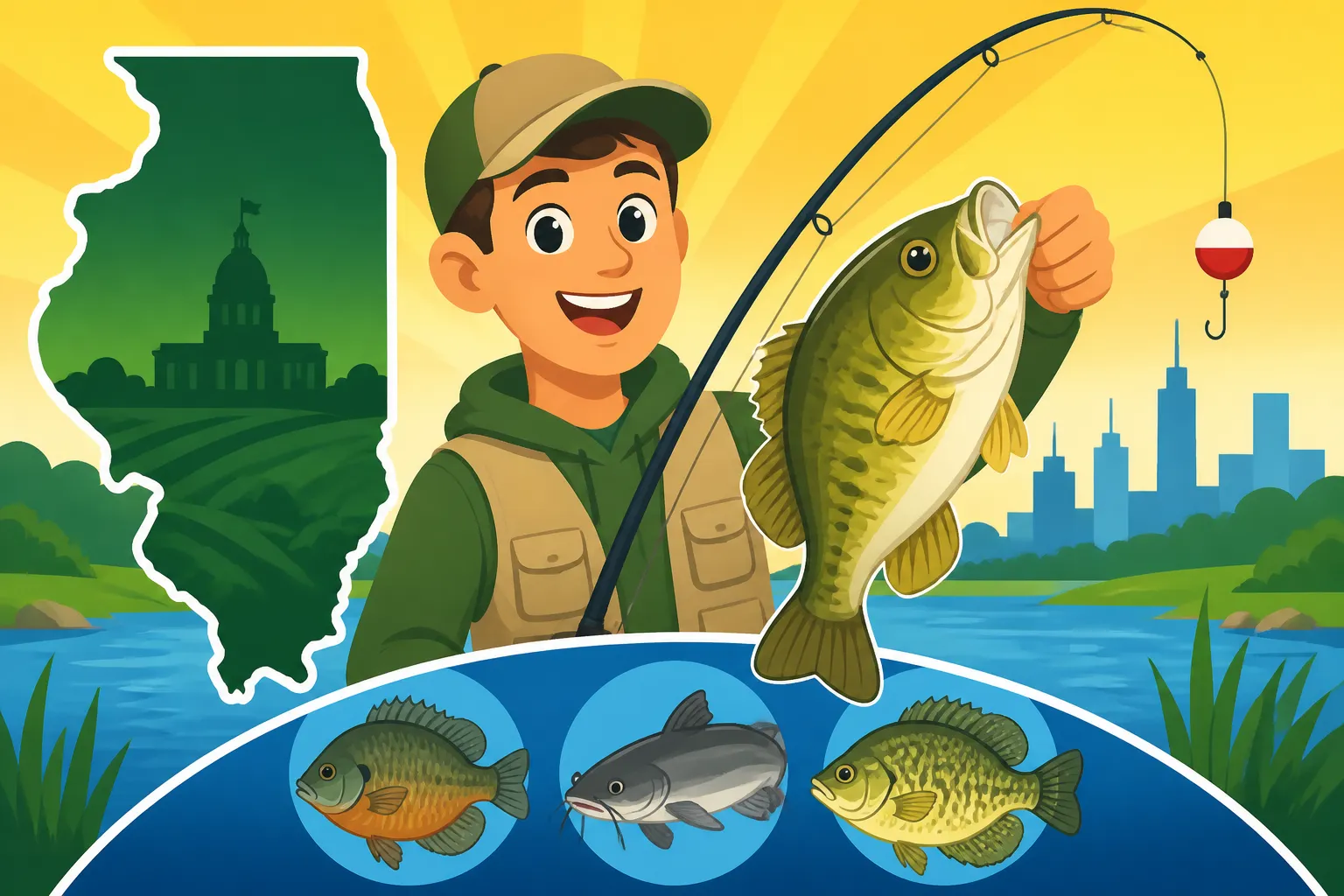
If you're brand new to fishing, or you're looking to introduce someone to the sport, the bluegill is your absolute best friend. These little sunfish are like the welcoming committee of Illinois waters – they're everywhere, they're feisty, and they are almost always hungry. You don't need a degree in ichthyology to find or catch them, and that's precisely why they're so perfect for getting your feet wet. The pure joy of feeling a tug on your line, seeing that bobber disappear, and reeling in your first catch is an unforgettable experience, and bluegill deliver that experience consistently.
Why Bluegill are Perfect for Beginners
Bluegill are, simply put, prolific. They reproduce in huge numbers, which means there are often plenty of them in any given body of water. They also tend to hang out in schools, so if you catch one, there's a good chance more are nearby, ready and willing to bite. This high success rate is incredibly encouraging for beginners. Imagine the frustration of spending hours on the water, meticulously casting, and not getting a single bite. It's enough to make anyone give up. Bluegill actively work against that frustration. Their eager nature ensures frequent action, keeping interest high and building confidence, which is truly invaluable for someone just starting out. You'll quickly learn the basics of casting, setting the hook, and reeling in a fish, all while having a genuinely fun time. If you're looking for the Easiest Fish for Kids to Catch on an Illinois Pond, bluegill almost always top the list.
Simple Setups and Baits for Bluegill
One of the greatest things about bluegill is that you don't need specialized, expensive gear. A basic spinning rod and reel combo, often found for a very reasonable price, is all you need. Think a lightweight rod, about 5-6 feet long, paired with a small spinning reel spooled with light line (4-6 pound test is plenty). For your terminal tackle, it's even simpler: a small hook (size 8 or 10 is ideal), a small split shot weight placed a few inches above the hook, and a bobber. The bobber is key for beginners; it tells you exactly when a fish is biting!
As for bait, bluegill aren't picky. The classic live bait options like a small piece of a nightcrawler, a red worm, or even a cricket are incredibly effective. You can often find these at local bait shops, or even dig them up in your backyard after a rain. For those who prefer artificials or want something that lasts longer, small jigs tipped with a bit of Berkley Gulp! or a small plastic grub can also work wonders. You can find many of these basic items, including beginner rod and reel combos and a variety of easy-to-use baits, on Amazon if you're looking to quickly assemble a starter kit. Trust me, you don't need a tackle box full of a hundred different lures. Just a handful of these simple items will get you catching bluegill in no time. For more specific bait recommendations, check out our guide on the Best Bait for Bluegill Fishing.
Where to Find Bluegill in Illinois
Bluegill are homebodies, preferring calmer, shallower waters with some sort of cover. This means you'll often find them lurking around docks, lily pads, fallen trees, brush piles, or even just along the shallow edges of lakes and ponds. If you're fishing a pond, walk the shoreline and look for areas with weeds or shadows; these are prime bluegill real estate. On larger lakes, focus on quiet coves, areas where creeks feed into the lake, or any visible structure like submerged timber. They're often within casting distance from the bank, which is another huge plus for beginners who might not have a boat. Illinois has countless small ponds and state park lakes absolutely brimming with these eager biters. Just remember to move slowly and quietly along the bank so you don't spook them.
Crappie: A Step Up in Deliciousness (Still Easy!)
Once you've mastered the bluegill, or if you're looking for a slightly larger, equally delicious panfish, crappie are an excellent next step. These speckled beauties are another fantastic option for beginners in Illinois, particularly because they tend to school together in large numbers, and their bite can be quite aggressive, making them a blast to catch. There’s something incredibly satisfying about finding a school of crappie and catching several in a short amount of time. Plus, they are truly one of the best-tasting freshwater fish you can catch in our state.
Why Crappie Make Great Beginner Targets
Crappie are incredibly popular among Illinois anglers for good reason. Like bluegill, they are prolific and often found in schools, meaning once you locate them, you can have a day of consistent action. They tend to be a bit larger than bluegill, offering a more substantial fight and a more satisfying meal at the end of the day. For a beginner, the added challenge of handling a slightly bigger fish while still relying on straightforward techniques is a great way to build skills and confidence. Their schooling behavior also means less guesswork; if you find one, you've likely found a whole group. This minimizes the time spent searching and maximizes the time spent fishing, which is always a win for a beginner.
Basic Crappie Rigs and Baits
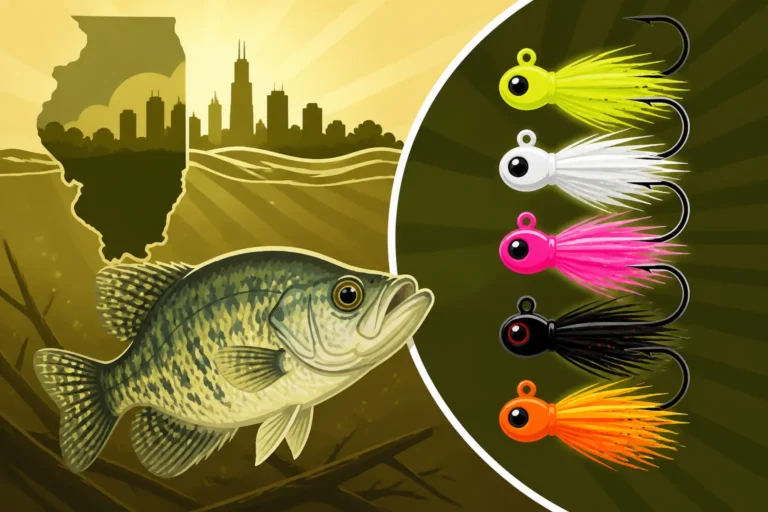
Crappie fishing doesn't require complex rigs either, though it introduces the use of small artificial lures. The simplest setup involves a light action spinning rod and reel, similar to your bluegill setup, but perhaps slightly longer (6-7 feet) for better casting control. The go-to bait for crappie is often a small jig, typically 1/32 to 1/16 ounce, tipped with a small plastic grub or tube. Bright colors like chartreuse, white, or pink are often very effective. You can fish these jigs under a small bobber, or simply cast them out and retrieve them with a slow, steady twitch.
Live minnows are also absolute crappie magnets. You can hook a small minnow through the lip or back and fish it under a bobber. This is a very passive, yet highly effective, method that works well from the bank or a boat. Many crappie jigs and minnow buckets can be easily sourced from Amazon or your local tackle shop. Learning to How to Catch Crappie From the Bank is a great skill that crappie provide ample opportunity to practice.
Locating Crappie Hotspots
Crappie are typically structure-oriented fish. They love to relate to submerged cover, which provides them with ambush points for prey and protection from larger predators. Look for brush piles, fallen trees, submerged timber, old creek channels, bridge pilings, and even dock supports. In spring, they move into shallower water to spawn, often in areas with reeds or submerged vegetation. During other times of the year, they might be found in deeper water, still relating to structure. Many of Illinois’ larger reservoirs like Rend Lake and Lake Shelbyville are renowned for their crappie populations. If you're fishing from the bank, scan the shoreline for any visible structure or signs of deeper water nearby. A pair of polarized sunglasses can help you see below the surface for submerged cover. To find some of the best crappie fishing Illinois has to offer, take a look at our guide on the Best Crappie Lakes in Illinois for a Full Cooler.
Channel Catfish: The Gentle Giants of Illinois Waters
For beginners who want to experience the thrill of a stronger fight and perhaps a larger catch, but without the need for advanced techniques, the channel catfish is an absolute winner. These powerful fish are incredibly abundant throughout Illinois, from small farm ponds to the mighty Mississippi River, and they are surprisingly easy to catch using simple, time-tested methods. Hooking into a strong channel cat is an experience that will make your reel sing and your heart pound, providing an exhilarating introduction to bigger fish without the intimidation factor.
Why Channel Cats are Beginner-Friendly
Channel catfish are often described as the "workhorse" of Illinois fishing. They are omnivorous scavengers, meaning they aren't particularly fussy eaters and will readily take a wide variety of baits. This lack of pickiness is a huge advantage for new anglers. You don't need to perfectly mimic a specific insect or fish; you just need to offer something smelly and appealing. Beyond their cooperative nature, channel cats are known for their strong, sustained fights. Even a modest-sized channel cat can put a significant bend in your rod, providing an exciting challenge that will cement your love for fishing. They are also incredibly widespread, making them accessible to almost anyone in the state. From small creeks to major rivers and lakes, chances are there's a good channel catfish population nearby.
Go-To Baits and Rigs for Channel Catfish
When it comes to baits for channel catfish, the smellier, the better! Popular choices include cut bait (pieces of shad, herring, or other small fish), chicken livers, nightcrawlers, and various prepared "stink baits" that come in pastes or dip forms. You can find all of these at your local bait shop, and many of the prepared baits are also available on Amazon. For a simple rig, all you need is a medium-heavy spinning or baitcasting rod (7-9 feet is good for casting further), a reel spooled with 10-20 pound test monofilament or braided line, a fairly stout hook (size 2/0 to 4/0 circle hook is excellent for beginners as it often hooks the fish in the corner of the mouth, making release easier), and a sinker heavy enough to hold your bait on the bottom.
A basic bottom-fishing rig, often called a slip-sinker rig or Carolina rig, is perfect. Thread your main line through an egg sinker, then tie on a barrel swivel. To the other end of the swivel, tie about 12-18 inches of leader line (the same or slightly lighter test as your main line), and then your hook. This allows the fish to pull the bait without feeling the weight of the sinker immediately, leading to more confident bites. For a more detailed look at effective baits, read our article on the Best Bait for Channel Catfish From the Bank.
Where to Hook a Channel Cat
Channel catfish prefer deeper holes, river bends, and areas with current breaks in rivers. In lakes, they'll often be found near the bottom in the main lake basin, along old creek channels, or near dam structures. They are also active at night, making them a fantastic target for after-dark fishing trips, which can be a whole new adventure for a beginner. If you're fishing a river, look for slower eddies downstream from rapids, deep scour holes on the outside bends, or anywhere logs and debris have collected, creating current breaks. For those targeting catfish in specific waterways, exploring guides like the Best Catfish Rivers in Illinois can offer precise location insights. Even many smaller ponds and larger community lakes are stocked with channel catfish, so don't overlook your local waters. Cast your bait out, let it sink to the bottom, and then set your rod in a sturdy holder and wait for that tell-tale tug.
Getting Started: Gear, Licenses, and Mindset
Embarking on your first fishing adventure in Illinois doesn't have to be a daunting task. With a little preparation and the right mindset, you'll be enjoying the tranquility of the water and the excitement of a catch in no time. It’s all about focusing on the basics and building your skills gradually. No one becomes an expert overnight, and that's perfectly okay. The goal here is to have fun, connect with nature, and maybe bring home some fresh fish for dinner.
Essential Gear for Your First Outing
While we've touched on specific gear for each fish, let's consolidate a basic checklist for your very first fishing trip. You really don't need much to get started, which is part of the beauty of it!
- Rod and Reel Combo: A medium-light spinning combo (5-7 feet) is versatile enough for bluegill, crappie, and even smaller channel cats. You can often find decent beginner combos for under $50.
- Fishing Line: The rod and reel usually come pre-spooled, but having extra 6-10 pound monofilament or braided line is a good idea for re-ties.
- Hooks: A variety pack of small (size 8-10) and medium (size 2/0-4/0) hooks will cover your panfish and catfish needs. Circle hooks are beginner-friendly.
- Sinkers: A small assortment of split shot weights and egg sinkers (1/4 to 1/2 oz) will do the trick.
- Bobbers: Both small slip bobbers and clip-on bobbers are useful.
- Bait: Live bait like worms or minnows, or a small jar of stink bait.
- Pliers: For removing hooks and cutting line.
- Small Cooler with Ice: To keep your catch fresh (if you plan to keep fish).
- Measuring Tape/Scale: To ensure you're compliant with size limits.
- Sun Protection: Hat, sunglasses, sunscreen.
- Bug Spray: Because bugs are part of the outdoors!
- Small Tackle Box or Bag: To keep everything organized.
Many online retailers, including Amazon, offer pre-assembled beginner fishing kits that contain most of these essentials, making it super easy to grab everything you need in one go. For a deeper dive into setting up your tackle for smaller fish, consider reading our guide on the Best Beginner Bluegill Fishing Setup.
Understanding Illinois Fishing Licenses
This is a critical, non-negotiable step for anyone aged 16 and older who plans to fish in Illinois. Before you even cast a line, you need to ensure you have the proper fishing license. It's not just a formality; it directly funds conservation efforts and helps maintain the health of our fisheries. You can purchase an Illinois fishing license online through the Illinois Department of Natural Resources (IDNR) website, at most sporting goods stores, or at many bait shops throughout the state.
There are different types of licenses, including annual resident, non-resident, and even short-term options. While kids under 16 generally don't need a license, it's always best to check the current regulations, especially if you're planning a family outing. We have a detailed resource that covers the Illinois Fishing License Guide for 2026, which will help clarify any questions you might have about requirements and costs. It's also important to understand the Illinois Fishing License Rules for Children and if Do Kids Need a Fishing License in Illinois?. Ignorance of the law is no excuse, and a quick check can save you from an unnecessary headache. Always keep your license with you while fishing, either physically or digitally on your phone.
Embrace the Learning Curve and Have Fun
The most important "gear" you can bring on your first fishing trip is a positive attitude and a willingness to learn. You won't catch fish every time, and that's perfectly normal – even seasoned anglers have slow days. Don't let a lack of immediate success deter you. Fishing is as much about patience, observation, and enjoying the outdoors as it is about catching fish.
Think of each outing as an opportunity to learn something new. Did you try a different bait? Did you notice where the fish were biting? Did you have fun spending time by the water? Those are all wins! Embrace the quiet moments, listen to the sounds of nature, and enjoy the simple pleasure of being outside. Fishing is a journey, not a destination, and the learning never truly stops. It's a wonderful way to unwind, reduce stress, and create lasting memories, especially if you're bringing along family members. For even more tips on getting started, especially with younger anglers, our article on How to Teach a Kid to Fish for Panfish provides some great advice. So, grab your simple gear, get your license, and go make some happy memories on the water.
Easiest Fish for Beginners: A Quick Comparison
To help you decide which fish to target first, here’s a quick overview of our top picks for beginners in Illinois:
| Species | Ease of Catch | Typical Size (inches) | Preferred Habitat | Simplest Beginner Bait/Rig |
|---|---|---|---|---|
| Bluegill | Very Easy | 4-8 | Shallow, weedy areas, docks, brush | Worm piece under a bobber |
| Crappie | Easy | 7-12 | Submerged brush, timber, bridge pilings | Small jig or live minnow under a bobber |
| Channel Catfish | Easy | 12-24+ | Deep holes, river bends, lake channels | Stink bait/cut bait on bottom rig |
Disclaimer
This article is for general informational purposes only and does not constitute professional advice. Laws, prices and regulations vary by location and change over time. Consult a qualified professional for guidance on your specific situation.