How to Catch Bluegill From the Bank
It’s a common scenario: you’re dreaming of a peaceful day by the water, rod in hand, feeling the tug of a fish, but the thought of needing a boat, specialized equipment, or a complicated setup feels completely overwhelming. Many aspiring anglers, or even seasoned folks looking for a simple outing, get frustrated by the perceived barriers to entry in fishing. This guide is here to sweep those frustrations aside, showing you exactly how to enjoy the thrill of catching bluegill right from the bank in Illinois, making fishing accessible, fun, and easy for everyone.
Why Bluegill Are Your Perfect Catch for Bank Fishing
When you're starting out or just want a relaxing day without the hassle of a boat, bluegill are, without a doubt, your best friends in the water. These little powerhouses are incredibly abundant in Illinois, found in almost every pond, lake, and slow-moving river section. They’re often quite cooperative, meaning you won't spend hours staring at a still bobber wondering if there are even any fish around. This makes them ideal for new anglers, kids, or anyone who just wants to guarantee some action.
Abundance and Accessibility
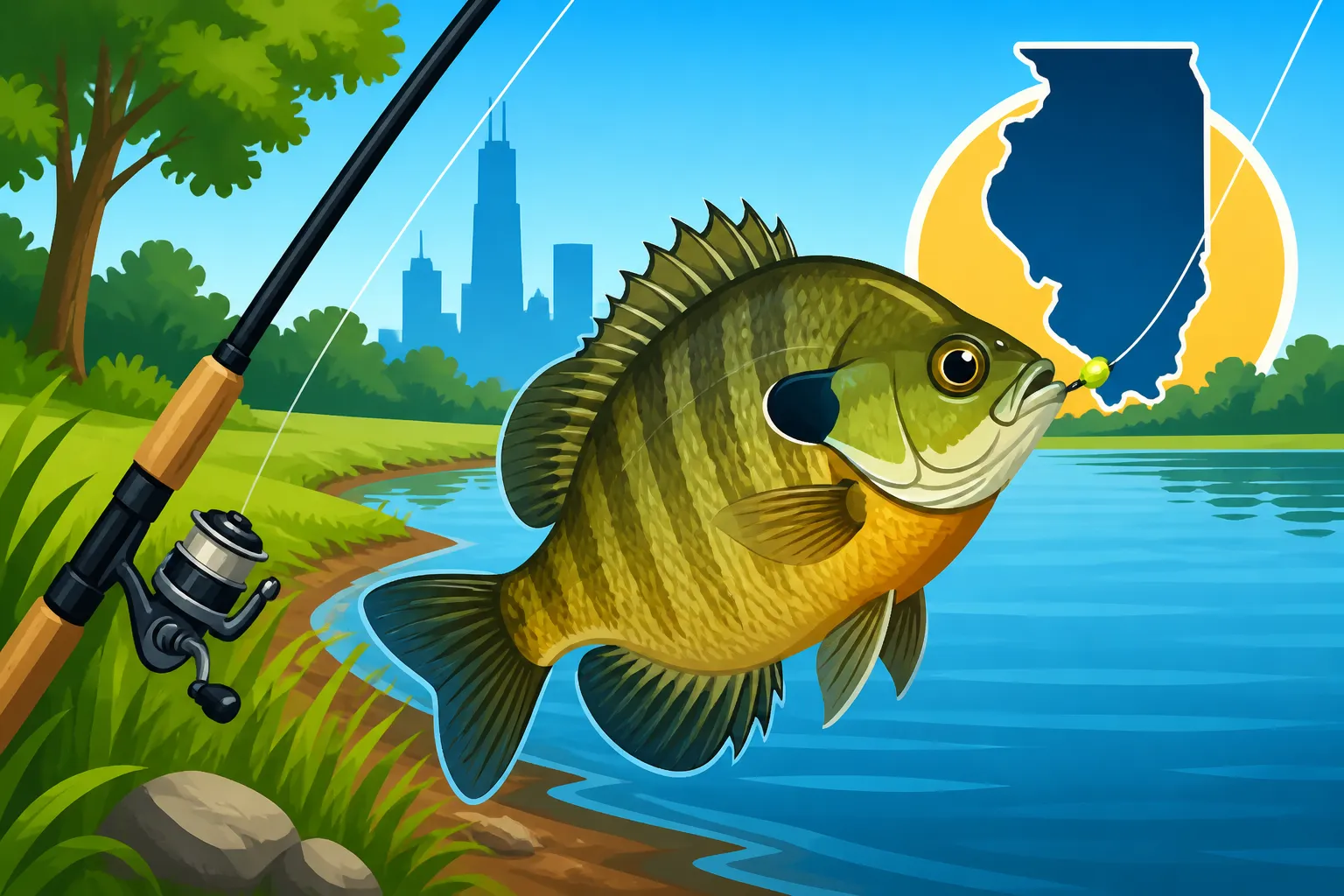
One of the greatest joys of targeting bluegill is their sheer numbers. Our Illinois waters are teeming with them! You don’t need to venture into deep, offshore waters or navigate complex river currents to find them. Bluegill love to hang out near shore, especially around cover like fallen trees, lily pads, docks, or even just patches of weeds. This means that if you can walk to the water's edge, you’re likely standing in a prime bluegill spot. This accessibility is a huge win for bank anglers, removing the need for expensive boats or specialized launching areas.
Think about it: no need to worry about boat ramp etiquette, trailering, or even gas for a motor. You simply pack a small bag, grab your rod, and head to a local pond, park lake, or slow river bend. Many state parks and local conservation areas specifically design their access points for bank anglers, sometimes even including fishing piers that put you right over prime bluegill habitat. It's the ultimate low-stress fishing experience.
Eager Biters and Family-Friendly Fun
Bluegill are notoriously aggressive eaters, especially when they're hungry. This means they're much more forgiving than some of the more finicky game fish. You don’t need to master subtle presentations or intricate lure movements. Often, a simple bait dangled in front of them is all it takes to get a strike. This makes them fantastic for introducing children to fishing. The excitement of seeing a bobber dip or feeling that first tug on the line is an unforgettable experience for kids, and bluegill deliver that excitement consistently.
The continuous action keeps everyone engaged, preventing boredom and building confidence. It’s not uncommon to catch several bluegill in a single session, sometimes one right after another. This constant activity transforms a fishing trip from a passive wait into an interactive adventure. It’s also an excellent way to teach patience and respect for nature, all while enjoying the simple pleasure of a day outdoors with loved ones.
Essential Gear for Bank Fishing Bluegill
You might be picturing complicated setups and expensive tackle, but the beauty of bluegill fishing from the bank is its simplicity. You truly don't need much, and what you do need is generally affordable and easy to find. The focus here is on efficiency and ease of use, getting you on the water quickly and without a hefty investment.
Simple Rod and Reel Setup
For bluegill, an ultralight or light-action spinning rod and reel combo is absolutely perfect. These setups are lightweight, easy to cast, and sensitive enough to feel even the lightest nibbles from a small bluegill. A rod length between 5 to 6.5 feet is ideal for bank fishing, offering enough casting distance without being cumbersome. You can find excellent beginner combos at most sporting goods stores or even on Amazon, often for a very reasonable price. Look for a reel spooled with 4 to 6-pound test monofilament line. This line strength is more than adequate for bluegill and will allow for longer, smoother casts.
Many anglers gravitate towards spinning gear for its user-friendliness. The open-faced reel design minimizes tangles and backlash, which can be frustrating for beginners. When setting up your gear, remember that balance is key. A well-balanced rod and reel will feel comfortable in your hand and reduce fatigue, especially important if you’re planning a longer fishing session or teaching a child to cast repeatedly. A good Best Beginner Bluegill Fishing Setup guide can walk you through the specifics.
Hooks, Bobbers, and Weights
This is where the magic happens for bluegill. Your terminal tackle – the bits at the end of your line – can be incredibly simple.
- Hooks: Small hooks are crucial for bluegill, as they have small mouths. Size 8 or 10 Aberdeen or baitholder hooks are usually perfect. These hooks are thin, allowing for easy penetration, and the barbs on baitholder hooks help keep your bait secure.
- Bobbers: A small, clip-on bobber is a bank angler's best friend. These brightly colored floats signal bites by dipping, dancing, or diving underwater. They also help keep your bait at a consistent depth and make casting easier. The classic red and white plastic bobber is cheap and effective, available widely, including on Amazon.
- Weights: A few small split-shot weights will help cast your bait farther and get it down to the desired depth. You just pinch them onto your line a few inches above your hook. Don't use too much weight; just enough to get your bait down without making your bobber sink.
Knowing How to Rig a Bobber for Bluegill is a fundamental skill that will serve you well. It's not rocket science, but getting the depth right can make a huge difference in your success.
Bait: The Bluegill's Favorite Snacks
Bluegill aren't picky, which is fantastic news for the bank angler. You don't need fancy, expensive lures. Natural baits are usually the most effective and wallet-friendly.
- Worms: Red wigglers, nightcrawlers (cut into smaller pieces), and other garden worms are classic bluegill bait. They're cheap, readily available at bait shops, or you might even find them in your own backyard! Bluegill absolutely love the wiggling action and natural scent.
- Cracker Crumbs/Bread: Believe it or not, a small piece of bread or a tightly rolled ball of cracker crumbs can entice bluegill. This is especially good for spontaneous trips where you might not have worms on hand.
- Corn: A single kernel of canned sweet corn can be a surprisingly effective bluegill bait. It stays on the hook well and has a sweet appeal.
- Small Artificial Baits: If you want to try lures, tiny jigs (1/32 to 1/16 ounce) tipped with a small piece of worm, a Berkley Gulp! Alive! Waxworm, or a small soft plastic grub are also very effective. These can be particularly good if you’re trying to cover more water or want to avoid constantly re-baiting.
Experiment with what’s working on a given day. Sometimes bluegill have a preference, and trying different options can lead to more bites. Learning How to Rig a Wax Worm Under a Bobber for Bluegill is an easy technique to master.
Mastering the Art of Bank Fishing for Bluegill
Catching bluegill from the bank is often more about finesse and understanding their habits than about brute force or complex strategies. Once you have your basic gear, the next step is learning how to present your bait effectively and where to find these eager panfish. It's a skill that develops quickly and pays off with plenty of bites.
Finding the Hot Spots from Shore
Bluegill are creatures of habit and tend to congregate in certain areas. From the bank, your goal is to identify these spots where they feel safe and where food is readily available.
- Cover is Key: Look for any kind of structure or cover near the shore. This includes fallen trees, brush piles, submerged logs, docks, lily pad fields, weed beds, and even rocky areas. Bluegill use these spots for protection from predators and as ambush points for insects and smaller aquatic life. Casting your bait near, but not directly into, this cover is often your best bet.
- Shallow Flats and Drop-offs: During warmer parts of the day, especially in spring and early summer, bluegill will move into shallow, sunny flats to feed. As the sun gets higher or temperatures drop, they might retreat to slightly deeper water, often found near drop-offs where the bottom contour changes rapidly. Observing the water and looking for signs of activity, like ripples or dimples on the surface, can hint at their presence.
- Wind-Blown Banks: A gentle breeze pushing across the water can sometimes concentrate food along a particular bank, making it a prime feeding area for bluegill. The wind can also create a slight current that disorients baitfish and insects, making them easier prey. Don't be afraid to cast into a slight chop if the conditions are right.
When scouting a new spot, take a few minutes to simply observe before you even cast. Look for shaded areas, points, or coves that might offer shelter or a feeding lane.
Simple and Effective Presentation Techniques
The beauty of bluegill fishing is that you don't need a degree in advanced angling techniques. Simplicity often wins the day.
- Bobber Fishing: This is the most common and effective method for bank fishing bluegill. Attach your bobber about 1-3 feet above your hook, depending on the depth you suspect the fish are holding. Cast your baited hook and bobber out, and then simply watch the bobber. Any sudden movement, dip, or pull means a bluegill is investigating or has taken your bait. Give it a second or two, then gently lift your rod tip to set the hook. This is often the first technique taught to kids and continues to be effective for all ages.
- Bottom Fishing (without a bobber): Sometimes bluegill are holding tighter to the bottom. In this case, you can forego the bobber. Use a slightly heavier split-shot weight about 6-12 inches above your hook. Cast out, let your bait sink to the bottom, and slowly retrieve, pausing occasionally. You’ll feel the bites as light taps or a steady pull on your line. This method is especially useful if you're fishing in slightly deeper water or if there's a strong breeze making bobber watching difficult.
- Finesse Jigging: If you're using small jigs or soft plastics, a slow, subtle retrieve can be deadly. Cast out, let the jig sink, then slowly reel in with small twitches of your rod tip. The goal is to mimic a struggling insect or small baitfish. This technique can be very rewarding, allowing you to cover more water than a static bobber rig.
Remember, bluegill aren't typically chasing down fast-moving prey. A slow, natural presentation is usually best. Many anglers find success by learning How to Catch Crappie From the Bank as well, as these panfish often share similar habitats and respond to similar techniques, allowing you to diversify your catch.
Tips for a Successful and Enjoyable Bluegill Bank Fishing Trip
Beyond the gear and techniques, a truly great fishing trip is about more than just the number of fish you catch. It's about the experience, the connection with nature, and making lasting memories. Especially when you're fishing from the bank, there are a few extra considerations to ensure everything goes smoothly.
Respecting the Environment and Other Anglers
When you're enjoying the accessibility of bank fishing, it's vital to be mindful of your surroundings and the people sharing the space. Pack out everything you pack in – absolutely no littering. This includes fishing line, bait containers, and any food wrappers. Leaving trash behind not only spoils the natural beauty for others but can also be harmful to wildlife.
Always give other anglers ample space. There’s nothing worse than having someone cast over your line or crowd your spot. A simple nod or polite greeting can go a long way in fostering a friendly atmosphere. If you're using live bait, make sure to dispose of any unused bait properly and not introduce it into the water system, as this can sometimes lead to the spread of non-native species or diseases. Our Illinois Fishing Regulations Overview covers many of these important points.
Patience and Persistence Pay Off
Fishing, by its very nature, requires patience. There will be times when the fish aren't biting, or when you feel like you're doing everything wrong. Don't get discouraged! Sometimes it's a matter of moving to a slightly different spot along the bank, changing your bait, or simply waiting for the fish to become active. Bluegill activity can vary significantly based on time of day, weather, and water conditions.
If one spot isn't producing, try another stretch of bank. Vary your casting distance and depth. Remember that even on slow days, the peace and quiet of being outdoors are their own reward. The satisfaction of finally feeling that tug after a period of calm is immense, and it’s a great lesson in persistence for anyone, particularly children.
Bringing the Kids Along for the Adventure
Bank fishing for bluegill is perhaps the ultimate family-friendly outdoor activity. It requires minimal gear, provides plenty of action, and allows for easy supervision.
- Keep it Simple: Don't overcomplicate the setup. A simple rod, bobber, hook, and a worm are all you need for a child's first fishing experience.
- Focus on Fun, Not Fish Count: The goal is to create positive memories. Celebrate every nibble, every cast, and every small bluegill caught. If they lose a fish, frame it as part of the learning process.
- Safety First: Always ensure children wear life jackets if they are near deeper water, especially if they are young or cannot swim. Teach them about handling hooks safely and being gentle with fish. Sunscreen, hats, and plenty of water are also must-haves.
- Snacks and Breaks: Kids have shorter attention spans. Bring plenty of snacks, drinks, and be prepared to take breaks or change activities if they get restless. Sometimes a short walk around the lake or looking for interesting rocks can re-energize them.
Fishing with kids is a fantastic way to bond and introduce them to the wonders of the natural world. For more ideas on how to make it enjoyable, check out Easiest Fish to Catch for Beginners and How to Fish for Bluegill With Kids. Getting them involved in baiting their hook (if they're old enough) or helping to land a fish can make the experience even more engaging.
Handling and Releasing Your Catch
While bluegill are delicious table fare, many anglers practice catch and release, especially for smaller fish, to help sustain healthy populations. Knowing how to properly handle fish is key, whether you plan to keep them or release them.
- Gentle Hands: Hold bluegill gently but firmly. Avoid squeezing them, especially around their gills or belly. Wet your hands before handling fish, as dry hands can remove their protective slime coat, making them more susceptible to disease.
- Hook Removal: Use needle-nose pliers or a hook-removal tool to quickly and carefully remove the hook. If the fish has swallowed the hook deeply, it might be best to snip the line as close to the hook as possible to avoid causing further injury.
- Quick Release: If releasing, get the fish back into the water as quickly as possible. Hold it upright in the water and gently move it back and forth to push water over its gills until it swims away under its own power. This helps revive the fish and increases its chances of survival.
Understanding these practices ensures that your fishing trips have a minimal impact on the local ecosystem and contributes to sustainable fishing practices for everyone. You can also explore options like Illinois Free Fishing Days Guide for opportunities to fish without a license, which is a great way to try out bank fishing. Also, consider the specific Illinois Fishing Season and Catch Limit Rules for bluegill in the water you're fishing.
Advanced Tips for the Dedicated Bank Angler
While bluegill are forgiving, there are always ways to refine your bank fishing approach and increase your success, especially when targeting larger bluegill or when the bite is slow. These subtle adjustments can make a big difference for the angler looking to go beyond the basics.
Reading the Water and Environmental Cues
Becoming a more successful bank angler involves developing your ability to "read the water." This isn't about magical powers, but rather observing and understanding the subtle cues the environment provides.
- Water Clarity: Clear water often means fish are warier. You might need to use lighter line, smaller hooks, and a more subtle approach. In murky water, bluegill rely more on scent, so a lively worm might be more effective.
- Weather and Light: Overcast days can sometimes make bluegill more active in the shallows throughout the day, as they are less bothered by direct sunlight. Sunny days often push them deeper or into shaded areas. Early morning and late evening (dawn and dusk) are almost always prime feeding times for bluegill, regardless of the weather. Consider looking into Dawn Fishing Techniques or Dusk Fishing Techniques for tips on these productive periods.
- Wind and Current: As mentioned, wind can push food. A gentle current, even in a lake, can concentrate bluegill on the upstream side of structure, waiting for food to drift by. Pay attention to how surface debris is moving to understand any subtle currents.
Taking the time to observe these factors before you even cast can greatly inform your strategy and increase your chances of success. It's about thinking like a fish!
Using Different Depths and Distances
Often, anglers will cast to the same spot repeatedly, even if they aren't getting bites. Bluegill can be scattered or holding at a very specific depth. Don't be afraid to experiment.
- Vary Your Depth: If your bobber is set at two feet and nothing's happening, try adjusting it to one foot or three feet. Sometimes fish are suspended higher or tighter to the bottom than you expect. This is where a slip bobber rig, while slightly more advanced, can be incredibly useful as it allows you to easily adjust your depth without re-tying.
- Fan Casting: Instead of casting directly in front of you every time, try "fan casting." This involves casting to different points in a fan-like pattern across the water in front of you, covering a wider area. Start by casting straight out, then gradually shift your casts to the left and right, covering all potential holding spots.
- Distance Matters: Sometimes bluegill are holding very close to the bank, especially in areas with overhanging cover. Other times, they might be just beyond the weeds or structure, requiring a longer cast. Don't limit yourself to one casting distance; try short, medium, and longer casts to find where the fish are.
By actively experimenting with your presentation, you're much more likely to locate active bluegill, even when they're being a bit shy. Exploring comprehensive guides like Best Fishing Spots in Illinois can also give you insights into different types of water bodies and their unique characteristics, helping you tailor your bank fishing strategy.
Tackle Box Essentials for Bluegill
Even for simple bank fishing, having a well-stocked, yet compact, tackle box can make a world of difference. You don't need a massive, multi-tray monster, but a small utility box with the right items will save you frustration and keep you fishing longer.
Here's a quick look at what should be in your bluegill bank fishing tackle box:
| Item | Why It's Essential |
|---|---|
| Extra Hooks (sizes 8-10) | Hooks get lost, bent, or dulled. Always have spares. |
| Split-shot Weights | Adjust depth and casting weight; various sizes are handy. |
| Small Bobbers | Replacements for lost or damaged bobbers. |
| Pliers/Forceps | Essential for hook removal, especially from smaller fish. |
| Line Clippers | For quickly cutting line when re-tying or clearing tangles. |
| Extra Monofilament Line | In case of a major tangle or to re-spool your reel. |
| Small Jig Heads (1/32oz) | For artificial bait options or tipping with a worm. |
| Soft Plastic Grubs | Small artificial lures that can entice finicky bluegill. |
| Sunscreen | Protect yourself from the elements. |
| Bug Spray | Keeps pesky insects at bay, especially near water. |
You can often find pre-made panfish tackle kits that have many of these essentials, making it easy to grab and go. Many fishing tackle organizers and small boxes are available on Amazon for organizing these small items, keeping them tidy and accessible. A good Tackle Box Setup for Illinois Species will emphasize preparedness without overpacking.
Bank fishing for bluegill in Illinois is truly one of the most accessible and rewarding ways to enjoy our state's fantastic fishing opportunities. With just a little gear and an understanding of their habits, you're all set for a day of fun, relaxation, and plenty of tugs on the line.
Disclaimer
This article is for general informational purposes only and does not constitute professional advice. Laws, prices and regulations vary by location and change over time. Consult a qualified professional for guidance on your specific situation.