How to Find Bass in Summer Heat
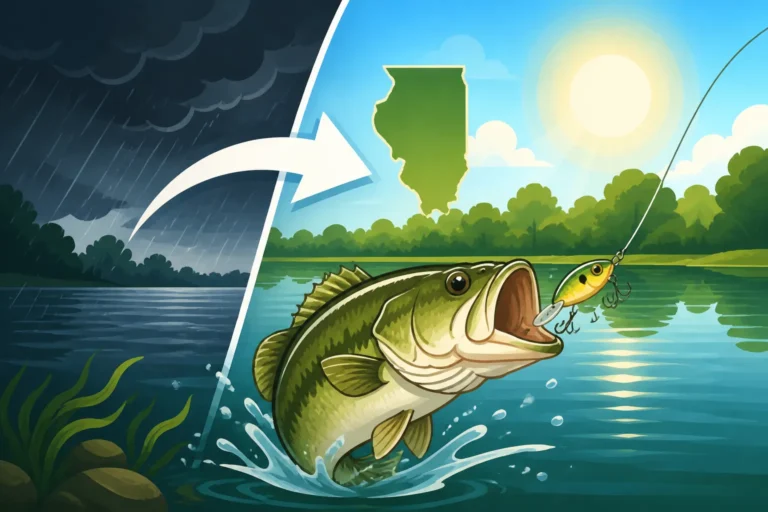
As the scorching Illinois summer sun beats down, many anglers find themselves scratching their heads, wondering where the bass have gone. It’s a common frustration – one day you’re reeling them in left and right, and the next, your favorite shallow spots are barren. The truth is, bass don't just vanish; they adapt to the extreme heat, often retreating to cooler, more comfortable havens. This comprehensive guide is here to unravel the mystery, providing you with battle-tested strategies to locate and catch those elusive bucketmouths and smallmouths, even when the thermometer is pushing triple digits.
Understanding Summer Bass Behavior and the Heat Factor
Summer heat isn't just uncomfortable for us; it significantly impacts fish behavior, especially for a warm-water species like bass. When the water temperature climbs, their world changes dramatically, and understanding these shifts is key to consistently finding them.
Why Summer Heat Changes Bass Habits
Think about it: when it's blazing hot outside, do you want to run a marathon or relax in the shade with a cold drink? Bass feel pretty much the same way. Their metabolism speeds up in warmer water, meaning they need to eat more, but they also become less tolerant of low oxygen levels and direct sunlight. The sheer intensity of summer heat forces them out of their comfortable shallow-water haunts where they might have been during the Illinois Bass Spawn Timing Guide. They become lethargic and seek refuge in areas where they can conserve energy and find relief. This often means moving to deeper water, seeking dense overhead cover, or gravitating towards areas with cooler water flow. If you've been casting into the same lily pads that were productive in spring, you're likely wasting your time and growing more frustrated with each empty retrieve.
The Importance of Water Temperature and Thermoclines
One of the biggest factors influencing where bass go in summer is water temperature, closely tied to oxygen levels. As surface waters heat up, they form distinct layers. In deeper lakes and reservoirs, you'll often find a phenomenon called a "thermocline." This is a transitional layer of water where the temperature drops rapidly. Above the thermocline, the water is warm and generally well-oxygenated. Below it, the water is much colder, but often has significantly less dissolved oxygen, especially in the deeper parts. Bass will typically hold right at or just above this thermocline, especially if it offers the best combination of comfortable temperature and sufficient oxygen. They're looking for that sweet spot where they can be cool enough without suffocating. Knowing this can literally pinpoint your search, turning vast bodies of water into manageable targets. This understanding is critical for anyone trying to decipher Best Water Temperature for Bass Fishing in the dog days of summer.
Prime Locations to Find Bass When Temperatures Soar
Once you understand why bass move, the next step is knowing where to look. Forget the shoreline shadows; summer bass are playing a deeper, more strategic game.
Targeting Deeper Water Structures
When the shallows become too warm or too bright, bass head for deeper, more stable environments. This means focusing your efforts on underwater structures that offer both depth and cover. Look for deep ledges, offshore humps, submerged roadbeds, and creek channels that wind through the lake bed. These are bass highways and congregating points. A classic example in Illinois would be the deep points and breaks on a lake like Lake Shelbyville or Rend Lake, where bass will stack up along the edges of old river channels. They're not just hanging out aimlessly; they're often positioned strategically to ambush baitfish that move along these same structures. Think about how baitfish like shad will school up along a deep break; bass will be right there, often slightly deeper, waiting for an easy meal. Your fish finder, which we'll discuss later, becomes an invaluable tool for identifying these hidden gems.
Locating Cooler, Oxygen-Rich Areas
Beyond just depth, bass are also actively seeking out cooler, more oxygenated water. This often means areas with some form of water movement or influx. Look for the mouths of feeder creeks, especially after a recent rain when cooler, fresh water is flowing in. Underwater springs can also create localized cool spots that draw fish like a magnet. In larger lakes and rivers, areas with subtle current breaks or deep-water eddies can concentrate baitfish and provide that much-needed oxygenated flow. Even a dense mat of lily pads or thick submerged vegetation, while seemingly shallow, can create significant shade and produce oxygen through photosynthesis, offering a cooler, darker sanctuary for bass during the brightest parts of the day. For example, if you're fishing the backwaters of the Mississippi River, finding a deeper channel that has a steady, gentle flow can be a goldmine.
Exploring Night Fishing Opportunities
When the sun finally dips below the horizon and the surface water begins to cool, a whole new world of opportunity opens up for summer bass anglers. Night fishing for bass in Illinois is incredibly productive because the bass that spent all day in deep, cool water will often move shallow under the cover of darkness to feed. The shallow flats, weed lines, and rocky points that were dead zones during the day suddenly come alive. This is when they feel safer venturing out, and the baitfish are also more active without the visual predation of birds and other daytime hunters. It’s an entirely different experience, offering solitude and often some of the biggest bites of the summer. Many anglers find this to be one of the most exciting Night Fishing Techniques for bass.
Essential Techniques and Baits for Summer Bass
Finding the bass is only half the battle; getting them to bite requires adjusting your presentation to their summer lethargy and preferred depths.
Slow and Deep Presentations
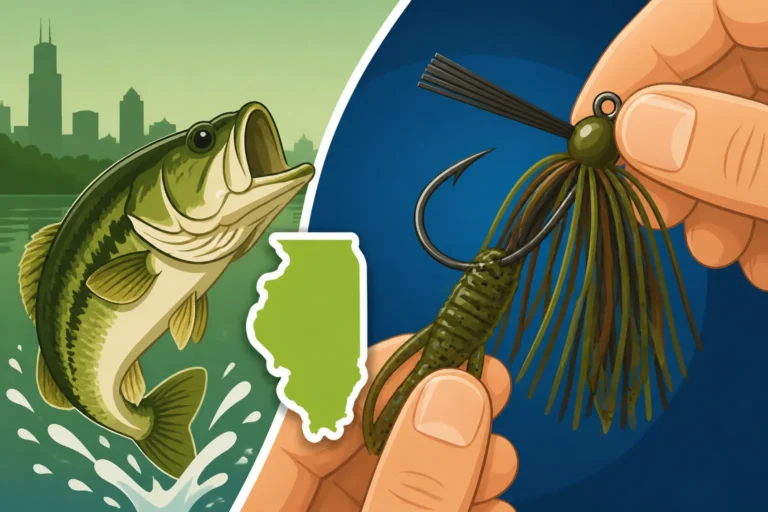
When bass are in deep, cool water, they're often not in a chasing mood. This means your best bet is typically a slow, methodical presentation. Jigs, especially football or living rubber jigs, are outstanding choices. Tip them with a soft plastic trailer and crawl them painstakingly along the bottom of deep ledges, humps, or rock piles. The subtle action of a jig often triggers strikes from otherwise unmotivated fish. The Texas rig, often rigged with a creature bait or a worm, is another go-to. It's weedless, making it perfect for probing submerged brush piles or heavy hydrilla, and allows for a slow, tantalizing fall. For suspended fish or those holding just above the thermocline, a drop shot rig can be deadly. It keeps your bait suspended precisely at the fish's eye level, even as you slowly drag your weight along the bottom. You can find excellent options for these setups, like robust jig heads and a wide variety of soft plastics, on Amazon. Mastering How to Fish a Texas Rig for Bass effectively in deep water can significantly boost your summer catch rates.
Early Morning and Late Evening Power Fishing
While deep and slow is often the rule for the bulk of the day, those first few hours after dawn and the last few hours before dusk offer a window for more aggressive "power fishing." As bass venture shallower in low light, they become more willing to chase. Topwater lures – buzzbaits, poppers, and walking baits – can be incredibly exciting around shallow cover, weed lines, and docks. The explosive strikes are addicting. Crankbaits, especially those designed to dive to specific depths, can be effective along drops, points, and humps during these transitional periods. Look for lipless crankbaits or deep-diving models that can reach fish holding in 10-20 feet of water. Spinnerbaits, too, can shine in stained water or around sparse cover during these times. For an exhilarating experience, try your hand at How to Fish a Topwater Lure for Bass right at sunrise.
Leveraging Electronics for Efficiency
In summer, a good fish finder isn't just a luxury; it's practically a necessity. Forget blind casting; electronics allow you to locate those deep structures, identify thermoclines, and even spot individual fish or schools of baitfish. Down imaging and side imaging technologies, found on many modern units from brands like Humminbird or Lowrance, can paint a clear picture of the underwater world, showing you exactly where those brush piles or rock formations are hiding. This allows you to position your boat perfectly and make precise casts directly to the fish. Without a reliable fish finder, you're essentially looking for a needle in a haystack, especially in the larger waters that make up the Best Bass Lakes in Illinois, Ranked. Investing in a quality unit, readily available on platforms like Amazon, and learning how to interpret its readings will drastically improve your summer bass fishing success. You can dive deeper into this with resources on Fish Finders for Illinois Lake Fishing.
Adapt Your Approach for Different Illinois Waters
Illinois is home to a diverse array of fishing environments, from vast reservoirs to intimate farm ponds and flowing rivers. Your summer bass strategy needs to be tailored to the specific type of water you're fishing.
Large Reservoirs vs. Smaller Lakes and Ponds
Large Reservoirs (e.g., Carlyle Lake, Rend Lake, Lake Shelbyville): These vast bodies of water can be intimidating, but their size also means they have extensive deep-water structure. Here, the thermocline is a major factor. Bass will often relate to the deepest available cover that still has oxygen. Focus on main lake points that drop into deep water, creek channel swings, offshore humps, and submerged timber. Trolling deep-diving crankbaits or systematically working large areas with jigs and Carolina rigs are effective strategies. The sheer volume of water means bass can spread out, so using your electronics to eliminate unproductive water quickly is paramount. Remember that Illinois Largemouth Bass Length Limit and Daily Catch Rules might vary by specific lake, so always check the local regulations.
Smaller Lakes and Ponds: While these smaller waters might not have a pronounced thermocline, they still experience significant heat. Bass will seek out the deepest parts of the pond, often gravitating towards the deepest holes, especially if there's any underwater structure like submerged trees or rock piles. Heavy vegetation, if present, becomes crucial as it offers shade and oxygen. Don't overlook the shade lines cast by trees, docks, or even lily pads, particularly during the middle of the day. While bass might still move shallow to feed at dawn and dusk, during the hot midday, they'll be buried in the coolest, darkest cover they can find. These smaller, more intimate settings are often perfect for honing your Dawn Fishing Techniques and targeting those shallow feeders before the sun gets too high.
River Systems and Current
River fishing for bass in summer presents its own unique set of challenges and opportunities. Unlike still lakes, rivers have current, which often means naturally higher oxygen levels, even in warmer water. However, bass still seek out current breaks and ambush points where they can conserve energy while waiting for food.
Look for areas where the current is disrupted: behind large rocks, fallen trees, bridge pilings, or sharp river bends. These "eddies" and seams are prime locations. Deeper pockets adjacent to faster current can also hold bass. Smallmouth bass, in particular, are river dwellers and will often be found in rocky sections with moderate current. Largemouth might prefer slower backwater areas or sloughs connected to the main river, especially those with plenty of dense cover. Presentation in rivers is often about understanding how the current will carry your bait. Cast upstream and let the current naturally drift your lure into the strike zone, whether it's a jig, a soft plastic, or a crankbait. Areas where tributary creeks merge with the main river can also offer cooler water and attract baitfish, making them excellent targets.
Summer Bass Fishing Strategy at a Glance
To give you a quick overview, here's a helpful table summarizing key aspects of finding bass in summer heat:
| Factor | Behavior in Summer Heat | Prime Locations | Recommended Techniques/Baits |
|---|---|---|---|
| Water Temp | Seek cooler, stable temps; avoid direct sunlight. | Thermocline, deep structure, springs, shaded cover. | Slow jigs, Texas rigs, drop shots (deep). |
| Oxygen | Require higher levels; avoid stagnant water. | Creek mouths, current breaks, dense vegetation. | Bottom-bouncing presentations. |
| Metabolism | Higher, but energy conservation is key. | Ambush points near deep cover or baitfish schools. | Precise casts, subtle movements; slower retrieves. |
| Feeding | Often early morning, late evening, or night. | Shallow flats, weed edges, docks (low light). | Topwater, crankbaits (low light); jigs, plastics (darkness). |
| Cover | Essential for shade, ambush, and security. | Submerged timber, rock piles, ledges, lily pad mats. | Weedless rigs, precise jigging. |
| Time of Day | Midday: Deep, slow. Low light: Shallow, more active. | Deepest available cover during midday; shallow at twilight. | Vary approach based on light conditions; try Night Fishing Techniques. |
No matter how high the mercury climbs, remember that bass are still out there, they're just playing hard to get. By understanding their summer habits and adjusting your approach, you can still have incredibly productive days on the water. Keep experimenting with different depths and presentations, and you'll soon unlock the secrets to catching bass in the thick of summer. And don't forget to check out articles like Summer Bass Fishing Patterns for more in-depth advice on seasonal changes.
Disclaimer
The information provided in this guide is for general informational purposes only and does not constitute professional advice. Fishing regulations, conditions, and fish behavior can change rapidly. Always consult the latest Illinois Department of Natural Resources (IDNR) regulations before fishing and prioritize safety on the water.