Illinois Walleye Fishing Season on the Mississippi River
Feeling the call of the mighty Mississippi for some walleye action but wondering when and where to even begin? It’s a common dilemma for Illinois anglers. This legendary river can be intimidating with its vastness and powerful currents, making it tough to pinpoint the prime walleye season and the best approaches. This guide is dedicated to demystifying walleye fishing on the Illinois stretch of the Mississippi, helping you understand the seasonal patterns, effective techniques, and crucial regulations to make your next trip a success.
Understanding the Mississippi River's Unique Walleye Dynamics
The Mississippi River isn't just a body of water; it's a living, breathing ecosystem with its own rhythm, and understanding that rhythm is key to consistently catching walleye. Unlike a placid lake, the river's constant flow, varying depths, and diverse structures create a complex environment that walleye navigate throughout the year. If you simply approach it like a lake, you're bound to be scratching your head wondering where all the fish are. The trick is to learn how these fish react to the river itself.
How the River's Flow and Structure Influence Walleye Behavior
Walleye in the Mississippi are intimately tied to the current. They're not keen on fighting strong currents constantly; instead, they seek out current breaks and eddies where they can rest and ambush prey. This means you're looking for areas behind wing dams, submerged rocks, bridge pilings, log jams, and the edges of channels where slower water meets faster flow. These are their highways and their diners. Water levels also play a huge role; a rising river might push fish into flooded backwaters, while a dropping river can concentrate them in the main channel or deeper holes. Paying attention to river gauges and recent rainfall is just as important as checking the weather report.
The river's structure is incredibly varied, from deep shipping channels to shallow backwater sloughs, rocky bluffs, and expansive sand flats. Each of these elements can hold walleye depending on the season and conditions. Think about how a big current-swept main channel offers different opportunities than a calm, debris-filled eddy. Walleye use these varying structures for different purposes—spawning, feeding, and escaping predators. Learning to "read the river" by identifying these features, either visually or with a good fish finder, is a skill that takes time but pays off immensely.
Seasonal Migrations and Spawning Habits of Mississippi Walleye
Like most fish, Mississippi River walleye have distinct seasonal movements driven by temperature and spawning urges. As winter ice melts and water temperatures begin to rise in early spring, walleye undertake significant migrations upriver to their spawning grounds. These are often rocky areas in the main channel, tributary mouths, or even submerged rip-rap. This pre-spawn and spawn period is one of the most anticipated times for anglers, as large numbers of fish are concentrated. After spawning, they disperse to their summer feeding grounds, which can be diverse depending on the river section.
During summer, walleye generally hold in deeper, cooler water, often near current breaks or structure that provides cover. They become more nocturnal feeders as water temperatures climb, though early morning and late evening can still be productive. As fall approaches and water temperatures cool, walleye go on a feeding frenzy to fatten up for winter. They become more aggressive and can be found in a wider range of depths and structures. Winter sees them concentrate in deep holes, slack water areas, or backwaters, often holding tight to the bottom and requiring more subtle presentations. Understanding these movements is fundamental to successful year-round fishing.
Identifying Prime Walleye Habitats Along the Illinois Stretch
The Illinois side of the Mississippi River offers diverse habitats across its many pools and stretches. From the northern pools like Pool 12 near Galena down to the southern stretches below Alton, the river presents different challenges and opportunities. Excellent walleye fishing can be found in areas characterized by extensive wing dams, which are essentially rock dikes built out from the bank to constrict current and maintain channel depth. These structures create perfect current breaks, scour holes, and ambush points for walleye.
Look for areas with significant rip-rap shorelines, bridge pilings, or submerged rock piles. Tributary mouths, like those of the Illinois River or Rock River, can also be walleye magnets, especially during spring migrations when fish stage before moving upstream to spawn. Backwater lakes and sloughs, while often thought of for crappie or bass, can hold walleye during high water events or in areas with consistent flow and depth. For those looking for specific spots, research areas around cities like Rock Island, Burlington (on the Iowa side, but influences Illinois fishing), Quincy, and Alton, as these locations often have well-known walleye fisheries and good access points. Always check local fishing reports or talk to bait shop owners for the most up-to-date information on where the fish are biting. You can get a sense of where specific species are found by looking at our guide on Illinois River Walleye and Sauger Fishing: Illinois' Northern Stretch Explained.
Peak Walleye Fishing Seasons on the Illinois Mississippi
While you can technically catch walleye year-round on the Mississippi, certain seasons stand out as prime times for consistent action. Each season presents unique challenges and rewards, requiring anglers to adapt their strategies, baits, and even their patience levels. Don't expect to use the same approach in July as you would in March; the fish are simply in different moods and places.
Spring Run: Pre-Spawn and Spawn Tactics
The spring run is arguably the most exciting time for walleye anglers on the Mississippi River in Illinois. As ice gives way, usually from late February through April, rising water temperatures (think 40-50 degrees Fahrenheit) trigger walleye to migrate upstream for spawning. This is when big female walleye, heavy with eggs, become more concentrated and aggressive. During the pre-spawn, fish will stage in deeper holes and channels near spawning areas, feeding heavily to build energy. This is a fantastic time for jigging with live bait, especially minnows, or plastics that imitate forage fish.
Once the spawn begins, often when water temps hit the mid-40s, walleye will move onto shallow, rocky areas. While they might be focused on spawning, a well-presented jig or slow-trolled crankbait can still elicit strikes, particularly from males. Post-spawn, the fish disperse, but often remain in the vicinity of the spawning grounds, recovering and slowly moving into summer patterns. This entire spring period offers some of the best opportunities for catching both quantity and quality walleye. Remember to check out your Illinois Fishing License Guide for 2026 well in advance of the season.
Summer Strategies: Dealing with Warm Water and Current
Summer walleye fishing on the Mississippi can be a bit more challenging, but highly rewarding if you know where to look. As water temperatures climb into the 70s and beyond (typically June through August), walleye become less active during the heat of the day. They'll seek out cooler, deeper water with ample current breaks, often congregating in channel edges, deep holes, or behind large wing dams. Night fishing can be particularly productive during the summer months, as walleye move into shallower feeding areas under the cover of darkness.
Trolling crankbaits along channel edges or over submerged structure is a popular and effective summer tactic. Try diving baits that can reach depths of 10-20 feet or more, matching the color to the prevailing forage and water clarity. Live bait rigging, such as pulling a Lindy Rig with a crawler or leech, can also be deadly when fished slowly along contours or near current breaks. Focus on dawn, dusk, and nighttime hours, and be prepared to explore different depths until you locate active fish. Consider looking into Best Time to Fish the Mississippi River in Illinois for Walleye for more specific peak times.
Fall Feast: Aggressive Feeding Before Winter
Fall is another fantastic time for walleye fishing on the Mississippi River. As autumn colors spread across the landscape (September through November), water temperatures begin to drop, signaling walleye to go on an aggressive feeding binge in preparation for winter. This period sees fish becoming much more active and willing to chase down lures. They'll often move into shallower areas during low light conditions to feed, but can be found in deeper holes and channels throughout the day.
Trolling crankbaits remains a top choice for covering water and locating active schools of fish. Long, slender jerkbaits can also be very effective, especially in cooler water. Jigging with minnows or soft plastics in current seams and around wing dams can also produce excellent results. Fall walleye are often robust and in peak condition, making for exciting fights. This is a time to experiment with presentation speeds and lure colors, as the fish's preferences can change rapidly. For those interested in this technique, a variety of Walleye Trolling Techniques can be adapted for river fishing.
Winter Persistence: Ice Fishing and Cold Water Opportunities
While not as widely known as lake ice fishing, winter walleye fishing on the Mississippi River can be surprisingly productive, especially in calmer backwater areas and sheltered main channel spots. Once stable ice forms (typically December through February in the northern pools), anglers can target walleye through the ice in deeper holes or areas with a subtle current. Vertical jigging with spoons, blade baits, or small jigging Rapalas tipped with a minnow head are common tactics.
For those without ice, or in the southern parts of the river where ice rarely forms, open-water cold-water techniques are still viable. Walleye will be concentrated in the deepest, most stable water they can find, often large holes or slow-moving channels. Slow, methodical jigging presentations with live bait like shiners or fathead minnows are often the most effective. Bites can be very subtle in cold water, so sensitive rods and patience are paramount. Always prioritize safety, especially on river ice, which can be unpredictable due to current.
Essential Techniques and Gear for River Walleye
Catching walleye on the Mississippi River requires a blend of specific techniques and appropriate gear to contend with the current, structure, and the fish's habits. Trying to use delicate lake tackle in heavy river current will lead to frustration and lost fish. You need to be prepared for the river's unique demands.
Effective Boat-Based and Shore Fishing Tactics
For boat anglers, a few techniques consistently produce walleye on the Mississippi. Jigging is perhaps the most versatile. Using jigs from 1/4 oz to 1 oz (or even heavier in strong current), you can present live bait (minnows, crawlers) or soft plastics directly to fish holding near structure. Position your boat upstream of a wing dam or rock pile, and drift jigs downstream, maintaining bottom contact with a vertical presentation. For current, many anglers prefer a classic lead-head jig, but you can find great options for jigs and plastics on sites like Amazon.
Trolling is excellent for covering large areas and finding active fish, especially during summer and fall. Use crankbaits that dive to the appropriate depth, often targeting channel edges or flats adjacent to deeper water. Downstream trolling can be effective, allowing baits to dig into the current. Alternatively, upstream trolling, while requiring more motor power, allows for slower bait speeds and precise depth control. Bottom bouncing with spinner rigs or live bait is another staple, particularly when fishing irregular bottoms or deeper flats. This involves using a weighted rig that keeps your bait near the bottom while drifting or slowly trolling.
Shore anglers face more limitations but can still find success. Focus on accessible areas with current breaks, such as public piers, jetties, bridge abutments, or the downstream side of wing dams reachable from shore. Casting jigs or heavy crankbaits into current seams or along rip-rap can be effective. Bottom fishing with a heavy weight and live bait (cut bait, minnows, or crawlers) is also a popular method for shore anglers, allowing you to target deeper pockets without a boat. Always be mindful of your surroundings and any local regulations when fishing from shore. For specific jigging strategies, you can explore detailed information on Walleye Jigging Techniques.
Must-Have Lures and Bait for Mississippi Walleye
When it comes to lures and bait, simplicity often wins, but having a few key options makes a big difference.
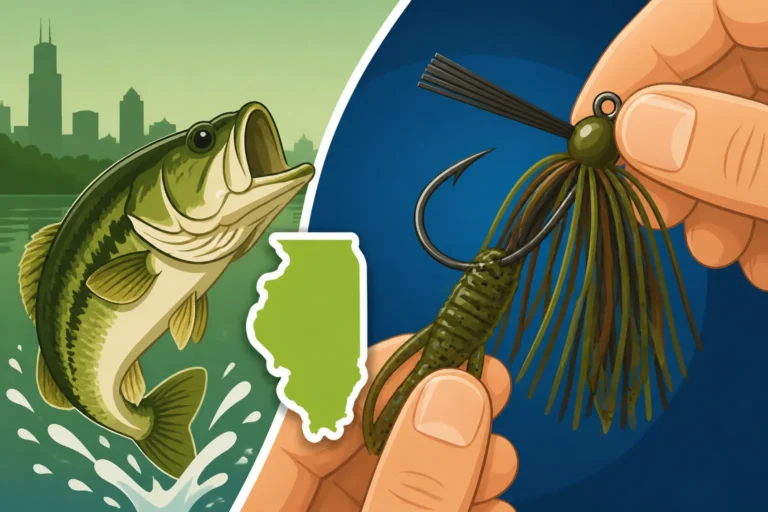
- Jigs: Essential for river walleye. Carry a variety of weights (1/4 oz to 1 oz) and colors (chartreuse, white, black, brown, orange). Tip them with live minnows, plastic grubs, paddle tails, or half a nightcrawler.
- Crankbaits: Crucial for trolling and casting. Divers that run 8-20 feet are excellent. Brands like Rapala, Berkley, and Bandit offer reliable options. Colors should range from natural baitfish patterns to brighter firetiger or chartreuse, depending on water clarity and light conditions. For more on selecting the right lures, consider researching Best Walleye Lures for Cold Water as many apply year-round.
- Live Bait: Minnows (shiners, fatheads), nightcrawlers, and leeches are universal walleye favorites. Minnows are particularly effective in colder water or during the spawn. Crawlers shine in warmer water, often presented on a Lindy Rig or spinner rig.
- Blade Baits and Spoons: Excellent for vertical jigging, especially in deeper holes or under ice. Their vibration and flash can trigger strikes from sluggish fish.
Always have a diverse selection, as walleye can be finicky, and what works one day might not work the next.
Recommended Rods, Reels, and Line Setups
For Mississippi River walleye, you need gear that can handle the abuse of current and strong fish.
- Rods: A medium-heavy spinning or baitcasting rod, 6'6" to 7'6" in length, is ideal. Look for a fast action tip for sensitivity to detect subtle bites, but with enough backbone to fight fish in current and pull them away from snags. Longer rods are beneficial for casting from shore or controlling drifts from a boat.
- Reels: A reliable spinning reel in the 2500-3000 size or a baitcasting reel with a smooth drag system is perfect. Durability is key, as river fishing can be tough on equipment. You can find many robust options on Amazon.
- Line: Braided line (10-20 lb test) is highly recommended for its sensitivity and strength, crucial for feeling light bites and powering through current. Pair it with a fluorocarbon leader (8-15 lb test, 3-6 feet long) for abrasion resistance against rocks and invisibility to the fish. Monofilament can also work, especially for trolling, but lacks the sensitivity of braid.
Having a good quality fishing setup is an investment that pays off in fewer lost fish and more enjoyable fishing experiences.
Navigating Regulations and Reciprocity on the Mississippi River
Fishing the Mississippi River is unique because it often borders multiple states. This means understanding not just Illinois regulations, but also the concept of reciprocity with neighboring states, which can be a little confusing for first-time river anglers. Make sure you're always legal to avoid any unpleasant encounters with conservation officers.
Illinois Walleye Size and Catch Limits on the River
Illinois has specific regulations for walleye, and these can sometimes vary depending on whether you're fishing a statewide lake or the Mississippi River. Generally, the statewide walleye minimum size limit is 14 inches, and the daily creel limit is six fish. However, it's crucial to consult the most current Illinois Fishing Information Guide (available from the Illinois Department of Natural Resources or local bait shops) to confirm specific rules for the Mississippi River pools you plan to fish. There might be site-specific regulations or temporary changes that supersede general rules. For example, some stretches might have slot limits or different daily maximums. Always double-check before you cast a line. For more general information, you can always consult Illinois Walleye Size and Catch Limits.
Understanding Border Water Reciprocity with Neighboring States
This is where it gets interesting! The Mississippi River forms a border with Iowa and Missouri along significant portions of Illinois. For these border waters, Illinois often has reciprocity agreements with these neighboring states. This means that if you possess a valid Illinois fishing license, you might be legally allowed to fish the adjacent waters of Iowa or Missouri on the Mississippi River, and vice-versa, without needing a second license. This can be incredibly convenient for anglers who want to fish both sides of the river.
However, there are important caveats:
- Check Specific Agreements: Always verify the exact reciprocity rules for the specific stretch of river you intend to fish. These agreements can have nuances, like applying only to certain pools or only to residents of the respective states.
- State-Specific Regulations Still Apply: While your license might be valid, you are generally required to abide by the fishing regulations (size limits, creel limits, season dates) of the state whose waters you are physically fishing. For example, if you're an Illinois angler fishing on the Iowa side of the Mississippi with your Illinois license, you'd follow Iowa's walleye regulations.
- Boundary Lines: It's not always easy to tell exactly where the state line is in the middle of a big river. When in doubt, it's safer to either stick to your state's side or ensure you have a license for both states if you plan to venture far.
For detailed information on these agreements, refer to guides like Illinois Fishing License Reciprocity With Iowa or Illinois Fishing License Reciprocity With Missouri. The current How the Illinois License Year Works and specific license requirements are also paramount.
Here’s a quick overview of common reciprocity situations (always verify current regulations):
| Border State | Reciprocity with Illinois? (Mississippi River) | Key Considerations |
|---|---|---|
| Iowa | Yes, generally | Must abide by regulations of the state you are fishing in. |
| Missouri | Yes, generally | Must abide by regulations of the state you are fishing in. |
This table provides a general guideline, but the Golden Rule is always to consult the latest official fishing regulations from the Illinois Department of Natural Resources (IDNR) and the corresponding agencies in Iowa (Iowa DNR) or Missouri (Missouri Department of Conservation) before your trip. A little research prevents a big headache!
Disclaimer
Fishing conditions, regulations, and fish populations can change rapidly. The information provided in this guide is for general informational purposes only and should not be considered legal advice. Always consult the most current official regulations from the Illinois Department of Natural Resources (IDNR) or other relevant state agencies before engaging in any fishing activities. Ensure you have the proper licenses and stamps. Your safety and adherence to local laws are your responsibility.