Catfish Jug Fishing Techniques
There’s nothing quite like the thrill of finding a line full of catfish, especially when you’ve set it up just right and let the water do most of the work for you. For many Illinois anglers, juggling busy schedules means less time with a rod in hand, leading to frustration when traditional methods don't yield the results they once did. This comprehensive guide will walk you through the ins and outs of jug fishing, a highly effective and unique method that allows you to target channel, blue, and flathead catfish across Illinois waters, often making your fishing trips far more productive and enjoyable.
Understanding Catfish Jug Fishing
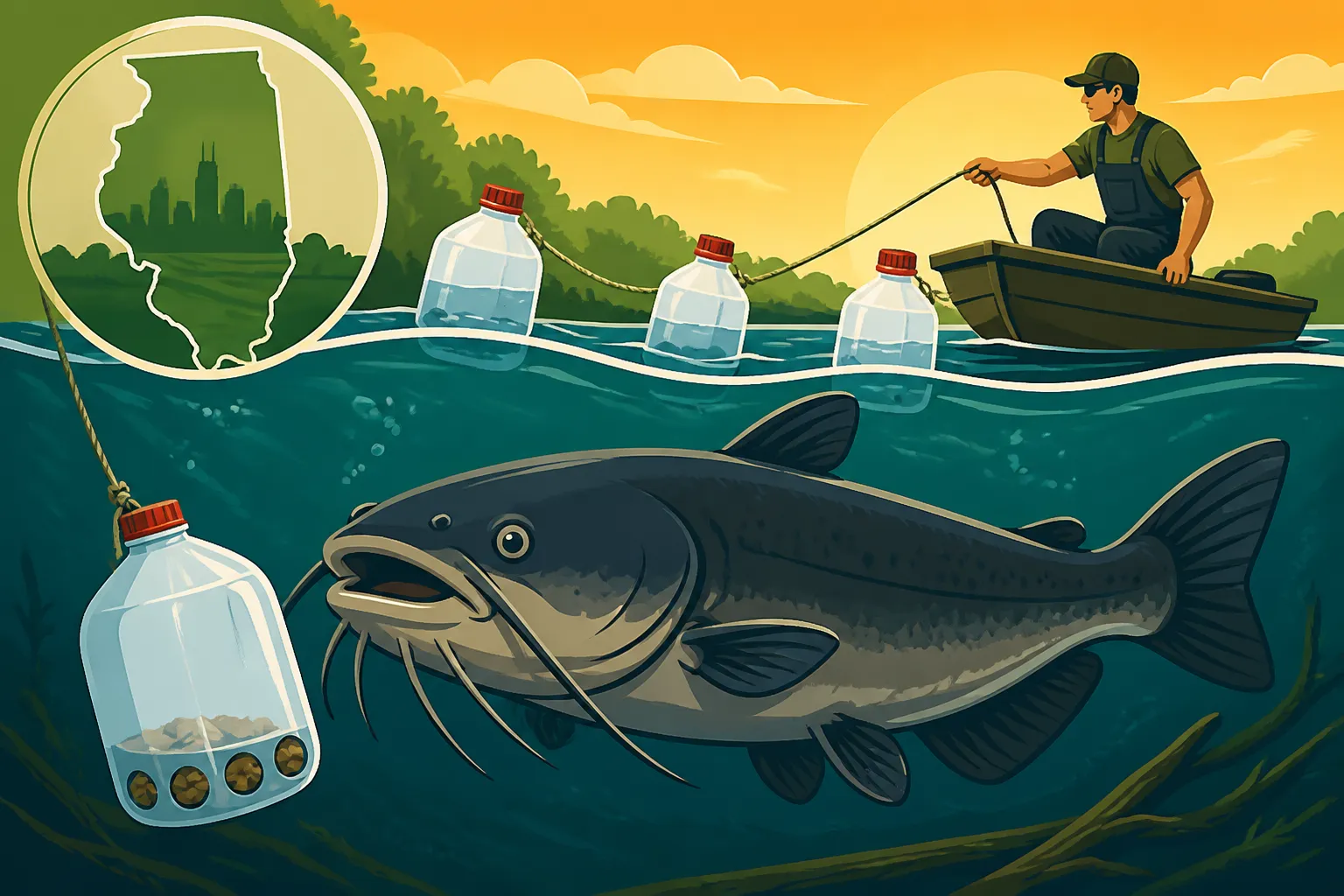
Jug fishing is a traditional, hands-off method of catching catfish that involves using free-floating lines, typically attached to buoyant objects like plastic bottles or foam noodles, each rigged with a baited hook. Unlike trotlines or limb lines that are anchored, jugs drift with the current or wind, covering a wider area and presenting bait to more fish. It’s a fantastic technique for those who enjoy the hunt of tracking their jugs and the surprise of what might be waiting on the other end.
What Makes Jug Fishing Unique
What truly sets jug fishing apart from other methods is its dynamic nature. You're not static; your baits are constantly moving, covering more water and enticing more fish that might not otherwise encounter a stationary bait. This mobility is a huge advantage, especially in large reservoirs or wide rivers like the Mississippi River, where catfish can be widely dispersed. It’s also incredibly scalable – you can deploy a handful of jugs or a full spread, adjusting to the size of the water body and the fishing regulations. The simplicity of the setup also appeals to many; it’s a direct, no-frills approach that focuses on bait presentation and letting the fish find you.
Legality and Basic Principles in Illinois
Before you even think about tossing a jug into an Illinois lake or river, it’s absolutely critical to understand the rules. The Illinois Department of Natural Resources (IDNR) has specific regulations for jug fishing, and they can vary by water body. Generally, jugs are considered "legal devices" for taking fish, but there are limits on the number of jugs you can use, identification requirements for each jug, and restrictions on certain types of waters. For instance, some state-managed lakes might prohibit jug fishing entirely, while major rivers like the Illinois River are generally more lenient. You always need a valid Illinois fishing license, and any specialized stamps, if applicable, for the species you're targeting. Always check the current Illinois Fishing Regulations Overview before heading out, because ignorance of the law is no excuse, and wardens do check.
Essential Gear for Effective Jug Fishing
Getting your gear right is the foundation of successful jug fishing. While it seems simple, choosing the right components can significantly impact your catch rate and make your experience much smoother. Don't just grab any old plastic bottle; a little planning goes a long way.
The Jugs Themselves: Floats and Markers
The "jug" is essentially your float. While traditionalists might use gallon milk jugs, modern anglers often opt for purpose-built jug floats made from PVC pipe, dense foam noodles, or even brightly colored buoys. The key is visibility and buoyancy. You need a float that can support the weight of a decent-sized catfish, especially if you're hoping for a trophy flathead, without getting pulled under or becoming difficult to spot from a distance. Bright colors like neon green, orange, or yellow are paramount for easy tracking, especially in choppy water or low light. Some anglers even attach small LED lights for night fishing, which is often when the biggest catfish are most active. You can find a good selection of durable, brightly colored floats perfect for Illinois waters on Amazon.
When considering your jugs, think about the material:
- Plastic Bottles: Inexpensive, readily available, but can be less durable and harder to spot. They also don't handle big fish as well without modification.
- Foam Noodles: Excellent buoyancy, easy to customize lengths, good visibility. Many anglers cut these into 1-2 foot sections.
- PVC Pipe/Purpose-Built Floats: Most durable, often weighted at one end to stand upright, making them very visible. These are a great investment for serious jug fishermen.
Each jug must be clearly marked with your name and IDNR customer number or fishing license number. This is a non-negotiable regulation to prevent abandonment and identify legal gear.
Lines, Hooks, and Swivels
The business end of your jug line needs to be robust. Catfish are powerful, and they'll put your tackle to the test.
Choosing the Right Line
For jug lines, you want heavy-duty, abrasion-resistant monofilament or braided line. Many seasoned anglers prefer 80-150 pound test monofilament. Why so heavy? First, it resists the sharp teeth and abrasive mouths of large catfish. Second, it's easier to handle when retrieving a struggling fish, reducing the chances of cutting your hands. Third, it stands up better to snags on underwater debris, which are inevitable in many Illinois waterways. Some prefer a stiff monofilament because it tangles less around the jug itself. If you're buying in bulk, Amazon often has good deals on spool sizes that will last you multiple seasons.
The length of your line is also crucial. You want it long enough to reach the bottom where catfish often feed, but not so long that it snags constantly or becomes unmanageable. A good rule of thumb is to have a line length that's 1.5 to 2 times the maximum depth of the water you plan to fish, allowing for some drift and slack. You can always adjust the depth by wrapping excess line around the jug.
Hooks and Swivels
Circle hooks are the undisputed champions for jug fishing. They are designed to hook fish in the corner of the mouth, which is much safer for the fish, easier to remove, and significantly reduces gut-hooking. This is vital for promoting catch-and-release healthy practices and adhering to regulations. Sizes ranging from 5/0 to 10/0 are common, depending on the size of catfish you're targeting. For channel catfish, 5/0-7/0 might suffice, but for larger blue or flathead catfish, you'll want to go up to 8/0-10/0.
Heavy-duty swivels are essential to prevent line twist, especially when a catfish starts rolling. Ball-bearing swivels are best, but good quality barrel swivels will also work. Attach one at the main line to hook connection, and often another between the main line and a weight if you're using one. For durability and peace of mind, opt for swivels with a high breaking strength, matching or exceeding your main line.
Setting Up Your Jug Lines for Success
Once you have all your gear, it's time to assemble your jug lines. This isn't just about tying a few knots; it's about creating an efficient, effective, and compliant setup that maximizes your chances of catching fish.
Tying Reliable Knots and Adding Weights
When it comes to fishing, your knots are your weakest link if not tied correctly. For jug fishing, where strong fish are pulling against a free-floating line, reliable knots are absolutely paramount. The Palomar knot is excellent for tying hooks to line, known for its strength and reliability. For attaching the line to the jug, a sturdy arbor knot or a series of tight wraps and a secure stopper knot will work. Ensure all knots are cinched down tightly and well-lubricated before tightening to prevent line damage.
Weights are often optional but highly recommended, especially when fishing in current or in deeper water. A heavy sinker, usually 1 to 3 ounces, helps keep your bait at a consistent depth, prevents it from drifting too quickly in current, and helps the jug stand upright for better visibility. Slip sinkers are popular as they allow the fish to take the bait without immediate resistance, but fixed weights work too. You can attach the weight either directly above the hook or a foot or two up the line, depending on how you want your bait to present.
Baiting Your Hooks: The Catfish Buffet
The bait you use is perhaps the most crucial element of attracting catfish. These fish are opportunistic feeders, but they have preferences.
Best Baits for Channel Catfish
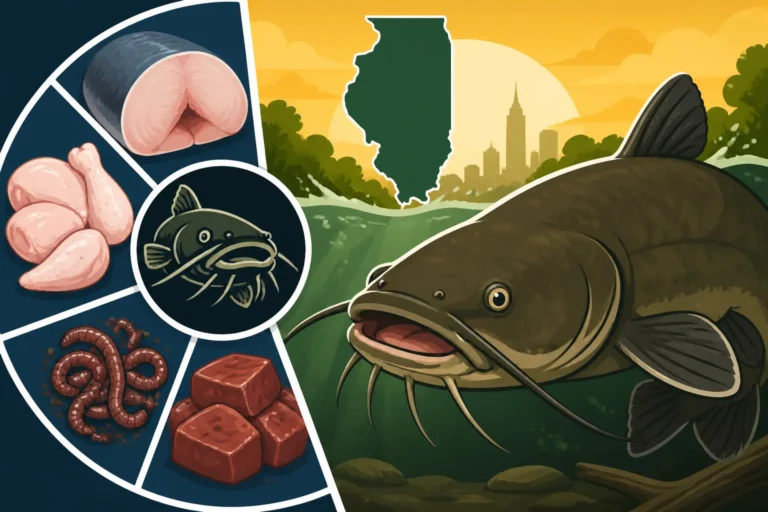
Channel catfish are often drawn to strong, pungent smells. Classic baits include:
- Cut Bait: Shad, skipjack herring, and even smaller pieces of carp or drum work wonders. The oilier the fish, the better.
- Stink Baits: Pre-made dip baits and dough baits are incredibly effective, especially when fished on specialized bait holders designed to retain the soft bait. Brands like Secret 7 or Sonny's Super Sticky are popular.
- Chicken Livers: A time-tested favorite, though they can be messy and fall off hooks easily. Using a small piece of nylon stocking or gauze to wrap them can help.
- Hot Dogs/Sausage: Marinated in garlic or Kool-Aid, these can be surprisingly effective and are easy to keep on the hook.
For more ideas on what these whisker fish are biting, check out our guide on Best Bait for Channel Catfish.
Baits for Blue and Flathead Catfish
Blue and flathead catfish often prefer live or very fresh bait.
- Live Bait: For flatheads, live bluegill, sunfish, shad, or even smaller carp are king. They are ambush predators and prefer lively meals. Make sure to check local regulations on using live baitfish; some waters have restrictions on what species you can use.
- Fresh Cut Bait: While flatheads generally prefer live bait, fresh cut bait from oily fish like shad or skipjack can also entice blue catfish and occasionally flatheads. Cut them into steaks or strips, ensuring they bleed a bit to release those attractive oils.
- Large Worms/Nightcrawlers: While good for smaller channels, large bunches of nightcrawlers can attract blues and smaller flatheads too.
The key with bait is experimentation. What works one day might not the next, and what works in one lake might not in another. Have a variety on hand and see what the fish prefer.
Where and When to Jug Fish in Illinois
Knowing the right gear and how to set it up is great, but knowing where and when to deploy your jugs is what really seals the deal. Illinois offers a plethora of catfish-rich waters, each with its own nuances.
Prime Catfish Locations in Illinois
Illinois is blessed with fantastic catfish habitat, from vast reservoirs to meandering rivers.
Rivers and Large Reservoirs
- Mississippi River: This is arguably the premier destination for all three major catfish species in Illinois. The vastness, diverse structure, and abundant forage make it a jug fisherman's paradise. Focus on eddy lines, current breaks, deep holes, and the mouths of tributaries. Our Mississippi River Catfish Fishing in Southern Illinois guide offers even more localized insights.
- Illinois River: Similar to the Mississippi, the Illinois River is a superb choice, particularly for channel and blue catfish. Look for deeper channels, stump fields, and areas with slower current.
- Rend Lake, Lake Shelbyville, and Carlyle Lake: Known as Illinois' "Big Three Catfish Lakes," these large reservoirs offer excellent opportunities.
- Rend Lake: Known for its structure, including flooded timber and riprap. Target channels along creek channels and near drop-offs.
- Lake Shelbyville: Offers deep water, points, and humps. Jug fishing around the main lake points and submerged timber can be very productive.
- Carlyle Lake: Illinois' largest man-made lake, known for its abundant channel catfish. Focus on the main lake basin, points, and areas around the dam.
When fishing these larger bodies of water, remember that currents and wind can carry your jugs surprisingly far. Always keep them in sight, especially from your boat. A good pair of binoculars can be an invaluable tool for tracking.
Smaller Lakes and Ponds
While jugs are typically associated with larger waters, they can be effective in smaller, private lakes or ponds as long as local regulations permit. Here, the challenge isn't tracking them over vast distances, but rather ensuring they don't get tangled in dense vegetation or drift onto private property. In these settings, you might use fewer jugs and focus them on deeper holes, brush piles, or along ledges where catfish are known to congregate.
Timing Your Jugging Adventures
Catfish are active throughout much of the year, but certain times and conditions are undeniably better for jug fishing.
Best Seasons and Water Temperatures
- Late Spring to Early Fall: This is prime time for catfish in Illinois. As water temperatures rise into the 60s and 70s Fahrenheit, catfish become highly active and feed aggressively. The warmer water increases their metabolism, making them more likely to chase down a drifting bait.
- Summer Nights: Catfish are notoriously nocturnal, especially the larger blues and flatheads. The cooler temperatures and reduced boat traffic make summer nights incredibly productive for jug fishing. If you're out after dark, remember to outfit your jugs with lights.
- Pre-Spawn and Post-Spawn: Just before and after spawning (typically late spring/early summer), catfish are either bulking up or recovering, making them ravenous. These periods can offer some of the most intense action. Check the Illinois Catfish Season Guide for more detailed information on typical spawning periods.
Ideal Weather and Water Conditions
Jug fishing truly shines when there's a gentle current or a light breeze. This natural movement is what propels your jugs, allowing your baits to cover ground and attract attention. Strong winds can make tracking difficult and tangle lines, while stagnant water means your jugs won't cover much territory.
Overcast days are often better than bright, sunny ones, as catfish tend to be less light-sensitive and more active. Similarly, periods of stable weather, or even just before a storm front rolls in, can trigger a feeding frenzy. After heavy rains, when water levels might be up and the water is a bit murky, can also be a fantastic time, as catfish use their keen sense of smell to hunt in the stained water.
Jug Fishing Strategies and Tips for Success
Jug fishing isn't just about throwing a baited line into the water; there's an art and a science to maximizing your catch. A few strategic considerations can significantly improve your odds.
Effective Deployment and Spacing
How you deploy your jugs can make a huge difference. Don't just toss them all out in a cluster.
Spreading Your Jugs
Think of your jug lines as a search pattern. Instead of dropping them all in one spot, spread them out to cover a wider area. If you're in a river, deploy them upstream and let them drift down, following them closely. In a lake, spread them perpendicular to the shore or along a contour line. The goal is to cover different depths and structures to locate where the catfish are holding. Pay attention to wind direction and current speed; these will dictate how your jugs drift. If you notice a particular jug getting more action, try to deploy more in that general area on your next pass.
Adjusting Depth and Bait Presentation
Catfish don't always hang out at the same depth. Some days they might be shallow, cruising the banks, while other days they're tucked away in deeper holes. This is why having variable depth lines is crucial. You can do this by wrapping excess line around your jug, securing it with a clip or a simple knot. Start by setting some jugs shallow, some deep, and some in between. Once you start catching fish at a certain depth, adjust more of your jugs to match that pattern. For example, if you're targeting flatheads, you might want your live bait closer to the bottom, near structure. For channel catfish, cut bait drifting a few feet off the bottom might be perfect.
Tracking and Checking Your Jugs
The excitement of jug fishing really kicks in when you're tracking your floats and anticipating a bite.
Staying Within Legal Sight
In Illinois, there are often specific rules about how closely you must monitor your jug lines. This usually means keeping them within your sight and under your immediate control. This isn't just a legal requirement; it's also practical. A large catfish can pull a jug a considerable distance, and if you lose sight of it, you risk losing your gear and, more importantly, leaving a fish hooked and stressed. Use a boat that can maneuver easily, and if fishing with a partner, designate one person to drive while the other watches the jugs.
Reading the Jugs for Bites
A jug that's just floating along normally is one thing, but a jug that's twitching, darting, or making sudden movements is signaling a bite! A jug that's completely disappeared underwater and resurfaced is a classic sign of a strong fish fighting. Approach a "working" jug slowly and quietly, as a sudden burst of speed from your boat can spook the fish or cause it to make a final run and break the line. When you get close, gently retrieve the line, hand-over-hand, until you feel the weight of the fish. Always be ready with a net or a pair of heavy gloves for handling larger, spiny catfish.
Safety and Ethical Angling
Jug fishing can be incredibly rewarding, but it’s important to practice it safely and ethically.
Boat Safety and Navigation
You'll almost certainly need a boat for jug fishing in larger Illinois waters. Ensure your boat is properly equipped with all required safety gear, including life jackets for everyone on board (especially for children, as outlined in Illinois Life Jacket Rules for Children Under 13), a fire extinguisher, and sound-producing devices. If you plan to be out on the water after sunset, ensure your boat’s navigation lights are functional. Always be aware of other boaters, and give wide berths to other anglers. Navigating winding rivers while tracking jugs requires keen attention to your surroundings. You may also need to be aware of Illinois Boater Education Card Requirements if you operate a motorboat over a certain horsepower.
Responsible Angling Practices
- Check Jugs Regularly: Don't leave your jugs unattended for extended periods. This minimizes stress on the fish and reduces the chances of losing your gear.
- Handle Fish Carefully: Use wet hands or gloves when handling catfish, especially if you plan to release them. Be mindful of their sharp dorsal and pectoral fins.
- Respect Limits: Always adhere to the daily catch and possession limits for the specific catfish species you're targeting. For example, understanding the Illinois Channel Catfish Daily Limit Explained is crucial.
- Leave No Trace: Pack out everything you pack in. No discarded lines, bait containers, or broken jugs should be left behind. This keeps our Illinois waters beautiful for everyone.
Following these strategies and tips will not only make your jug fishing more successful but also ensure it's a safe and enjoyable experience for you and for the delicate ecosystems we all share.
Rules and Regulations for Jug Fishing in Illinois
Navigating the legalities of jug fishing in Illinois can feel a bit like reading hieroglyphics sometimes, but it’s absolutely essential for avoiding fines and ensuring sustainable fishing. The IDNR sets these rules to protect fish populations and ensure fair sport for all anglers.
Specific IDNR Regulations for Jug Lines
Illinois has clear guidelines on how jug lines can be used. These rules are subject to change, so always consult the latest IDNR fishing guide.
Number of Jug Lines Allowed
Typically, Illinois law specifies a maximum number of jug lines an individual angler can use. For instance, in some waters, an angler might be limited to 50 jug lines, while in others, it could be less. This number is usually per person, not per boat, and often includes other similar gear like trotlines. It's important to understand this distinction so you don't accidentally exceed the limit. The idea is to allow for effective fishing without overharvesting or making it impossible for other anglers to use the water.
Identification and Inspection Requirements
As mentioned earlier, every single jug line you deploy must be clearly marked. This means attaching a tag or writing your name and IDNR customer number or fishing license number directly on the jug. This allows conservation police officers to identify the owner of the equipment and ensure compliance. They will regularly inspect jugs on the water, and unmarked or abandoned jugs can lead to citations and seizure of equipment. It also helps prevent disputes among anglers over who owns which line.
Water Body Specific Rules
While there are general statewide rules, some specific lakes, rivers, or state park waters might have additional restrictions or outright prohibitions on jug fishing.
Permitted and Prohibited Waters
Certain waters, particularly smaller state-managed lakes or those designated as "trophy" fisheries, might explicitly prohibit jug fishing to protect specific fish populations or to reduce user conflicts. For example, some conservation lakes might not allow any form of unattended lines. Conversely, large river systems like the Mississippi, Illinois, and Wabash are generally open to jug fishing due to their size and historical use of such methods. Before you launch your boat, always confirm that jug fishing is allowed in your chosen spot. This information is typically found in the site-specific regulations section of the annual Illinois Fishing Information Guide.
Daily Limits and Species-Specific Regulations
Beyond the number of jugs, you also need to adhere to the daily catch and possession limits for the catfish species you catch. For instance, there are different daily limits for channel, blue, and flathead catfish, and these can sometimes vary by water body. Similarly, there might be size limits on certain species. It's not enough to simply catch the fish; you must know if you're legally allowed to keep it. This is particularly relevant when targeting large fish. For a deeper dive into these specifics, you might find our article on Illinois Walleye Size and Catch Limits or Illinois Catfish Daily Limits Explained useful, even if it's primarily for catfish.
Understanding and respecting these regulations is not just about avoiding penalties; it's about being a responsible angler who contributes to the health and sustainability of Illinois' fantastic fishing resources.
Disclaimer
This guide is intended for informational purposes only and does not constitute legal advice. Fishing regulations in Illinois can change, and it is the angler's sole responsibility to consult the most current Illinois Department of Natural Resources (IDNR) Fishing Information Guide before engaging in any fishing activities. Always prioritize safety and adhere to all local, state, and federal laws and regulations.