Illinois Free Fishing Days Weekend Fishing Guide
The thought of taking your family fishing, or even just trying it yourself, can often feel like a mountain of bureaucracy. Between figuring out what license you need, what rules apply, and what gear to even start with, it's easy to get discouraged before you even cast a line. That's precisely why Illinois's Free Fishing Days are such a fantastic opportunity, offering a worry-free chance to experience the joy of fishing without the initial hurdle of purchasing a license. This comprehensive guide will equip you with all the insights and practical tips you need to make the absolute most of this special weekend, ensuring a memorable and successful outing.
Understanding Illinois Free Fishing Days
Illinois, like many states, designates specific periods each year when residents and non-residents alike can fish its abundant waters without needing to purchase a fishing license. This initiative is designed to introduce new anglers to the sport, encourage families to spend time outdoors, and remind everyone of the incredible natural resources our state has to offer. It's a fantastic program that removes a significant barrier for many would-be anglers.
What are the Official Dates and Purpose?
For 2026, the eagerly anticipated Illinois Free Fishing Days are scheduled to coincide with Father's Day weekend, running from June 19th through June 22nd. This timing is no accident; it’s a deliberate effort to promote family bonding and outdoor recreation during a time when many are looking for ways to celebrate and connect. Imagine spending a beautiful summer day by the water, teaching your kids how to cast, or simply enjoying the peaceful solitude yourself, all without the initial paperwork or cost of a license.
The core purpose behind these free days is simple: to encourage participation. The Illinois Department of Natural Resources (IDNR) recognizes that the requirement of purchasing a license, while vital for conservation efforts throughout the rest of the year, can be an intimidating first step for novices or casual participants. By lifting this requirement for a few days, they hope to spark an interest that will lead to continued engagement in fishing, fostering a new generation of outdoor enthusiasts who will appreciate and help protect Illinois's aquatic ecosystems. It's an open invitation to dip your toes, or rather, your line, into the world of fishing.
Historical Context and What Makes it Special
The concept of "Free Fishing Days" isn't new; it's a long-standing tradition in Illinois, deeply rooted in the state's commitment to promoting outdoor heritage and conservation education. Over the years, countless families have made these days an annual tradition, creating lasting memories of sunny afternoons, first catches, and the quiet camaraderie that fishing brings. It’s more than just a regulatory break; it’s a cultural event that celebrates Illinois’s natural beauty and the simple pleasure of connecting with nature.
What truly makes these days special is the unique opportunity they present. For someone who has never fished before, or a family struggling with budget constraints, it’s a low-commitment entry point. You don't have to invest in a full Illinois Fishing License Guide for 2026 or worry about the Illinois Fishing License Costs and Types right off the bat. Instead, you can grab some basic gear, find a local pond, and just try it. This hands-on experience can be incredibly powerful, transforming curiosity into a lifelong passion. Many community organizations and bait shops even host special events, clinics, and competitions during these days, further enhancing the welcoming atmosphere for newcomers. It truly embodies the spirit of shared enjoyment and discovery on the water.
Navigating the Rules: What's Still Required?
While the term "Free Fishing Days" might sound like a complete regulatory free-for-all, it's crucial to understand that only the license requirement is waived. All other fishing regulations remain firmly in place to protect our fish populations and ensure sustainable angling for everyone. Misunderstanding these continued rules can quickly turn a fun outing into a stressful encounter with a conservation police officer.
License Exemptions vs. Full Regulatory Break
During Illinois Free Fishing Days, you do not need an Illinois Fishing License Guide for 2026 or any specific Illinois Resident Annual Fishing License Cost or Illinois Nonresident Annual Fishing License Cost to fish in public waters. This is the core benefit and the primary reason these days are so popular. However, it’s imperative to remember that this exemption does not extend to other regulations. Every single rule regarding fish species, size limits, daily catch limits, and any site-specific regulations for a particular lake, river, or pond still applies.
For example, if you're fishing for largemouth bass, the Illinois Statewide Bass Fishing Limits must still be followed. If you're on a lake with a specific slot limit for walleye, that rule is still enforced. Ignoring these can result in citations and fines, even on a Free Fishing Day. It's a common misconception that since no license is required, no other rules apply. Always, always check the current Illinois Fishing Regulations Overview before heading out, and pay close attention to Why Fishing Rules Vary by Lake and River as different bodies of water can have very different rules. You can usually find a copy of the fishing regulations booklet at bait shops, IDNR offices, or online on the IDNR website.
Age, Residency, and Special Stamps
The beauty of Illinois Free Fishing Days is their inclusivity: they apply to all ages and all residencies. This means whether you're a long-time Illinois resident, an out-of-state visitor, a child just learning to cast, or a grandparent sharing their wisdom, you are all welcome to fish without a license during this special period. There's no need to wonder Do Kids Need a Fishing License in Illinois? during these specific four days; the answer is a resounding "no" for everyone.
Furthermore, any additional special stamps that are typically required for certain types of fishing are also waived during the Free Fishing Days. This includes the Illinois Inland Trout Stamp Requirements, which you'd normally need to possess when targeting trout in designated catchable trout waters, and the Lake Michigan Salmon Stamp Requirements for Anglers, necessary for fishing salmon and trout in Lake Michigan. So, if you've always wanted to try your hand at trout fishing in a stocked pond or maybe even drop a line for salmon from a Chicago pier, these days offer the perfect, low-cost opportunity to do so without those extra endorsements. It truly simplifies the experience, allowing you to focus purely on the act of fishing.
Best Fish Species for a Free Fishing Day Adventure
For many, Free Fishing Days are about introducing someone new to the sport, especially kids. This means focusing on species that are relatively easy to catch and provide consistent action. The goal isn't necessarily a trophy fish, but rather a bending rod and a memorable experience.
Panfish: The Easiest Target for Beginners
When planning a Free Fishing Days outing, you absolutely cannot go wrong by targeting panfish. This category includes popular species like bluegill, crappie, and various sunfish. These fish are, by far, the most cooperative and abundant species in Illinois waters, making them the ultimate confidence-builders for new anglers. They tend to school, are not particularly finicky eaters, and can be found in almost every pond, lake, and slow-moving river throughout the state.
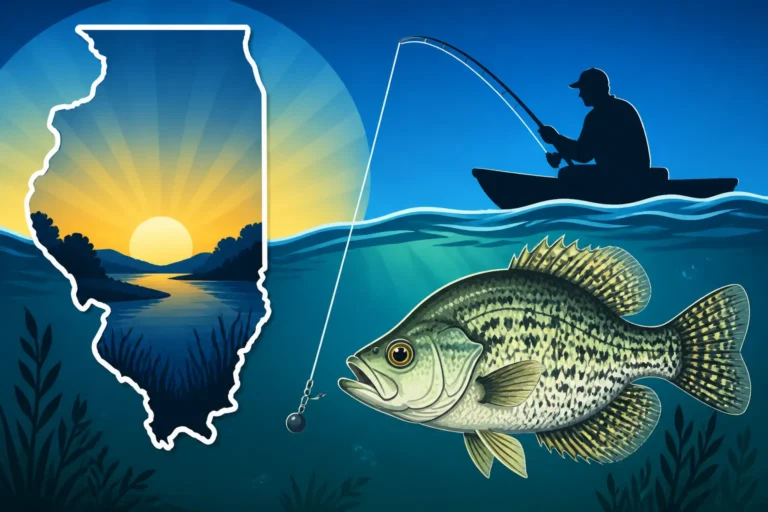
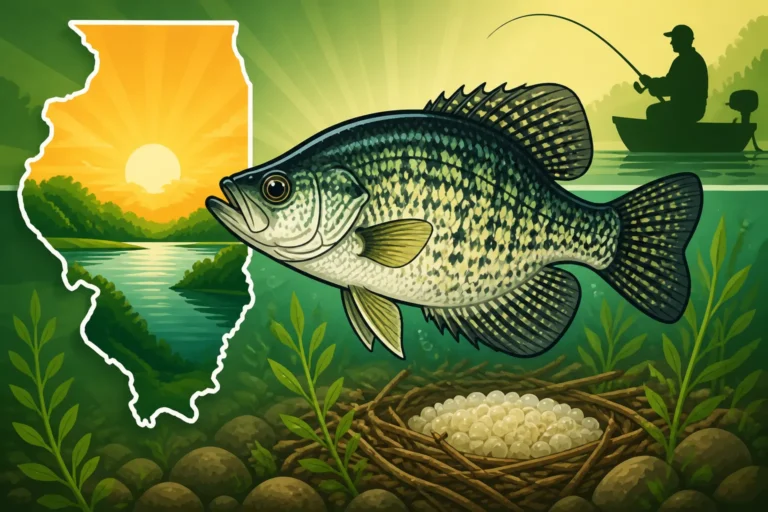
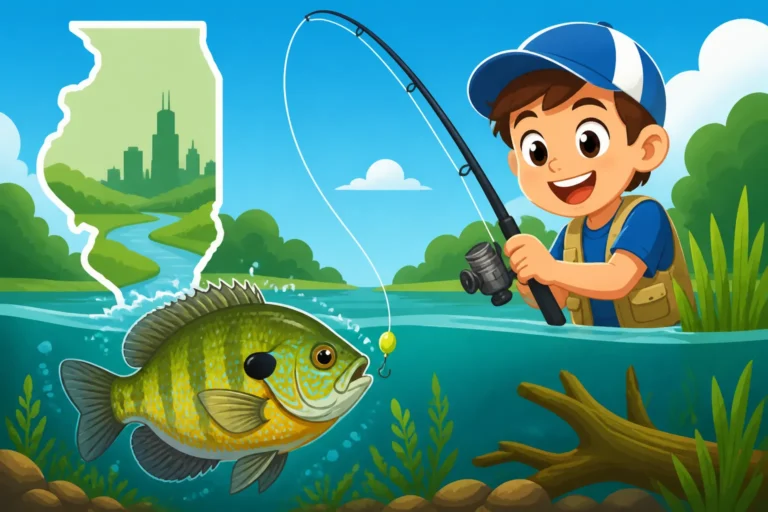
Bluegill are arguably the kings of beginner fishing. They are incredibly aggressive and will readily strike small baits. There's nothing quite like watching a bobber disappear under the surface after a bluegill takes the bait – it's pure excitement for anglers of all ages. Crappie, both black and white, are also fantastic targets, especially in spring and early summer when they move into shallower waters. They offer a slightly larger fight than bluegill and are excellent eating. For a deeper dive into techniques and locations for these feisty fish, check out Illinois Bluegill Fishing: Best Bait and Where to Go. They are truly the Easiest Fish to Catch for Beginners and will ensure a day full of action, keeping spirits high and boredom at bay.
Beyond Panfish: Exploring Other Beginner-Friendly Catches
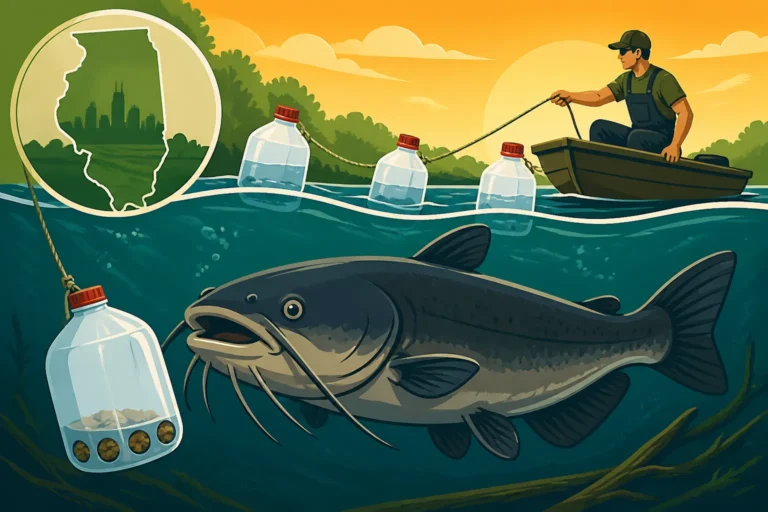
While panfish are the go-to, other species can also provide exciting action and are relatively easy to catch, offering a bit more variety once the initial excitement of bluegill has worn off. If you’re looking for a slightly larger fight without needing overly specialized gear, channel catfish are an excellent option. These whiskered beauties are common in many Illinois lakes and rivers and can often be caught from the bank using simple bottom-fishing techniques. They respond well to a variety of baits, from traditional nightcrawlers to prepared stink baits, making them accessible to beginners. They also offer a substantial fight, which can be thrilling for someone ready for the next level.
Even smaller bass, particularly largemouth bass, can be an exciting bonus catch. While bass fishing can be more technical, many smaller bass will readily hit live bait intended for panfish or even small artificial lures. Catching a feisty young bass can provide a memorable battle and introduce anglers to a popular sport fish. For families, focusing on Best Beginner-Friendly Fish Species for Kids Fishing in Illinois ensures that everyone has a good chance of success, making the day enjoyable and encouraging a love for the outdoors. Just remember to handle fish carefully, especially if you plan to release them.
Finding the Perfect Spot for Your Family
Choosing the right fishing spot can make or break your Free Fishing Days experience. For families and beginners, accessibility, safety, and the likelihood of catching fish are paramount. You want a place that's easy to get to, has some basic amenities, and most importantly, puts you on fish quickly.
State Parks and Designated Fishing Areas
Illinois is blessed with an incredible network of state parks, and many of them offer fantastic fishing opportunities that are ideal for Free Fishing Days. Places like Shabbona Lake State Park, Moraine View State Park, or even small local conservation areas often feature well-maintained fishing piers, accessible bank fishing areas, and regularly stocked ponds. These locations are designed with public access in mind, meaning paved parking, restrooms, and sometimes even picnic areas are readily available, making the whole outing much more comfortable, especially with children.
Many state parks also have specific areas known for good panfish populations, ensuring a higher chance of success for beginners. The IDNR frequently stocks these waters with various species, further increasing the odds of a bite. Before you head out, check the specific park's website or call ahead to inquire about fishing reports or any special regulations that might apply. For a comprehensive list of great public access points, explore resources like Illinois State Park Fishing Spots and Best Bank Fishing Spots in Illinois. These spots often have calmer waters and fewer hazards than larger, busier lakes or rivers, providing a safer and more relaxed environment for new anglers.
Local Ponds and Community Lakes
Don't overlook the hidden gems right in your own backyard! Many smaller, local ponds and community lakes, often managed by park districts or municipalities, can offer some of the best fishing for beginners. These waters are frequently less crowded than larger reservoirs, providing a more peaceful and less intimidating atmosphere. They are often shallow, making it easier to locate fish, and can hold surprisingly healthy populations of bluegill, crappie, and even channel catfish.
These localized spots are perfect for a quick afternoon trip during the Free Fishing Days. You might find a small pond at your local park, or a lesser-known community lake that doesn't get the same angling pressure as the bigger names. These Illinois Fishing Spots Near Major Cities can be incredibly convenient, saving you a long drive and allowing more time for actual fishing. While they might not offer the chance at a state-record fish, they almost always guarantee action for panfish, which is exactly what you want for a fun, stress-free introduction to fishing. Just make sure to check local regulations, as some smaller ponds might have specific rules, such as catch-and-release only, even during Free Fishing Days.
Essential Gear and Simple Techniques
Getting started in fishing doesn't require a massive investment in high-end gear. Especially for Free Fishing Days, the focus should be on simplicity, affordability, and effectiveness. You want equipment that's easy to use and helps secure those first exciting bites.
Basic Rod and Reel Setup for Success
For beginners, a simple spinning rod and reel combo is the absolute way to go. Forget the baitcasters or fly rods for now; a spinning setup is the most forgiving and easiest to learn. Look for a light to medium-light action rod, typically 5 to 6.5 feet long. These shorter, more flexible rods make casting easier for children and are sensitive enough to detect the subtle bites of panfish. A small, open-faced spinning reel, pre-spooled with 4-6 pound test monofilament line, is perfect. Brands like Ugly Stik or Shakespeare offer durable, affordable combos that are readily available at sporting goods stores or through online retailers like Amazon. You can find excellent, ready-to-fish kits that include a rod, reel, and a small tackle box for under $50.
Your terminal tackle should be equally simple:
- Bobbers: Small, clip-on bobbers are great for showing bites and keeping your bait at the desired depth.
- Hooks: Small, sharp hooks (size 6 or 8) are perfect for panfish.
- Sinkers: A few small split-shot sinkers will help cast your bait and keep it down in the water.
Having a basic Best Panfish Setup for Kids ensures that even the youngest angler can manage their own line and feel the thrill of a catch. The less complicated the gear, the more enjoyable the learning process.
Top Baits and Lures to Get Bites
When it comes to bait, simplicity and effectiveness are key. You don't need a fancy assortment of lures to catch fish, especially panfish. Live bait is almost always the most reliable choice for beginners, as it has natural movement and scent that fish find irresistible.
- Worms: Earthworms, nightcrawlers, or redworms are universally appealing. You can buy them at almost any bait shop, many convenience stores, or even dig them up in your own backyard! A small piece of a worm on a small hook under a bobber is a deadly combination for bluegill and crappie.
- Crickets/Grasshoppers: In the summer, these natural insects can also be fantastic bait, especially for sunfish.
If you want to try artificial lures, small jigs are excellent. A 1/32 or 1/16 ounce jig head tipped with a small plastic grub, tube, or even a tiny piece of Gulp! Alive bait, can be incredibly effective for crappie and larger bluegill. White, chartreuse, or black are often good starting colors. You can easily stock up on a variety of these basics for a reasonable price, even pre-assembled tackle boxes, on Amazon before your trip. For more specific guidance on what to use, check out Best Bait for Bluegill Fishing. Remember, a simple approach often yields the best results when starting out.
Easy-to-Learn Fishing Techniques for All Ages
Fishing during Free Fishing Days should be about enjoyment, not mastering complex techniques. The most important thing is to get your bait in the water and let the fish do the work. Two fundamental techniques are perfect for beginners:
- Bobber Fishing: This is probably the easiest and most visually exciting method. Simply attach a bobber a foot or two above your hook and sinker. Cast your line out, let the bait settle, and watch the bobber. When it dips, dances, or disappears, set the hook with a gentle upward sweep of your rod. This technique is fantastic for panfish in shallow water or around cover like lily pads or docks. It teaches patience and quick reflexes, and the visual cue of the bobber going down is pure magic for kids.
- Bottom Fishing: For targeting species like channel catfish, or even just larger panfish that might be deeper, bottom fishing is effective. Use a weight (a slip sinker works well) above a swivel, with a leader (a shorter piece of line) tied to a hook. Cast it out and let your bait rest on the bottom. This method requires a bit more patience as you wait for a stronger pull on your line, but it can yield bigger fish.
For those fishing from the bank, mastering simple casting is a huge step. Practice in an open area at home with a weight (no hook!) to get the feel of it. When at the water, focus on a smooth, controlled motion. Bank Fishing Tips for Beginners offers more detailed advice on maximizing your chances from shore. The key is to keep it relaxed and fun, celebrating every nibble and every fish, no matter how small.
Making the Most of Your Free Fishing Weekend
A successful Free Fishing Days experience goes beyond just catching fish. It's about preparedness, safety, and fostering a deeper connection with nature and potentially a new hobby. A little planning can ensure your weekend is both fun and memorable.
Planning Ahead and Safety First
Even though it's free, a little preparation goes a long way. Before heading out, always check the weather forecast. Dress in layers, as mornings can be cool and afternoons warm, and bring rain gear just in case. Pack plenty of water, snacks, and a cooler to keep them fresh. Sunscreen, hats, and sunglasses are non-negotiable for protection against the sun. And don't forget insect repellent, especially if fishing near standing water.
Safety should always be a top priority. If fishing from a boat, or even near shore, especially with children, Illinois Life Jacket and PFD Rules dictate that children under 13 must wear a life jacket on board any vessel. It’s a good practice for everyone to wear one or at least have one readily accessible. A basic first-aid kit is also a smart addition to your tackle bag for minor cuts or scrapes. You can easily find affordable and compact options for both life jackets and first-aid supplies on Amazon. Teach kids about safe casting, how to handle hooks, and the importance of staying clear of slippery banks or deep water. Understanding basic water safety can prevent unfortunate incidents and allow everyone to relax and enjoy the experience.
Learning Opportunities and Future Steps
Free Fishing Days are truly a trial run, a chance to see if fishing is something you or your family genuinely enjoy. Use this weekend to absorb the atmosphere, learn from nature, and perhaps even strike up conversations with other anglers who might share local tips. If you find yourself hooked (pun intended!), this is the perfect springboard for further exploration.
Consider making fishing a regular part of your outdoor routine. If you enjoyed the experience, looking into How to Get an Illinois Fishing License for the rest of the year is your next step. The Illinois Fishing License Costs and Types are quite reasonable, especially for residents. You might even consider a Combined Fishing and Hunting License Options in Illinois if you have broader outdoor interests. Take the time to delve deeper into Illinois Fishing Season and Catch Limit Rules for different species you might want to pursue. The IDNR website is a treasure trove of information, offering detailed guides on various fish species, Illinois Walleye Size and Catch Limits, Illinois Catfish Daily Limits Explained, and even conservation efforts. This special weekend is just the beginning of a potentially lifelong passion for the great outdoors and the peaceful, rewarding sport of fishing.
| Fish Species | Best Bait for Beginners | Best Beginner Technique | Key Advantage |
|---|---|---|---|
| Bluegill/Sunfish | Worms, crickets, corn | Bobber fishing | Abundant, aggressive, easy to catch |
| Crappie | Minnows, small jigs, worms | Bobber fishing, slow retrieve | Good fight, excellent eating, often school |
| Channel Catfish | Worms, chicken liver, stink bait | Bottom fishing | Strong fighters, can be caught from shore |
| Small Bass | Worms, small spinners, plastic grubs | Bobber fishing, slow retrieve | Exciting fight, good learning curve |
Disclaimer
The information provided in this guide is for general informational purposes only and is subject to change. While we strive to provide accurate and up-to-date information, fishing regulations, dates, and conditions can vary. Always consult the official Illinois Department of Natural Resources (IDNR) website or the current Illinois Fishing Information Guide for the most accurate and legally binding regulations before engaging in any fishing activities. This guide does not constitute legal advice or an endorsement of specific products. Fishing inherently involves risks; please prioritize safety and exercise caution while on or near the water.