Lake of Egypt’s Best Spots for Winter Crappie
Winter fishing for crappie in Illinois can feel like a fool's errand sometimes, especially when the temperatures drop and the fish seem to vanish into thin air. Many anglers get frustrated because the tried-and-true spring and summer tactics just don't cut it. But I'm here to tell you that Lake of Egypt holds some incredible secrets for winter crappie, and with the right approach, you can have a surprisingly productive and rewarding experience, even when other lakes seem dead. This guide will walk you through understanding crappie behavior in cold water, pinpointing their preferred winter haunts, and the best techniques to put them in your cooler.
Understanding Winter Crappie Behavior on Lake of Egypt
When winter wraps its chilly embrace around Illinois, the entire ecosystem slows down, and crappie are no exception. They don't just disappear; they simply change their habits drastically. If you're used to finding them shallow during the spring spawn or chasing baitfish in the summer, you'll need to completely reset your expectations. This is where Lake of Egypt truly shines, offering unique opportunities for those who understand the winter shift.
The Impact of Cold Water on Crappie Metabolism
It's a common misconception that fish stop eating in winter, but that's far from the truth. Their metabolism, much like ours on a cold day, slows down significantly. Imagine trying to run a marathon in a blizzard—you'd conserve energy, move slower, and only exert yourself when absolutely necessary for survival. Crappie do the same. Their movements become sluggish, and their feeding windows shrink. This means they're not going to chase a fast-moving bait or venture far from protective cover. They're looking for an easy meal, something that's practically handed to them. This metabolic slowdown is why deep, stable water becomes so attractive to them; it's less prone to rapid temperature swings that would further stress their systems. Knowing this helps you understand why slow, precise presentations are key.
Where Crappie Relocate in the Winter Months
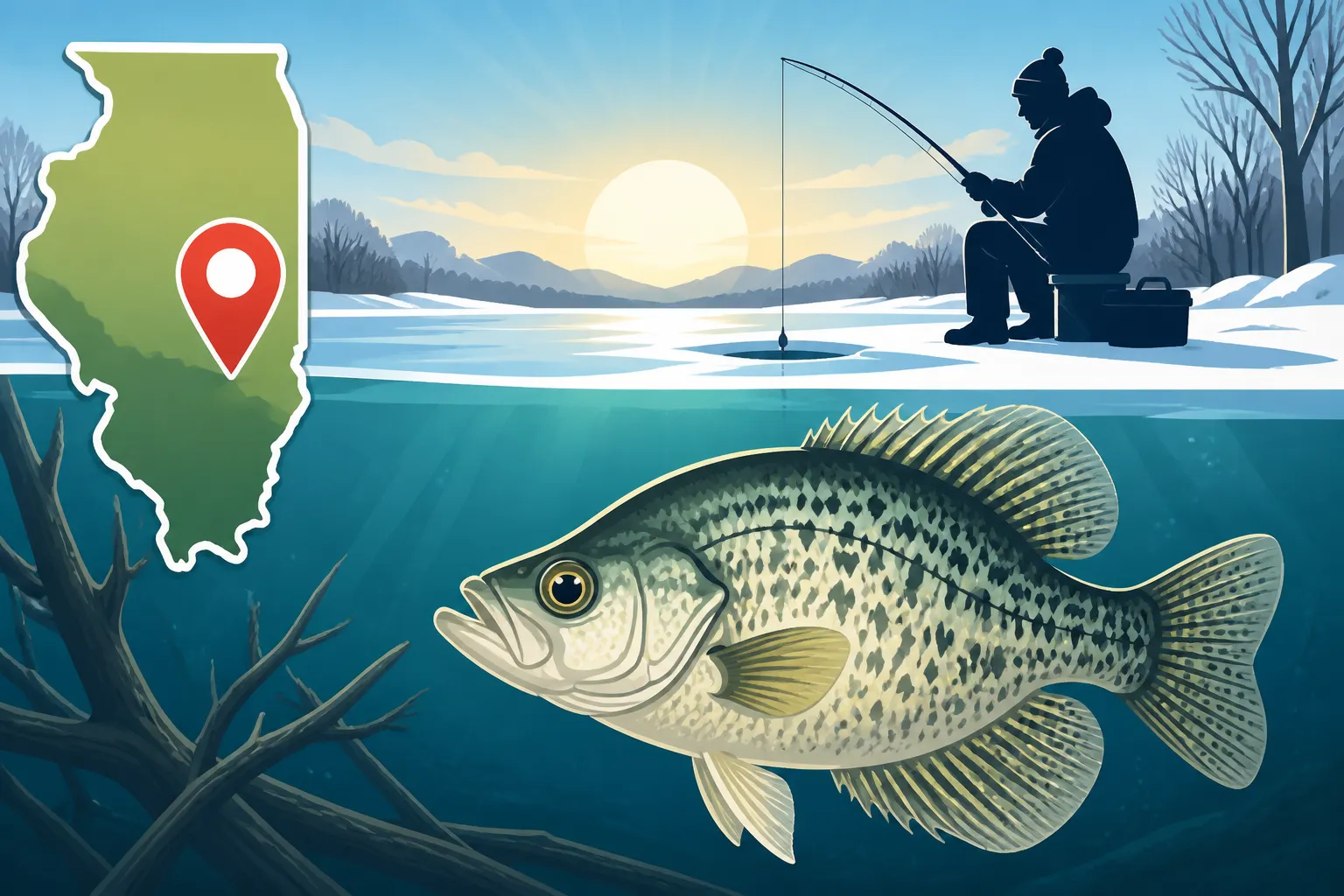
Unlike the bustling shallow waters of spring when you're thinking about the annual spawn, winter crappie are all about depth and structure. They gravitate towards areas where the water temperature is most stable and they can find both cover and food without expending too much energy. On Lake of Egypt, this often means deep brush piles, submerged timber, standing timber left from when the lake was created, and channel edges. These spots provide thermal refuge and ambush points for passing baitfish, which are also moving slower. Think about it: if you were a crappie, would you want to be exposed in a frigid, shallow flat, or tucked into a dense, deep brush pile with a steady stream of slightly warmer water and the occasional minnow drifting by? The answer is obvious, and it’s why understanding these deep-water sanctuaries is paramount to success. Many seasoned anglers focus heavily on these areas, and if you check out a detailed map or a good fish finder, you'll start to see patterns emerge that point directly to these prime winter holding spots.
Prime Locations for Winter Crappie on Lake of Egypt
Lake of Egypt, with its unique thermal characteristics due to the nearby power plant, often holds crappie in more predictable winter patterns than some other Illinois lakes. While other lakes might freeze over completely, the warmer discharge water from the Southern Illinois Power Cooperative plant can keep certain areas open and slightly warmer, creating crappie magnets. However, even away from the immediate discharge, the deeper basins and abundant timber provide excellent habitat. If you're heading out to fish, consider using a service like FishingBooker to connect with a local guide who can offer real-time insights into exactly where the crappie are holding.
Deep Water Brush Piles and Submerged Timber
This is probably the number one secret weapon for winter crappie on Lake of Egypt. Crappie absolutely stack up in deep brush piles. These aren't just random sticks; they are dense, complex structures that provide shelter from current, predators, and temperature fluctuations. Look for brush piles in 15-30 feet of water, often near old creek channels or steep drop-offs. If you have a good fish finder, you'll see these structures light up with what looks like Christmas trees on your screen, and sometimes, the crappie will be so tightly packed in them that it looks like a solid mass.
Beyond brush piles, the lake has plenty of natural submerged timber, especially in its deeper sections. These areas, particularly the larger stumps and fallen trees along old creek beds, serve the same purpose as artificial brush piles. The key is finding the ones that are truly "active" – meaning, they're currently holding fish. This usually requires a bit of prospecting with your electronics and maybe a few exploratory drops. When you find one of these honey holes, remember its location, because crappie will often return to the same deep structure year after year.
Main Lake Points and Channel Edges
While brush piles are fantastic, don't overlook main lake points and the sharp edges of the old river and creek channels that wind through Lake of Egypt. These areas act like highways for baitfish, and crappie will position themselves along these routes to ambush passing meals. Look for points that drop off steeply into 20-40 feet of water, especially if they have some kind of submerged rock or timber on them.
The channel edges are particularly important. Crappie will often suspend right on the edge of a deep channel, or slightly above it, particularly if there's an abrupt change in depth. These areas are great because they offer quick access to both deeper, stable water and slightly shallower feeding grounds. Use your electronics to trace these channels, paying close attention to any irregularities or subtle bends, as these are often where crappie will set up shop. The deeper sections of the lake near the dam, or where the main channels converge, are also high-percentage areas for finding concentrated schools of winter crappie.
| Location Type | Typical Depth Range | Key Features to Look For | Best Fishing Technique |
|---|---|---|---|
| Deep Brush Piles | 15-30 feet | Dense, often artificial structures; can be near old creek beds | Vertical jigging, slow drops |
| Submerged Timber | 20-40 feet | Natural tree stumps, fallen trees along channels | Vertical jigging, spider rigging (slow) |
| Main Lake Points | 20-40 feet (steep drops) | Abrupt depth changes, rock formations, isolated timber | Vertical jigging, tightlining |
| Channel Edges | 25-50 feet | Old creek/river beds, sharp breaks, subtle bends | Vertical jigging, trolling (very slow) |
| Warmer Water Discharges | Varies (often shallower) | Areas near power plant outflow, current breaks, sheltered coves | Vertical jigging, bobber fishing (for suspended fish) |
Sheltered Coves with Deep Access
Even with the overall cold, certain sheltered coves on Lake of Egypt can hold significant numbers of crappie, especially if they offer quick access to deep water. These coves might be out of the main wind and current, allowing the water to stabilize a bit more, and they often contain their own brush piles or submerged structure. Look for coves that are narrow at the entrance but open up into a deeper basin, or those that have deep channels running through them.
These areas can be particularly good on those blustery winter days when the main lake is too rough to fish comfortably. The crappie here will behave similarly to those on the main lake points, often suspending or holding tight to cover in the deepest parts of the cove. Always pay attention to boat traffic and potential fishing pressure in these more accessible areas. Sometimes, the less obvious, harder-to-reach deep coves will yield the best results simply because they see less angler disturbance. For more general advice on fishing the lake, check out our comprehensive guide on Lake of Egypt Fishing Guide.
Essential Gear and Techniques for Lake of Egypt Winter Crappie
Once you've identified potential crappie hotspots on Lake of Egypt, the next step is to make sure you're armed with the right tools and strategies. Winter crappie fishing is a game of finesse and precision, not power or speed. Your gear needs to be sensitive, and your techniques deliberate. Forget the aggressive retrieves of summer; think subtle, slow, and vertical.
Rods, Reels, and Line for Finesse Fishing
For winter crappie, sensitivity is paramount. You'll want a lightweight, sensitive rod that can detect the slightest tap from a lethargic crappie. A 6 to 7-foot light or ultralight action spinning rod is ideal. Look for a rod with a fast tip that loads quickly but has enough backbone to handle a decent crappie. Paired with this, a small spinning reel in the 500-1000 size range will provide smooth drag and keep the overall setup light and manageable.
When it comes to line, 4-6 pound test monofilament or fluorocarbon is generally the go-to. Monofilament offers a bit more stretch, which can be forgiving with light bites, while fluorocarbon is nearly invisible underwater and has less stretch, providing more sensitivity. Some anglers even opt for a thin braid (like 6-10 lb test) for ultimate sensitivity, then add a short fluorocarbon leader for stealth. The key is to keep your line light to minimize resistance and allow your bait to present naturally. If you're wondering about specific choices, a quick search on an angler's forum or asking a local tackle shop about popular setups for Best Rods and Reels for Illinois Anglers can give you great insights.
Downsizing Baits and Jigs
This is perhaps the most critical adjustment for winter crappie. Forget the larger, flashier baits you use in warmer water. Winter crappie want small, subtle presentations. Crappie jigs in the 1/32 to 1/16 ounce range are your best friends. Tiny hair jigs, feather jigs, and small soft plastics are incredibly effective. Colors can vary, but often natural tones like clear, smoke, or shad patterns work well in Lake of Egypt's clearer winter waters. Chartreuse or white can also be excellent choices, especially on overcast days or in slightly stained water.
The size of your bait mimics the smaller, slower-moving baitfish that crappie are willing to exert energy for. Think about a tiny minnow or an insect larva. Tipping your jig with a live minnow, a small piece of crappie nibbler, or a wax worm can dramatically increase your chances, adding natural scent and movement. The subtle flutter of a tiny jig, barely moving, is often all it takes to entice a cold-water crappie to bite. For specific techniques, you might want to review resources like Crappie Jigging Techniques or even Crappie Tightlining Techniques.
Vertical Jigging and Slow Presentations
Given that winter crappie are usually holding tight to deep cover, vertical jigging is arguably the most effective technique. This involves positioning your boat directly over the brush pile or structure where you've marked fish on your electronics. Then, drop your jig straight down to their level. The trick is to keep it moving ever so slightly. A slow, subtle lift-and-drop, or just holding it perfectly still, is often what triggers a bite.
If the fish are suspended above brush piles or along channel edges, a slow trolling or "spider rigging" approach, where you slowly motor along with multiple rods out, each rigged with a small jig or minnow, can be very effective. However, the trolling speed needs to be incredibly slow – barely moving, sometimes just using a trolling motor to creep along at 0.5 to 1 mph. The goal is to keep the bait in the strike zone for as long as possible without appearing unnatural. Remember, these fish aren't going to chase, so bringing the bait to them is key.
Tips for a Successful Lake of Egypt Winter Crappie Trip
Winter crappie fishing on Lake of Egypt can be incredibly rewarding, but it demands patience and attention to detail. It's not just about finding the fish; it's about making them bite and ensuring your trip is safe and comfortable.
Utilizing Electronics for Precision Targeting
Your fish finder is your absolute best friend when chasing winter crappie. It's not just for showing you where the fish are; it's for revealing the structure they're relating to. Look for those deep brush piles, submerged timber, and sharp channel breaks. Once you mark fish on your screen, don't just drop your bait blindly. Use your electronics to position your boat precisely over the school. Side imaging and down imaging technologies can be invaluable for identifying the exact contours and densities of the brush piles, allowing you to drop your jig right into the heart of the school.
Many experienced winter crappie anglers spend more time idling and scanning with their electronics than actually fishing. They're looking for those tight, concentrated schools. Once found, they’ll often use a spot-lock trolling motor feature (like those found on Minn Kota or MotorGuide models) to hold their position perfectly. Remember that subtle temperature changes, even a degree or two, can make a huge difference, so keep an eye on your water temperature gauge if your unit has one; colder water can drive fish even deeper, or into specific warmer pockets. A good Fish Finders for Illinois Lake Fishing can really elevate your game.
Weather Considerations and Safety
Winter fishing means contending with winter weather, which can change rapidly in Illinois. Always check the forecast before you go, paying close attention to wind speed and direction, as well as air temperature. Dress in layers, wear waterproof outer shells, and don't skimp on warm gloves, hats, and insulated boots. Hypothermia is a real risk.
On the water, be mindful of slick boat decks, especially if there's any ice or frost. Ensure all your safety equipment is onboard and easily accessible, including your life jackets. Even though crappie fishing is often a slower pace, unexpected wakes from other boats or a sudden shift in weather can occur. If you plan to use a boat, understanding Illinois Boater Education Card Requirements and Illinois Boating Safety Equipment Checklist is crucial. Fishing when a cold front has just passed can make crappie even more lethargic, so sometimes waiting for a warming trend, even a slight one, can improve your chances. For more on how weather impacts fish behavior, take a look at our Water Temperature and Fish Activity Guide.
Persistence and Patience
Winter crappie fishing is not for the faint of heart. There will be days when the fish simply don't cooperate, or when you spend hours searching without a bite. This is where persistence and patience become your most valuable assets. Don't get discouraged if your first few spots are barren. Keep moving, keep scanning, and keep trying different depths and presentations. Sometimes, a slight change in jig color, or even just holding your bait perfectly still for an extended period, is all it takes to trigger a strike.
It's also important to manage your expectations. A banner day in winter might be 10-15 crappie, rather than the 50 you might catch in spring. But those winter crappie are often bigger, fatter, and feel like hard-earned trophies. Embrace the challenge, enjoy the quiet solitude of the winter lake, and celebrate every bite. You'll find that the satisfaction of cracking the code on Lake of Egypt's winter crappie bite is a reward in itself. Planning your trip could be easier by searching for a guide on platforms like FishingBooker, as they often have real-time reports of what's biting.
Disclaimer
Fishing conditions and regulations in Illinois can change. Always consult the latest Illinois Department of Natural Resources (IDNR) fishing guide and local regulations before heading out. This content is for informational purposes only and does not constitute official legal or safety advice.