Illinois River Fishing Spots Near Peoria
It’s a common frustration: you live near a major river like the Illinois River, brimming with fish, but actually finding those prime fishing spots, especially around a bustling city like Peoria, can feel like an impossible secret to unlock. This guide is here to cut through the confusion, revealing the best Illinois River fishing spots near Peoria, helping you target everything from trophy catfish to feisty bass and abundant panfish, so you can spend less time guessing and more time reeling in your next big catch.
Understanding the Illinois River Near Peoria
The Illinois River is a truly dynamic system, and the stretch near Peoria is no exception. It’s part of a series of navigable pools created by locks and dams, which significantly impact how and where fish behave. This particular area falls primarily within the Peoria Pool, a relatively stable section of the river that still experiences seasonal fluctuations and strong currents, especially after heavy rains. Anglers often overlook the river itself, preferring smaller, more predictable lakes, but the Illinois River offers incredible diversity and the chance for some truly massive fish if you know where to look.
The Peoria Pool Dynamics
The Peoria Pool stretches for miles, encompassing both Upper and Lower Peoria Lake, which are essentially wide sections of the river rather than traditional lakes. These wider areas, along with the main channel, side channels, and numerous backwater lakes and sloughs, create a complex habitat mosaic. The locks and dams (like Starved Rock Lock and Dam upstream and LaGrange Lock and Dam downstream) control water levels and flow, but the river still pulses with life, making it a hotspot for various species. Water clarity can range from murky to surprisingly clear depending on rainfall and time of year, demanding adaptable fishing strategies. Understanding these dynamics is key to unlocking the river's full potential, as fish will move between the main channel, the lakes, and the quieter backwaters based on current, temperature, and forage availability.
Common Fish Species to Target
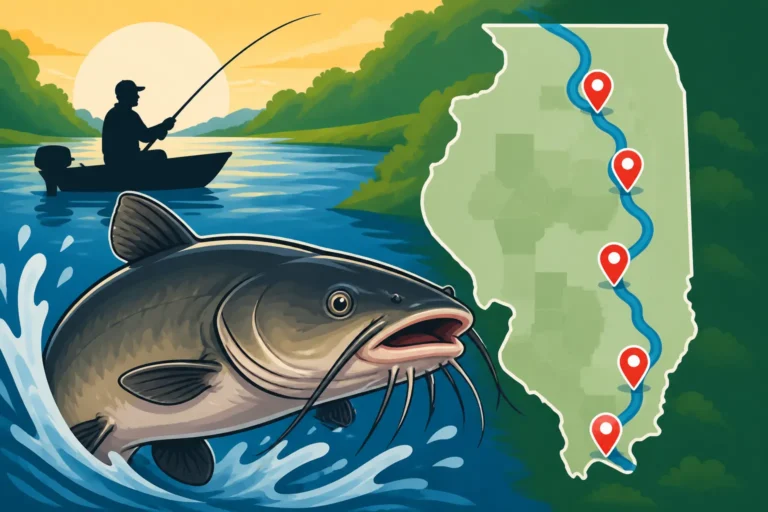
The Illinois River near Peoria is a multi-species angler’s dream. You'll find a robust population of various catfish species, including channel catfish, blue catfish, and flathead catfish, often lurking in deeper holes and along submerged structures. Bass fishing, particularly for largemouth bass, thrives in the river's backwater lakes and sloughs, where abundant cover provides ideal habitat. Crappie are also plentiful, especially during their spawning seasons when they move into shallower, brushy areas. For those looking for a different challenge, white bass can provide fast action, particularly during their spring runs, and even some walleye and sauger can be found, though they tend to be more common further upstream. Knowing the Illinois Fishing Regulations Overview for each species is crucial before you head out.
Prime Fishing Locations Around Peoria
While the entire Illinois River system offers opportunities, some specific spots around Peoria stand out due to their access, habitat diversity, and consistent fish populations. These locations provide a mix of bank fishing convenience and boat access, catering to various angling preferences. It's not just about tossing a line anywhere; understanding the unique characteristics of each spot will significantly increase your success.
Upper and Lower Peoria Lake Backwaters
Peoria Lake itself, being a wide stretch of the Illinois River, holds a tremendous amount of fish, but the true gems are often found in its various backwater areas and connected sloughs. These quieter, shallower zones are often protected from the main river's current and boat traffic, creating ideal conditions for bass and crappie. Look for areas with lily pads, submerged timber, and brush piles – these are natural magnets for baitfish and, consequently, predatory species.
One notable example is Creve Coeur Lake, a large backwater lake directly connected to the Illinois River on the south side of Peoria. It’s renowned for its excellent largemouth bass and crappie fishing. The lake features extensive shallow areas with emergent vegetation, as well as deeper channels and old creek beds. Spring and fall are particularly productive here. Similarly, several unnamed coves and sloughs along both the east and west banks of Peoria Lake offer similar opportunities. Access might be limited to smaller boats or kayaks in some of these shallower backwaters, but the reward of finding undisturbed fish can be well worth the effort. For those looking to target crappie, specifically, these backwater spots are often listed among the Best Crappie Fishing Lakes in Illinois.
The Downtown Peoria Riverfront and Public Access Points
For anglers who prefer to stay on shore or launch smaller vessels close to urban amenities, the downtown Peoria riverfront and its surrounding parks offer several excellent public access points. These spots provide convenient entry to the main river channel and the edges of Peoria Lake, making them ideal for targeting catfish, white bass, and even some migratory species.
Detweiller Park, located on the northern edge of Peoria, is a fantastic example. It provides ample bank access, including dedicated fishing piers and shorelines that extend into the river. Here, anglers often find strong populations of channel catfish and flathead catfish, especially near deeper drop-offs and current breaks. During the spring, white bass schools frequently move through this area, offering exciting opportunities for fast-paced action. The park is also suitable for launching kayaks or smaller jon boats for exploring nearby coves.
Further south, the East Peoria Riverfront also provides public access and opportunities for shore fishing. While perhaps more developed for recreation, its proximity to the main channel makes it a viable spot for anglers. Keep an eye out for submerged structures or debris near these urban access points, as they can often hold surprising numbers of fish. When planning your trip, consider checking out the Best Shore Fishing Access in Illinois for additional insights into making the most of these land-based opportunities. For a guided experience, especially if you’re new to the area, checking out local guides on platforms like FishingBooker can provide expert insight into the best current hot spots along the riverfront.
Dam Areas and Current Breaks
While not directly in Peoria, the influence of the nearby locks and dams is undeniable, and the areas downstream from them can be absolute magnets for fish. When water is released through the dams, it creates strong current breaks, eddies, and oxygenated water that attract a wide variety of species. Fish congregate in these areas to feed on baitfish disoriented by the current or to find resting spots out of the main flow.
The LaGrange Lock and Dam, located southwest of Peoria near Versailles, is a prime example. While it requires a drive from Peoria, the fishing opportunities downstream from the dam can be exceptional. Catfish, especially big blue and flathead catfish, often stack up in the turbulent waters and deeper holes. Walleye and sauger, though less common in this part of the Illinois River, are also more frequently encountered near dam structures. You'll need heavier tackle and a boat capable of handling strong currents if you plan to fish directly below a dam. Always be aware of safety regulations and navigation restrictions around these structures. Understanding the Illinois Walleye Size and Catch Limits is particularly important if you plan to target these species in these unique river conditions.
Species-Specific Strategies and Seasonal Considerations
Fishing the Illinois River effectively means tailoring your approach to both the species you're targeting and the time of year. Each season brings different opportunities and challenges, and understanding these nuances will significantly improve your chances of success.
Chasing Catfish: From Channels to Flatheads
The Illinois River near Peoria is a true catfish paradise, home to channel, blue, and flathead catfish, often in impressive sizes. Catfish are typically found in deeper holes, along channel edges, and around submerged cover like fallen trees or rock piles. They are opportunistic feeders, making them a popular target for many anglers.
- Spring and Early Summer: As water temperatures rise, channel and blue catfish become very active. They'll often move into shallower areas, especially at night or on overcast days, to feed. During this time, standard bottom fishing techniques with stink baits, cut bait, or worms work exceptionally well. Look for mud lines or subtle current breaks.
- Mid-Summer: When the river gets warm, catfish often retreat to deeper, cooler water. Target main channel holes, bridge pilings, and scour holes near current. This is prime time for larger flathead catfish, which prefer live bait such as bluegill or shad. Many anglers utilize specialized Catfish Bottom Fishing Techniques for these conditions. Remember to check the Illinois Catfish Daily Limits Explained before you head out, as limits can vary by species.
- Fall: As temperatures cool, catfish go on a feeding frenzy to bulk up for winter. They can be found in similar locations to summer, but often more aggressively pursuing bait.
Using a heavy-duty rod and reel, strong braided line, and a stout hook is essential for landing these powerful fish, especially if you're battling a big flathead in the current.
Bass Fishing in the Backwaters
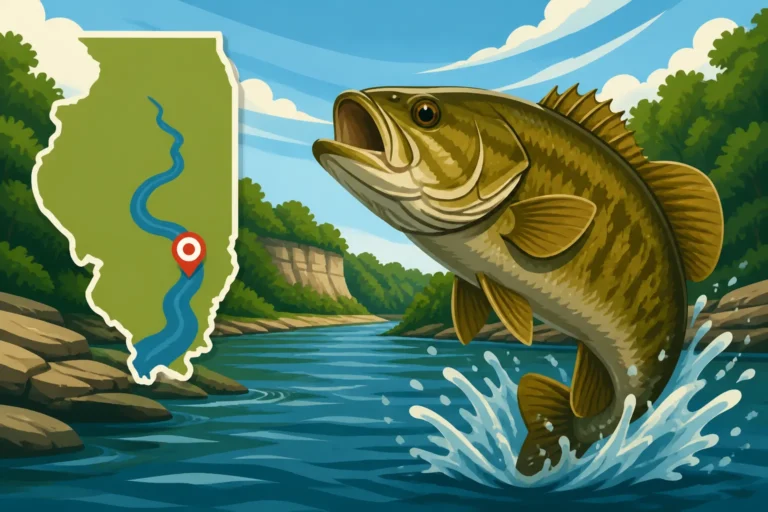
While the main river channel can hold some smallmouth bass further north, the Peoria area of the Illinois River is primarily a largemouth bass fishery, especially within its connected backwater lakes and sloughs like Creve Coeur Lake and Spring Lake. These areas offer the ideal mix of shallow cover, still water, and abundant forage.
- Spring: This is an exciting time as bass move into shallower water for the pre-spawn and spawn. Target warm, sunny flats with emergent vegetation or woody cover. Spinnerbaits, swim jigs, and soft plastics (Texas-rigged worms or creature baits) are excellent choices. Many anglers focus on the subtle warming trends, as this is when the bass are most active.
- Summer: As water temperatures climb, bass will often seek refuge in deeper, shaded areas or dense cover. Flipping and pitching jigs or heavy Texas-rigged plastics into thick mats of vegetation or under docks can be highly effective. Early morning and late evening topwater action can also be explosive.
- Fall: Similar to spring, bass become very active as they feed heavily before winter. They’ll often move to the edges of deeper cover, ambushing baitfish. Crankbaits, jerkbaits, and bladed jigs can be deadly during this period. Remember, the Illinois Statewide Bass Daily Catch Limit of Six Fish applies here.
Fishing from a kayak or a smaller jon boat often allows access to areas that larger boats can’t reach, giving you a competitive edge in these backwater havens.
Crappie and Panfish: Springtime Delights
Crappie, bluegill, and other panfish are abundant in the Illinois River system near Peoria, particularly in the backwater lakes and quieter sloughs. These species provide excellent action for anglers of all skill levels, especially for families and those new to fishing.
- Spring (Pre-Spawn and Spawn): This is arguably the best time for crappie and panfish. Crappie move into shallow water, often congregating around brush piles, submerged timber, and reeds to spawn. Small jigs (1/32 to 1/16 oz) tipped with minnows or soft plastic crappie tubes are incredibly effective. Bluegill will also move shallow, often found in similar areas or around lily pads. Wax worms, pieces of nightcrawler, or small artificial grubs under a bobber work wonders. For specific methods, check out Crappie Fishing Techniques for Spring.
- Summer: Panfish will often move to deeper brush piles, submerged structures, or shady areas during the heat of summer. Vertically jigging small spoons or using a slip bobber to present bait at specific depths can produce results.
- Fall: As temperatures cool, crappie and bluegill will again become more active, feeding heavily before winter. They often stack up on deeper cover or along drop-offs leading into main channels.
These backwater areas are perfect for a relaxing day of fishing, whether from the bank or a small boat. Many local guides listed on FishingBooker specialize in taking families to these productive panfish spots, ensuring a fun and fruitful outing.
Essential Gear and Practical Tips for Peoria River Fishing
Having the right equipment and understanding some local nuances can make all the difference when fishing the Illinois River near Peoria. The diverse conditions, from swift currents to quiet backwaters, demand versatility.
Recommended Tackle and Rigs
The gear you choose will largely depend on your target species and preferred fishing method.
- For Catfish: You'll want medium-heavy to heavy action rods (7-9 feet) paired with baitcasting reels spooled with 30-80 lb braided line. This setup is crucial for handling powerful fish and strong currents. Bottom rigs with a sliding sinker (1-4 oz depending on current) and a 3/0 to 8/0 circle hook are standard. For specific scenarios, exploring Catfish Bottom Fishing Techniques can provide more detail.
- For Bass: Medium-heavy baitcasting or spinning rods (6.5-7.5 feet) with 12-20 lb fluorocarbon or braided line are versatile. A variety of lures, including crankbaits, jigs, spinnerbaits, and soft plastics (Texas or Carolina rigged), will cover most situations.
- For Crappie and Panfish: Light to ultralight spinning rods (5-7 feet) with 4-8 lb monofilament or braided line are perfect. Small jigs, bobbers, and live bait like minnows or worms are highly effective.
Always carry a variety of weights, hooks, and leader material to adapt to changing conditions. The river bottom can be snaggy, so having extra tackle is a smart move.
Navigating the Illinois River Safely
The Illinois River is a working river, meaning you'll share the water with barge traffic and other recreational boaters. Safety should always be your top priority.
- Boat Size and Type: For fishing the main channel, a stable boat capable of handling wakes and some current is advisable. Jon boats are popular for backwaters, while larger bass boats or deep-V boats are better suited for the main river. Consider what kind of boat is among the Best Boats for Illinois Rivers if you're in the market.
- Navigation: Always pay attention to navigation markers. Barges have the right-of-way and create significant wakes, so give them a wide berth. Be aware of no-wake zones, especially near marinas and developed areas.
- Weather and Water Conditions: River conditions can change quickly. Strong winds can make the wide-open Peoria Lake treacherous, and heavy rains can cause rapid rises in water level and increased current. Always check the forecast and current river conditions before heading out.
Using a quality fish finder with GPS capabilities can also be invaluable for identifying structure, navigating unfamiliar waters, and marking productive spots.
Local Regulations and Permits
Before casting a line, ensure you have the proper Illinois fishing license. All residents and non-residents aged 16 and over are generally required to have one. You can find comprehensive information in the Illinois Fishing License Guide for 2026.
Furthermore, while statewide regulations apply, specific water bodies or river stretches can sometimes have site-specific rules regarding size and catch limits. It’s always best to consult the most recent Illinois Department of Natural Resources (IDNR) fishing guide or check their website for any specific regulations pertaining to the Illinois River or its connected backwaters near Peoria. Knowing How to Find the Rules for a Specific Illinois Fishing Spot can prevent unintentional violations.
Table: Popular Peoria-Area Illinois River Fishing Spots at a Glance
To give you a quick overview, here's a table summarizing some of the prime fishing opportunities around Peoria:
| Location | Primary Species Targeted | Best Methods | Key Features | Access Type |
|---|---|---|---|---|
| Creve Coeur Lake | Largemouth Bass, Crappie | Jigs, Soft Plastics, Minnows | Backwater lake, abundant vegetation | Boat, Kayak, Limited Shore |
| Detweiller Park Shore | Channel Catfish, White Bass | Bottom Rigs, Live Bait, Spoons | Public shore, piers, current breaks | Shore, Kayak |
| Main Illinois River Channel | Catfish (Blue, Flathead) | Heavy Bottom Rigs, Live Bait | Deeper holes, current, structure | Boat |
| Peoria Lake Edges | Largemouth Bass, Crappie | Spinnerbaits, Jigs, Worms | Submerged timber, lily pads | Boat, Kayak, Some Shore |
| LaGrange Lock & Dam Area | Catfish, Walleye, Sauger | Heavy Rigs, Live Bait, Crankbaits | Strong current, deep scour holes | Boat (downstream) |
Remember, while this table gives a snapshot, conditions on the Illinois River are always changing. The best strategy is to stay flexible, observe the water, and don't be afraid to try different techniques. Whether you're exploring with your own boat or booking a guided trip through FishingBooker, the Illinois River near Peoria is waiting to offer a memorable fishing adventure.
Disclaimer
The information provided in this guide is for general informational purposes only. Fishing regulations, conditions, and fish populations can change. Always consult the latest Illinois Department of Natural Resources (IDNR) regulations and local advisories before engaging in any fishing activities. Personal safety is paramount; always wear a PFD (personal flotation device) when on the water and be aware of your surroundings, especially in areas with boat traffic or strong currents.