Shore Fishing Gear for Illinois Anglers
Getting out on the water in Illinois is a fantastic experience, but sometimes, the boat isn't an option, or you simply prefer the tranquility and accessibility of casting from shore. Whether you're a seasoned angler or just starting out, knowing what shore fishing gear you truly need can feel like a maze, especially with so many options out there. This comprehensive guide is here to cut through the noise, helping you understand the essential rods, reels, lines, tackle, and accessories that will make your next Illinois bank fishing trip successful and enjoyable.
The Essentials: Rods, Reels, and Line for Bank Anglers
When you're standing on the bank, pier, or a quiet river's edge, your rod, reel, and line are your direct connection to the fish. Choosing the right combination for Illinois waters can make all the difference in casting distance, sensitivity, and your ability to land a feisty catch. It’s not about having the most expensive gear, but the right gear for the job.
Rod Selection: Length, Action, and Power
Picking a fishing rod for shore fishing in Illinois isn't a one-size-fits-all situation, but there are some general guidelines that will serve you well. You're looking for a balance of casting distance, power to handle different fish, and sensitivity to feel those subtle bites.
For most general shore fishing across Illinois, a medium-light to medium power spinning rod, typically between 6'6" and 7'6", will be your workhorse. A longer rod, say 7 feet or more, gives you excellent casting distance, which is often crucial when you can't reach those deeper pockets or submerged structures from the bank. The extra length also helps keep your line off the water more, reducing drag from current and snags on shallow weeds. If you're targeting smaller panfish like bluegill or crappie in calmer ponds, an ultralight rod in the 5'6" to 6'6" range can be incredibly fun and provide unmatched sensitivity for those light bites. Conversely, if you plan to tackle bigger catfish on the Mississippi River or larger bass in major reservoirs, bumping up to a medium-heavy rod provides the backbone you need to control powerful fish. The "action" of the rod – fast, moderate, or slow – dictates where the rod bends. A fast-action rod bends mostly at the tip, offering excellent sensitivity and quick hook sets, great for jigging or working finesse baits. A moderate action bends further down, providing more forgiving casts and better shock absorption for fighting strong, surging fish.
Reel Choices: Spinning vs. Baitcasting for Shore
For shore fishing, spinning reels are overwhelmingly the most popular and practical choice for Illinois anglers, especially beginners. They are incredibly user-friendly, forgiving when it comes to casting, and excellent for a wide range of bait and lure weights.
A good quality spinning reel, matched to your rod's power, should be smooth and have a reliable drag system. A reel size between 2000 and 3000 (often labeled 20, 25, or 30) is versatile for everything from panfish to decent-sized bass and channel catfish. These sizes offer a good line capacity without being overly bulky. They excel at casting lighter baits and lures, which are common for shore fishing applications. If you're exclusively chasing smaller panfish, a 1000-size reel might be perfect. For bigger game, like trophy walleye on the Illinois River or large flatheads, you might consider a 4000-series reel or even explore a baitcasting setup, though baitcasters have a steeper learning curve and are generally less forgiving with light baits and unexpected backlashes, which can be frustrating when you're limited to bank access. Gear ratio is another factor, with higher ratios (e.g., 6.0:1) excellent for quickly retrieving line or working fast-moving lures, while lower ratios (e.g., 5.0:1) provide more cranking power for fighting big fish or slow-rolling baits.
Line Considerations: Monofilament, Fluorocarbon, and Braid
Your fishing line is the unsung hero, connecting your presentation to your reel. Each type has its strengths and weaknesses, and understanding them will help you make an informed choice for your Illinois shore excursions.
- Monofilament (Mono): This is the classic, all-around line. It's affordable, easy to tie knots with, and offers a good amount of stretch, which can be forgiving when fighting fish or if you have a less-than-perfect drag setting. Mono floats, making it ideal for topwater lures or fishing with bobbers. Its biggest downside is memory (it tends to coil off the reel) and visibility in clear water. For general-purpose shore fishing targeting a variety of species, 6-10 lb test monofilament is a fantastic starting point. It's often favored for Illinois Bluegill Fishing: Best Bait and Where to Go and basic bass setups.
- Fluorocarbon (Fluoro): This line is known for its invisibility underwater due to a light-refractive index similar to water. It's also more abrasion-resistant than mono and has less stretch, which translates to increased sensitivity and more solid hooksets. However, fluoro can be stiffer, making it harder to cast, and it sinks, which isn't always desirable for topwater presentations. Many anglers use a fluorocarbon leader (a short piece tied to the end of their main line) when fishing in clear water or with finicky fish, connecting it to a braid mainline.
- Braided Line (Braid): Braid is incredibly strong for its diameter, has virtually no stretch (offering maximum sensitivity), and casts extremely well due to its thin profile. It's excellent for feeling subtle bites and power fishing techniques. The main drawbacks are its visibility (it's often colored), its tendency to dig into itself on the spool if not spooled properly, and its higher cost. Many experienced anglers use 10-20 lb test braid as their main line, especially when casting long distances or fishing around heavy cover, and then tie a monofilament or fluorocarbon leader to the end for bait presentation and stealth. This combination offers the best of both worlds for many situations you'll encounter on Illinois lakes and rivers.
Terminal Tackle: Hooks, Weights, and Floats to Get Started
Once you have your rod, reel, and line sorted, it’s time to think about the business end of your setup: the terminal tackle. This includes the hooks that catch the fish, the weights that help your bait get to the right depth, and the floats that indicate a bite. Having a good variety in your tackle box means you're prepared for whatever Illinois waters throw at you.
Hooking Up: Choosing the Right Hook
Selecting the correct hook is paramount. It needs to be strong enough to hold the fish, sharp enough to penetrate, and sized appropriately for your bait and target species.
For panfish like bluegill and crappie, small, sharp hooks in sizes 8, 6, or 4 are ideal. A simple Aberdeen hook or small circle hook works perfectly with worms or minnows. When you're after bass, a wider gap hook becomes important, especially with soft plastic lures. An EWG (Extra Wide Gap) hook from sizes 3/0 to 5/0 is common for Texas rigging plastics, while an offset worm hook can also be effective. For catfish, especially the bigger brutes found in the Mississippi River or Carlyle Lake, you'll want stout circle hooks or J-hooks in larger sizes, from 1/0 up to 8/0, depending on the size of your bait and the catfish you're hoping to entice. Circle hooks are particularly good for catfish as they typically hook in the corner of the fish's mouth, making for easier release and less harm to the fish. Make sure your hooks are sharp – a dull hook leads to missed bites and frustration. A small hook sharpening file or even a simple stone can keep your hooks ready for action.
Weighting Your Rig: Sinkers for Every Situation
Sinkers do exactly what their name implies: they help sink your bait or lure to the desired depth and can also aid in casting distance. The type and size you use will depend on water depth, current, and what you’re trying to achieve.
For light presentations, like fishing for panfish with a bobber, small split shot weights are perfect. They're easy to pinch onto your line and adjust. When you need to cast further or get through light current, a bullet weight (often used for Texas rigging soft plastics for bass) or an egg sinker (great for Carolina rigs or bottom fishing for catfish) comes in handy. These allow the line to slide through, meaning a biting fish won't feel immediate resistance. For heavier currents, like those found in larger rivers, or when you need to anchor your bait in a specific spot, pyramid sinkers or bell sinkers are more effective at holding bottom. Always try to use the lightest weight possible that still allows you to cast effectively and maintain contact with your bait. Too much weight can make your presentation look unnatural and spook fish.
The Art of the Bobber: Floats and Strike Indicators
Bobbers, or floats, are not just for kids! They are invaluable tools for shore anglers, indicating bites and suspending your bait at a precise depth.
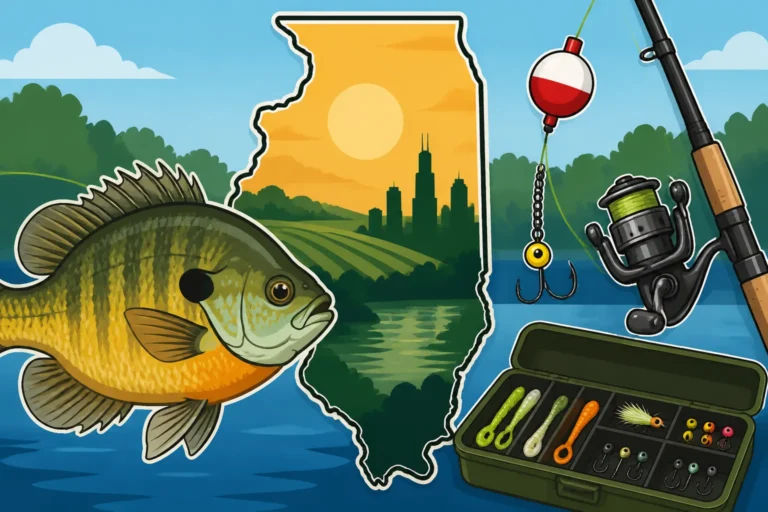
There are generally two types of bobbers: fixed and slip. Fixed bobbers (like the classic red-and-white round ones) attach directly to your line at a set depth. They are excellent for shallow water (usually less than your rod length) and for easily visible strike indication. Slip bobbers, however, are a game-changer for shore anglers needing to present bait in deeper water. They "slip" up and down your line, stopping at a pre-set depth via a small knot (a bobber stop). This allows you to cast your bait out even if it's set to fish 15 feet deep, as the bobber will slide down to the bait during the cast and then float up when it hits the water. This means you can easily fish deeper spots from the bank without having to manage an excessively long leader. Bobbers are fantastic for presenting live bait like minnows or worms for crappie, bluegill, or even suspended bass. How to Rig a Bobber for Bluegill is a great resource if you're looking to refine your panfish presentation.
Bait and Lure Strategies for Shore Fishing
Once you’ve got your fundamental gear, the next step is deciding what to put on the end of your line. From natural, irresistible morsels to flashy, enticing artificials, the right bait or lure can turn a slow day into a memorable one. Shore fishing presents unique challenges, so selecting presentations that cast well and attract fish in limited areas is key.
Natural Baits: The Tried and True
There's a reason live and natural baits have been used for centuries – they work! For Illinois shore anglers, these are often the easiest and most effective way to tempt a wide variety of fish species.
- Worms: The humble nightcrawler or redworm is a universal fish catcher. Panfish, bass, trout, and especially catfish can't resist a wiggling worm. They're easy to find (even in your own backyard after a rain!) or purchase at any bait shop. Rig them on a small hook under a bobber for panfish or bottom fish them with a sinker for catfish.
- Minnows: Live minnows are a go-to for crappie, walleye, white bass, and even larger bass. Hook them lightly through the back or lip and fish them under a slip bobber near submerged structure or along drop-offs. Keep them lively in a bait bucket with an aerator.
- Crickets/Grasshoppers: These insect baits are fantastic for tempting panfish, especially bluegill and sunfish, in warmer months. A small cricket under a tiny bobber or even fly-lined (no weight) near lily pads can be deadly.
- Dough Baits/Prepared Baits: Often scented and designed to attract specific species, dough balls are popular for carp and catfish. Stink baits, particularly, are a catfish angler’s best friend. Brands like Bass Pro Shops offer a huge selection of prepared baits for these species.
- Cut Bait: For serious catfish anglers, cut bait (pieces of shad, skipjack, or even bluegill) fished on the bottom is incredibly effective, especially for larger channel, blue, and flathead catfish. The strong scent trail attracts big fish from a distance. Best Bait for Channel Catfish will give you some excellent ideas.
Artificial Lures: Casting from the Bank
While live bait is often king, artificial lures can be incredibly effective, especially for actively feeding predatory fish. The key is choosing lures that cast well from shore and can be worked effectively without a boat.
- Spinners: Small inline spinners are phenomenal for panfish, trout, and smaller bass. They cast easily and create a flash and vibration that fish can't ignore. Rooster Tails and Mepps spinners are classic examples.
- Jigs: Jigs are perhaps the most versatile lure for shore fishing. From tiny 1/32 oz jigs tipped with plastic grubs for crappie and bluegill, to larger 1/4 oz jigs with soft plastic trailers for bass and walleye, they can imitate a variety of prey. They can be cast and retrieved, bounced along the bottom, or jigged vertically. For Crappie Jigging Techniques, a small jig is often all you need.
- Soft Plastics: Worms, grubs, swimbaits, and creature baits made of soft plastic are incredibly effective for bass and often walleye. Texas rigging or Carolina rigging a soft plastic worm allows you to fish through cover with minimal snags, which is a huge advantage when fishing from the bank near weeds or brush. Weightless wacky rigs are also deadly for bass in shallower areas.
- Crankbaits: Smaller, shallow-diving crankbaits can be cast from shore to cover water and entice bass, crappie, and walleye. Lipless crankbaits are also excellent for covering large areas quickly and can be effective when fish are chasing baitfish. Look for models that cast far and run true on a steady retrieve.
- Topwater Lures: When fish are active on the surface, topwater lures like poppers, walking baits, or buzzbaits can provide explosive strikes. These are best fished in low light conditions (dawn/dusk) or overcast days in calmer water.
Essential Accessories for the Illinois Bank Angler
Beyond the primary rod, reel, and line, a handful of essential accessories can significantly improve your shore fishing experience in Illinois. These items address comfort, safety, compliance with regulations, and efficient tackle management. Don't underestimate the impact of being well-prepared!
Comfort and Convenience: What to Carry
A day of bank fishing can involve a lot of standing, walking, and sometimes just waiting. Making sure you're comfortable and have basic conveniences can extend your time on the water and make it far more enjoyable.
First and foremost, a comfortable, lightweight folding chair or stool is a blessing, especially if you plan to spend hours at a single spot, perhaps waiting for catfish to bite on Carlyle Lake. You'll thank yourself for not having to sit directly on damp ground or rough concrete. A small cooler (or even an insulated bag) isn't just for drinks and snacks; it's also crucial for keeping your live bait fresh and healthy, or for bringing home your keepers safely. Don't forget sunscreen and a wide-brimmed hat to protect against the strong Illinois sun, even on overcast days. Insect repellent is non-negotiable, especially during the warmer months and near stagnant water where mosquitoes and biting flies can be relentless. Finally, dressing in layers is always a smart move, as Illinois weather can change quickly.
Safety and Regulations: Must-Haves
Fishing is a fantastic pastime, but it's important to be safe and adhere to local regulations. Having the right safety gear and knowing the rules is part of being a responsible angler.
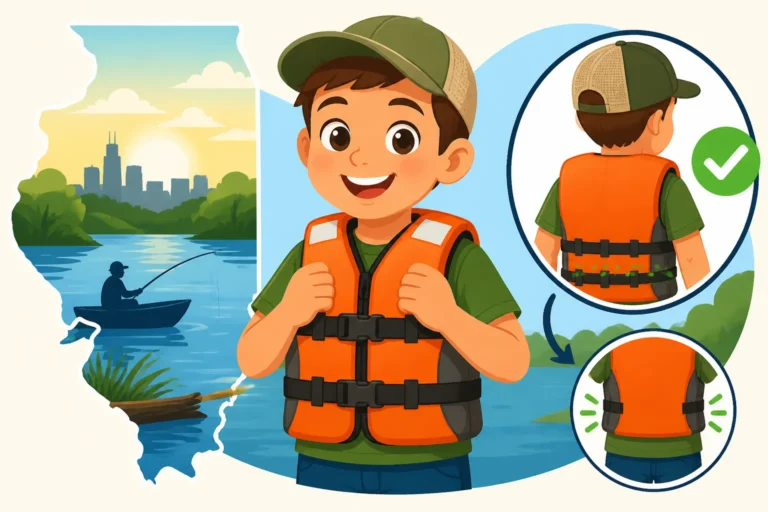
Always carry your Illinois fishing license with you. Digital copies on your phone are generally accepted, but having a physical printout can sometimes save a hassle. You can find detailed information in the Illinois Fishing License Guide for 2026. A pair of pliers or forceps is crucial for safely removing hooks from fish, especially if they're deeply hooked or you're handling toothy species. This also protects your fingers from sharp teeth or fins. A tape measure or ruler is essential for ensuring your catch meets legal size limits for species like walleye or bass. Having a small, basic first-aid kit is always a good idea for minor cuts, scrapes, or hook pokes. If you plan on any Night Fishing Techniques from shore, a headlamp or flashlight is absolutely critical for visibility and safety. Lastly, while less common for shore anglers, if you're fishing near busy waterways or in areas where a personal flotation device (PFD) might be wise (e.g., steep banks, piers with strong currents), consider carrying one.
Tackle Management: Bags, Boxes, and Buckets
Keeping your gear organized and easily accessible is key to a smooth fishing trip, especially when you're limited to what you can carry from the car to your spot.
For the minimalist, a small tackle box with a few trays is perfectly adequate for holding your essential hooks, weights, and a selection of lures. For those who like more options or are planning a longer outing, a fishing backpack is an excellent choice. Many come with built-in tackle trays, dedicated pockets for tools, and comfortable straps for hiking to more remote spots. They allow you to keep your hands free for carrying rods or other gear. You can often find great options for these at retailers like Amazon or Bass Pro Shops. Some anglers prefer a simple 5-gallon bucket for panfish or catfish outings; it can hold gear, bait, and even serve as a makeshift seat. Whatever you choose, ensure it's durable and can protect your tackle from the elements.
Special Considerations for Different Illinois Waters
Illinois offers an incredible diversity of fishing environments, from tiny farm ponds to massive reservoirs and flowing rivers. Each presents its own set of challenges and opportunities for the shore angler, meaning your gear and tactics might need a little tweaking depending on where you cast your line.
Ponds and Small Lakes: Light Tackle and Simplicity
These smaller, often calmer bodies of water are the bread and butter for many Illinois shore anglers, especially those looking for an easy, relaxing day or introducing kids to fishing.
For ponds and small lakes, simplicity and stealth are often your best friends. An ultralight or light action rod (5'6" to 6'6") paired with a small spinning reel (1000-2000 size) spooled with 4-6 lb monofilament is a dream setup. This lighter tackle maximizes the fun of catching even small bluegill or sunfish, and provides surprising backbone for larger bass that might be lurking. You rarely need to cast extreme distances, so focus on accuracy. Small jigs tipped with wax worms or plastic grubs, tiny spinners, or a simple worm under a bobber are incredibly effective. Look for areas with lily pads, submerged timber, or weed lines, as these provide cover for fish. Often, the biggest challenge is not spooking the fish in these smaller, clearer waters, so approach the bank quietly and make soft casts. These spots are perfect for teaching How to Teach a Kid to Fish for Panfish.
Rivers and Streams: Dealing with Current
Fishing rivers and streams from the bank requires a different approach, as you'll constantly be battling the current, whether it's the mighty Mississippi or a smaller local creek.
When dealing with current, you'll generally want to move up to a medium power rod (6'6" to 7'6") and a 3000-4000 size spinning reel spooled with 8-12 lb monofilament or braid. The extra power helps control fish in the current, and the heavier line stands up better to snags and abrasive river bottoms. Weights become more critical here; you'll often need heavier sinkers (like pyramid or egg sinkers) to keep your bait on the bottom in flowing water. Focus on finding current breaks, eddies, or slack water behind structure like fallen trees, rocks, or bridge pilings. Fish will often hold in these calmer areas to ambush prey without expending too much energy. For species like walleye and sauger, jigs tipped with minnows or soft plastics are very effective, bounced along the bottom. Catfish anglers will often use heavy bottom rigs with cut bait in deeper holes or along channel edges. Learning to read the current and identify prime holding spots is a skill that comes with practice. For serious catfish anglers, Mississippi River Catfish Fishing in Southern Illinois often means heavy gear.
Large Reservoirs and Lakefronts: Distance Casting
Illinois boasts some impressive large reservoirs like Rend Lake, Lake Shelbyville, and Carlyle Lake, as well as the vast expanse of Lake Michigan. Shore fishing these waters can be tough because fish are often far from the bank, requiring maximum casting distance.
For these larger bodies of water, a longer, medium-heavy power rod (7' to 9', or even longer for dedicated surf casting on Lake Michigan) is invaluable. Pair it with a 3000-4000 size spinning reel spooled with 15-30 lb braided line for its thin diameter and incredible casting distance. Braid also offers maximum sensitivity to detect bites at long ranges. You'll likely need heavier lures and sinkers to achieve those long casts. Techniques like throwing heavy spoons, crankbaits, or weighted soft plastics can help you reach deeper water or distant structures. On Lake Michigan, specifically, a longer rod is crucial for casting over breaking waves and reaching trout and salmon that might be cruising closer to shore, especially during seasonal runs. Piers and jetties, like those along the Lake Michigan Shore Fishing Access Near Chicago, Illinois, offer excellent opportunities for extended casting and access to deeper water.
Here's a quick reference table for common shore fishing scenarios in Illinois:
| Fishing Scenario | Rod Power/Length | Reel Size (Spinning) | Recommended Line | Common Baits/Lures | Key Tackle Considerations |
|---|---|---|---|---|---|
| Small Ponds/Panfish | Ultralight / 5'6"-6'6" | 1000-2000 | 4-6 lb Mono | Worms, Small Jigs, Tiny Spinners, Crickets | Small Hooks (#8-4), Small Bobbers |
| General Bass/Crappie | Med-Light to Medium / 6'6"-7' | 2000-3000 | 6-10 lb Mono/Braid w/ fluoro leader | Soft Plastics, Jigs, Small Crankbaits, Minnows | EWG Hooks (2/0-4/0), Split Shot/Bullet Weights |
| River Catfish/Walleye | Medium-Heavy / 7'-8' | 3000-4000 | 10-20 lb Braid/Mono | Cut Bait, Large Worms, Jigs w/ Minnows, Crankbaits | Circle Hooks (1/0-6/0), Pyramid/Egg Sinkers |
| Large Lakes/Lake Michigan | Med-Heavy to Heavy / 7'-10'+ | 4000-5000 | 20-40 lb Braid | Heavy Spoons, Large Crankbaits, Weighted Jigs | Heavy Sinkers, Stout Hooks |
Disclaimer
This article is for general informational purposes only and does not constitute professional advice. Laws, prices and regulations vary by location and change over time. Consult a qualified professional for guidance on your specific situation.