Illinois Nonresident 3-Day Fishing License Cost
It’s easy to feel overwhelmed when planning an out-of-state fishing trip, especially when trying to decipher another state’s licensing rules and costs. You might just be looking to spend a quick long weekend wetting a line, not wanting to commit to a full annual license, and wondering if there’s a cost-effective, temporary solution. This guide is here to untangle the specifics of the Illinois nonresident 3-day fishing license cost, helping you understand exactly what you’ll pay, what it covers, and how to get one so you can focus on the fishing, not the paperwork.
Understanding the Illinois Nonresident 3-Day Fishing License
Coming to a new state to fish, even for a short visit, can bring a host of questions about rules and permits. The Illinois Department of Natural Resources (IDNR) offers a variety of license options, but for many out-of-state anglers, the nonresident 3-day fishing license is a sweet spot, providing flexibility without the commitment of an annual fee. It’s designed specifically for those who aren’t looking to make Illinois their primary fishing ground for an entire year but still want to enjoy its diverse waters.
Who Needs This License?
This particular license is tailor-made for visitors and tourists who reside outside of Illinois and plan a brief fishing excursion within the state. If you live in a neighboring state like Wisconsin, Indiana, or Missouri, and you’re coming over for just a few days—perhaps a long weekend or a mid-week getaway—this is likely the most sensible option for you. You are considered a nonresident if your primary domicile (your main home) is not in Illinois. This isn't about where you own property, but where you permanently live and pay taxes.
Imagine you're visiting family in Chicago from, say, Ohio, and you want to try your hand at fishing for crappie at a local lake or even cast a line in Lake Michigan. Or perhaps you're on a road trip, passing through central Illinois, and decide to spend a couple of days exploring the fishing opportunities at Lake Shelbyville. In these scenarios, buying an annual nonresident license, which costs significantly more, would be overkill. The 3-day license offers a practical and economical way to legally enjoy Illinois fishing without unnecessary expense. It specifically caters to those short, impromptu trips or planned mini-vacations where fishing is a primary activity for just a few days.
What Does This License Cover?
The Illinois nonresident 3-day fishing license is your general permit to fish in the public waters of Illinois for three consecutive days. This means you can target most popular freshwater species like largemouth bass, smallmouth bass, crappie, bluegill, walleye, and various catfish species in rivers, lakes, and ponds across the state. It’s a comprehensive base license that covers the vast majority of recreational fishing activities. However, it's crucial to understand that while it covers general fishing, it doesn’t automatically cover all fishing.
Like many states, Illinois has specific additional requirements for certain types of fishing, particularly for stocked species. If your plans include fishing for trout in designated trout waters, or if you’re planning a serious salmon or trout expedition on Lake Michigan, you'll need to purchase additional stamps. The general 3-day license gets you in the door, but these stamps are like VIP passes for specific fisheries. Always make sure to check the latest Illinois Fishing Regulations Overview for any special rules that might apply to your target species or chosen fishing spot. This proactive approach will save you from potential fines and ensure your trip is smooth and enjoyable.
Breaking Down the Cost: Illinois Nonresident 3-Day Fishing License
The cost is often the first thing people look at when considering a nonresident license, and it's where careful planning can save you some cash. Illinois makes it relatively straightforward, but it's important to understand the base fee and any potential add-ons that could apply to your specific fishing plans.
The Base Price
As of the current fishing season, the base price for an Illinois nonresident 3-day fishing license is $19.50. This fee gives you the legal authority to fish for most freshwater species for 72 consecutive hours from the time of purchase. Compared to the Illinois Nonresident Annual Fishing License Cost, which sits at $31.50, the 3-day option offers a substantial saving if your trip is truly limited to a few days. Even the Illinois Nonresident 24-Hour Fishing License is a bit less flexible for slightly more money at $15.50 for just one day.
When you weigh these options, the $19.50 for three full days of fishing offers excellent value. For instance, if you're coming for a Friday-Sunday weekend trip, the 3-day license covers your entire stay. Opting for two separate 24-hour licenses would already exceed the 3-day cost, making the 3-day option a clear winner for multi-day but short visits. This pricing structure acknowledges that nonresidents might only have a limited window to enjoy Illinois's fishing, and aims to provide an accessible entry point. It's a fair price for the freedom to explore many of the state's fantastic fishing opportunities.
Additional Stamp Requirements
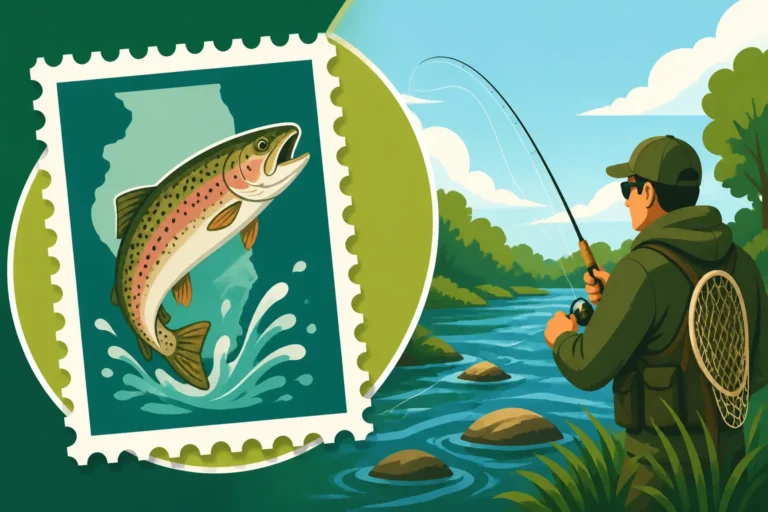
While your $19.50 nonresident 3-day license covers most species, there are a couple of key exceptions that could add to your total cost: trout and salmon. If your fishing adventure includes targeting these specific species, you'll need to purchase additional stamps. The Inland Trout Stamp, priced at $6.50, is required for fishing in waters that are specifically stocked with trout by the IDNR. These are often smaller lakes or streams that receive regular trout plants, offering exciting opportunities for anglers.
Similarly, if you plan to fish for salmon or trout in Lake Michigan, you'll need the Lake Michigan Salmon Stamp, also priced at $6.50. This stamp is essential for anyone pursuing Chinook salmon, Coho salmon, or various trout species that inhabit the vast waters of Lake Michigan along the Illinois shoreline. Many anglers dream of battling a powerful salmon or a sizable lake trout, and this stamp ensures you’re legally covered for that specific thrill. It's always best to figure out your target species before you buy your license so you can include these stamps upfront. You don't want to be out on the water, hooked into a beautiful trout, only to realize you don't have the necessary stamp. For a deeper dive into these requirements, check out our guide on Illinois Trout and Salmon Stamp Requirements.
| License Type | Residency | Duration | Base Cost | Inland Trout Stamp (if needed) | Lake Michigan Salmon Stamp (if needed) | Total Potential Cost |
|---|---|---|---|---|---|---|
| 3-Day Fishing License | Nonresident | 3 Consecutive Days | $19.50 | + $6.50 | + $6.50 | $19.50 – $32.50 |
| 24-Hour Fishing License | Nonresident | 24 Hours | $15.50 | + $6.50 | + $6.50 | $15.50 – $28.50 |
| Annual Fishing License | Nonresident | Full License Year | $31.50 | + $6.50 | + $6.50 | $31.50 – $44.50 |
| Annual Fishing License (Resident) | Resident | Full License Year | $15.00 | + $6.50 | + $6.50 | $15.00 – $28.00 |
Note: All prices are subject to change by the Illinois Department of Natural Resources.
Where and How to Purchase Your 3-Day License
Getting your Illinois nonresident 3-day fishing license is a pretty straightforward process, whether you prefer the convenience of online shopping or the personal touch of a local retailer. Understanding your options can help you get on the water faster, especially when you're on a tight schedule during a short trip.
Online Purchase Options
The easiest and often quickest way to get your license is through the official Illinois Department of Natural Resources (IDNR) website. Their online portal is user-friendly and accessible 24/7, meaning you can purchase your license from the comfort of your home before your trip, or even from your phone at a campsite if you decide to fish last minute. Once purchased, you'll usually receive a digital copy of your license immediately via email, which you can either print out or keep as a digital image on your smartphone. Many anglers find having a clear, waterproof phone case (you can find plenty of options on Amazon) a great way to protect their digital license while on the water.
The convenience of online purchasing cannot be overstated for nonresidents. It eliminates the need to find a physical store, potentially saving you valuable fishing time. Plus, you can often purchase any necessary stamps, like the Inland Trout Stamp or Lake Michigan Salmon Stamp, at the same time, making it a one-stop shop for all your licensing needs. If you’re a tech-savvy angler, or simply prefer to handle things digitally, this is absolutely the way to go. For a detailed walkthrough, our guide on How to Buy an Illinois Fishing License Online has all the steps you need. Just ensure your printer is working if you prefer a paper copy, or you might consider picking up an affordable, compact printer on Amazon if you plan to often print permits and other documents.
Authorized Retailers
If you prefer a more traditional approach, or perhaps you want to grab some last-minute bait and tackle, you can purchase your Illinois nonresident 3-day fishing license from a wide network of authorized retailers across the state. These typically include many bait and tackle shops, sporting goods stores, and even some larger retailers that carry outdoor recreation supplies. This can be a great option if you appreciate local advice, want to check out the latest gear, or simply find yourself in Illinois and spontaneously decide to fish.
The benefit of buying in person is the opportunity to chat with local experts who can often provide invaluable tips on current fishing conditions, hot spots, and recommended baits for the area. They might even clue you into a hidden gem lake nearby or tell you what species are biting best that week. Just remember to bring a valid form of identification, as the retailer will need to verify your information. While the online method is fast, there’s a certain charm and communal aspect to visiting a local bait shop that many anglers cherish. It’s where stories are exchanged, and local wisdom is often shared freely, enhancing your entire fishing experience.
Maximizing Your 3-Day Fishing Trip
A short fishing trip means you want to make every cast count! As a nonresident, you're investing in those three days, so strategic planning for your waters, target species, and gear can really elevate your experience and help you maximize your limited time on the water.
Planning Your Waters and Species
With only three days, you don't want to spend precious time figuring out where to go or what to fish for. Before your trip, do some research. Illinois has an incredible diversity of waters, from the vastness of Lake Michigan to the sprawling reservoirs like Rend Lake and Lake Shelbyville, and countless rivers and smaller ponds. Each body of water, and often specific sections within them, can have unique regulations, size limits, and daily creel limits. It's not uncommon for Why Fishing Rules Vary by Lake and River, so always double-check the IDNR fishing reports or site-specific regulations for your chosen destination.
Consider what species are most active during your visit. For example, if you're coming in spring, crappie and bass will be moving into shallower waters for their spawn, offering fantastic opportunities. Summer might mean targeting catfish in deeper holes or exploring the productive waters of the Mississippi River. Many nonresidents find that targeting panfish like bluegill or crappie offers consistent action and a great way to fill a cooler, making for a very satisfying short trip. Or, if you're up for a challenge, researching specific spots for walleye on the Illinois River could be a rewarding pursuit. Looking into popular destinations like Best Fishing Spots in Illinois or even more localized suggestions like Best Fishing Spots Near Chicago, Illinois can help narrow down your choices and ensure you pick a spot that suits your fishing style and available time.
Essential Gear for Your Short Visit
As a nonresident, you might not want to haul a full arsenal of fishing gear across state lines. The key for a short trip is versatility and portability. A medium-action spinning rod around 6 to 7 feet, paired with a reliable spinning reel spooled with 8-10 lb test monofilament or fluorocarbon, will serve you well for a wide range of Illinois species, from bass and walleye to crappie and catfish. This setup is adaptable enough to handle many situations you might encounter.
For tackle, focus on a compact selection of essentials. A small tackle box (many great, organized options are available on Amazon) should include an assortment of hooks (sizes 1/0 to 6), sinkers (split shot, bullet weights, egg sinkers), bobbers, and a few versatile lures like crankbaits, spinnerbaits, and soft plastics (worms, jigs). Don't forget basic tools like needle-nose pliers for hook removal and a small measuring tape to ensure your catches meet legal size requirements. For many beginners or those traveling light, a pre-assembled tackle kit or a travel-sized rod and reel combo purchased from a reliable vendor on Amazon can be a perfect solution, allowing you to quickly hit the water without significant investment or packing bulk. If you need more in-depth advice on specific gear, our guides like Best Rods and Reels for Illinois Anglers or Tackle Box Setup for Illinois Species can provide excellent recommendations.
Common Questions and Scenarios for Nonresidents
Navigating a new state's fishing regulations can sometimes feel like solving a puzzle. Nonresidents often have specific questions that resident anglers might not even consider. Let's tackle some of these common concerns to make your Illinois fishing trip as smooth as possible.
What If My Plans Change?
Life happens, and sometimes even the best-laid fishing plans fall through or get altered. Maybe unexpected weather rolls in, or a family emergency requires you to cut your trip short. It's important to understand the nature of the Illinois nonresident 3-day fishing license in such scenarios. Unfortunately, fishing licenses in Illinois, including the 3-day nonresident option, are generally non-refundable and non-transferable. Once purchased, the license is valid for the three consecutive days from its activation, regardless of whether you actually fish for all those days or if circumstances prevent you from doing so.
This means if a massive thunderstorm cancels your second day of fishing, you won't be able to get a partial refund or extend the license for another time. The IDNR’s policy is pretty standard across state wildlife agencies, treating license purchases as a commitment to the duration selected. So, while it offers flexibility by not requiring an annual commitment, it's a "use it or lose it" situation for the specific three-day window. This is why planning your trip and purchasing your license as close to your actual fishing dates as possible can be a good strategy, especially if your schedule is prone to last-minute changes.
Reciprocity with Bordering States
One of the most frequently asked questions for nonresidents, especially those planning to fish along the state's borders, revolves around license reciprocity. Illinois shares major waterways, like the Mississippi River, with several neighboring states, including Iowa, Missouri, and Kentucky. The good news is that for certain shared border waters, Illinois does have reciprocity agreements with these states, which can simplify things for anglers.
For instance, if you possess a valid fishing license from Iowa, you might be able to fish the main channel of the Mississippi River where it forms the boundary between Illinois and Iowa without needing a separate Illinois license. The same can apply to portions of the Mississippi River bordering Missouri, and the Wabash River bordering Indiana, or the Ohio River bordering Kentucky. However, these agreements often come with specific stipulations. They typically only apply to the main channel of the river and sometimes specific backwaters, not necessarily tributaries that extend into Illinois territory, or lakes entirely within Illinois. It's absolutely critical to understand the precise boundaries and rules for these shared waters. Always consult the Illinois Fishing Information Guide or the IDNR website for the most current details. It's far better to be safe than sorry; otherwise, you might find yourself in violation. To learn more about specific agreements, you can refer to guides like Illinois Fishing License Reciprocity With Iowa or Illinois Fishing License Reciprocity With Missouri.
Avoiding Penalties: Always Be Legal
Nobody wants their fishing trip to end with a fine or, worse, legal trouble. Understanding and adhering to Illinois fishing regulations, even on a short 3-day trip as a nonresident, is paramount. Ignorance of the law is never an excuse, and conservation officers are well within their rights to enforce all applicable rules.
Consequences of Fishing Without a License
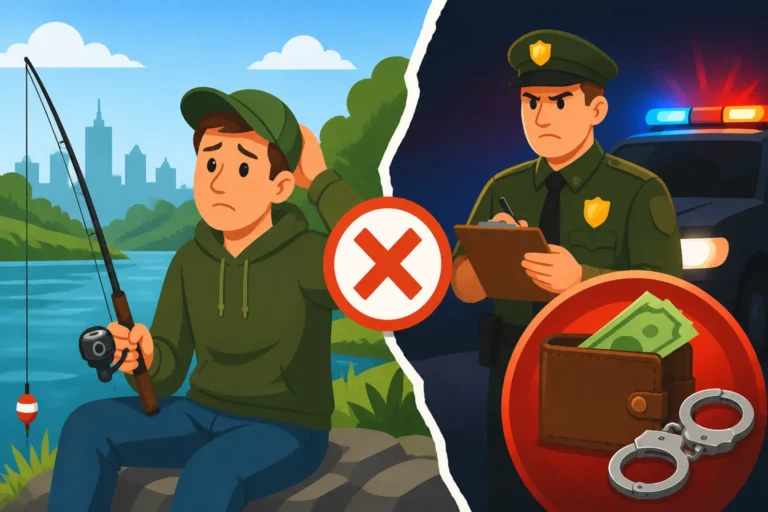
Fishing without a valid license in Illinois is a serious offense that can lead to significant penalties. If a conservation officer checks your license and you don't have one (or the necessary stamps), you're typically looking at a citation. The specific fines can vary, but generally, fishing without a license is considered a Class B misdemeanor in Illinois. This can result in a fine of up to $1,500 and potentially even jail time, though jail is usually reserved for repeat offenders or more severe violations. Additionally, you might be assessed court costs and could have your fishing equipment confiscated.
Beyond the immediate financial and legal repercussions, receiving a citation for fishing without a license can leave a lasting mark, potentially affecting your ability to obtain licenses in Illinois or other states in the future. It’s a completely avoidable situation by simply spending the modest $19.50 for your 3-day nonresident license and any required stamps. Imagine traveling all the way to Illinois, getting your gear ready, only for your trip to be ruined by a preventable legal issue. It's a frustration and expense no angler wants. Our guide on Penalties for Fishing Without a License in Illinois provides a deeper look into what happens if you're caught breaking the rules.
Keeping Up-to-Date on Regulations
Fishing regulations are not static; they can and do change. The Illinois Department of Natural Resources regularly reviews and updates rules concerning catch limits, size restrictions, seasonal closures, and specific water body regulations to manage fish populations and ensure sustainable fishing. As a nonresident, it's easy to assume that rules will be similar to your home state, but this is often not the case. Different ecosystems, management goals, and fish populations necessitate tailored regulations for Illinois waters.
The best way to stay informed is by consistently checking the official IDNR website before each trip, or by consulting the most current Illinois Fishing Information Guide Covers April 2026 Through March 2027. Even if you've fished in Illinois before, rules can be updated between seasons, or even mid-season for specific locations or species. Many experienced anglers make it a habit to download a copy of the regulations to their phone or print them out, keeping them handy while on the water. This proactive approach ensures you're always fishing legally and responsibly, protecting both yourself and the invaluable natural resources that make Illinois a great fishing destination.
Disclaimer
Please remember that fishing regulations, license costs, and requirements can change. While every effort has been made to provide accurate and up-to-date information, it is always your responsibility to verify the latest regulations directly with the Illinois Department of Natural Resources (IDNR) before engaging in any fishing activities. This guide is for informational purposes only and should not be considered legal advice.