Best Beginner Fish Species for New Anglers
Starting your fishing journey in Illinois can feel a little daunting, right? You see seasoned anglers with their fancy gear and hear tales of monster catches, and it’s easy to think you need to be an expert just to get a bite. But trust me, every experienced angler started somewhere, often with a simple hook, line, and a lot of hope! This guide is here to cut through the confusion and point you toward the most forgiving, fun-to-catch fish species in Illinois, helping you build confidence and truly enjoy your time on the water without the pressure of needing a trophy on your first outing.
Why Choosing the Right Species Matters for Beginners
When you're new to fishing, the sheer variety of fish out there can be overwhelming. Some species are notorious for being finicky, requiring specialized gear, subtle techniques, and a deep understanding of their behavior. Trying to tackle one of these challenging fish right out of the gate can lead to frustration, empty nets, and a quickly fading enthusiasm for the sport. That's why picking a species known for its eagerness to bite and its prevalence in easily accessible waters is absolutely key for a positive first experience.
The Frustration of Empty Stringers
Let's be real: nothing saps the fun out of a fishing trip faster than spending hours staring at a still bobber or endlessly casting without a single tug. You packed your lunch, drove to the lake, bought some bait, and now you’re just…waiting. It’s enough to make anyone question why they even bothered. This feeling of failure is common when beginners unwittingly target species that are harder to locate, spook easily, or demand a finesse approach they haven't yet developed. Imagine trying to catch a muskie with a cane pole – it’s just not going to happen, and you'll end up feeling discouraged. Choosing a species that's more aggressive and numerous significantly increases your chances of getting bites, which is the most important part of keeping new anglers engaged.
Building Confidence and Skills Early
Success, even small success, breeds confidence. When you feel that first fish tug on your line, reel it in, and maybe even get to safely unhook it and release it, you’ve accomplished something tangible. These early victories are invaluable. They teach you the basic mechanics of casting, setting the hook, fighting a fish, and handling it. Each fish caught is a mini-lesson in itself, helping you understand how different baits work, how fish react to presentation, and how to identify a bite. Starting with easy-to-catch species allows you to practice these fundamental skills repeatedly, solidifying them into instinct before you move on to more demanding pursuits. It's like learning to ride a bike with training wheels before hitting a mountain trail. You learn the balance and pedaling first.
To illustrate how different species can impact a beginner's experience, here's a quick comparison:
| Feature | Beginner-Friendly Species (e.g., Bluegill, Catfish) | Challenging Species (e.g., Walleye, Muskie) |
|---|---|---|
| Bite Frequency | High, often aggressive | Low, often subtle or selective |
| Gear Required | Simple, affordable rod/reel, basic tackle | Specialized, often expensive, diverse tackle |
| Technique | Basic bait fishing, simple casting | Advanced presentations, lure manipulation |
| Habitat | Widely available, near shore, easy to find | Specific structures, deeper water, elusive |
| Skill Learning | Focus on casting, hook set, fish handling | Focus on precision, boat control, reading sonar |
| Frustration | Low, frequent action keeps spirits high | High, long periods without bites can discourage |
Top Beginner-Friendly Fish Species in Illinois
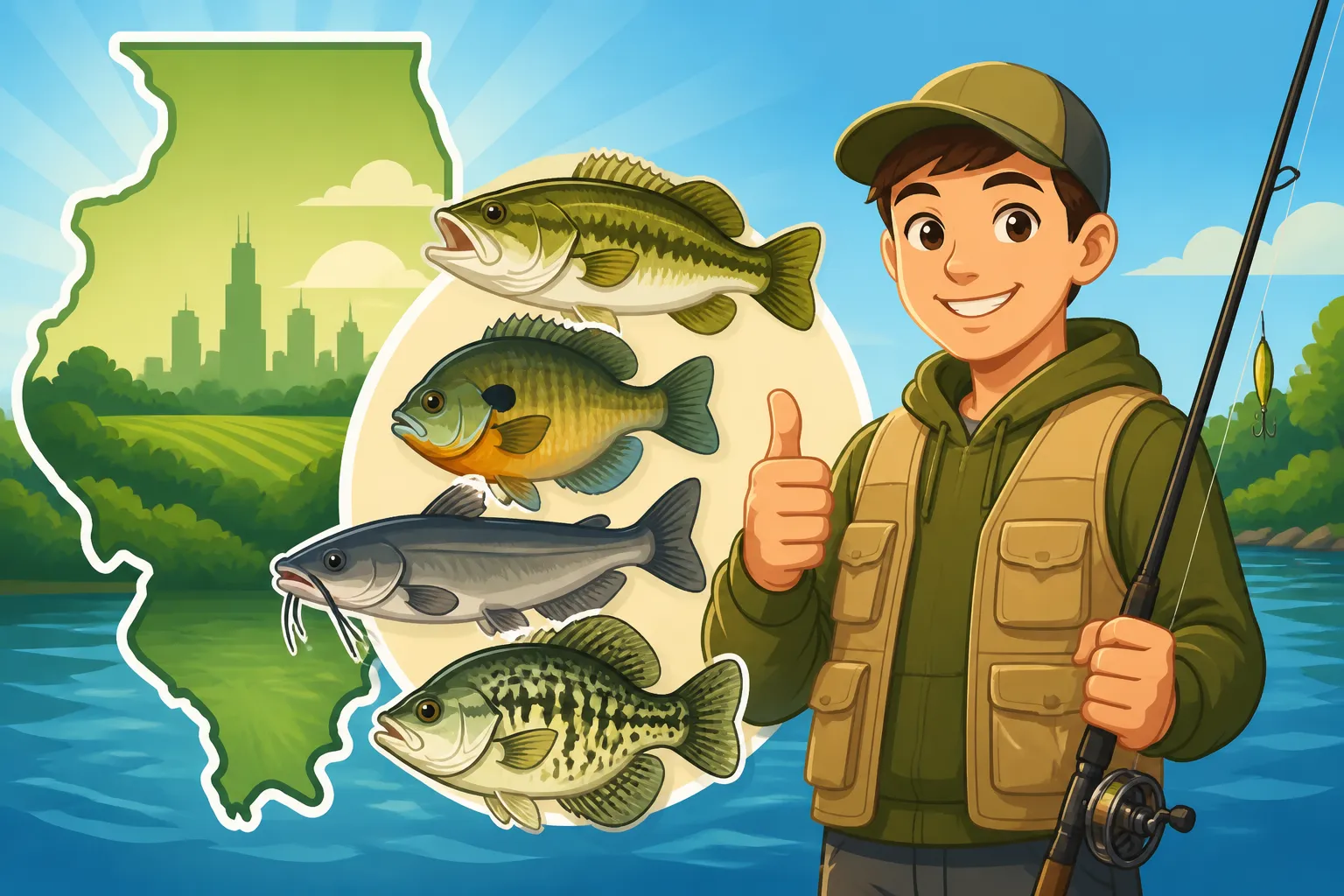
Now that we understand why to choose beginner-friendly fish, let's talk about who those friendly fish are here in Illinois! We've got some fantastic options that are perfect for getting your feet wet (sometimes literally!). These species are generally abundant, bite readily, and don't require a master's degree in angling to catch.
Bluegill: The Ultimate Starter Fish
If there's one fish I'd recommend to any new angler, especially kids, it's the bluegill. These little dynamos are practically everywhere in Illinois – ponds, lakes, slow-moving rivers, you name it. They're like the welcoming committee of the fish world, always eager to take a bite. Bluegill are often found in shallow water, particularly around docks, lily pads, submerged brush, or other structures, making them incredibly accessible for bank anglers. Easiest Fish to Catch for Beginners is definitely the bluegill.
They're not picky eaters either. A small hook (size 8 or 10 is usually perfect), a tiny piece of worm, a kernel of corn, or even a small beetle imitation will often do the trick. A simple bobber setup allows you to see the bite clearly, which is a huge confidence booster for new anglers. That bobber dipping under the water is pure excitement! You can learn how to set up for these guys by checking out Best Beginner Bluegill Fishing Setup. They fight surprisingly hard for their size, giving you a real feel for reeling in a fish. Plus, they make excellent table fare if you decide to keep a few!
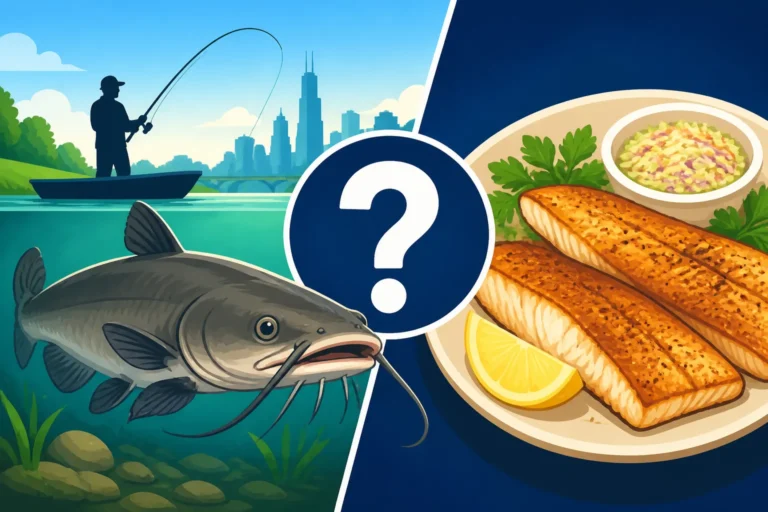
Channel Catfish: Strong Fights and Simple Setups
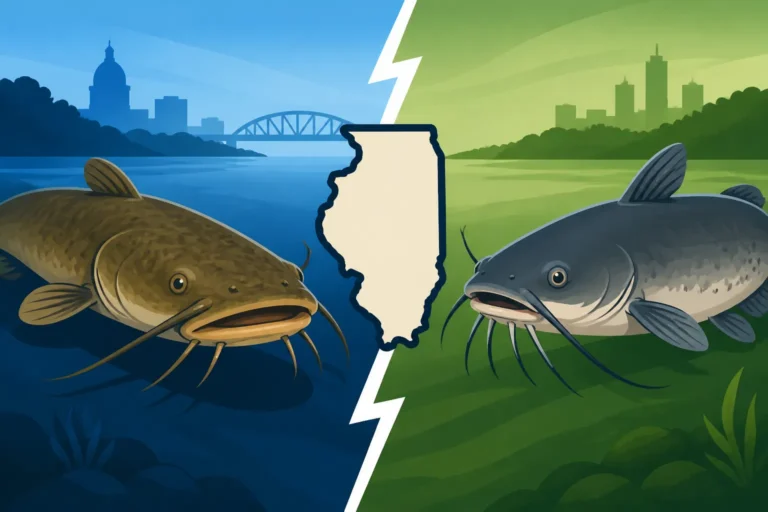
Moving up a notch in size and fighting power, but still incredibly beginner-friendly, we have the channel catfish. These whiskered beauties are another Illinois staple, found in almost every lake, pond, and river system across the state. They’re scavenger feeders, meaning they rely heavily on their sense of smell, making them highly susceptible to strong-smelling baits. This works perfectly for beginners because you don't need to master delicate lure presentations.
Channel cats are often caught by simply casting a bait to the bottom and waiting. A basic bottom-fishing rig, usually a weight at the end of your line with a hook a foot or so above it, is all you need. They tend to congregate in deeper holes, channels, or around submerged cover in lakes and rivers. For bait, think stink! Prepared dough baits, chicken livers, cut bait, or even hot dogs are incredibly effective. You can find excellent advice on Best Bait for Channel Catfish From the Bank and How to Bottom Fish for Catfish. When a channel cat hits, there's usually no mistaking it – they pull hard, giving you a real battle that's incredibly satisfying to win. They’re also delicious, making them a popular target for anglers looking to fill their coolers.
Crappie: Abundant and Fun to Catch
Crappie, both black and white varieties, are another fantastic option for new anglers in Illinois. These panfish are known for schooling up in large numbers, which means if you find one, you've often found many! They tend to hang around submerged brush piles, fallen trees, bridge pilings, and other vertical cover. This makes them a bit more structure-oriented than bluegill, but once you locate a productive spot, the action can be non-stop.
Crappie love small live minnows, tiny jigs (1/32 to 1/16 ounce), or even small plastic tubes or grubs. A simple bobber rig with a minnow or a jig fished slowly around cover is a deadly combination. The key is to be patient and work different depths until you find where the fish are holding. Their bite is often subtle, a light tap or the bobber just slowly sinking, but they fight well and are arguably one of the best-eating freshwater fish you can catch. Many Best Crappie Fishing Lakes in Illinois are well-known for producing plenty of these tasty panfish. Learning how to properly set a hook with a light bite is a great skill that crappie fishing will help you develop.
Essential Gear and Simple Techniques for New Anglers
So, you've got your target species in mind. Now, what do you need to actually catch them? The good news is, you don't need to mortgage your house for high-end gear. For beginner-friendly species, simple, affordable, and reliable tackle is all you truly need to get started and have a great time.
Basic Rods, Reels, and Terminal Tackle
For bluegill, crappie, and even smaller channel catfish, a basic spinning rod and reel combo is your best friend. Look for a lightweight rod, typically 5.5 to 6.5 feet long, with a light to medium-light action. Pair that with a small spinning reel spooled with 4 to 8-pound test monofilament line. This setup is incredibly versatile, easy to cast, and sensitive enough to feel those gentle bites. You can find excellent, budget-friendly combos at most sporting goods stores or even browse options on Amazon for a variety of choices. These entry-level setups are designed to be forgiving and durable, perfect for the inevitable bumps and drops that come with learning.
Beyond the rod and reel, your "terminal tackle" is crucial – that's everything that goes at the end of your line. For panfish like bluegill and crappie, you'll want small hooks (sizes 8-12), small bobbers (the red and white clip-on kind are classic and effective), and a few small split shot weights to get your bait down. For catfish, you'll need slightly larger hooks (sizes 1/0 to 3/0), heavier egg sinkers or slip sinkers (1/2 to 1 ounce), and swivels to prevent line twist. A small pair of needle-nose pliers for unhooking fish and a stringer or cooler to keep your catch fresh are also great to have. Consider picking up a basic tackle box or bag to keep everything organized; there are plenty of affordable starter kits available on Amazon that include a variety of hooks, weights, and bobbers, making it super convenient.
Easy Bait Choices That Get Bites
One of the beautiful things about targeting bluegill, crappie, and channel catfish is their willingness to bite readily available, often inexpensive baits. You don't need exotic lures or complicated presentations.
- Worms: The undisputed champion of beginner baits! Nightcrawlers or red wigglers are irresistible to bluegill and crappie, and smaller channel cats will also gobble them up. You can buy them at bait shops, dig them in your backyard, or even find them on Amazon for delivery. Just a small piece on a hook is often all it takes.
- Minnows: For crappie, a live minnow suspended under a bobber is a classic and highly effective method. You'll usually buy these at your local bait shop.
- Corn: Believe it or not, a few kernels of canned sweet corn can be incredibly effective for bluegill, especially in heavily fished areas where they might be used to seeing it.
- Stink Baits/Cut Bait: For channel catfish, anything smelly is usually a winner. Prepared "stink baits" come in various forms (dips, doughs, chunks) and are readily available at bait shops. Chicken livers are another extremely popular and effective option. You can also use small pieces of cut-up shad or bluegill.
- Small Jigs/Grubs: Once you're comfortable casting, a tiny jig (1/32 or 1/16 ounce) tipped with a small plastic grub or even a piece of worm can be deadly for crappie and bluegill. These can be found in multi-packs on Amazon and offer a bit more action than just still bait.
The key with bait is to match its size to the hook and the fish's mouth. Don't use a huge nightcrawler for a tiny bluegill; a small piece is plenty!
Simple Rigs and How to Use Them
Let's keep it simple with two go-to rigs that will cover most of your beginner fishing needs:
-
Bobber Rig (for Bluegill & Crappie):
- Tie your hook to the end of your line.
- About 6-12 inches above the hook, pinch on one or two small split shot weights. These add just enough weight to cast and sink your bait.
- About 1-3 feet above the weights (depending on water depth), clip on your bobber.
- How to use: Cast your bait near cover. The bobber will float, suspending your bait at a set depth. When a fish bites, the bobber will dip, jiggle, or go completely under. That's your cue to gently lift the rod tip to set the hook! You can often find pre-made bobber rigs on Amazon that are as simple as clipping them onto your line.
-
Bottom Rig (for Catfish):
- Thread an egg sinker or slip sinker onto your main line.
- Tie a swivel to the end of your main line. The sinker should slide freely on the line above the swivel.
- To the other end of the swivel, tie a leader line (about 12-18 inches long) and then tie your hook to the end of the leader. This setup allows the fish to take the bait without immediately feeling the weight of the sinker.
- How to use: Cast your bait out and let it sink to the bottom. Keep a little slack in your line or prop your rod up on a bank stick or rod holder. Watch your rod tip closely; a sharp bend or a steady pull indicates a bite. Pick up the rod and sweep it sideways to set the hook. This is a very common technique described in How to Bottom Fish for Catfish.
Remember, don't overthink it! These simple setups are effective because they present the bait naturally.
Finding Beginner-Friendly Fishing Spots in Illinois
You've got your gear, your bait, and your target fish. Now, where do you go? Illinois is blessed with an abundance of fantastic fishing opportunities, and many of them are perfect for beginners. The key is to look for easily accessible, well-stocked waters that offer plenty of shoreline access.
Local Ponds and State Park Lakes
For new anglers, local park ponds and smaller state park lakes are often goldmines. These waters are frequently stocked with panfish and channel catfish by the Illinois Department of Natural Resources (IDNR), ensuring a healthy population and good chances of success. They're typically designed with public access in mind, featuring paved paths, fishing piers, and clear bank access, which eliminates the frustration of trying to bushwhack your way to the water's edge.
Lakes like those found in Rock Cut State Park near Rockford, Shabbona Lake State Park, or even many smaller municipal parks in towns like Springfield or Peoria, are excellent starting points. These spots usually have calm waters, are less crowded than major reservoirs, and offer a relaxed environment perfect for learning. Many of these parks also have amenities like restrooms and picnic areas, making them ideal for a family outing. For a comprehensive list of places to explore, check out Illinois State Park Fishing Spots.
Bank Fishing Access and Family-Friendly Locations
As a beginner, you're likely going to be fishing from the bank, at least initially. This means you need spots where you can easily cast and maneuver without a boat. Look for areas with open banks, fishing piers, or designated access points. Rivers like the Illinois River or the Mississippi can be fantastic, but their currents and larger size might be a bit much for a true beginner. Stick to quieter backwaters, oxbow lakes, or smaller tributaries that feed into these larger systems if you want to explore river fishing.
Many Illinois lakes and ponds have specific areas designated as "family-friendly" or "kid-friendly" fishing zones. These are often shallower, safer areas with easy access and good populations of panfish. They might even have educational signage or events, which can be a great way to engage new anglers. Think about places where you can spread out, set up a few chairs, and just enjoy the peacefulness of being outdoors, knowing that you've got a good chance of catching something. Bank Fishing Tips for Beginners can offer even more specific advice for these types of spots. Remember, checking local park district websites or the IDNR's fishing reports can often provide up-to-date information on fishing conditions and recent stockings at these easily accessible locations. Also, don't forget that during Illinois Free Fishing Days Guide, you can fish without a license, which is a fantastic opportunity for new anglers to try it out without an initial investment!
Conclusion
Embarking on your Illinois fishing adventure should be about enjoyment, relaxation, and the thrill of the catch, not about immediate mastery. By starting with readily available species like bluegill, channel catfish, and crappie, you're setting yourself up for success and building a strong foundation of skills and confidence. There's nothing quite like the feeling of that first bite, the gentle tug on your line, and the excitement of reeling in your catch, no matter the size. So grab a simple rod, some basic bait, and head to your nearest pond or state park lake. The waters of Illinois are waiting, and with these friendly fish, you're sure to have a fantastic time and create some wonderful memories. Tight lines, fellow angler!
Disclaimer
This article is for general informational purposes only and does not constitute professional advice. Laws, prices and regulations vary by location and change over time. Consult a qualified professional for guidance on your specific situation.