Best Time to Catch White Bass and Yellow Bass Together
It's incredibly frustrating when you're trying to make the most of your time on the water, hoping to hook into some feisty white bass and robust yellow bass, only to find one species biting and the other nowhere in sight. You know these schooling fish often inhabit similar waters, but pinpointing that sweet spot where both are actively feeding can feel like a game of chance. This comprehensive guide will help you decode their shared behaviors and environmental preferences, allowing you to consistently find the "double trouble" action you're looking for in Illinois waters.
Understanding the Synchronicity: When White Bass and Yellow Bass Align
To successfully catch white bass and yellow bass together, you first need to understand that while they are distinct species, their behavioral patterns, especially around feeding and spawning, often overlap significantly. This overlap is your golden ticket to a mixed bag. They both thrive on opportunity, often gathering in large schools to ambush baitfish, making them a fantastic target for anglers who appreciate consistent action.
The Spring Spawning Run: A Dual Opportunity
Spring is undeniably one of the most exciting times to target both white bass and yellow bass in Illinois, primarily because their spawning activities, while slightly different, create a period of intense feeding and increased vulnerability. White bass are famous for their aggressive spawning runs up rivers and tributaries, often congregating in massive numbers below dams, rapids, or any current breaks where they can push upstream. They're focused on procreation, yes, but also on fueling up for the effort.
Yellow bass, on the other hand, typically spawn a bit later than white bass and prefer shallower, vegetated areas of lakes, backwater sloughs, or quiet coves. However, before and after their specific spawning windows, both species are driven by the same imperative: eat, and eat a lot. As water temperatures climb into the mid-50s to low 60s Fahrenheit, both species become highly active. This is when you'll find white bass pushing hard into river mouths or shallow lake points, while yellow bass are often right there with them, or not far off, cruising the adjacent flats or submerged structures. The key is to find those transition areas where river influence meets lake structure, creating a dynamic environment that draws both species in. You might find a massive school of white bass tearing up shad at a river bend, and a few hundred yards away, yellow bass are feasting in a quieter eddy. It’s a prime time for multiple species and multiple techniques.
Summer Feeding Patterns: Deeper Water, Similar Forage
As Illinois’s waters warm significantly in the summer, both white bass and yellow bass will often seek refuge from the heat and bright sun by moving to deeper, cooler waters. This doesn't mean they stop feeding; in fact, they become incredibly efficient predators in these deeper environments. Both species are pelagic, meaning they roam open water, often suspending over deep flats or along ledges and humps, always on the lookout for schools of baitfish, particularly shad.
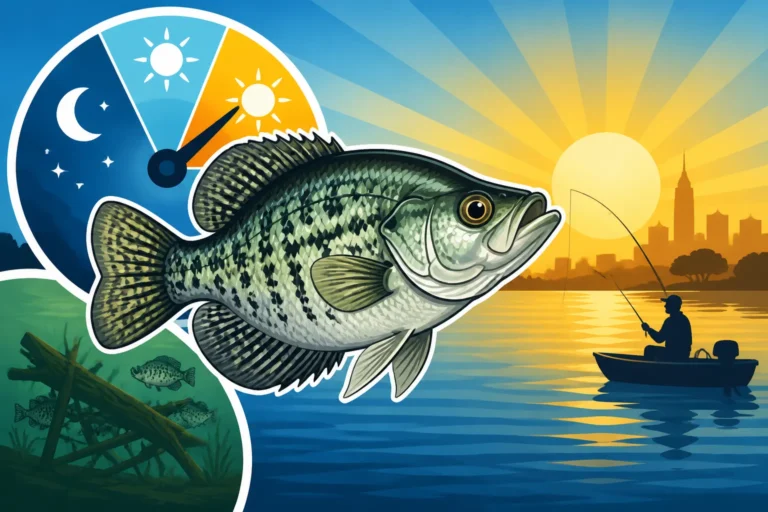
You'll often find them schooled together, or in close proximity, harassing large bait balls. Early morning and late evening become prime times for them to rise in the water column and feed aggressively, sometimes even breaking the surface as they chase bait. During the bright, hot midday, they might drop back down to thermoclines or suspend just above the bottom, waiting for the next opportunity. This makes boat fishing with good electronics invaluable, as you can spot these schools holding tight to structure or cruising in open water. Shore anglers might have a tougher time, but targeting deeper points, dam discharge areas, or rock riprap can still yield success. The commonality here is their reliance on forage and their willingness to school, making them excellent targets if you can find the bait.
Fall Feeding Frenzy: Bulking Up for Winter
Just like many other fish species in Illinois, white bass and yellow bass enter an aggressive feeding period in the fall, driven by the need to bulk up for the lean winter months. As water temperatures begin to cool, often from the mid-70s down to the low 50s, these fish reignite their predatory instincts. This fall feeding frenzy can be just as, if not more, productive than the spring run for catching both species together.
During this time, both white bass and yellow bass will actively chase shad and other baitfish in open water, often forming massive schools. They tend to follow these baitfish schools wherever they go, whether it's along main lake points, across large flats, or into the backs of major creeks. The cooling water rejuvenates their metabolism, making them incredibly active and willing to strike a variety of lures. This is also a fantastic time for shore anglers, as both species may push baitfish closer to shore, especially during low-light conditions. Look for surface activity, diving birds, or simply start casting around common congregating areas in larger reservoirs like Rend Lake Fishing Guide for Illinois Anglers or Lake Shelbyville Fishing Guide. The cooler water also often means less recreational boat traffic, making for a more peaceful and productive outing.
Key Environmental Factors to Monitor
Understanding the environmental cues that trigger white bass and yellow bass activity is crucial for consistent success. These fish are highly sensitive to changes in their surroundings, and by paying attention to a few key factors, you can significantly increase your chances of finding them actively feeding together. It's not just about the calendar; it's about what the water is telling you.
Water Temperature: The Ultimate Trigger
Water temperature acts as the primary switch for both white bass and yellow bass activity. For white bass, the sweet spot for peak activity, especially around their spring run, is generally between 55 to 68 degrees Fahrenheit. Yellow bass show similar preferences, often becoming very active in the 58 to 70-degree range. When these ranges overlap, that’s your prime window for catching them together. A sudden cold front can put them off the bite, pushing them deeper and making them lethargic, while a warming trend can electrify their feeding.
Monitoring water temperature isn't just for spring. In summer, understanding the thermocline (the layer where water temperature changes rapidly) can tell you where these fish are suspending. In fall, as temperatures drop, knowing when the water hits that optimal range can signal the start of a fantastic bite. Having a reliable thermometer, or a fish finder with temperature readings (many excellent models are available on Amazon), is an invaluable tool in your arsenal. The Water Temperature and Fish Activity Guide can provide even more insight into how different species react to thermal changes, giving you a broader understanding.
River Currents and Lake Structure
While both species can be found in a variety of Illinois waters, understanding how they relate to current and structure is vital. White bass are notorious current junkies, especially during their spring spawning runs. They'll stack up in eddies, behind wing dams, below spillways, or in any area where they can conserve energy while waiting for bait to be swept to them. This makes rivers like the Illinois River or the Mississippi River, particularly its backwater sloughs and main channel current breaks, prime white bass territory.
Yellow bass, while not as strongly current-dependent, still appreciate structure that breaks current or provides ambush points in lakes. They'll often relate to submerged timber, rock piles, ledges, and weed lines, especially in larger reservoirs like Carlyle Lake Fishing Guide. The magic happens when these two preferences meet. Think about where a river feeds into a large lake, creating current breaks, distinct depth changes, and plenty of forage. Areas where strong currents slow down and create slack water are often magnets for both species. Finding those transition zones, where a river channel widens into a lake or a major creek arm, can be incredibly productive for a mixed bag.
Baitfish Presence: The Shared Meal Ticket
The most significant common denominator for both white bass and yellow bass is their diet: small baitfish. Shad (both gizzard and threadfin) are often the preferred meal, but they'll readily devour minnows, small sunfish, and even insect larvae. If you can locate schools of baitfish, you've likely found where the white and yellow bass are, or where they're heading. They are opportunistic schooling predators, meaning they work together to corral and attack their prey, creating feeding frenzies that are hard to miss.
Using your electronics to mark baitfish schools is a game-changer. Look for large, dense clouds of smaller fish on your sonar. Often, the white and yellow bass will be lurking just below or to the sides of these bait balls, waiting for their moment to strike. Watching for visual cues like diving birds (gulls or terns) or surface boils is another tell-tale sign that baitfish are being pushed to the surface by hungry predators. These frenzies can be short-lived, so being ready to cast quickly is key. If you're on a budget, even a handheld sonar device available on Amazon can help you locate those crucial bait concentrations from the bank.
Tactics and Gear for Dual Species Success
Successfully targeting both white bass and yellow bass simultaneously requires a versatile approach to your tackle and techniques. While they might have slightly different preferences, there are plenty of lures and methods that appeal to the aggressive nature of both fish, maximizing your chances of a productive outing.
Lures and Baits That Appeal to Both
The good news is that both white bass and yellow bass are often caught on similar types of lures, especially those that mimic small baitfish. The key is to present something flashy, fast-moving, or resembling a struggling baitfish.
- Jigs: Small lead-head jigs (1/16 to 1/4 ounce) tipped with a soft plastic grub (like a Bobby Garland crappie jig or a small paddle tail) are incredibly effective. White, chartreuse, and pearl colors are often go-to choices. You can cast and retrieve, jig vertically, or troll them.
- Spoons: Casting spoons, particularly those with a fluttering action (like a Kastmaster or a Little Cleo), are excellent for mimicking dying baitfish. Silver, gold, or white are standard productive colors. They can be jigged vertically when fish are deep or cast and reeled back at a steady pace.
- Small Crankbaits: Shallow-diving or lipless crankbaits, especially in shad patterns or chrome, work wonders when fish are active near the surface or along shallower points. These lures cover water quickly and are great for eliciting reaction strikes.
- Spinnerbaits: Small inline spinners (like a Rooster Tail or a Mepps) are irresistible to both species, particularly in rivers or around moderate current. The flash and vibration are highly attractive.
- Live Bait: Don't overlook live bait! Small minnows, fished under a bobber or on a small jig head, are universally appealing. Worms (redworms or pieces of nightcrawlers) can also entice yellow bass, especially when they're less aggressive.
Many anglers find it helpful to carry a selection of these lure types. You can find excellent multi-piece lure kits specifically designed for panfish and schooling species on Amazon, which saves you the hassle of buying each piece individually and ensures you have a versatile range of options.
Rod and Reel Setups for Versatility
A versatile rod and reel setup is crucial when you're targeting multiple species that, while similar, can still vary in size and fighting power. You don't want a heavy catfish rig, but you also don't want an ultra-light panfish setup that might struggle with a larger white bass.
- Rod: A medium-light to medium action spinning rod, typically 6 to 7 feet in length, is ideal. This rod will have enough backbone to handle a fighting white bass, yet be sensitive enough to detect the subtle bites of a yellow bass. The softer tip allows for longer, more accurate casts of smaller lures, while the moderate action helps absorb the shock of a strong fish and prevents hooks from tearing out.
- Reel: Pair your rod with a good quality spinning reel in the 1000 to 2500 size range. This size provides a good balance of line capacity and smooth drag. A smooth drag system is incredibly important when these fish are running hard.
- Line: Spool your reel with 6 to 10-pound monofilament or braided line. Monofilament is more forgiving and offers good knot strength, while braid offers superior sensitivity and casting distance with thinner diameter. If using braid, a fluorocarbon leader (6 to 8-pound test) of 18-24 inches is often recommended, especially in clear water, as it's nearly invisible to fish and provides a bit of stretch. Best Rods and Reels for Illinois Anglers can give you broader guidance on selecting appropriate tackle for various Illinois species.
Locating Schools: The Art of the Search
Finding these schooling fish is often the hardest part, but once you do, the action can be non-stop. Both white bass and yellow bass are constantly on the move, chasing their food source.
- Electronics: If you're boat fishing, a fish finder is your best friend. Look for dense schools of baitfish and arches or lines representing larger fish feeding below or around them. Pay attention to sudden depth changes, submerged humps, points, and old creek channels. A good fish finder can help you quickly scan large areas and pinpoint active schools.
- Visual Cues: Keep an eye out for surface activity. Diving birds, particularly gulls, are often a dead giveaway that baitfish are being pushed to the surface by predators below. Ripples, boils, or splashes on the surface can indicate a feeding frenzy. Head towards this activity immediately, but approach cautiously to avoid spooking the fish.
- Drifting and Trolling: When fish are scattered or you're trying to cover a lot of water, drifting with the wind or current, or slow trolling with small crankbaits or jigs, can be very effective. This allows you to present your lure to a wider area and increases your chances of encountering a school.
- Structure and Current Breaks: Focus your search on known white bass and yellow bass hangouts. In rivers, this means below dams, around bridge pilings, at the mouths of tributaries, and in current seams. In lakes, target main lake points, submerged islands, humps, weed lines, and areas with rock riprap. Remember, baitfish will also be drawn to these areas, and the predators will follow.
Where to Find Shared Waters in Illinois
Illinois offers a fantastic array of fishing opportunities, and many of its larger water bodies are perfectly suited for catching both white bass and yellow bass. The key is to identify locations that provide the diverse habitats and abundant forage that both species require to thrive.
Large Reservoirs and River-Lake Systems
Illinois is blessed with several large reservoirs that act as the perfect stage for white bass and yellow bass to coexist and provide fantastic angling opportunities. These include:
- Rend Lake: Located in Southern Illinois, Rend Lake is a renowned crappie and bass fishery, but it also holds abundant populations of both white and yellow bass. Its vast open water, numerous coves, and varying depths provide ample habitat. During the spring, white bass will run up the major creeks, while yellow bass can be found on shallow flats and around submerged timber in the main lake. In summer and fall, both species will school in open water, often suspending over the old river channel or chasing baitfish along the main lake points.
- Lake Shelbyville: Another central Illinois gem, Lake Shelbyville offers similar conditions. White bass are plentiful in the main lake and its feeder creeks, especially during spring spawning runs. Yellow bass, though sometimes overlooked, thrive in the lake's abundant cover and structure, often mingling with white bass schools when chasing shad. Its complex underwater topography, with numerous humps, points, and drop-offs, creates excellent ambush points for both species.
- Carlyle Lake: As Illinois's largest man-made lake, Carlyle Lake is a powerhouse for many species, including a healthy population of white and yellow bass. The lake's expansive open water, numerous flats, and access to the Kaskaskia River make it ideal. White bass runs up the Kaskaskia are legendary, and yellow bass are widespread throughout the lake, often found in the same areas as their white counterparts, especially around riprap, causeways, and main lake points.
These large systems typically have excellent public access, including numerous boat ramps and often dedicated shore fishing areas, making them prime targets for anglers looking to fill a cooler with both species. Don't forget to check the Illinois Fishing Seasons Guide for specific regulations that apply to these popular fishing destinations.
Smaller Lakes with River Inflows
While the big reservoirs get a lot of attention, don't overlook smaller to medium-sized lakes, especially those that have a significant river or larger creek inflow. These systems can create localized hot spots where white and yellow bass congregate, especially during the spring and fall.
The constant flow of water from a river brings in fresh oxygen, nutrients, and, crucially, baitfish. White bass will naturally gravitate towards these inflowing currents, particularly as they stage for their spawn or feed aggressively in the fall. Yellow bass, while often preferring slightly less current, will frequently be found in the adjacent slack water areas, eddies, or along the edges of the current where baitfish are swept. Look for areas near the mouth of the river or creek where it widens out into the lake. These transition zones often feature a mix of habitats, from deeper channels to shallower flats, providing opportunities for both species. Think about places like the upper arms of Clinton Lake or parts of Lake Evergreen where feeder creeks play a significant role. These spots can offer excellent action, especially if you can access them via kayak or a smaller boat.
Urban and Suburban Fishing Opportunities
For many anglers, especially those living near major population centers like Chicago or Springfield, traveling to the big reservoirs isn't always feasible. The good news is that you can still find opportunities to catch white and yellow bass in more accessible, urban, and suburban waters.
Larger municipal lakes, forest preserve lakes, and accessible sections of major rivers that flow through or near urban areas can surprise you with their white and yellow bass populations. For example, portions of the Fox River or the Kankakee River can hold good numbers of white bass, especially during their spring runs. Yellow bass might be found in quieter pools or backwater areas of these rivers, or in larger urban lakes with decent structure and forage. Shore fishing is often the primary method in these areas, so focusing on accessible points, piers, dam outflows, or bridge areas can be productive. While you might not find the sheer numbers as in the larger reservoirs, these spots offer convenient opportunities for a quick fishing trip. Remember, even in urban settings, having a good pair of polarized sunglasses and a variety of small lures (easily purchased on Amazon) can make a huge difference in spotting fish or getting a bite. For more ideas on where to cast your line locally, consult a guide like Best Fishing Spots Near Chicago, Illinois.
Illinois White Bass and Yellow Bass Quick Comparison
Catching these two fantastic species together is a real treat, and understanding their subtle differences can only enhance your angling success. Here's a quick table to help you keep them straight and optimize your approach.
| Feature | White Bass (Morone chrysops) | Yellow Bass (Morone mississippiensis) |
|---|---|---|
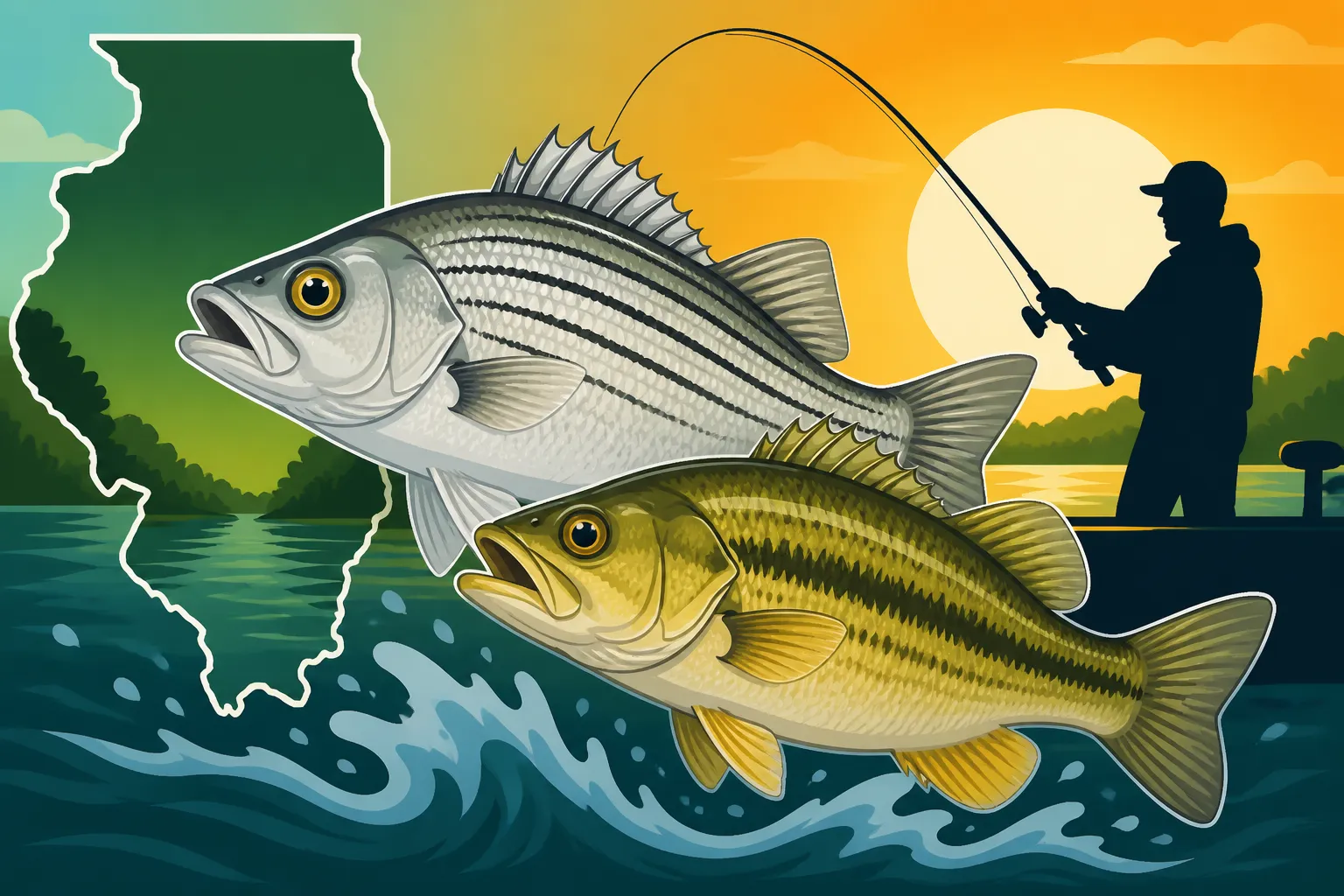
| Appearance | Silvery body, distinct lateral lines (upper ones often broken towards tail), deeper body profile. | Gold to brassy yellow body, often with olive or dark stripes, lower stripes solid, more slender body. |
| Size | Typically 10-15 inches, up to 4 pounds. | Typically 6-10 inches, rarely over 1.5 pounds. |
| Habitat | Rivers, large reservoirs, open water, strong current preference. | Lakes, slower rivers, backwaters, shallower, often near structure/vegetation. |
| Spawning | Spring (April-May), upstream river runs, turbulent water. | Late Spring-Early Summer (May-June), shallow vegetated areas. |
| Primary Forage | Shad, minnows, small crustaceans. | Shad, minnows, small invertebrates, insect larvae. |
| Behavior | Aggressive schooling predator, often surface feeding. | Schooling predator, can be less aggressive, often bottom-oriented or near cover. |
| Best Lures | Jigs, spoons, crankbaits, spinnerbaits, live minnows. | Small jigs, small spoons, inline spinners, worms, minnows. |
Disclaimer
This article is for general informational purposes only and does not constitute professional advice. Laws, prices and regulations vary by location and change over time. Consult a qualified professional for guidance on your specific situation.