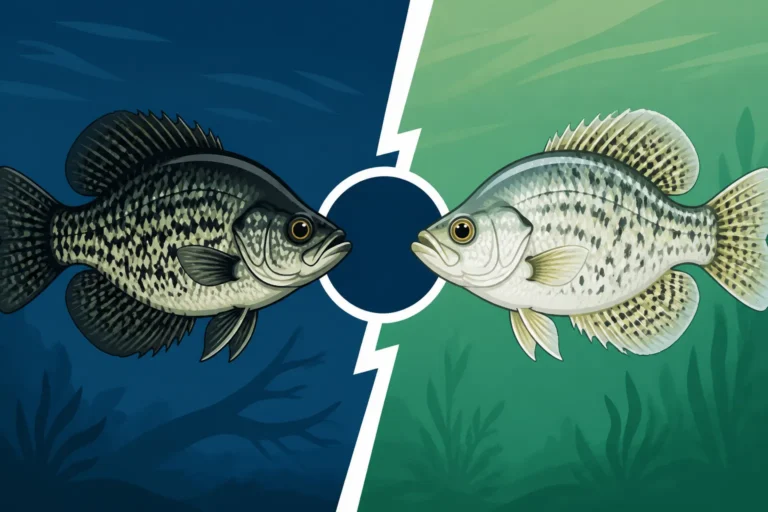
How to Identify a Rock Bass
Have you ever been out on an Illinois creek, reeling in a feisty fish, only to wonder exactly what it was you just caught? It happens all the time, especially with those smaller, similar-looking panfish that populate our rocky waters. This guide is dedicated to helping you confidently identify the feisty, often-underestimated rock bass, ensuring you know exactly what you've got on the end of your line.
Understanding the Rock Bass: A Feisty Panfish of Illinois Waters
The rock bass, often lovingly called a "redeye" or "goggle-eye" by local anglers, is one of those fantastic panfish that doesn't always get the same fanfare as a largemouth or a crappie, but it certainly holds its own. These aren't huge fish, but what they lack in size, they make up for in fight and accessibility. For anyone looking to enjoy a relaxing day on the water, especially with kids, catching a few rock bass can be incredibly rewarding. They’re common, eager to bite, and a blast to reel in.
Knowing your rock bass isn't just about curiosity; it's about appreciation for the diversity of fish we have right here in Illinois. They're a vital part of the ecosystem in many of our rocky streams and lakes, offering a consistent angling opportunity. Plus, once you learn their distinctive features, it makes the whole experience of being out on the water even more engaging. You start to see the nuances, understand the habitat, and truly connect with the fish you're targeting.
Why Rock Bass Are Important to Illinois Anglers
For many of us who grew up fishing the smaller creeks and rivers, rock bass were often our first "game fish" catch. They’re aggressive little eaters, making them perfect for teaching new anglers, especially children, the joy of a tug on the line. You don't need fancy gear or advanced techniques; a simple rod and reel, a worm, and a bobber are often all it takes. This accessibility makes them a cornerstone of family fishing trips and a great entry point into the sport.
Beyond their beginner-friendly nature, rock bass are also a sign of a healthy aquatic environment. They thrive in clear, rocky bottomed waters, so finding a good population of rock bass often means you've stumbled upon a pristine stream or a clean section of a larger river. They're not just about the fight; they're also a surprisingly tasty table fish, with firm, white flesh, making them a dual-purpose catch for many Illinois anglers. This combination of ease, fight, and flavor makes them an important, if sometimes overlooked, species for our state's fishing community. You can find out more about similar species in our guide to Illinois Rock Bass and Warmouth: Overlooked Panfish Worth Catching.
Key Physical Characteristics of the Rock Bass
Alright, let's get down to brass tacks: how do you actually tell a rock bass from all the other sunfish and panfish out there? It's all in the details, and once you know what to look for, it becomes second nature. Think of it like learning to recognize a friend in a crowd – you look for those distinguishing features that set them apart. The rock bass has a few clear giveaways that make identification pretty straightforward, even for a beginner.
They have a relatively deep, compressed body, giving them that classic "panfish" shape. But don't let that fool you; they're often more robust than a typical bluegill of the same length. Their coloration can vary quite a bit depending on the water they live in, ranging from dark olive green to golden brown, often with dark mottling or bars that help them camouflage perfectly against rocky bottoms. This chameleon-like ability can sometimes make them blend in, so you need to look closer than just the overall color.
The Distinctive Eye and Mouth
The absolute best place to start when identifying a rock bass is right in its name: the eye. Rock bass have a prominent, often reddish eye, which is why they earned the nickname "redeye." This isn't always a blazing scarlet, but it's typically a much more noticeable reddish-orange hue than you'd see on a bluegill or even some other sunfish. It really stands out against their often darker bodies. If you catch a panfish and its eye looks like it's been touched with a bit of a sunset, you're probably holding a rock bass.
Next, take a good look at their mouth. Rock bass have a surprisingly large mouth for a panfish, extending back to at least the middle of their eye, and often beyond it. This is a critical difference from a bluegill, which has a much smaller, daintier mouth. This large mouth is perfectly adapted for ambushing insects, small minnows, and crayfish that live among the rocks and structure they call home. If you compare it to other sunfish you might catch, the rock bass's mouth size is usually a dead giveaway.
Fin Structure and Scales
Another great identifier is the dorsal fin. Like other sunfish, the rock bass has a single dorsal fin, but it's often more continuous and less deeply notched than some black bass species. What's more telling, though, are the spiny rays. Count them! Rock bass typically have 10 to 12 strong, sharp spines in their dorsal fin, and usually 5 to 7 in their anal fin. These spines can be quite rigid, so be careful when handling them – they're not afraid to give you a little poke!
Beyond the fins, take a peek at their scales. Rock bass have fairly large, rough scales, and you'll often see distinct rows of dark spots along their lateral lines and sides, forming broken stripes or even a checkerboard pattern. These spots are usually more pronounced than on other sunfish. Also, if you look closely at the gill cover (the operculum), you might notice a dark spot or smudging, but it won't be as distinct or as dark as the "ear flap" on a bluegill or green sunfish. These little flecks and patterns are like fingerprints, unique to the rock bass.
Distinguishing Rock Bass from Look-Alike Species
This is where things can get a little tricky, but with a keen eye and a bit of practice, you’ll be a rock bass ID expert in no time. Illinois waters are home to a wide variety of sunfish and bass, and some of them can really throw you for a loop. The most common confusion arises with green sunfish, warmouth, and sometimes even smallmouth bass, especially when they're juvenile. It’s like trying to tell apart different types of apples – they’re all apples, but each has its own distinct characteristics.
The key is to focus on a combination of features rather than just one. Don't just look at the eye; consider the mouth, the body shape, and the fin counts. This holistic approach will save you from misidentifying a fish and ensure you're compliant with any specific regulations that might apply to a particular species. For instance, knowing the difference between a rock bass and a smallmouth bass is crucial, as their catch limits and sizes can vary significantly.
Rock Bass vs. Green Sunfish
The green sunfish is probably the most common fish confused with a rock bass, especially in smaller streams and ponds. Both have relatively large mouths and can have a similar overall body color. However, there are some clear differences. The green sunfish typically has an emerald green or bluish sheen on its gill plates and lower jaw, which is often absent or much less pronounced on a rock bass.
More importantly, look at the gill cover flap. Green sunfish have a distinct, often black-edged, prominent "ear flap" on their gill cover, while the rock bass's gill cover is generally more uniform in color, lacking that strong, dark spot or flap. Also, while both have a good-sized mouth, the green sunfish's mouth tends to be even larger, extending well past the eye. If you catch a fish and you're thinking "rock bass," but it has a super pronounced dark gill flap and a truly enormous mouth, it's probably a green sunfish.
Rock Bass vs. Warmouth
Now, the warmouth – this one is a truly sneaky look-alike! The warmouth is another species that shares many habitat preferences with the rock bass, often found in slow-moving, vegetated, and muddy waters. Like the rock bass, they have that distinct reddish eye, a large mouth, and a chunky body. They even have some of the same mottled patterns. This is where it gets interesting, and our post Warmouth vs Rock Bass: How to Tell Them Apart dives deep into this specific challenge.
The main difference lies in the scales on the cheek and the number of anal fin spines. The warmouth has scales covering the operculum (gill cover) all the way back to the eye, giving its cheek a rougher, more scaled appearance. The rock bass, however, has much fewer scales, if any, on the operculum, often leaving a smoother, almost bare patch near the eye. Another key is the anal fin spines: warmouth generally have 3 anal fin spines, whereas rock bass consistently have 5-7. That difference in spine count is a reliable way to tell them apart once you get a good look.
Rock Bass vs. Juvenile Smallmouth Bass
Sometimes, especially in rocky rivers where both species thrive, a young smallmouth bass can be mistaken for a rock bass. Both are robust, aggressive, and can have similar bronze or olive coloration. They also share a preference for rocky habitat. However, the smallmouth bass has a much more elongated, torpedo-shaped body compared to the deeper, more compressed body of the rock bass. A rock bass is distinctly "panfish" shaped, while a smallmouth is clearly built for speed.
The smallmouth's mouth, while large, typically doesn't extend beyond the eye (unless it's a truly huge one), whereas the rock bass's mouth often does. Also, look at the stripes! Smallmouth bass usually have distinct vertical bars or tiger stripes along their sides, which are much more defined and less mottled than the patterns on a rock bass. And, crucially, the smallmouth bass has no distinct reddish eye like the rock bass. They're both fantastic fish, but definitely different! For more information about fishing for this particular fish, take a look at our guide on Smallmouth Bass vs Largemouth Bass: Which Is Harder to Catch?.
Here’s a quick comparison table to help you keep these similar species straight:
| Feature | Rock Bass | Green Sunfish | Warmouth | Juvenile Smallmouth Bass |
|---|---|---|---|---|
| Body Shape | Deep, compressed, panfish-like | Deep, robust, panfish-like | Deep, robust, panfish-like | Elongated, torpedo-shaped |
| Eye Color | Often reddish or orange-red | Dark, standard | Often reddish or orange-red | Dark, standard |
| Mouth Size | Large, extends to or past middle of eye | Very large, extends well past eye | Large, extends to or past middle of eye | Large, extends to middle of eye (usually) |
| Gill Cover Flap | Absent or indistinct dark smudge | Distinct black-edged "ear flap" | Indistinct, no strong dark spot, scaled | Absent |
| Anal Fin Spines | 5-7 spines | 3 spines | 3 spines | 3 spines |
| Cheek Scales | Few or no scales on operculum | Mostly scaled | Heavily scaled on operculum up to eye | Mostly scaled |
| Body Markings | Mottled, rows of dark spots, variable coloration | Irregular dark bars, iridescent blue/green streaks | Mottled, worm-like markings on cheek | 8-12 distinct vertical bars or spots |
| Habitat | Clear, rocky streams/rivers, some lakes | Slow, often muddy ponds, streams, vegetated areas | Murky, vegetated ponds, swamps, slow streams | Clear, rocky rivers, cool lakes |
Habitat and Behavior Clues
Beyond just looking at the fish you've caught, understanding where you caught it and how it was behaving can give you huge clues about its identity. Fish, like people, tend to hang out in places that suit them best, and their behavior is often a reflection of their environment. This is especially true for the rock bass, which is very particular about its preferred surroundings. If you're fishing in a spot that screams "rock bass," you're much more likely to pull one out!
Knowing their preferred haunts can also help you predict what kind of fish you'll encounter before you even cast a line. This not only aids in identification but also makes you a more effective angler. It's like a detective using scene context to narrow down suspects – the more clues you have, the clearer the picture becomes. This contextual information is invaluable for seasoned anglers and beginners alike. For more specific location tips, check out Rock Bass Fishing in Rocky Creeks and Rivers.
Where to Find Rock Bass in Illinois
As their name suggests, rock bass absolutely love rocks. You'll find them predominantly in clear, cool-to-moderately warm waters with rocky or gravel bottoms. This includes many of Illinois's smaller, shallower rivers and streams, as well as the rocky areas of larger lakes and reservoirs. Think about those stretches of the Kankakee River or the small feeder creeks where you can see the bottom and there are plenty of submerged boulders and gravel beds. These are prime rock bass territories.
They use these rocky areas for cover, ambushing prey, and for spawning. They'll often lurk around submerged logs, rock piles, bridge pilings, and any other hard structure that provides shade and a place to hide. If you're casting a lure into a shallow, clear stream with visible rocks and you get a solid hit, there's a good chance it's a rock bass. They aren't typically found in heavily vegetated, mucky, or very silty waters, which tend to be more the domain of green sunfish or warmouth.
Typical Behavior and Feeding Habits
Rock bass are pretty aggressive little eaters. They're opportunistic predators that will readily strike at a wide variety of baits and lures. They feed primarily on insects, insect larvae, crayfish, and small minnows. This is why a simple nightcrawler, a small spinner, or a tiny jig can be so effective. They're not particularly shy when food is around, which makes them such a fun fish to target, especially when introducing new anglers to the sport. Easiest Fish to Catch for Beginners and Best Beginner-Friendly Fish Species for Kids Fishing in Illinois often highlight this species for a reason!
You'll often find them schooled up in small groups around their preferred structure, especially during cooler parts of the day or in shadier spots. They're not known for long, sustained runs like a smallmouth bass, but they deliver a surprisingly strong tug for their size. When you feel that solid, thumping fight and then see a fish with that distinctive red eye emerge from around a submerged log, you can be fairly confident you've got a rock bass.
Tips for Catching and Handling Rock Bass
So, now you know how to identify them, but what about actually catching these feisty panfish and handling them safely? Rock bass are incredibly fun to target, and you don't need a boatload of specialized gear. This section will give you a few pointers to maximize your enjoyment and ensure you're being responsible on the water. Remember, every fish deserves to be treated with respect, whether you're planning on keeping it for dinner or releasing it to fight another day.
Part of being a veteran angler is not just knowing your fish but knowing how to interact with them respectfully. That includes having the right tools for safe de-hooking and understanding how to handle fish without causing them undue stress. A little preparation goes a long way, and you can easily find affordable tools, like a good pair of fishing pliers, on platforms like Amazon. Having these basics on hand makes the whole fishing experience smoother and more ethical.
Recommended Gear and Baits
For rock bass, simplicity is often key. A lightweight spinning rod and reel combo, perhaps a 5'6" to 6'6" rod with light or ultralight action, is perfect. Spool it with 4-6 pound test monofilament or fluorocarbon line. You don't need heavy tackle here; the lighter gear will make their fight feel even more exciting. Many popular brands offer excellent beginner combos that you can pick up from most sporting goods stores or even online at Amazon.
As for bait, they're not picky! Live bait like small worms (nightcrawlers cut into pieces, red wigglers), crickets, or small minnows are highly effective. For artificials, small inline spinners (think Mepps or Rooster Tail in sizes 0-2), tiny crankbaits (like a Rapala Countdown 01), or 1/16 to 1/8 ounce jigs tipped with a small plastic grub or hair jig are all rock bass magnets. Experiment to see what they're hitting on a particular day. The Illinois Fishing Seasons Guide can give you an idea of what general patterns to expect throughout the year.
Safe Handling and Release Practices
Rock bass, like many panfish, have some sharp spines in their dorsal and anal fins, so handle them with care. The best way to hold a rock bass is to grip it firmly but gently around the body, just behind the gill plates. Avoid squeezing too hard, and definitely keep your fingers away from those fins. If you're struggling to remove a hook, a pair of needle-nose pliers or a dedicated de-hooker (easily found on Amazon) will be your best friend.
If you plan to release the fish, do so quickly and gently. Minimize its time out of water, especially during warm weather. If the fish is bleeding or looks distressed, try to revive it by holding it upright in the water and gently moving it back and forth to force water over its gills until it swims away on its own. Remember, a valid Illinois Fishing License Guide for 2026 is always required, and it's essential to understand the Illinois Fishing Regulations Overview for your specific body of water, as limits can vary. The Illinois Fishing Information Guide Covers April 2026 Through March 2027 is an excellent resource for all specific rules and changes each season.
Disclaimer
This article is for general informational purposes only and does not constitute professional advice. Laws, prices and regulations vary by location and change over time. Consult a qualified professional for guidance on your specific situation.