Illinois White Crappie: Where to Find Them in Spring
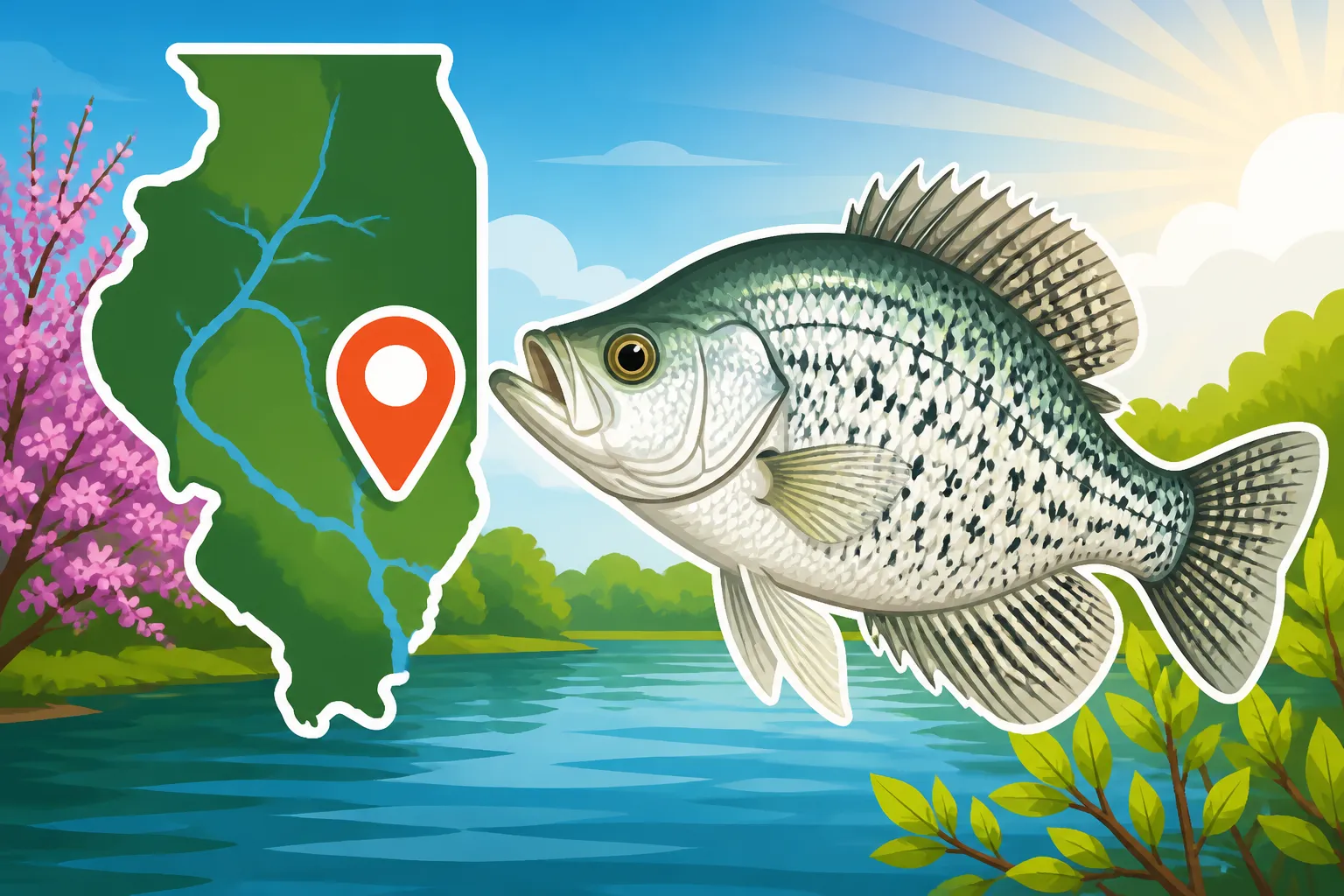
Finding white crappie in Illinois during the spring can feel like a real treasure hunt, especially with their reputation for moving around with even slight changes in weather and water conditions. It’s a common frustration for anglers to hit a favorite spot only to find the crappie have seemingly vanished overnight. This guide is here to demystify those spring movements, giving you clear insights into where to find Illinois white crappie when the weather warms up, and how to consistently put them in your cooler.
The Spring Crappie Migration: Understanding Their Moves
Spring is a season of dramatic change for white crappie, driven primarily by rising water temperatures and the ancient urge to spawn. Understanding these phases and what triggers them is key to predicting where these elusive panfish will be. It's not just about tossing a line in; it's about being in the right place at the right time.
Early Spring: The Pre-Spawn Staging
As winter’s icy grip loosens and water temperatures begin to creep into the upper 40s and low 50s, white crappie start their journey from deeper wintering holes towards shallower spawning grounds. This is the pre-spawn staging phase, and it’s an exciting time to be on the water. They're often found congregating in transition areas, waiting for the water to warm just a few more degrees.
Think about those deeper channels leading into shallower bays, or the edges of old creek beds that wind through a reservoir. Crappie will often stack up on these subtle ledges or around significant submerged cover like old timber or brush piles in 10-20 feet of water, especially where there's a quick depth change. They're feeding aggressively to build up energy for the upcoming spawn, making them quite catchable if you can locate these staging areas. Many anglers focus on finding these fish near structure that offers them both protection and access to deeper water, allowing them to retreat quickly if a cold front pushes through.
Peak Spring: The Spawning Shallows
Once water temperatures consistently hit the mid-50s to low 60s, it's game on for the spawn. This is when white crappie push into extremely shallow water, often just a few feet deep, to lay their eggs. Males will sweep out small depressions, usually next to some form of cover, and guard the nests. This can be one of the most productive times to fish, as crappie are less wary and fiercely protective of their nests.
You'll find them right up against the bank, particularly in protected bays, coves, and sluggish backwater areas that receive plenty of sunlight. Look for anything that offers concealment: submerged brush, fallen trees, old dock pilings, riprap, or even dense patches of aquatic vegetation. In these areas, they become highly accessible, even to bank anglers. Understanding the specific timing of this can make all the difference; for a deeper dive, check out our guide on Illinois Crappie Spawn Season Guide.
Post-Spawn Transition: Where They Head Next
After the exhausting process of spawning, white crappie will slowly begin to disperse. The males might hang around the nest for a bit longer, guarding the fry, while the females often move to slightly deeper water to recover and feed. This post-spawn period can be a little trickier, as fish are less concentrated.
They typically won't retreat all the way back to their deep winter haunts immediately. Instead, look for them along the first drop-offs outside of their spawning bays, often still relating to submerged cover or the edges of vegetation lines in 8-15 feet of water. They're still feeding, but perhaps less aggressively than in the pre-spawn, making a more subtle presentation sometimes necessary. Understanding this transitional phase helps you adapt your strategy as the spring progresses into early summer.
Where to Pinpoint White Crappie in Illinois Lakes and Rivers
Knowing when crappie move is only half the battle; knowing where to look is the other. Illinois offers a diverse range of water bodies, and while the general principles apply, specific types of cover and structure tend to hold spring crappie consistently.
Navigating Shallow Cover: Brush Piles, Docks, and Timber
White crappie are absolute magnets for shallow cover during the spring. This is where they feel secure, where they can ambush prey, and where they ultimately choose to spawn.
- Brush Piles and Fallen Trees: These are perhaps the most classic crappie hideouts. In spring, especially during the spawn, crappie will literally pack into the densest parts of submerged brush. If you find a brush pile in 3-8 feet of water in a protected bay, chances are there are crappie nearby. The trick is to fish in the brush, not just around it. Sometimes, getting a jig or minnow right next to a thick branch is what it takes. Many dedicated anglers even sink their own brush piles in accessible locations, creating crappie condos for the season.
- Docks and Piers: Don't overlook man-made structures! The pilings of old docks, fishing piers, and boat lifts provide excellent vertical cover and shade, attracting both crappie and the baitfish they feed on. These spots are particularly good for bank anglers, offering easy access to fish that might otherwise be out of reach. The shade provided by docks can also be a key factor on bright, sunny days, as crappie often prefer slightly dimmer conditions. If a dock has brush or vegetation growing around its pilings, it's a double whammy for crappie appeal.
- Submerged Timber: Similar to brush piles, standing timber or submerged logs on a flat or point leading into a spawning area are prime locations. These can be trickier to fish due to potential snags, but they often hold some of the biggest crappie. When fishing timber, precise jig placement is crucial. Use a sensitive rod to feel subtle bites and to navigate your bait through the branches without getting hung up. For more ideas on catching these fish in various conditions, explore How to Catch Crappie From a Boat.
The Allure of Vegetation: Lily Pads and Grass Beds
Aquatic vegetation is another prime real estate for spring crappie, offering both cover and a rich feeding ground.
- Lily Pad Fields: As lily pads begin to emerge, their stems and broad leaves create a dense canopy that crappie love. These areas warm up quickly, attracting baitfish and insects, making them ideal feeding and spawning grounds. Fish the edges of the lily pads, but don't be afraid to poke your bait into the openings within the field itself. A simple bobber rig with a minnow or small jig can be incredibly effective here. The shade and protection are highly valued by crappie, especially on sunny days.
- Submerged Grass Beds: Think about those expansive flats that are choked with submerged coontail, pondweed, or milfoil. These areas are veritable nurseries for baitfish and insect larvae, making them food factories for crappie. Crappie will often cruise the edges of these grass beds or hold in pockets within them. A stealthy approach is often best, as these shallow-water fish can be easily spooked. Consider using polarized sunglasses to help spot subtle changes in the grass beds or even individual crappie.
Creek Channels and Tributaries: Highways to the Spawn
Rivers and larger reservoirs often have feeder creeks and tributary streams that act as superhighways for crappie moving to and from their spawning grounds.
- Main Channel Edges: In larger river systems like the Mississippi or Illinois River, white crappie will often utilize the less turbulent main channel edges during pre-spawn, staging in slightly deeper water before pushing into backwaters. Look for current breaks, submerged humps, or rock piles along these edges. These river fish behave a bit differently than their lake counterparts, often using current to their advantage.
- Backwater Sloughs and Bays: These are absolutely crucial for spring crappie in river systems. Think about oxbow lakes, stagnant pools, and quiet bays connected to the main river by a narrow cut. These areas warm up faster, have less current, and are loaded with cover. Crappie will flood into these areas to spawn. This is where you can truly fill a cooler. If you're looking for even more insight, we have a whole guide dedicated to How to Catch Crappie in Backwater Lakes and Sloughs.
- Mouths of Creeks: Where a small creek or ditch feeds into a larger lake or river, that's a prime target. The inflowing water often brings warmer temperatures and nutrients, attracting baitfish and, consequently, crappie. This is especially true after a spring rain, which can wash in both food and warmer runoff, activating the bite.
Essential Tactics and Gear for Spring White Crappie Success
Finding the spots is a big step, but you also need the right approach and equipment. Spring crappie fishing often calls for finesse, but sometimes a bolder presentation is what seals the deal.
Reading the Water: Temperature and Clarity Clues
Understanding the nuances of the water itself can tell you a lot about where the crappie will be and how they might be biting.
- Water Temperature is King: We've already touched on this, but it cannot be overstated. A good thermometer is your best friend in spring.
- 45-50°F (Pre-Spawn): Crappie are still relatively deep, staging on channel edges or deeper cover. They're active but might require a slower retrieve.
- 55-62°F (Spawn): This is the magic window. Crappie are in the shallows, actively spawning. They are aggressive and often easy to catch if you find a bed.
- 63°F+ (Post-Spawn): Fish start to move out to slightly deeper cover, dispersing more widely.
You'll often find that even a small bay can be a few degrees warmer than the main lake, making it a crappie magnet.
- Water Clarity: This affects both fish behavior and your lure choice.
- Clear Water: Crappie can be more skittish and visible. Opt for natural colors (greens, browns, clear with flake) and smaller baits. A lighter line is also crucial. A subtle presentation is often best.
- Stained/Murky Water: Crappie rely more on vibration and scent. Brighter colors (chartreuse, orange, pink), larger profiles, and even scented baits can be more effective. Don't be afraid to try some of those vibrant jig colors you can find on Amazon.
Bait and Lure Selection: What Crappie Are Eating
Spring crappie can be picky one day and aggressive the next, so having a few options in your tackle box is always a good idea.
- Live Minnows: The undisputed king of crappie baits. Fished under a bobber or on a bare hook, a lively minnow is often irresistible. Hook them lightly through the lips or just behind the dorsal fin. Size matters; smaller minnows generally work better for white crappie.
- Jigs (Plastic and Hair): Jigs are incredibly versatile.
- Plastic Tubes and Grubs: These come in countless colors and sizes. Think 1/32 to 1/16 ounce for shallow water, tipped with a small plastic body. Chartreuse, white, and various greens are consistent producers. For stained water, don't shy away from neon colors.
- Hair Jigs: Marabou jigs or small bucktail jigs offer a more subtle, natural action in the water. They often shine in clear water or when fish are finicky.
- You can find a huge variety of crappie jigs and soft plastics on Amazon, making it easy to experiment with different colors and styles.
- Small Crankbaits and Spinnerbaits: While not as common as jigs and minnows, tiny crankbaits or micro spinnerbaits can be effective for aggressive, larger crappie, especially during the pre-spawn when they're actively chasing baitfish. Look for lures that run shallow if you're targeting spawning fish.
Presentation Matters: How to Get a Bite
It's not just what you use, but how you use it. Your presentation can make or break your spring crappie day.
- Vertical Jigging: This is incredibly effective when crappie are tightly bunched around vertical cover like brush piles or dock pilings. Drop your jig or minnow straight down into the cover, gently lifting and dropping it. This keeps your bait in the strike zone longer. This is particularly useful when you've located a precise hotspot using your electronics.
- Bobber Fishing: A classic for a reason! A small float or bobber allows you to suspend your bait at a precise depth, which is critical when crappie are holding at a specific level in the water column. This is fantastic for fishing around lily pads, fallen trees, or along weed lines. The key is to set your bobber stop so your bait is just above the crappie's level. For beginners or when fishing with kids, a simple slip bobber rig is hard to beat for keeping a minnow at the right depth.
- Casting and Retrieving: This works well when crappie are spread out over a flat or along a weed line. Cast your jig or small crankbait and retrieve it slowly and steadily, or with a twitch-pause cadence. Experiment with different retrieve speeds until you find what the fish prefer. Sometimes a slow, almost dead-stick retrieve is what triggers a bite, especially if the water is cold. Other times, a more aggressive twitch can elicit a reaction strike. You can learn more techniques in our detailed guide on Crappie Jigging Techniques.
Top Illinois Waters Known for Spring White Crappie
Illinois is blessed with numerous fantastic crappie fisheries. While crappie can be found in nearly every body of water, some consistently produce excellent spring fishing.
Rend Lake, Carlyle Lake, and Lake Shelbyville: Crappie Havens
These three massive Army Corps of Engineers reservoirs in Southern and Central Illinois are legendary for their crappie fishing, and spring is prime time.
- Rend Lake: Known for its vast shallow flats and abundant timber. In spring, the crappie here move into the flooded timber and brush piles found in many bays and arms, particularly in the northern reaches of the lake. The numerous submerged stump fields and brush attract vast numbers of both white and black crappie. Its expansive shallow areas warm quickly, making it an early spring hotspot. Check out Rend Lake's Best Spots for Early Spring Crappie for more specific locations.
- Carlyle Lake: Illinois's largest man-made lake, Carlyle offers a diverse fishery. Its countless coves, channels, and backwater areas become crappie magnets in spring. Look for fish around the numerous riprap areas, submerged brush, and flooded creek channels, especially near its tributary arms. The spillway area can also be a hot spot. Finding crappie here can involve a lot of moving, but once you locate a school, the action can be non-stop. We've got more tips on Where to Find Crappie on Carlyle Lake.
- Lake Shelbyville: This beautiful central Illinois lake is another top-tier crappie destination. Its numerous standing timber fields, creek channels, and gradual sloping points hold tons of crappie. During the spring spawn, crappie push into the shallow backs of coves and protected bays, often around flooded willows or stick-ups. The lake's clear water means a more stealthy approach and natural colors might be more effective. Learn more about specific areas in Best Crappie Coves on Lake Shelbyville.
River Systems: Mississippi, Illinois, and Kankakee
Don't forget Illinois's incredible river fishing. The backwaters and tributaries of these major rivers can hold incredible numbers of white crappie in spring.
- Mississippi River: The "Big Muddy" is a crappie factory, especially in its backwaters and sloughs. As the spring river levels fluctuate, crappie move in and out of these calmer, warmer areas to spawn. Look for them around submerged timber, current breaks, and vegetation in areas away from the main channel's heavy flow. Access can sometimes be tricky due to fluctuating water levels, but the reward can be immense.
- Illinois River: Similar to the Mississippi, the Illinois River system, with its numerous backwater lakes and side channels, is fantastic for spring crappie. Areas near Peoria, Starved Rock, and Havana offer many opportunities. Focus on areas with reduced current, abundant cover, and slightly warmer water. These backwater areas often provide shelter from the main river's currents, making them ideal for crappie to stage and spawn.
- Kankakee River: While perhaps better known for smallmouth bass, the Kankakee River also offers good crappie fishing in its slower sections, backwater ponds, and tributary mouths. Look for areas with current breaks and submerged wood. The river’s diverse habitats mean crappie might be found in pockets where you least expect them.
Local Ponds and Smaller Lakes: Hidden Gems
Don't overlook the smaller, often less-pressured local ponds, forest preserve lakes, and private impoundments throughout Illinois.
- Forest Preserve Lakes: Many county forest preserves across the state manage small to medium-sized lakes that are regularly stocked and offer great bank access. These lakes often warm up quickly, making them early spring hotspots. Look for shallow coves, old dock remnants, or areas with fallen trees. A great example near Chicago might be Busse Lake or smaller ponds in DuPage County. These can be perfect for a quick afternoon trip or for taking kids fishing.
- Private Ponds: If you have access to a private pond, chances are it holds crappie. These waters often have very stable populations and are less affected by pressure. Always ask for permission before fishing private property, of course.
No matter where you choose to fish, a little scouting and understanding of crappie behavior will put you in a much better position to succeed. Good luck out there, and happy spring crappie fishing!
| Crappie Spring Phase | Water Temperature Range | Typical Depth | Key Locations (Cover/Structure) | Recommended Bait/Lure |
|---|---|---|---|---|
| Pre-Spawn | 45-54°F | 10-20 feet | Deep channel bends, submerged points, brush pile edges | Live minnows, small jigs, micro crankbaits |
| Spawning | 55-62°F | 1-6 feet | Shallow coves, lily pads, flooded timber, docks, riprap | Live minnows, tube jigs, hair jigs |
| Post-Spawn | 63°F+ | 8-15 feet | First breaklines out of coves, weedline edges, submerged brush | Small jigs, minnows, light spinnerbaits |
Disclaimer
This article is for general informational purposes only and does not constitute professional advice. Laws, prices and regulations vary by location and change over time. Consult a qualified professional for guidance on your specific situation.