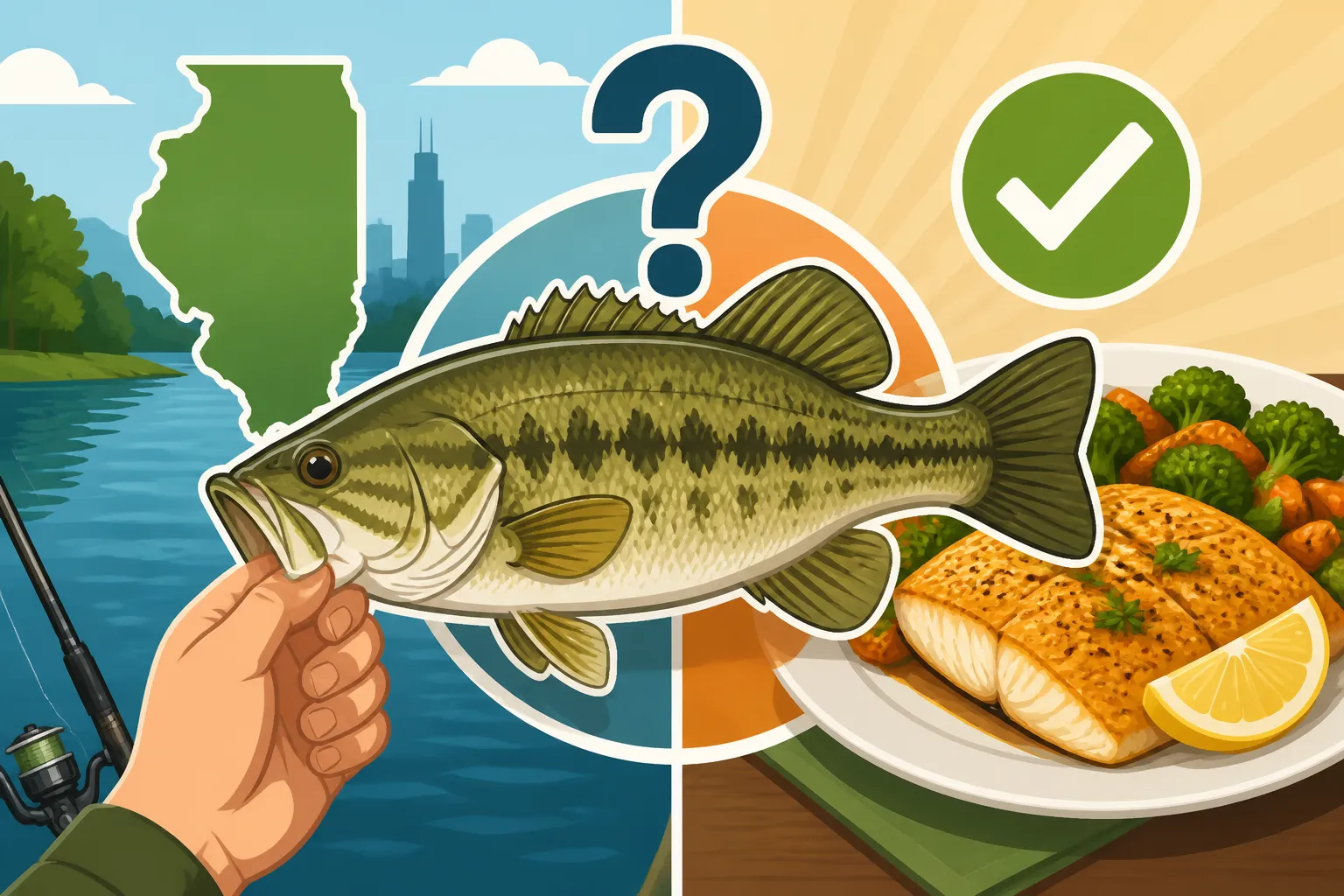
Is Spotted Bass Good to Eat?
Many Illinois anglers have experienced the thrill of a hard-fighting spotted bass on the line, especially in certain river systems or impoundments where they thrive. But once you've landed one, a common question often pops into mind: "Is this fish actually good to eat, or should it go back?" It’s a fair question, as they're not as widely known for their table fare as their largemouth or smallmouth cousins, and you want to make sure your efforts are rewarded with a tasty meal, not a regretful one. This guide will dive deep into the edibility of spotted bass, helping you decide if these feisty fighters deserve a spot on your dinner plate.
Understanding Spotted Bass in Illinois Waters
Before we talk about whether they're tasty, let's get a good handle on what a spotted bass is and where you're likely to find them in Illinois. These aren't your typical largemouth you'd pull out of a farm pond; spotted bass have their own unique characteristics and preferred habitats, which can sometimes influence their flavor.
Identifying Your Catch: Spotted Bass vs. Other Black Bass
It's easy to confuse a spotted bass with a largemouth bass, especially for a new angler. But there are some key differences that not only help you identify your fish but also give you clues about its potential table quality. Spotted bass, often called "spots" or "Kentucky bass," are generally more streamlined than a largemouth, with a smaller mouth that doesn't extend beyond the eye. Their most distinctive feature, and where they get their name, is the rows of dark spots below the lateral line, almost like scales with a peppered look. Crucially, if you run your finger over their tongue, you'll often feel a patch of small teeth, which is a dead giveaway for a spotted bass and absent in a largemouth. They tend to be found in clearer, flowing waters, like rivers and larger reservoirs, which often contributes to a cleaner flavor profile compared to fish from stagnant or muddy areas. If you're struggling to tell them apart, our guide How to Identify a Spotted Bass vs a Largemouth Bass offers some excellent visual cues.
When you're out on the water, sometimes these distinctions can be subtle. Imagine you've just pulled a vigorous bass from the Kaskaskia River, and you're momentarily stumped. You look at the jawline – does it extend past the eye? No, it doesn't. Then you feel the tongue, and there it is, that tell-tale tooth patch. Bingo, you've got a spot! Knowing these details not only helps with regulations but also informs your expectations for dinner.
Where Spotted Bass Thrive in Illinois
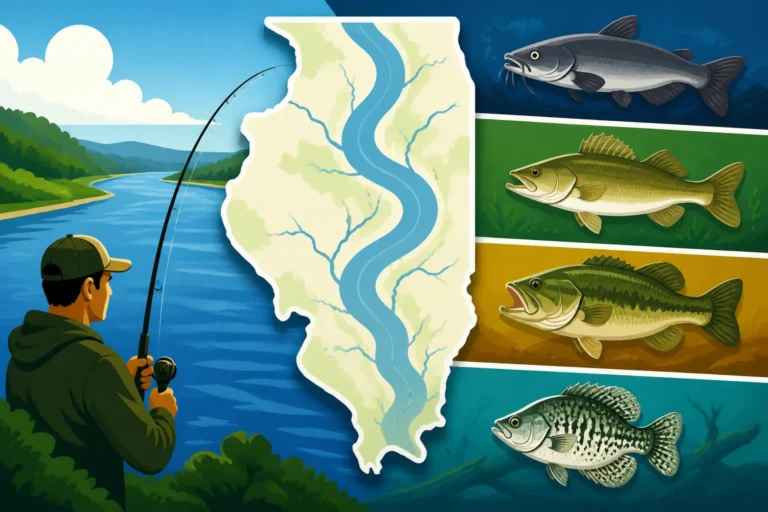
Spotted bass aren't found everywhere in Illinois, unlike the ubiquitous largemouth. You'll primarily encounter them in the southern and central parts of the state, particularly in larger river systems like the Kaskaskia, Big Muddy, and portions of the Mississippi River. They also inhabit some of our larger impoundments and reservoirs, often preferring areas with rocky structure, current, and deeper, clearer water than largemouth might favor. Their habitat plays a significant role in their diet and overall condition. Fish living in clean, flowing water with a diet rich in baitfish and crustaceans tend to have firmer, whiter flesh and a milder taste.
Think about fishing a clear, rocky stretch of the Kaskaskia River near Carlyle Lake. The spotted bass you catch there are likely to be healthy, active, and feeding on a diverse diet. This is a stark contrast to a bass pulled from a shallow, muddy pond. This environmental factor is a huge part of the edibility equation for any freshwater fish, and spotted bass are no exception. Spotted Bass: Where Anglers Find Them in Illinois provides more specific locations to target these game fish.
The Taste Test: How Spotted Bass Stack Up
Alright, let's get down to brass tacks: are spotted bass good to eat? The short answer is yes, absolutely! They are often considered to be excellent table fare, and many anglers actually prefer them over largemouth bass for their generally firmer, flakier, and milder flesh.
Flavor Profile and Texture
Spotted bass generally boast a mild, clean flavor, often described as less "fishy" than some other freshwater species. Their flesh is typically white, firm, and flaky when cooked, without the mushiness that some largemouth can exhibit, particularly larger ones from warmer, murkier waters. This firmness is often attributed to their more active, riverine lifestyle and diet. Imagine biting into a perfectly cooked fillet – it holds together well, flakes off easily with a fork, and has a subtle, sweet flavor that can be enhanced with simple seasonings.
Compared to a largemouth bass, which can sometimes have a slightly stronger, earthy flavor depending on its environment, the spotted bass often presents a more refined culinary experience. If you’ve ever enjoyed crappie or bluegill, you’ll likely find spotted bass to be in a similar, highly desirable taste category. For anglers who are particular about "fishy" tastes, the spotted bass is often a welcome surprise.
Factors Influencing Taste: Environment, Size, and Season
Just like any fish, the taste of a spotted bass isn't a universal constant. Several factors can influence how good your catch will taste:
- Water Quality: This is paramount. Fish from clean, clear, cool waters will almost always taste better than those from warm, muddy, or stagnant environments. Illinois' river systems and deeper reservoirs often provide ideal conditions for excellent-tasting spotted bass.
- Diet: A diverse diet of baitfish, crayfish, and insects contributes to better flavor and firmer flesh.
- Size: Smaller to medium-sized spotted bass (say, 12 to 16 inches) are generally considered the best for eating. Larger, older fish can sometimes develop a tougher texture or a stronger flavor.
- Season: Fish often taste best when the water is cooler, such as in spring and fall. During the hot summer months, any freshwater fish, including spotted bass, might have a slightly softer texture. During the Illinois Bass Spawn Timing Guide, fish are expending a lot of energy, which can also affect flesh quality.
For example, a 14-inch spotted bass caught from the flowing waters of the Kaskaskia River in April, when the water is cool and clean, is likely to be a culinary delight. The same-sized fish caught from a warm, shallow, weed-choked backwater in August might not be quite as firm or mild. It's about being observant of your fishing conditions and making informed choices about what to keep for the table.
| Characteristic | Spotted Bass (Ideal) | Largemouth Bass (Typical) |
|---|---|---|
| Flavor | Mild, clean, slightly sweet | Mild to earthy, can be stronger in warm water |
| Texture | Firm, flaky, white flesh | Softer, can be slightly mushier, white flesh |
| Common Size for Eating | 12-16 inches | 14-18 inches |
| Habitat Influence | Often clearer, flowing water; less "muddy" taste | Wide range, can be in murkier water, potentially stronger taste |
| Overall Edibility Rating | Excellent | Good |
Best Practices for Preparing Spotted Bass
So, you've caught a few beautiful spotted bass and decided they're destined for the dinner table. Fantastic! Now, proper handling and preparation are key to ensuring that delicious flavor and firm texture make it from the hook to your plate.
Field Care and Filleting
The moment you decide to keep a fish, its fate for the dinner table is largely determined by how you handle it.
- Icing: The absolute best thing you can do for any fish you plan to eat, including spotted bass, is to get it on ice immediately after catching it. A cooler full of ice will quickly chill the fish, stopping the enzymatic breakdown of the flesh and preserving its freshness. This is especially important on warm Illinois days.
- Cleaning: Back home, prompt cleaning is essential. Start by rinsing the fish thoroughly. Filleting a spotted bass is similar to filleting any other bass. Using a sharp fillet knife, such as those you can find readily on Amazon, makes the job much easier and safer. Start behind the gill plate, run the knife along the backbone, and then separate the fillet from the rib cage. You can choose to skin the fillet or leave the skin on, depending on your preference and cooking method. Remove any dark red meat along the lateral line, as this can sometimes contribute to a stronger, less desirable flavor.
- Washing: After filleting, give the fillets another good rinse in cold water and pat them dry with paper towels. This removes any residual scales or blood, ensuring a clean taste.
Proper field care means that by the time you're ready to cook, your spotted bass fillets are already primed for maximum flavor. Many anglers overlook the importance of icing fish, but it truly makes all the difference in the final product.
Cooking Methods and Recipe Ideas
Spotted bass are versatile in the kitchen, and their firm, mild flesh lends itself well to various cooking methods.
- Pan-Frying/Sautéing: This is a classic and hard-to-beat method. Dredge your fillets in seasoned flour, cornmeal, or a panko breading, and pan-fry them in butter or oil until golden brown and flaky. A simple seasoning of salt, pepper, garlic powder, and a touch of paprika is usually all you need. Serve with lemon wedges for a bright finish. This method really highlights the natural, mild flavor.
- Baking/Broiling: For a healthier option, baking or broiling are great. Place fillets on a baking sheet, drizzle with olive oil, sprinkle with your favorite herbs (dill, parsley, thyme work wonderfully), and perhaps some sliced onions or bell peppers. Bake at around 375°F (190°C) until cooked through and flaky, or broil for a quicker cook with a nice crust.
- Grilling: If you have thicker fillets, grilling can be fantastic. Marinate them briefly in a light dressing – maybe some olive oil, lemon juice, and fresh herbs – then grill over medium-high heat until opaque and lightly charred. Be careful not to overcook, as fish can dry out quickly on the grill. A good fish basket or grill mat, easily found on Amazon, can prevent sticking and make flipping easier.
- Fish Tacos: The firm, flaky texture of spotted bass makes it perfect for fish tacos. Simply pan-fry or grill the seasoned fillets, then shred or flake them into warm tortillas with your favorite toppings like shredded cabbage, pico de gallo, and a creamy sauce.
Remember, the key is not to overcook the fish. Spotted bass fillets cook relatively quickly, so keep an eye on them. They're done when the flesh turns opaque and flakes easily with a fork.
Conservation and Responsible Harvest
Enjoying the great taste of spotted bass also comes with the responsibility of ensuring healthy fish populations for the future. As an angler, you play a crucial role in conservation.
Understanding Catch Limits and Regulations
Before you even cast a line, it's vital to be aware of the specific fishing regulations for spotted bass in Illinois. While statewide limits for black bass species (which include largemouth, smallmouth, and spotted bass) are generally consistent, there can be site-specific regulations for certain lakes or river stretches. For instance, some lakes might have special slot limits or reduced daily creel limits. Always consult the current Illinois Fishing Information Guide or check the specific rules for the body of water you're fishing. Our comprehensive Illinois Fishing Regulations Overview can help you navigate these rules.
Adhering to these rules isn't just about avoiding a ticket; it's about protecting the populations. Taking only what you need and staying within legal limits ensures that future generations of anglers can also enjoy the thrill of catching, and perhaps eating, a spotted bass.
Practicing Sustainable Fishing
Sustainable fishing goes beyond just legal limits. It's about minimizing your impact and promoting healthy ecosystems.
- Catch and Release: Consider practicing catch and release, especially for larger fish. While smaller to medium-sized spotted bass are often the best for eating, letting the big "brood stock" go allows them to continue reproducing and contributing to the fishery.
- Proper Handling: If you plan to release a fish, handle it carefully. Wet your hands before touching it to protect its slime coat, minimize air exposure, and use appropriate de-hooking tools.
- Respecting Habitat: Be mindful of the areas you're fishing. Avoid disturbing spawning beds, and always pack out everything you pack in, leaving no trace of your visit. This includes disposing of fishing line properly, as it can be incredibly harmful to wildlife.
- Educating Others: Share your knowledge about responsible fishing practices with fellow anglers, especially newer ones. We all learn from each other, and fostering a community that values conservation is vital.
By embracing these practices, we ensure that Illinois continues to be a fantastic place for fishing, whether you're targeting a trophy bass or simply looking for a delicious meal of spotted bass. Don't forget, having the right license is the first step to being a responsible angler; find out more in our Illinois Fishing License Guide for 2026.
Final Thoughts on Eating Spotted Bass
So, is spotted bass good to eat? Absolutely! These often-overlooked members of the black bass family offer a truly enjoyable dining experience, often surpassing the table quality of their more famous largemouth relatives. Their firm, flaky, and mild white flesh makes them a versatile ingredient in the kitchen, perfect for a variety of cooking methods from simple pan-frying to flavorful fish tacos.
The next time you're out on an Illinois river or reservoir and land a nice spotted bass, don't hesitate to consider it for your next meal. Just remember to handle it properly, fillet it with care, and cook it to perfection. You might just discover a new favorite for the dinner table! And who knows, maybe that delicious meal will inspire you to spend even more time on the water, exploring all the fantastic fishing opportunities Illinois has to offer.
Disclaimer
This article is for general informational purposes only and does not constitute professional advice. Laws, prices and regulations vary by location and change over time. Consult a qualified professional for guidance on your specific situation.