How Big Do Largemouth Bass Get in Illinois Lakes?
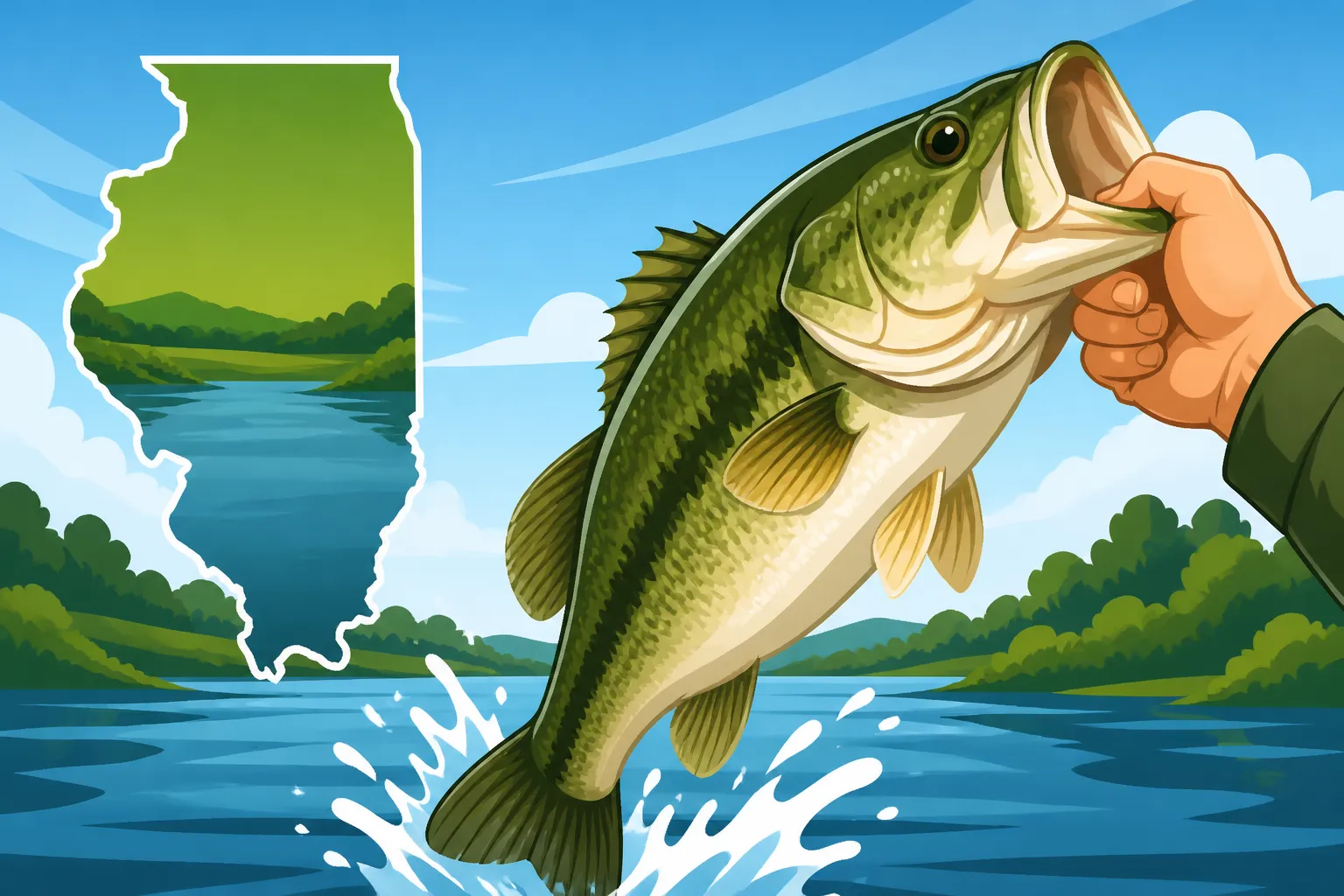
One of the most thrilling parts of Illinois fishing is the chance to hook into a monster largemouth bass. You see the pictures, you hear the stories, and you start dreaming about that five-pounder pulling drag. But how big do these green giants really get in our Illinois lakes, and what can you realistically expect when you hit the water? This guide will dive deep into the factors that influence bass size, what a true trophy means in our state, and where you might just find your next brag-worthy catch.
Factors Influencing Largemouth Bass Size in Illinois
It’s not just luck when an angler lands a huge largemouth; a lot of environmental factors contribute to how big these fish can grow. Understanding these elements can help you identify prime locations and even adjust your fishing strategy to target those larger specimens.
Habitat and Water Quality
Just like us, largemouth bass thrive in environments that meet their basic needs and then some. A lake with excellent water quality provides clear, oxygen-rich water that allows bass to breathe easily and forage efficiently. When the water is clean and stable, fish don't have to spend excess energy combating poor conditions, meaning more energy can go towards growth.
Beyond just clean water, the physical structure of the lake or pond plays a massive role. Think about submerged timber, dense weed beds, rock piles, and points—these are all prime real estate for bass. They offer ambush points for hunting prey, protection from predators, and cooler, deeper water when temperatures rise. Lakes with diverse and abundant cover tend to harbor healthier and larger bass populations because the fish have places to live, hide, and ambush meals. If a lake is a big, open bowl with no structure, bass have to work much harder to survive and grow.
Forage Availability
This is perhaps the single biggest factor in bass growth: what they eat and how much of it is available. A largemouth bass is an opportunistic predator, and the more abundant and protein-rich its diet, the faster and larger it will grow. Lakes teeming with shad, various species of Illinois Panfish Species: Bluegill, Crappie and Sunfish Explained, and even crawfish provide a consistent buffet.
Consider a lake where the bluegill are numerous and large, or where schools of gizzard shad are everywhere. Bass in such an environment don't have to expend a lot of energy to find food; it's practically handed to them. This abundance translates directly into faster growth rates and ultimately bigger fish. Conversely, a lake with scarce forage will produce smaller, leaner bass, no matter how good the water quality or habitat. It's a simple caloric equation: more food equals more growth.
Genetics and Age
While habitat and food are crucial, we can't forget about genetics. Just like people, some bass are simply predisposed to grow larger and faster than others. There are different strains of largemouth bass, and some, like certain Florida-strain genetics that have been introduced in various waters (though not as prevalent in Illinois as in southern states), are known for their potential to reach truly massive sizes.
Furthermore, age is a straightforward determinant of size. An older bass has had more time to eat and grow. Catching a true trophy largemouth usually means you've caught an older, more experienced fish that has survived many seasons. These older fish are often smarter, warier, and more challenging to catch, which is part of what makes them so prized. It’s a testament to their survival skills and the lake's ability to support them.
Fishing Pressure and Management
The amount of fishing pressure a lake experiences can significantly impact the average size of the bass caught. If a lake is heavily fished with a high harvest rate, many bass may be removed before they have a chance to reach larger sizes. This means that while there might be many bass, they might all be on the smaller side.
This is where thoughtful fisheries management comes into play. Regulations like Illinois Largemouth Bass Length Limit and Daily Catch Rules and slot limits (where fish between certain sizes must be released) are designed to protect medium-sized bass, allowing them to grow into larger, trophy-sized fish. Many lakes in Illinois employ these strategies to cultivate a population of bigger bass, providing anglers with a better chance at a memorable catch. Responsible catch-and-release practices by anglers also play a vital role in letting those future trophies swim another day.
Realistically Sized Largemouth Bass in Illinois Waters
So, what can you actually expect when you cast your line into an Illinois lake? The dream of a ten-pounder is always there, but it's important to set realistic expectations for your fishing adventures.
The Average Catch
Most Illinois anglers will tell you that a typical largemouth bass caught in our state falls into the 1 to 3-pound range. These are healthy, feisty fish that are a blast to catch and certainly worthy of a picture. Many of them will measure somewhere between 12 and 16 inches long. This size class makes up the bulk of the largemouth population in most public lakes and ponds.
When you're out fishing, you'll encounter plenty of these "keeper" bass. They're strong fighters and offer excellent sport. While they might not break any state records, consistently catching fish in this size range means you're doing something right, and the lake you're fishing has a healthy bass population. These average-sized bass are what provide the backbone of the fishing experience for many, day in and day out.
Trophy Bass
Defining a "trophy" bass can be a bit subjective, but in Illinois, most anglers would agree that a largemouth bass weighing 5 pounds or more is firmly in trophy territory. A fish of this caliber will likely measure over 20 inches in length. Landing a 5-pounder in Illinois is a significant accomplishment and often represents a personal best for many anglers.
Fish weighing 6, 7, or even 8 pounds are exceptionally rare and usually come from lakes known for producing giant bass or from anglers who have put in countless hours mastering their craft. These fish are older, smarter, and have survived multiple seasons, making them truly special catches. While you might catch many smaller bass, the thrill of knowing that a true lunker could be lurking nearby keeps many anglers coming back for more.
State Record and Near-Record Fish
The Illinois state record largemouth bass is a legendary fish, a monumental achievement that stands as the ultimate benchmark. While beating the state record is an incredibly rare feat, fish approaching these sizes are occasionally caught in highly managed lakes or those with exceptional conditions. These near-record fish, perhaps in the 9 to 12-pound range, are the stuff of local legend and generate immense excitement in the angling community.
Catching a fish of this magnitude requires an incredible combination of skill, persistence, and sheer luck. Anglers who consistently target these giant bass often spend years learning a specific body of water, understanding seasonal patterns, and employing specialized techniques. While the odds are astronomically low, the possibility of hooking into a truly once-in-a-lifetime bass is what fuels the passion of many dedicated Illinois anglers.
Top Illinois Lakes Known for Bigger Bass
If you’re chasing that elusive trophy largemouth, certain lakes in Illinois have a reputation for producing bigger fish more consistently. These waters offer the right combination of habitat, forage, and management to help bass grow to impressive sizes.
Southern Illinois Hotspots
Southern Illinois, with its longer growing season and abundance of fertile water, is often considered the best region for targeting larger largemouth bass. Lakes like Rend Lake, Lake of Egypt, and Kinkaid Lake are consistently at the top of the list for producing lunkers.
- Rend Lake: Known as one of Illinois's premier fishing destinations, Rend Lake Fishing Guide for Illinois Anglers is particularly famous for its incredible panfish, which provide an endless food source for growing bass. The lake's vast expanses of submerged timber, shallow flats, and extensive weed beds create perfect ambush points. Anglers here regularly report bass in the 4-6 pound range, with larger ones being caught every year.
- Lake of Egypt: This private lake in southern Illinois boasts clear water and an abundance of forage, including threadfin shad. Its deeper, clearer waters can make bass fishing a bit more challenging, but the reward is often a higher average size. Lake of Egypt has a strong reputation for producing some of the heaviest bass in the state, with fish well over 7 pounds not uncommon.
- Kinkaid Lake: A picturesque lake surrounded by Shawnee National Forest, Kinkaid Lake offers fantastic structure with its standing timber and rocky bluffs. It's a favorite among serious bass anglers due to its consistent production of quality fish. The clear, deep waters and diverse forage base allow bass to grow large and healthy, often yielding fish in the 5-pound class and bigger.
Central and Northern Illinois Contenders
While southern Illinois might have the edge for sheer numbers of big bass, central and northern Illinois also have excellent lakes that can produce trophy-sized largemouth, especially with good management and diligent angling.
- Lake Shelbyville: This large reservoir is a popular spot for many species, and its bass fishing is highly regarded. Lake Shelbyville has a fantastic population of quality largemouth, often hitting the 3-5 pound mark. Its numerous coves, creek channels, and submerged timber provide ample habitat. Anglers here often do well during the Illinois Bass Spawn Timing Guide and post-spawn periods, when big bass are more active in shallower water.
- Carlyle Lake: As the largest man-made lake entirely within Illinois, Carlyle Lake offers expansive fishing opportunities. While it can be challenging due to its size and often turbid water, it holds a substantial population of bass that can grow quite large, especially around the timber and rip-rap areas. Dedicated anglers who learn its nuances can be rewarded with impressive catches.
- Clinton Lake: Famous for its warm-water discharge from the power plant, Clinton Lake offers a unique fishing experience, especially in colder months. This warmer water can extend the growing season for bass, allowing them to bulk up. The lake has produced some truly exceptional largemouth over the years, often surprising anglers with its potential for giant fish.
Lesser-Known Gems
Don't overlook the smaller, often overlooked waters. Many smaller public lakes, forest preserve ponds, and especially well-managed private ponds across the state can hold true giants. These waters often receive less pressure and sometimes have an even healthier balance of forage and habitat, allowing a few bass to become truly enormous. It's always worth researching local smaller bodies of water, as they can sometimes yield the biggest surprises.
Strategies for Targeting Larger Bass in Illinois
Catching bigger bass often requires a slightly different approach than simply catching any bass. It means thinking like a lunker and understanding what they want.
Proper Gear and Presentation
When you're targeting bigger fish, it often pays to "go big" with your tackle. Heavier rods (medium-heavy to heavy power), baitcasting reels spooled with stronger line (15-20 lb fluorocarbon or monofilament, or even heavier braided line), are often necessary to handle powerful strikes and wrestle a big fish out of heavy cover. The bigger the fish, the stronger the fight, and you don't want to be undergunned when that lunker bites.
For lures, think about larger presentations. Big bass often prefer a substantial meal that offers a lot of calories for minimal effort. This means reaching for larger swimbaits, deep-diving crankbaits that mimic shad or larger panfish, big jigs tipped with sizable trailers, or even oversized Texas rigs with creature baits. The idea is to present something that looks like a worthwhile meal to a fish that isn't interested in small snacks. When it comes to picking out those perfect big bass lures, many anglers start their search online. You can find a huge variety of deep-diving crankbaits, heavy jigs, and oversized swimbaits on platforms like Amazon, often with reviews from fellow bass enthusiasts.
Timing and Conditions
Big bass are often more cautious and selective. They might not bite as frequently as smaller, more aggressive fish. Timing your fishing trips to coincide with optimal conditions can significantly increase your chances. Early morning and late evening, especially during the warmer months, are prime times when big bass are more likely to move into shallower water to feed. Overcast days or periods just before a cold front can also trigger aggressive feeding.
Understanding how Water Temperature and Fish Activity Guide affects bass behavior is critical. During the pre-spawn and spawn, large female bass are focused on reproduction and are often in shallower, more accessible areas. During the summer, they retreat to deeper, cooler waters or dense cover. Knowing these seasonal patterns is key to putting your bait in front of where the big ones live. Consider checking out tips on How to Find Bass in Summer Heat to adjust your strategy for those tough months.
Patience and Persistence
Ultimately, consistently catching big bass requires a healthy dose of patience and persistence. Big fish are not everywhere, and they don't bite all the time. You might spend hours or even full days without a single strike from a lunker, only to have that one crucial bite make the entire trip worthwhile. It’s a game of dedication and learning.
Successful trophy bass anglers often spend years mastering a particular lake or technique. They understand that every cast is a potential opportunity, and every blank period is a lesson learned. Don't get discouraged if you're not immediately hauling in giants. Keep refining your techniques, keep learning about the water you're fishing, and keep that dream alive. One day, that massive largemouth will make all the effort worth it.
Here's a quick comparison of what you might expect in terms of largemouth bass sizes in Illinois:
| Category | Typical Length (Inches) | Typical Weight (Pounds) | Rarity Level |
|---|---|---|---|
| Small Bass | Under 12 | Under 1 | Common |
| Average Keeper | 12 – 16 | 1 – 3 | Very Common |
| Quality Bass | 17 – 19 | 3 – 4.9 | Common |
| Trophy Bass | 20 – 23 | 5 – 7.9 | Rare |
| Exceptional Lunker | 24+ | 8+ | Extremely Rare |
Disclaimer
This article is for general informational purposes only and does not constitute professional advice. Laws, prices and regulations vary by location and change over time. Consult a qualified professional for guidance on your specific situation.