How to Catch Walleye on the Mississippi River
Fishing for walleye on the mighty Mississippi River in Illinois can feel like trying to find a needle in a haystack, especially with its vast, complex currents and diverse structure. It’s easy to get overwhelmed trying to figure out where they hide, what they’re biting on, and how to even present your lure effectively in such dynamic waters. This guide will cut through the confusion, offering practical, actionable advice to help you successfully target and catch walleye on the Illinois stretch of the Mississippi River.
Understanding the Mississippi River Walleye Habitat
The Mississippi River isn't just one big channel; it's a dynamic system of main channels, wing dams, rip-rap banks, backwaters, and sloughs, all of which change with water levels and seasons. Walleye, being the opportunistic predators they are, will utilize different parts of this complex system depending on factors like current, water temperature, and forage availability. Knowing where to start looking is half the battle.
Walleye Hotspots and Structure
When you're out on the Mississippi, walleye aren't just swimming aimlessly. They are almost always associated with structure that offers them current breaks, ambush points, or easy access to food. Think about how a walleye likes to conserve energy while waiting for a meal to drift by.
- Wing Dams: These man-made rock structures jut out from the bank into the main channel, designed to direct current and maintain channel depth for barge traffic. They create perfect current breaks on their downstream side, and the rocks themselves attract baitfish, making them prime walleye territory. Fish the eddies and scour holes on the backside, and cast right onto the face of the dam where fish might be holding in the current seams.
- Rip-Rap Banks: Many sections of the Mississippi shoreline are lined with rip-rap (large rocks) to prevent erosion. These rocky banks provide excellent habitat for baitfish and crawfish, which in turn attract walleye. The key here is to find the deeper sections or areas with subtle current changes where walleye can hold comfortably.
- Main Channel Edges and Drop-offs: Walleye often patrol the deeper edges of the main channel, especially where there's a distinct drop-off or a sudden change in depth. These areas serve as travel corridors and feeding grounds, particularly during periods of lower light. Using your electronics to identify these contours is crucial.
- Bridge Pilings and Submerged Structure: Any significant underwater structure, like bridge pilings, sunken timber, or even old navigational markers, can concentrate walleye. These spots offer vertical relief and current breaks that walleye love. It's often a good idea to approach these spots carefully, as they can also be snag-heavy.
How Current Affects Walleye Location
The Mississippi River is defined by its current, and understanding how walleye use it is fundamental. Walleye are not built for fighting strong currents all day long. Instead, they position themselves in areas where they can easily ambush prey without expending too much energy.
Look for "current seams" – lines where fast water meets slower water. This is where walleye will typically lie in wait, letting the faster current bring food to them. The downstream side of almost any obstruction (wing dam, boulder, log) will have an eddy or slack water pocket where walleye will hold. When the current is particularly strong, they might move into shallower, calmer backwaters or behind larger structures. Conversely, in weaker currents, they might spread out more or move to the upstream side of structure to pick off passing forage. Pay close attention to how water is moving around any potential fishing spot; it will tell you where the fish are likely holding.
Essential Gear for Mississippi River Walleye Fishing
Getting set up with the right gear can make a huge difference in your success rate when targeting walleye on the Mississippi. The river's strong currents and potential for larger fish mean you need tackle that can handle the job. Forget about flimsy ultralights; we're talking about robust, reliable equipment.
Rods and Reels for River Walleye
You'll need a combination of sensitivity and backbone. A medium-heavy power spinning or casting rod, typically 6'6" to 7'6" in length, is a great all-around choice. This allows for good casting distance, line control, and the power to set the hook and fight a strong walleye in current.
- Spinning Setups: These are often preferred for lighter jigs and live bait presentations. A quality 2500-3000 series spinning reel spooled with 8-12 pound test monofilament or fluorocarbon, or 10-20 pound braided line with a fluorocarbon leader, is ideal. Many anglers find braided line a huge advantage for feeling subtle bites in current.
- Casting Setups: For heavier lures, deep-diving crankbaits, or trolling, a baitcasting setup offers more power and control. A medium-heavy baitcasting rod with a reel spooled with 12-20 pound fluorocarbon or 20-30 pound braided line is a solid choice. Ensure your reel has a smooth drag system; you'll appreciate it when a big walleye decides to run.
You can find excellent options for both types of setups on sites like Amazon, with a wide range of brands and prices to fit any budget.
Lures and Baits That Get Bites
Walleye on the Mississippi River can be picky, but they also have favorite meals. Having a diverse tackle box is key.
- Jigs: This is probably the most versatile walleye lure on the river. Head sizes from 1/8 oz to 1 oz are common, depending on current and depth. Pair them with soft plastic bodies like paddle tails, curly tails, or minnow imitators. Colors like chartreuse, white, orange, and natural baitfish patterns are consistent producers. Tipping jigs with live bait (minnows, nightcrawlers) is often a deadly combination.
- Crankbaits: Deep-diving crankbaits are fantastic for trolling or casting to wing dams and channel edges. Look for models that can dive to the depth where walleye are holding. Shad, perch, and crawfish patterns are always good bets.
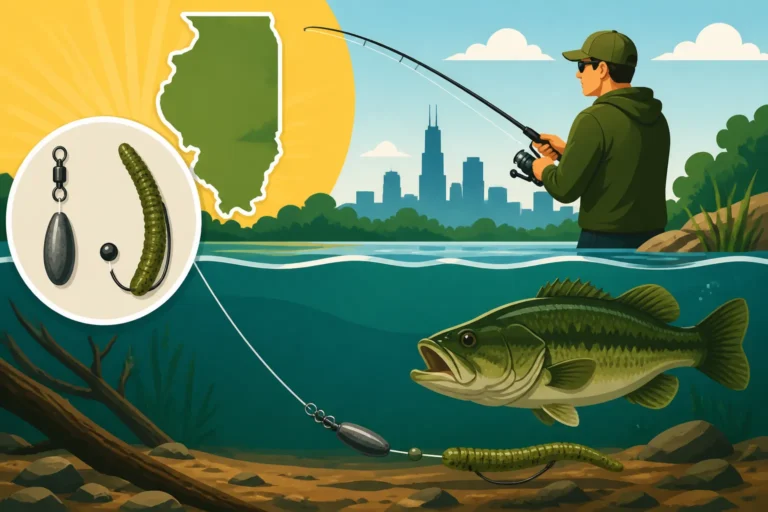
- Live Bait Rigs: A simple three-way swivel rig with a bell sinker and a snelled hook is highly effective, especially when anchored or drifting. You can present minnows, shiners, or nightcrawlers near the bottom, where walleye often feed. This method is particularly effective for bottom fishing for catfish.
- Spinner Rigs/Crawler Harnesses: These are excellent for drifting or slow trolling, especially when tipped with a nightcrawler. The blade provides flash and vibration, while the crawler offers natural scent and action. Different blade colors (silver, gold, chartreuse) can be experimented with.
Remember to consider the specific water conditions. Clearer water might call for more natural colors, while stained water often benefits from brighter, more vibrant hues that stand out.
Top Techniques for Mississippi River Walleye
Now that you know where to look and what gear to use, let's talk about how to present your offerings effectively. Fishing the Mississippi requires specific techniques to contend with the current and effectively target walleye in their preferred ambush points.
Jigging and Drifting
Jigging is a cornerstone technique for Mississippi River walleye. It allows you to present your bait vertically and maintain bottom contact in varying depths and currents.
- Vertical Jigging: This is particularly effective around wing dams, bridge pilings, and sharp drop-offs. Position your boat directly over the structure and drop your jig straight down. Let it hit the bottom, then lift it a foot or two with a sharp snap of the wrist, allowing it to fall back down on a semi-slack line. Most bites occur on the fall. Keep your rod tip high and be ready to set the hook at the slightest tap or unexpected weight. For the best results, learn How to Jig for Walleye.
- Pitching Jigs: For fishing the faces of wing dams or rip-rap banks from a distance, pitching jigs is key. Cast your jig upstream of the target, allowing it to sink and drift naturally with the current towards the structure. Maintain a semi-tight line to feel the bottom and any subtle bites. This technique is also great for fishing How to Catch Walleye From the Bank in specific accessible areas.
- Controlled Drifting: Using your boat to drift with the current while presenting jigs or live bait rigs is another highly effective method. This covers more water and allows you to present your bait in a very natural way. Use your trolling motor to control your speed, keeping it slightly slower than the current to ensure your bait stays near the bottom. This approach works particularly well along channel edges and flats.
Trolling for Success
Trolling is an incredibly productive method for covering large areas and finding active walleye, especially when they are spread out along channel edges or over submerged flats.
- Trolling with Crankbaits: Select crankbaits that dive to the depth where you expect walleye to be. The speed of your troll is critical; generally, 1.5 to 2.5 mph is a good starting point, but experiment. Vary your speed, make S-turns, and incorporate pauses to trigger strikes. You might need to adjust your weight or line diameter to get your lure to the desired depth. Understanding How to Troll for Walleye is a game-changer for many river anglers.
- Trolling with Crawler Harnesses: These are excellent for slower trolling speeds and when walleye are feeding on crawlers. Adjust your weight (bottom bouncer, snap weights) to keep the harness ticking the bottom. Different blade colors and sizes can be experimented with to find what the fish prefer on any given day.
When trolling, especially in the main channel, always be aware of commercial barge traffic and other recreational boaters. Safety is paramount on the Mississippi.
Live Bait Presentations
Sometimes, nothing beats the real thing. Live bait is incredibly effective, especially when walleye are finicky.
- Minnow Rigs: A common setup involves a simple three-way swivel rig with a bell sinker on a dropper line and a snelled hook (size 4-8) with a lively minnow. Cast upstream and let the current carry your rig naturally, or fish it vertically from an anchored boat. This allows the minnow to swim enticingly just above the bottom.
- Nightcrawlers: Presented on a Lindy Rig, a three-way rig, or a crawler harness, nightcrawlers are a walleye magnet. The natural scent and action are hard for a walleye to resist. Pinch off about a third of the worm to make it more manageable and prevent short strikes.
- Leeches: While perhaps less common than minnows or crawlers on the Mississippi, leeches are a fantastic walleye bait, especially in slightly warmer water. They are incredibly durable and active on the hook.
Always check the current Illinois fishing regulations for specific rules on live bait use, especially regarding species and origin, to ensure you're compliant. Knowing Best Walleye Bait for Rivers can really boost your catch rates.
Seasonal Strategies for Mississippi River Walleye
The Mississippi River is a living, breathing system that changes dramatically with the seasons. Walleye behavior and location shift accordingly, so your approach needs to be adaptable. Understanding the Illinois Walleye Fishing Season on the Mississippi River will give you a significant advantage.
Spring: Post-Spawn Aggression
Spring, particularly after the walleye spawn, is an exciting time on the Mississippi. Walleye are recovering and often aggressively feeding to regain their strength.
- Timing: The spawn typically occurs in early spring when water temperatures reach the upper 40s to low 50s. Post-spawn, usually April and May, is when fishing really heats up. This aligns well with the broader Illinois Fishing Seasons Guide for many species.
- Locations: Walleye will often be found near their spawning grounds in shallower, calmer areas just off the main current, moving towards deeper feeding areas. Look for them concentrated at the mouths of feeder creeks, around rip-rap banks, and on the downstream side of wing dams.
- Techniques: Jigs tipped with minnows or soft plastics are incredibly effective. Drifting crawler harnesses or trolling shallow-to-medium diving crankbaits can also cover water efficiently and locate active fish. Don't be afraid to fish shallower than you might expect, especially during low-light conditions.
Summer: Current and Structure Seekers
As water temperatures rise in summer, walleye become more reliant on current breaks and deeper, cooler water.
- Timing: June through August can be excellent, but you need to adjust your tactics for warmer water. This is often considered the Best Time to Fish the Mississippi River in Illinois for Walleye.
- Locations: Walleye will often move to deeper areas of the main channel, seeking out cooler water and stronger current breaks. Focus on the scour holes below wing dams, the main channel side of deep rip-rap, and any submerged timber or rock piles that offer substantial current relief. They will often concentrate at river confluences.
- Techniques: Bottom bouncing with crawler harnesses or drifting live bait rigs with minnows and crawlers are popular. Trolling deep-diving crankbaits along channel edges or over submerged flats can also be very productive, especially during low-light periods or at night. Learning How to Catch Walleye in Current becomes even more critical now.
Fall: Feeding Frenzy Before Winter
Fall is another prime time for Mississippi River walleye, as they bulk up for the colder months.
- Timing: September and October, as water temperatures begin to drop, often trigger an aggressive feeding pattern.
- Locations: Walleye will often be found in similar locations to spring, but might be even more concentrated. They'll actively feed on baitfish migrating into deeper holes. Focus on deeper wing dams, prominent channel bends, and the mouths of larger tributaries.
- Techniques: Jigging with minnows or soft plastics remains a top producer. Trolling crankbaits, especially those with good vibration, can also be deadly. Look for schools of baitfish on your electronics; walleye won't be far behind. Consider using Best Walleye Lures for Cold Water as temperatures drop.
Winter: Slow and Deep
Ice fishing for walleye is possible in some calmer backwater areas, but for open water, river walleye fishing in winter often means a slower, more methodical approach.
- Timing: December through February, depending on ice conditions.
- Locations: Walleye will typically retreat to the deepest, slowest sections of the river. Deep holes, large eddies behind major current breaks, and sometimes even very deep backwater lakes connected to the main channel can hold fish.
- Techniques: Vertical jigging with smaller, subtle jigs tipped with live bait (minnows or wax worms) is often the most effective. Slower presentations are key, as fish metabolism has slowed down. Fish tend to hug the bottom very tightly.
Daily Timing: Best Time of Day to Catch Walleye
Beyond the seasons, the time of day can significantly impact walleye activity. Walleye are notoriously light-sensitive, often becoming most active during low-light conditions.
- Dawn and Dusk: These are arguably the prime feeding windows. The reduced light gives walleye a distinct advantage over their prey, so focus your efforts during these periods.
- Night Fishing: Don't overlook night fishing! Walleye eyes are perfectly adapted for low light, and they can be incredibly active after dark. Use dark-colored jigs or crankbaits that create a strong silhouette against the moonlit sky, or try glow-in-the-dark lures.
- Overcast Days: Heavy cloud cover can extend the prime feeding window throughout the day, mimicking low-light conditions.
- Turbid Water: In stained or muddy water, walleye activity might be less tied to light levels, as the water itself provides cover. Focus on areas with slightly clearer water if possible, or use noisy, high-vibration lures that they can find by feel.
Important Considerations for Mississippi River Walleye Anglers
Fishing the Mississippi River is an incredible experience, but it comes with unique challenges and responsibilities. Being prepared and respectful of the environment and other river users is crucial.
Boat and Bank Fishing Strategies
Whether you're fishing from a boat or the bank, your approach will differ significantly, but both can be productive.
- From a Boat: A boat gives you access to a vast array of structure and depths. Use your boat's electronics (fish finder, GPS) to locate channel edges, wing dams, and submerged features. Anchor effectively upstream of your target and let your baits drift naturally, or use your trolling motor for controlled drifts and trolling passes. Always be aware of your surroundings, especially large commercial vessels, and understand the rules for How to Catch Walleye From a Boat.
- From the Bank: Bank fishing for walleye on the Mississippi often means focusing on accessible rip-rap banks, bridge abutments, or park areas that offer deeper water access. Look for current breaks close to shore. Casting jigs or crankbaits parallel to the bank or out into current seams can be effective. A good pair of waders can expand your bank fishing options by allowing you to access shallower stretches of wing dams or wade along rip-rap.
Understanding Walleye vs. Sauger
On the Mississippi, you'll often catch both walleye and their close cousin, the sauger. While they look similar, there are distinct differences, and regulations can vary. Walleye generally have a larger average size, especially in the river. Sauger often prefer slightly muddier water and can be found in larger numbers. A key identifier for walleye is a distinct white tip on the lower lobe of their caudal (tail) fin, which sauger lack. Sauger also have distinct rows of dark spots on their dorsal fin, which walleye typically do not. Knowing Mississippi River Walleye and Sauger: Illinois' Northern Stretch Explained is important for correct identification and adherence to catch limits. Make sure you know How to Tell a Walleye From a Sauger? to avoid any legal issues.
Regulations and Conservation
Always, always consult the current Illinois Department of Natural Resources (IDNR) fishing regulations before heading out. The Mississippi River, being a border water, can sometimes have unique rules, or rules that differ from statewide regulations, especially concerning catch and size limits for walleye and sauger.
- Catch Limits: Pay close attention to daily catch limits and possession limits. These are in place to ensure sustainable fish populations for future generations.
- Size Limits: Some waters may have minimum or slot size limits for walleye. Measuring your fish accurately is important before deciding to keep it. Learn more about Illinois Walleye Size and Catch Limits.
- License Requirements: Ensure you have a valid Illinois fishing license. If fishing boundary waters with other states, research reciprocity agreements. For example, some parts of the Mississippi River bordering Iowa, Missouri, or Wisconsin may have specific reciprocal agreements.
Conservation is about more than just following the rules; it's about practicing ethical angling. Release fish carefully, especially larger breeding-size walleye, if you don't intend to eat them. Minimizing stress on the fish and promoting catch-and-release helps keep the fishing good for everyone.
| Technique/Method | Best Season | Target Location | Preferred Bait/Lure | Notes |
|---|---|---|---|---|
| Vertical Jigging | Spring, Fall, Winter | Wing Dams, Drop-offs, Bridge Pilings | Jigs (1/4-3/4 oz) with plastics, live minnows | Feel the bottom, snap rod tip, bites on the fall |
| Pitching Jigs | Spring, Fall | Rip-rap Banks, Wing Dam Faces | Jigs (1/8-1/2 oz) with plastics, live minnows | Cast upstream, drift with current, maintain contact |
| Controlled Drifting | All Seasons | Channel Edges, Flats, Wing Dam Backsides | Jigs, Crawler Harnesses, Live Bait Rigs | Use trolling motor to control speed, stay near bottom |
| Trolling Crankbaits | Summer, Fall | Main Channel Edges, Submerged Flats | Deep-diving Crankbaits (shad/perch patterns) | Vary speed, S-turns, match dive depth to fish |
| Live Bait Rigs (anchored) | All Seasons | Wing Dams, Deep Holes, Current Seams | Minnows, Nightcrawlers, Leeches | Simple 3-way swivel, present bait naturally on bottom |
Fishing for walleye on the Mississippi River can be a truly rewarding experience, offering both challenging conditions and the potential for incredible catches. By understanding walleye behavior, equipping yourself with the right gear (which you can easily find on platforms like Amazon), and mastering effective techniques, you'll be well on your way to consistent success. The river is a living classroom, and every trip offers new lessons. Embrace the challenge, enjoy the journey, and happy fishing!
Disclaimer
This article is for general informational purposes only and does not constitute professional advice. Laws, prices and regulations vary by location and change over time. Consult a qualified professional for guidance on your specific situation.