Spring Fishing Patterns for Multiple Species
Ah, spring! That magical time of year when the ice finally relinquishes its grip on our beloved Illinois waters, and anglers like us start feeling that undeniable itch. But let's be real, "spring fishing" isn't just one thing, is it? It's a whole roller coaster of conditions, from the icy breath of March to the warm breezes that whisper of summer by May's end. Many of us get frustrated because we head out with our trusty gear, expecting a hot bite, only to find the fish are nowhere to be found, or they're just not interested in what we're throwing. It feels like the fish have a secret memo about the season's changing patterns that we missed. This guide is here to decode those secrets, offering insights into how different fish species react to the ever-changing face of spring in Illinois, so you can adapt your approach and find success from ice-out to summer's doorstep.
The Grand Awakening: Why Spring is a Game Changer for Illinois Fishing
Spring isn't just a calendar date; it's a profound transformation for our lakes, rivers, and all the aquatic life within them. After months of cold dormancy under ice or chilled water, everything starts to wake up, and that includes the fish. If you've ever found yourself scratching your head, wondering why your tried-and-true summer spot isn't producing in April, it's because the entire ecosystem is shifting. The most crucial factor driving these changes is water temperature, but it's not the only player in this intricate dance.
Think about it from a fish's perspective. Their metabolism, their hunger levels, where they feel comfortable hiding, and even their urge to reproduce are all heavily influenced by the environment around them. Spring brings a gradual warming trend, longer daylight hours, and often more variable weather, from sunny warmth to sudden cold snaps. Understanding these underlying forces is the first step to unlocking consistent spring fishing success, whether you're targeting a behemoth catfish or a feisty bluegill.
Water Temperature: The Master Key to Spring Patterns
When we talk about spring fishing, water temperature is king. It dictates everything. In early spring, just after ice-out, the water might still be in the low 40s or 50s. Fish are sluggish, their metabolism is slow, and they're often tucked away in deeper, more stable water, or seeking out the warmest pockets they can find. As the sun gets higher and the days grow longer, surface temperatures begin to climb. This warming is what triggers fish activity, sending signals throughout the water column. Different species have different optimal temperature ranges for feeding and spawning, so knowing what temperature range your target species prefers will tell you where to find them and what their general mood might be.
For example, crappie might become active and move shallow when water temperatures hit the mid-50s, while largemouth bass might hold off on their full-on spawn until temperatures consistently reach the high 60s. These temperature thresholds are not rigid lines in the sand, but they provide critical benchmarks. Even a two- or three-degree difference can completely change a fish's behavior, sending them from deep haunts to shallow sun-warmed bays. Always pay attention to water temperature readings if your boat has a thermometer, or look for signs like shallow grass growing in sunny spots which indicates warmer water.
Light Penetration and Day Length: Subtle Influences
While water temperature is the loudest signal, don't underestimate the subtle yet powerful influence of light penetration and increasing day length. After a winter of short days and often cloudy skies, the longer, brighter days of spring provide more energy for the aquatic ecosystem. More light fuels phytoplankton growth, which feeds zooplankton, and so on up the food chain. This increased biological activity translates to more food options for fish and a general sense of awakening in the water.
Longer days also directly impact fish behavior, especially their circadian rhythms and spawning triggers. Many species use day length as an additional cue, combined with water temperature, to decide when to move shallow, build nests, or begin their annual reproductive cycle. Think about how much more comfortable you feel venturing out on a long, sunny April afternoon compared to a dreary, short February day. Fish feel a similar pull towards activity and shallower water as the sun's influence becomes more pronounced. These factors, though less dramatic than a sudden temperature swing, collectively usher in the abundance and activity that make spring such a phenomenal time to be an angler in Illinois. You can learn more about these seasonal changes in our Illinois Fishing Seasons Guide and pinpoint the Best Time to Fish in Illinois.
Early Spring Strategies: Cold Water Catches and Pre-Spawn Preparations
When we talk about early spring in Illinois, we're typically looking at March and early April, right after ice-out. The water is still pretty chilly, and while fish are waking up, they're not quite in their full-blown, aggressive feeding modes yet. This is often the time when anglers get frustrated because the fish aren't where they expect them to be, or they're not biting with conviction. The key here is patience, slower presentations, and understanding where fish will seek warmth and easy meals.
Targeting Panfish as Waters Warm Up
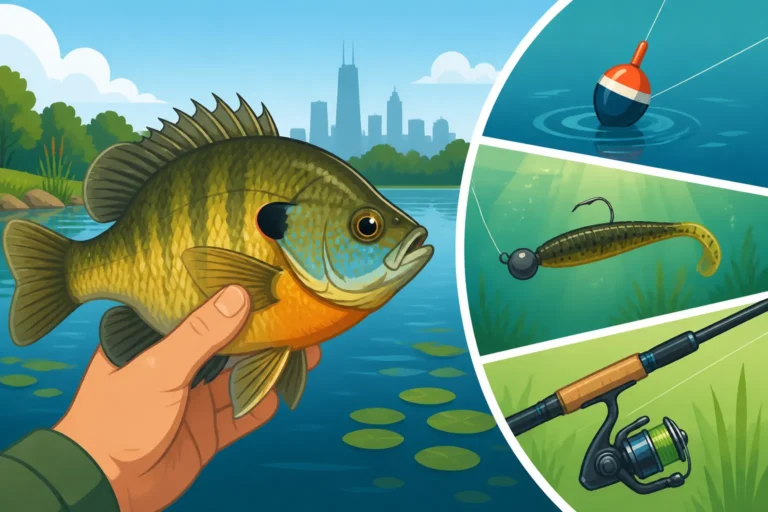
Panfish, like crappie and bluegill, are often some of the first species to become consistently active after the ice melts. They're hardy and tend to tolerate colder water better than some other game fish. In early spring, look for these guys to start migrating towards shallow, dark-bottomed areas that absorb sunlight. Think about those northern coves, protected bays, or even old stump fields in shallow water. These spots will warm up a few degrees faster than the main lake, creating a comfortable zone for panfish.
Your approach should be subtle. Small jigs, often tipped with a minnow or a wax worm, are incredibly effective. A tiny tube jig or a hair jig in black, white, or chartreuse can be deadly. Keep your retrieve slow, almost painfully slow, letting the bait suspend or fall naturally. Sometimes, simply dead-sticking a minnow under a small bobber in these warmer pockets is all it takes. The fish aren't going to chase a fast-moving bait; they want an easy meal they don't have to expend much energy for. This is a great time to experiment with different depths in the shallow zones, as fish might be suspended just a few feet down, even in only five feet of water. You can find more specific advice in Best Crappie Jig Colors for Stained Water.
Early Season Bass: Slow and Steady Wins the Race
Largemouth and smallmouth bass in early spring are a different beast. They're still somewhat lethargic from winter, and their metabolism is still revving up. This is the pre-spawn period, and while they're starting to think about putting on weight for the upcoming spawn, they're not going to be busting topwater lures just yet. They'll be relating to cover, often deeper cover, but still eyeing those slightly warmer areas. Think about points leading into shallow bays, channel swings near flats, or rip-rap banks that absorb heat. These are areas they'll stage in before making their full push to the spawning flats.
Your bait choices should reflect their mood. Jerkbaits, like those found on Amazon, are absolutely fantastic during this time. The erratic darting action with long pauses can entice a sluggish bass to strike without having to chase. Blade baits, lipless crankbaits, or even a slow-rolled spinnerbait can also be effective. The key is to work these baits slowly, letting them sink, pausing them for several seconds, and twitching them gently. Think about a cold-water fish needing a little extra convincing. Heavy jigs with plastic trailers, worked slowly along the bottom, can also put some really big fish in the boat. For more depth on this, check out Illinois Bass Pre-Spawn Fishing Patterns and Best Bait for Largemouth Bass Fishing in Spring.
Chasing Walleye in the Rivers
Early spring is prime time for walleye, especially in Illinois's rivers like the Mississippi and the Illinois River, as they undertake their spawning runs. These fish are driven by instinct to move upstream to traditional spawning grounds, often rocky areas or feeder creeks. This is a fantastic opportunity to target some truly impressive fish, but it requires understanding their migratory patterns and preferred riverine habitat. Walleye will often stage in deeper pools below dams or current breaks, resting before their next push upstream.
Jigs, especially heavier ones, tipped with a minnow or a soft plastic grub, are standard fare. Vertical jigging in current seams, or casting to rocky points and slow-rolling your bait along the bottom, can be incredibly effective. Current is your friend, as it positions the fish and carries scent. Pay close attention to current breaks, eddies, and subtle depth changes. Trolling with crankbaits can also be productive, especially if you're covering larger stretches of river. This fishery can be phenomenal, but it requires adapting to river conditions and knowing the specific stretches where walleye congregate during their spring migration. For more information, our Illinois Walleye Fishing Season on the Mississippi River article is a great resource.
Mid-Spring Mayhem: The Spawning Frenzy and Peak Activity
As spring progresses into late April and May, water temperatures continue to climb, and a truly exciting phenomenon takes over: the spawn. This is when many of our most popular game fish species shift their focus from purely feeding to reproduction. While it might sound like fish are too busy to bite, this period often represents some of the most aggressive and predictable fishing of the entire year. Fish move shallow, become territorial, and are often easier to locate.
Largemouth and Smallmouth Bass on the Beds
Mid-spring is synonymous with the bass spawn in many Illinois waters. As water temperatures push into the 60s, both largemouth and smallmouth bass will move from their deeper staging areas to shallower flats, coves, and protected pockets to build their nests. This is a highly visual style of fishing, where you can often spot the dark, circular "beds" on the bottom and even see the bass guarding them. The males typically prepare the nests, and both sexes guard the eggs after spawning.
During this time, bass are extremely aggressive towards anything that poses a threat to their eggs or fry. Texas-rigged soft plastics, shaky heads, or even wacky-rigged worms cast directly into or near a bed can elicit a strike. The key is to present your bait subtly and repeatedly, often letting it sit in the bed until the bass can no longer tolerate its presence. Remember to respect the fish and the resource; catch-and-release is especially important during the spawn to ensure healthy future populations. For a detailed calendar, refer to our Illinois Bass Spawn Timing Guide.
Crappie Schools Move Shallow
Crappie, both black and white, are true indicators of mid-spring's arrival. As water temperatures climb into the mid-50s and low 60s, these prolific panfish gather in dense schools and move into shallow, brushy areas to spawn. This is when you can find them in vast numbers around submerged timber, brush piles, lily pad stems, and even shallow docks. They're often in water just a few feet deep, making them accessible to both boat and bank anglers.
The fishing can be absolutely phenomenal. Small jigs, like those you can pick up on Amazon, in bright colors such as chartreuse, pink, or white, fished under a sensitive bobber, are incredibly effective. Tipping your jig with a small minnow can be even better. Look for areas with some form of cover in those shallow, warming bays. Once you find one crappie, you've likely found a whole school. Slow trolling with multiple poles rigged with jigs or minnows can also cover water efficiently and help you locate concentrations of fish. Our Illinois Crappie Spawn Season Guide offers excellent insights into this exciting time.
Catfish Feast on the Bounty
While many anglers focus on bass and crappie during mid-spring, don't overlook the catfish. Channel catfish, in particular, become very active as the water warms and the spawn of other species begins. They're not necessarily spawning yet themselves (their spawn usually happens a bit later, as water hits the mid-70s), but they are opportunistic feeders. They'll cruise shallow areas, feasting on the eggs and fry of other fish, as well as insects and other aquatic creatures that become more active with the warming water.
This makes them incredibly catchable. Traditional catfish baits like cut bait, stink baits, and nightcrawlers will still work, but consider fishing them in slightly shallower water than you might in summer. Look for transition areas where shallow flats drop off into deeper channels, or areas with current that bring food to them. Night fishing can also become very productive as the water warms, with catfish often moving into even shallower water under the cover of darkness to feed. The increased activity in the ecosystem means more food for these bottom-dwelling scavengers, making them a great target.
Late Spring into Early Summer: Post-Spawn Recovery and Transition Bites
As we move from the vibrant peak of mid-spring into late May and early June, the angling landscape shifts again. The immediate post-spawn period can sometimes feel like a bit of a lull, as fish recover from their reproductive efforts. However, this is also a time of transition, where fish begin to settle into their summer patterns, offering new opportunities for those who understand how to adapt. The waters are fully warmed, and the metabolism of most species is running high.
Recovering Bass and Summer Habits
After the rigors of spawning, both largemouth and smallmouth bass will enter a recovery phase. The males might still be guarding fry for a short while, but eventually, both sexes will disperse from the shallow beds. Initially, they might be a bit sluggish, but they quickly regain their energy and start to feed aggressively to replenish lost reserves. This is when you'll often find them transitioning from the shallow spawning flats to deeper structure, but still with access to shallow feeding grounds.
Look for bass to start holding on primary points, submerged humps, offshore ledges, and deeper weed lines. They'll also patrol the edges of cover like docks and brush piles, especially during low-light hours. Topwater lures can become incredibly effective in the mornings and evenings, as bass are fully active and willing to chase. Crankbaits, spinnerbaits, and soft plastics fished along these structural elements will also produce. This period is a bridge to the full-blown summer patterns, so paying attention to the earliest signs of their summer haunts will give you an advantage.
Deepening Crappie and Bluegill
Once crappie and bluegill have completed their spawning cycles, they often begin to move away from the extremely shallow waters, especially as boat traffic increases and the summer sun heats up the skinny water. They might not go incredibly deep, but they will often relate to slightly deeper cover—think brush piles in 8-15 feet of water, submerged timber on channel edges, or the shady sides of docks that offer both cover and a bit of cooler water.
This is a great time for spider rigging for crappie, using multiple poles with jigs or minnows at different depths to locate the schools. For bluegill, they'll still be accessible, but they might be holding just a bit deeper than during the peak spawn, perhaps around deeper weed edges or submerged timber. Small jigs, bobber fishing with worms or crickets, and even tiny beetle spins can be very productive. As the spring transitions to summer, these panfish will often spawn multiple times throughout the season, so while the first major spawn is over, you might find smaller waves of spawning activity later in the season. Learning about Best Time to Fish for Crappie at Rend Lake Illinois can help you refine your strategy.
Lake Michigan's Spring Salmon and Trout
For those who chase the giants of Lake Michigan, late spring offers some of the most consistent and exciting action for salmon and trout. As the lake water continues its slow warm-up, these powerful fish become more active and are often found in the upper reaches of the water column, making them excellent targets for trolling. Coho salmon, in particular, are often very close to shore in late spring, chasing baitfish in the warmer nearshore waters.
Anglers targeting Lake Michigan in late spring will often employ trolling techniques with downriggers, planer boards, and a variety of spoons and crankbaits. Colors can vary, but bright, reflective spoons often work well in the clear waters of Lake Michigan. Early mornings and late evenings can be particularly productive. The fish are actively feeding, preparing for their deeper summer patterns. This is a fantastic time to get out on the big lake and experience some of Illinois's premier trophy fishing opportunities. Our articles like Best Months for Lake Michigan Salmon Fishing in Illinois and Best Months for Lake Michigan Trout Fishing in Illinois provide detailed guidance for this unique fishery.
Here's a quick overview of how different species generally behave throughout the Illinois spring:
| Fish Species | Early Spring (March/Early April) | Mid-Spring (Late April/May) | Late Spring (Late May/Early June) | Key Behavior |
|---|---|---|---|---|
| Largemouth Bass | Deep staging, slow feeding, pre-spawn | Spawning, guarding beds, highly territorial | Post-spawn recovery, moving to deeper cover | Driven by water temp, move shallow to spawn, then disperse to summer haunts |
| Smallmouth Bass | River runs (pre-spawn), staging near cover | Spawning (rocky areas), aggressive | Post-spawn, moving to main lake structure | Similar to largemouth, but prefer rocky, clearer water. Strong river runs are common. |
| Crappie | Grouping in warmer shallow bays, slow bite | Peak spawning (brush piles, docks), aggressive | Dispersing from shallow, move to deeper cover | Early warming triggers shallow movement and spawning. Can be found in large schools. |
| Walleye | Spawning runs in rivers, very active | Post-spawn recovery in rivers/lakes | Feeding in main lake structure, aggressive | River spawning is a major event. Lake fish become more active as water warms. |
| Catfish | Warming water increases activity | Increased feeding on other fish eggs/fry | Pre-spawn/early spawn (holes, heavy cover) | Highly opportunistic, follow warming trends and food availability. Their spawn is later. |
| Bluegill | Warming up in shallow bays, slow feeding | Spawning (shallow nests), aggressive | Dispersing, often multiple spawns occur | Prolific spawners, very active in shallow, warmer water for reproduction. |
| Lake Michigan Salmon/Trout | Nearshore feeding, staging | Highly active nearshore, trolling productive | Strong feeding, moving deeper gradually | Follow baitfish in warmer nearshore waters. Excellent trolling opportunities during this period. |
This chart provides a general guideline. Always remember that local conditions and specific water bodies in Illinois can cause variations. Keep an eye on the weather and water temperatures, and don't be afraid to experiment with your techniques. The spring offers a dynamic and rewarding fishing experience for those willing to adapt to its ever-changing patterns! You can always consult our Spring Fishing Calendar for Illinois Anglers for more detailed information.
Disclaimer
This article is for general informational purposes only and does not constitute professional advice. Laws, prices and regulations vary by location and change over time. Consult a qualified professional for guidance on your specific situation.