Does Barometric Pressure Affect Fishing?
Ever had those days out on your favorite Illinois lake or river where the fish just seem to vanish? You’re using your go-to bait, casting to all the right spots, but nothing. It’s a frustrating experience many anglers know all too well, and often, the answer isn't in your tackle box but swirling above your head. This guide is going to pull back the curtain on how something as seemingly remote as barometric pressure profoundly impacts fish behavior and, most importantly, how you can use that knowledge to put more fish in your net across Illinois waters.
Understanding Barometric Pressure and How It Works
It might sound like something you'd hear on a science show, but barometric pressure is a huge, often overlooked, factor in fishing success. Think of it as the invisible hand of the atmosphere, constantly pushing and pulling on everything, including the water and the fish living beneath its surface. Grasping this concept is the first step toward becoming a more consistently successful angler.
What is Barometric Pressure, Anyway?
In simple terms, barometric pressure is the weight of the air column pressing down on the Earth's surface. It's measured in units like inches of mercury (inHg) or millibars (mb). When meteorologists talk about high pressure or low pressure systems moving in, they're talking about changes in this atmospheric weight. A high-pressure system means the air is heavy and pressing down more forcefully, while a low-pressure system indicates lighter air, exerting less pressure.
For us anglers, it's not just about the air pressure itself, but how it interacts with the water. The surface of the lake, river, or pond acts like a giant membrane, transmitting this pressure directly down into the water column. So, when the air pressure changes, the water pressure changes right along with it. Fish, being creatures evolved to live in a specific pressure environment, feel these shifts very keenly, almost like how we might feel a sudden change in altitude.
How Barometric Pressure Changes Impact Fish
The primary way fish react to barometric pressure changes is through their swim bladder, an internal organ filled with gas that helps them maintain buoyancy. Think of it like a submarine's ballast tanks. When atmospheric pressure drops, the external water pressure lessens, causing the gas in a fish's swim bladder to expand. This can make them uncomfortable, sometimes even painful, and can make them feel "too buoyant." Conversely, when pressure rises, their swim bladder might compress, making them feel heavier.
Fish, in response to these internal changes, will often seek depths where the external water pressure matches their internal comfort levels. During periods of falling pressure, they might dive deeper to equalize the pressure on their swim bladders, becoming less active and harder to tempt with baits. When pressure is stable or rising, they tend to be more comfortable, more active, and more willing to feed. Understanding these subtle shifts is key to knowing when to hit the water and how to adjust your tactics.
Fishing in High vs. Low Pressure Systems
The difference between a banner day and a complete bust often comes down to the prevailing weather patterns and the associated barometric pressure. Knowing what to expect from high and low-pressure systems can drastically improve your fishing strategy, whether you’re on Lake Shelbyville or a small farm pond in central Illinois.
The "Good" Days: Stable or Rising Pressure
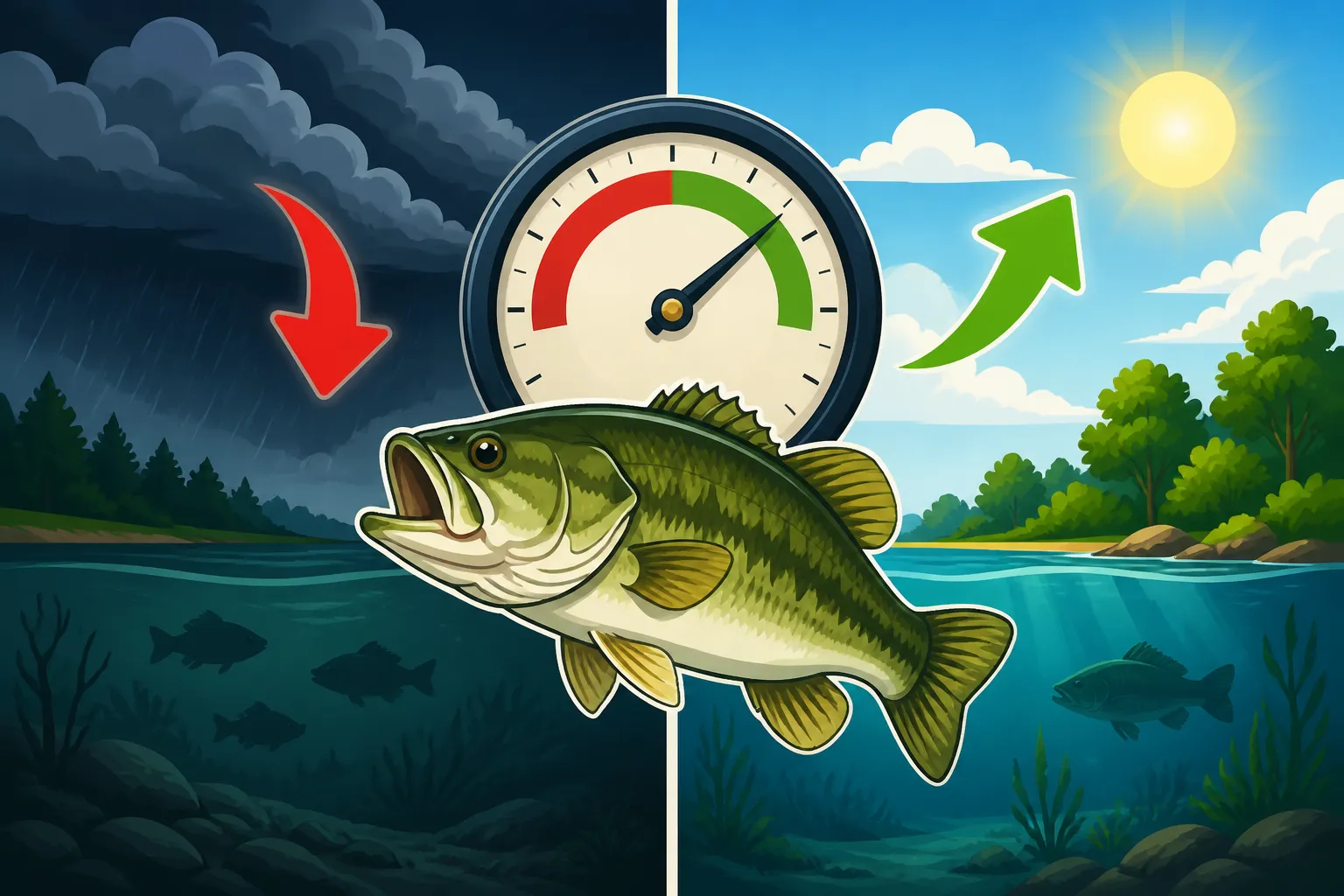
When the barometer is steady or, even better, on the rise, that's often when fish activity ramps up, and bites become more frequent. Stable high pressure typically brings clear skies, light winds, and a general sense of calm. Fish feel more comfortable and active in these conditions. Their swim bladders are in equilibrium, and they're less stressed. This comfort translates directly into increased feeding. You'll often find fish moving into shallower waters, actively hunting for prey, and exhibiting more aggressive strikes.
Rising pressure, especially after a period of low pressure, can be an even stronger trigger. This often signals improving weather conditions, and fish seem to sense this. They'll shake off the discomfort of the previous low-pressure system and begin to feed voraciously, almost making up for lost time. These are the days when you can experiment with faster retrieves, more erratic lures, and targeting actively cruising fish in open water or along prominent structure. It's often during these periods that you can really put some numbers in the boat or bag a trophy fish. You'll find success with a wider range of techniques and baits.
The "Tough" Days: Falling or Low Pressure
Conversely, falling barometric pressure is often associated with challenging fishing conditions. As a low-pressure system approaches, skies might become overcast, winds can pick up, and rain or storms might be on the horizon. This drop in pressure causes fish discomfort, making their swim bladders expand. Their natural instinct is to seek deeper water where the increased hydrostatic pressure can help counteract the expanding gas in their bladders. This often means they become lethargic, less inclined to chase baits, and generally harder to find.
The period just before a major cold front or storm rolls through, when the pressure is rapidly falling, can be particularly tricky. Fish might go into a feeding frenzy for a short burst right as the pressure begins to drop rapidly, but then they usually shut down completely as the front settles in. After the front passes and the pressure has bottomed out, fishing can remain tough for a day or two until the pressure stabilizes or starts to rise again. During these periods, patience becomes your best friend, and you'll need to drastically slow down your presentation and target specific, deep-water holding areas.
Practical Strategies for Fishing Illinois Waters Based on Barometric Pressure
Knowing that fish react to pressure changes is one thing; applying that knowledge to your actual fishing trips in Illinois is another. It means adapting your usual techniques, changing your spots, and sometimes, even deciding whether to go at all. Let's break down how to make these pressure-driven adjustments work for you.
Adjusting Your Approach During Falling Pressure
When the barometer is falling, and you know tough conditions are likely, it’s time to switch gears. Forget aggressive power fishing. Fish are generally lethargic and hunkered down. Your best bet is to target deeper water and present baits slowly and subtly. Think about where fish might retreat for comfort – often deeper channels, submerged timber, rock piles, or dense cover near a drop-off. You might need to drop your bait right on their nose to elicit a strike.
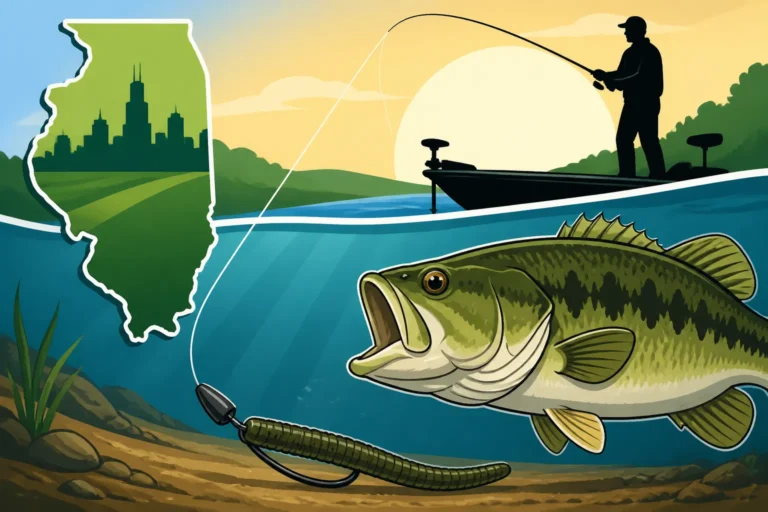
Consider using bottom-hugging presentations like a Texas-rigged worm, a jig-and-pig, or a slow-rolled spinnerbait right on the bottom. Live bait, like minnows or crawlers, presented on a slip-sinker rig can also be incredibly effective, as it offers a natural, easy meal. How to Fish a Texas Rig for Bass is a great resource if you're targeting bass during these periods. Don't be afraid to sit on a spot for a longer time, working it meticulously before moving on. Sometimes, during these low-pressure periods, you'll feel more subtle "thumps" or just added weight rather than aggressive strikes. Having the right sensitive rod can make a huge difference, and you can always check out new models and deals on sites like Amazon.
Maximizing Success During Rising or Stable Pressure
These are the glory days! When the pressure is stable and high, or especially when it's steadily rising after a low, fish tend to be active, hungry, and often willing to chase. This is your chance to cover water and fish more aggressively. Fish will often move shallower, particularly during spring and fall, to feed actively. Look for them on points, humps, weed lines, and shallow flats.
This is the time to throw those reaction baits: crankbaits, spinnerbaits, chatterbaits, and topwater lures. Work them quickly, creating a commotion that draws attention. For species like walleye, aggressive jigging or trolling can be highly effective. Walleye Trolling Techniques provides excellent insights into how to maximize your chances when these fish are on the prowl. If you're targeting panfish, they'll often be schooled up and easier to locate, eager to take a small jig or a piece of worm under a bobber. The key is to capitalize on their comfort and hunger by presenting tempting, easily accessible meals.
Tools and Resources to Track Barometric Pressure
You don't need a fancy lab to keep tabs on the barometer. There are several accessible ways to monitor pressure changes and inform your fishing plans. Many local weather apps on your smartphone will show you the current barometric pressure and sometimes a graph of its recent trend. This trend is crucial – knowing if it's rising, falling, or stable is more important than the exact number.
For more precise readings, you can invest in a dedicated portable barometer or a weather station. Many modern fish finders and marine GPS units also have built-in barometers that can display the pressure trend. Keeping a fishing log, where you note the pressure and fish activity, can help you identify patterns specific to your favorite Illinois fishing spots. You can find a wide range of reliable portable barometers on Amazon, from basic analog models to more advanced digital ones that track trends for you. Remember, knowledge is power, and a simple device can give you a significant edge.
Illinois-Specific Considerations and Species Behavior
Illinois offers a diverse range of fishing environments, from the vast expanse of Lake Michigan to the winding currents of the Mississippi River, and countless inland lakes and ponds. Each of these unique settings can influence how fish react to barometric pressure, as can the specific species you're targeting.
How Different Illinois Fish Species React
While most fish are affected by barometric pressure, their reactions can vary slightly based on their biology and typical habitat.
- Largemouth and Smallmouth Bass: These popular game fish are highly responsive to pressure changes. During falling pressure, bass often retreat to denser cover or deeper submerged structures. They'll still bite, but you'll need to present baits slowly and directly to them. Rising or stable pressure brings them out to feed aggressively in shallower areas, making them prime targets for active presentations like topwater or crankbaits. Illinois Statewide Bass Fishing Limits is a good read to refresh on regulations no matter the pressure.
- Walleye: Walleye are particularly sensitive to light and often prefer deeper, cooler water. Falling pressure can drive them even deeper or make them completely shut down. During stable or rising pressure, they may become more active, especially around dawn and dusk, moving onto shallow reefs and points to feed. Adjusting your lure depth and speed is critical for walleye, as explored in Illinois Walleye Size and Catch Limits.
- Catfish: Channel, blue, and flathead catfish are generally more resilient to pressure changes than some other species, but they are still affected. During low pressure, they might become less active, often holding tight to river bends or deep holes. However, their opportunistic feeding nature means they can sometimes be tempted even when other fish are sluggish, especially with strong-smelling baits. When pressure is stable or rising, they'll often be more active at night or in low-light conditions, cruising flats and channel edges. For more on these resilient fighters, check out Illinois Catfish Daily Limits Explained.
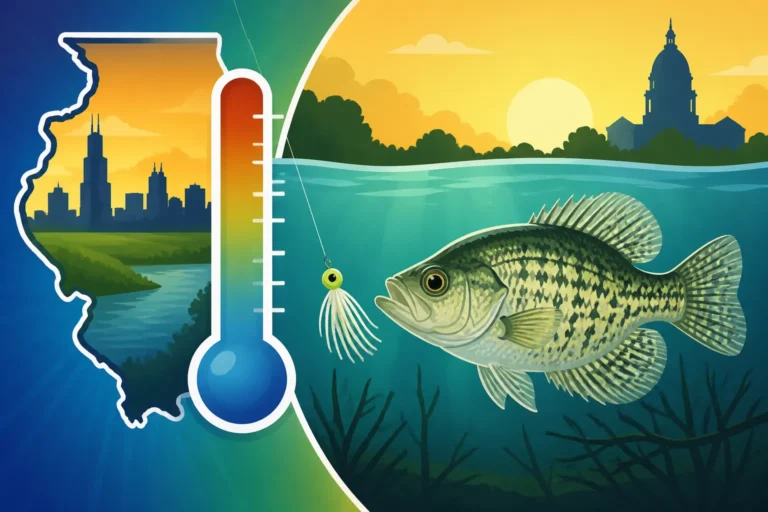
- Crappie and Bluegill: Panfish are also affected. During falling pressure, crappie often suspend in deeper water over brush piles or timber, and bluegill will hold tight to thick cover. They might be harder to locate and require smaller, slower presentations. When pressure stabilizes or rises, they become much more active, schooling up and feeding voraciously, often moving into shallower bays and coves. Crappie Fishing Techniques for Spring can offer tactics for when they are more active.
Local Weather Patterns and Microclimates
Illinois weather is known for its variability. Fast-moving cold fronts, sudden thunderstorms, and prolonged periods of high pressure all impact barometric readings. Understanding these broader weather patterns is crucial. A strong low-pressure system moving across the state, for example, will typically cause a significant drop in pressure, affecting all waters. However, local geography can sometimes create microclimates.
For instance, the vastness of Lake Michigan can sometimes experience slightly different pressure dynamics than a smaller, sheltered inland lake. Similarly, river systems like the Mississippi or Illinois River, with their constant flow and varied depths, might offer fish more options to find comfortable pressure zones compared to a uniform, shallow pond. Always check the specific forecast for your fishing location, not just a general regional forecast. Pay attention to how quickly the pressure is changing, as rapid shifts often have a more pronounced effect on fish behavior than slow, gradual changes.
Here’s a quick overview of how different barometric pressure trends generally affect fishing in Illinois:
| Barometric Pressure Trend | Associated Weather | Fish Behavior (General) | Recommended Fishing Tactics |
|---|---|---|---|
| Rapidly Falling | Approaching storm, rain, wind; pre-front | Often a brief feeding frenzy, then shut-down. Fish go deep, lethargic. | Slow, subtle presentations. Target deep cover, bottom-hugging baits. Live bait is effective. |
| Low & Stable | Overcast, dreary, light rain; post-front | Slow activity, fish are uncomfortable, remain deep or in heavy cover. | Very slow presentations, precise bait placement, heavy scent. Don't expect aggressive bites. |
| Rising | Clearing skies, calm wind; post-front improvement | Fish become more active, start moving shallower to feed. | Moderate to aggressive presentations. Cover water. Reaction baits, some live bait. |
| High & Stable | Clear skies, light wind, sunny; fair weather | Active feeding, fish comfortable. Can be found in various depths. | Aggressive presentations, topwater, crankbaits, jigging. Target structure and open water. |
Disclaimer
This article is for general informational purposes only and does not constitute professional advice. Laws, prices and regulations vary by location and change over time. Consult a qualified professional for guidance on your specific situation.