How to Catch Crappie From the Bank
There’s nothing quite as frustrating as showing up at your favorite Illinois lake, seeing some promising water, and then realizing you’re stuck on the bank while the fish are clearly out in deeper water. It’s a common scenario for many anglers who don't have a boat, but it doesn't mean you can't have a fantastic crappie fishing day. This guide is all about empowering you to find and catch those elusive crappie right from the shore, providing practical tips, gear recommendations, and proven techniques to help you fill your cooler without ever launching a boat.
Understanding Crappie Behavior Near the Bank
Crappie, bless their little cotton mouths, are creatures of habit and comfort. They love structure, cover, and predictable food sources, just like most fish. The trick when you're bank fishing is to understand which structures and covers they relate to that are actually accessible from shore. It’s not always about casting as far as you can; often, it's about looking right under your nose.
Where Crappie Hide in Shallow Waters
Many anglers assume crappie always stick to deep water, but that's simply not true, especially during certain times of the year. Crappie are often found lurking in relatively shallow areas, particularly if there’s good cover. Think about places that offer them protection from predators, shade from the sun, and ambush points for baitfish.
Submerged timber, fallen trees, brush piles, old dock pilings, and even dense weed beds are prime real estate for crappie. They’ll use these spots to hide, ambush unsuspecting minnows, and escape the harsh midday sun. If you’re standing on the bank looking out at open water, you might feel like you're missing out, but chances are, a good crappie honey hole is much closer than you think. Often, these spots are just a few feet from the bank, especially where the bottom drops off slightly, creating a natural edge. Don't be afraid to try pitching a small jig right next to that sunken log or under the edge of that pier. You'd be surprised how many crappie are hiding in plain sight, just waiting for a tasty morsel to swim by.
Seasonal Movements and Bank Access
The time of year dramatically impacts where crappie will be and, consequently, how easy they are to reach from the bank. If you've tried bank fishing for crappie in the dead of summer and found it frustratingly slow, you're not alone – it’s a tough time for shore anglers.
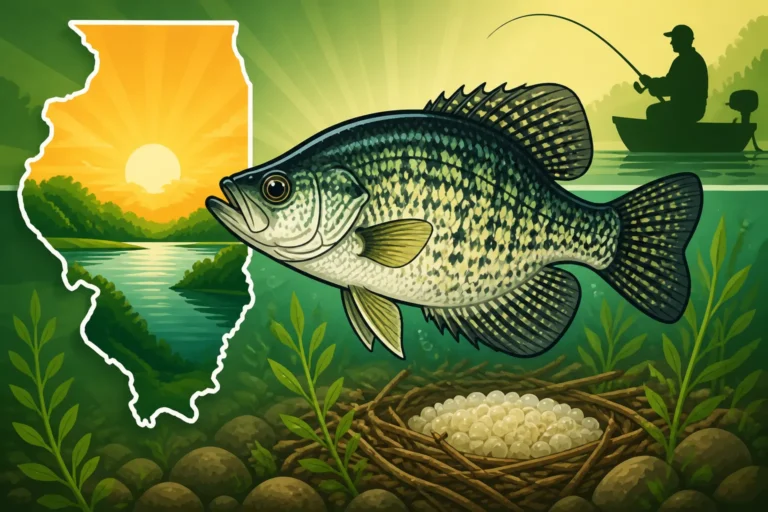
- Spring (The Prime Time): This is absolutely your best bet for bank crappie. As water temperatures rise into the 50s and low 60s, crappie push into extremely shallow water for their annual spawn. They'll be found around brush, cattails, lily pads, and shallow timber, often in water just a few feet deep, making them incredibly accessible from shore. This is when patience and observation, looking for any ripples or movement in the shallow stuff, really pay off. To get a better sense of when this happens in your area, check out an Illinois Crappie Spawn Season Guide.
- Summer (The Challenge): Once the spawn is over and water temperatures really climb, crappie generally retreat to deeper, cooler water. Finding them from the bank becomes a real challenge. They'll often suspend over deeper channels or relate to deep submerged structures that are out of casting range for most shore anglers. You can still catch them in low light conditions (dawn, dusk, or night) when they might move shallower to feed, but it's definitely tougher.
- Fall (A Second Chance): As autumn cools the water, crappie start to move back shallower again, though not usually as shallow as during the spawn. They're often in transition, schooling up and feeding aggressively to fatten up for winter. Look for them around points, channel swings, and deeper brush piles that are still within casting distance. It's not quite as easy as spring, but it offers a fantastic opportunity for bank anglers.
- Winter (The Toughest Season): In the coldest months, crappie are typically in their deepest winter haunts, often schooled up tightly near the bottom in deep holes or channels. Unless you're ice fishing (which is a whole different ballgame), bank fishing for crappie in winter in Illinois is usually a very low-percentage endeavor.
Understanding these seasonal shifts is crucial. Don't beat yourself up if you're not catching them from the bank in July; just shift your expectations and know that spring and fall are your golden windows. For a broader overview of seasonal timing, consult the Spring Fishing Calendar for Illinois Anglers.
Essential Gear for Bank Crappie Anglers
When you're stuck on the bank, your gear choices become even more critical. You need tackle that's sensitive enough to detect those subtle crappie bites, light enough to enjoy the fight, and versatile enough to cast a variety of small baits effectively. Forget the heavy bass rods; we're going light and finesse here.
Rods, Reels, and Line for Bank Fishing
The right rod and reel can make all the difference, especially when you're trying to reach those slightly farther spots or feel the lightest tap from a finicky crappie.
For crappie bank fishing, you'll want to lean towards ultralight or light spinning tackle. A rod between 6 and 7 feet in length is ideal. This length gives you enough leverage for casting those tiny jigs and minnows, while still being maneuverable on crowded banks or around shoreline vegetation. Look for a rod with a fast or extra-fast action tip. This means the top third or quarter of the rod bends easily, which is crucial for feeling light bites and setting the hook on delicate crappie mouths, but the backbone remains stiff enough to control a decent fish. You can find excellent options for Ultralight Tackle for Panfish Fishing that are perfect for crappie.
Pair your rod with a small spinning reel, typically a 1000 or 2000 series. These reels are lightweight, balance well with ultralight rods, and have a smooth drag system, which is vital when you're fighting a feisty crappie on light line. When it comes to line, keep it light: 4 to 6-pound test monofilament or fluorocarbon is perfect. Monofilament is more forgiving with its stretch and easier to handle for beginners, while fluorocarbon offers more sensitivity and less visibility underwater. Braided line can be used, but you'll want a very light test (e.g., 6-10 lb braid with a fluorocarbon leader) and be prepared for potential snags if you're fishing around heavy cover. Many reliable brands are available on Amazon if you're looking to upgrade your setup without breaking the bank.
Must-Have Baits and Lures for Bank Crappie
Crappie aren't super picky, but they do have preferences, and from the bank, you often need to present something small and enticing.
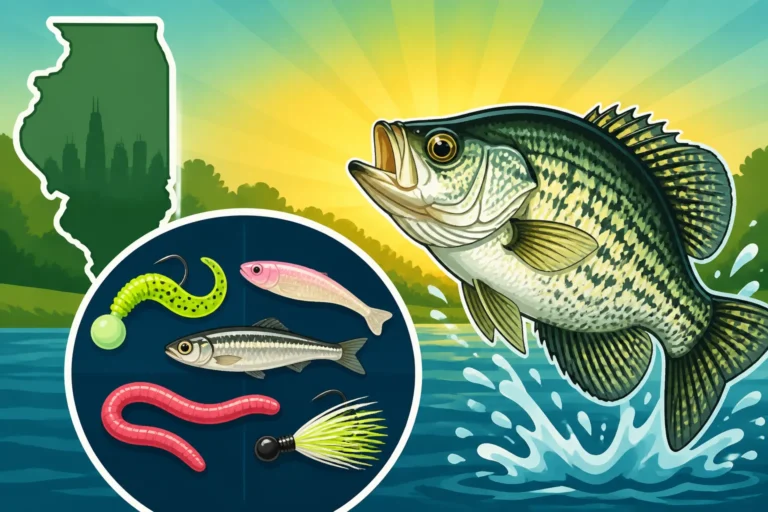
- Jigs: These are the bread and butter of crappie fishing. You'll want an assortment of jig heads, typically ranging from 1/32 to 1/16 ounce. The lighter jigs allow for a slower, more natural fall, which crappie often prefer. Pair these jig heads with soft plastic bodies like tube jigs, grub tails, or small minnow imitations. Colors can vary based on water clarity, but generally, chartreuse, white, black, and various shades of green or blue work well. If the water is stained or murky, brighter colors like chartreuse or orange can really stand out. You might find some excellent specific advice on Best Crappie Jig Colors for Stained Water.
- Live Minnows: There's just something about a lively minnow that crappie can't resist. Small crappie minnows (often called "rosy reds" or just "crappie minnows") are deadly. You can hook them through the lip or just behind the dorsal fin, presenting them under a bobber or on a small jig head. Always have some on hand, especially if the bite is slow.
- Bobbers: While technically not a bait, a bobber is an essential tool for many bank anglers, especially when using live minnows or small jigs. Slip bobbers are incredibly versatile, allowing you to easily adjust your fishing depth without re-tying. They slide down to your bait, then stop at a pre-set bobber stop, which is perfect for fishing various depths from the bank. For shallower water, a fixed spring bobber works just fine.
- Other Options: Don't overlook tiny spinnerbaits designed for panfish or even small spoons if you want to cover water a bit faster. Sometimes, a tiny beetle spin or roadrunner jig can trigger bites when other presentations fail.
Having a good selection of these baits and knowing Best Bait for Crappie Fishing can make your bank fishing trips much more successful.
Proven Bank Fishing Techniques for Crappie
Now that you're geared up, let's talk about how to actually get those crappie to bite. Bank fishing requires a slightly different approach than boat fishing, emphasizing stealth, precision, and understanding how crappie use the immediate shoreline environment.
Sight Fishing and Shallow Water Presentations
During the spring, when crappie are in their shallowest haunts for the spawn, sight fishing can be incredibly effective from the bank. This involves actively looking for the fish or signs of them in clear, shallow water.
To do this effectively, a good pair of polarized sunglasses is a game-changer. They cut the glare off the water, allowing you to peer into the shallows and potentially spot crappie holding near submerged logs, under lily pads, or nestled in brush. A quiet approach is paramount; crappie are easily spooked. Walk softly, avoid sudden movements, and keep a low profile.
Once you spot a crappie or a promising piece of cover, you'll want to make a gentle, accurate cast. Instead of casting directly at the fish or cover, try to cast slightly past it and retrieve your bait into the strike zone. This avoids spooking the fish with a splash right on top of them. For tight spots, pitching or flipping a small jig can be very effective. This involves using a short, pendulum-like swing to drop your bait precisely into small openings in the cover without making a big splash. This is a finesse game, and the more precise and quiet you are, the better your chances. It can be frustrating when you know they are there but spook them with a clumsy cast, so practice makes perfect. For more specialized methods, consider exploring How to Jig for Crappie in Shallow Water.
Using Bobbers and Vertical Jigging from Shore
These are classic and highly effective techniques for bank fishing, especially when crappie aren't actively chasing baits. They allow you to present your bait in a controlled manner at a specific depth.
- Bobber Fishing: This is probably the most common and easiest method for bank anglers. A slip bobber setup is incredibly versatile. You tie a bobber stop (usually a small piece of string or rubber) onto your main line, then thread on a bead, followed by the slip bobber itself. Below that, tie on a small split shot or two to add weight, and then your hook (with a live minnow) or a small jig. The bobber stop allows you to set your fishing depth precisely. Cast your rig out, and the bobber will slide down to the stop, suspending your bait at the desired depth. This is fantastic for fishing around submerged cover where you need to keep your bait from snagging on the bottom. When the bobber goes down, set the hook!
- Vertical Jigging from Shore: While often associated with boat fishing, you can adapt vertical jigging for bank use. This works best when you're fishing near a sharp drop-off or a vertical structure like a dock piling or a bridge abutment that's accessible from shore. Instead of casting, simply lower your small jig or minnow straight down into the water, letting it fall until it reaches the desired depth. Then, impart subtle action by gently raising and lowering your rod tip, making the bait "dance" in place. This can be deadly for crappie suspended around vertical cover. Sometimes, just letting the current do the work with a tightline presentation is all it takes, as you can learn more about in How to Tightline for Crappie.
These methods allow you to keep your bait in the strike zone longer, giving crappie more time to decide if they want a snack. They are also excellent for anglers who are still mastering their casting accuracy. Pay attention to Best Time of Day to Catch Crappie as crappie can be more active in certain conditions.
Fan Casting and Covering Water
While crappie often relate to specific cover, sometimes they're more scattered, especially during the fall feeding frenzies or when patrolling open flats. In these situations, fan casting is your friend.
Fan casting simply means casting your lure or bait to different points in a fan-like pattern, slowly covering a wide arc of water from your position on the bank. Start by casting straight out, then move your casts slightly to the left, then to the right, gradually working your way around until you've covered as much water as possible.
When fan casting, it’s often best to use a lure that you can retrieve relatively slowly and effectively, like a small grub on a jig head or a tiny spinner. Pay attention to where you get bites. If you catch a crappie in a particular area, it's a good idea to focus more casts on that exact spot, as crappie often school together. This technique is particularly useful for locating those roaming schools of fish or when you're trying to find areas where they might be staging before or after the spawn. Don't be afraid to experiment with different retrieve speeds until you find what the crappie prefer on that particular day. Persistence and covering water are key when the fish aren't holding to obvious structure.
Maximizing Your Chances: Tips and Tricks for Bank Anglers
Crappie can be finicky, but a few additional tips can significantly boost your success rate when you're fishing from the bank. It's all about playing the percentages and paying attention to the details.
Reading the Water and Identifying Crappie Hotspots
Not all bank access points are created equal. Learning to "read the water" will help you identify potential crappie hotspots before you even make your first cast, saving you precious time and effort.
Look for areas where the natural contour of the bank or the presence of structure creates an inviting environment for crappie. Key indicators include:
- Points and Drop-offs: Where a point of land extends into the water, it often creates a deeper channel or a current break that crappie will use. Similarly, any noticeable drop-off near the bank is a magnet for fish.
- Submerged Cover: As mentioned earlier, fallen trees, brush piles, old tires, rock piles, or even dense weed lines offer protection and ambush points. Look for anything that breaks up the uniformity of the bottom.
- Shady Areas: Crappie often seek shade, especially on bright, sunny days. This could be the shadow of a bridge, an overhanging tree, or a dock.
- Current Breaks: If you're fishing a river or a lake with noticeable current, crappie will often position themselves just out of the main flow, in areas where the current slows down, allowing them to conserve energy and ambush food.
- Changes in Water Color or Clarity: Sometimes, a subtle change in water color can indicate a drop-off or a different type of bottom, which can attract fish.
By consciously looking for these features, you're not just casting randomly; you're targeting high-probability areas. It helps to study maps beforehand, looking for contours and structures that might extend to the bank. Some of the Best Crappie Fishing Lakes in Illinois will have these features in abundance. Also, keep an eye out for any specific tips on How to Find Crappie Beds in Spring if you're fishing during that critical period.
The Importance of Stealth and Patience
This can't be stressed enough for bank fishing. Unlike boat anglers who often have the luxury of distance, you're right there on the water's edge, and crappie are acutely aware of their surroundings.
- Be Quiet: Avoid stomping around on the bank. Crappie can feel vibrations in the water, and heavy footsteps can send them scattering. Walk softly, keep conversations low, and avoid dropping tackle boxes or other noisy items.
- Stay Low: Especially in clear water or on sunny days, your silhouette against the sky can spook fish. Stay as low to the ground as comfortable, or use natural cover like bushes and trees to break up your outline.
- Make Gentle Casts: A heavy splash from a poorly aimed cast can send crappie running for cover. Aim for soft, controlled casts, especially when fishing near shallow cover.
- Patience is a Virtue: Crappie bites can be incredibly subtle, sometimes feeling like just a slight tick or a feeling of added weight. Don't rush to re-cast if you don't get a bite immediately. Let your bait soak for a bit, try different retrieve speeds, and give the fish time to find your offering. Sometimes, the fish aren't actively feeding but can be coaxed into a bite with persistence. This discipline will definitely lead to more fish.
Remember, the goal is to be as inconspicuous as possible, mimicking a natural part of the environment rather than a towering predator.
Bank Fishing Safely and Ethically
Fishing from the bank is generally very safe, but there are always a few considerations, along with crucial ethical practices to ensure a positive experience for everyone.
- Watch Your Step: Shorelines can be uneven, muddy, or slippery. Be mindful of your footing, especially when carrying gear or if you're fishing at dawn or dusk when visibility is poor. Avoid steep, unstable banks.
- Respect Private Property: Always be aware of property lines. If a section of the bank is clearly marked as private, do not trespass. There are plenty of public access points throughout Illinois, including many state parks and conservation areas.
- Pack It In, Pack It Out: Leave no trace. Take all your trash, including discarded fishing line and bait containers, with you. A clean shoreline benefits everyone and keeps our natural areas beautiful. Many new tackle boxes found on Amazon even have dedicated waste compartments.
- Know the Regulations: Before you head out, always check the current Illinois Fishing Regulations Overview. These regulations cover everything from license requirements and daily catch limits to specific size limits for certain species and water bodies. Ignorance of the law is no excuse, and wardens do patrol popular bank fishing spots.
- Practice Catch and Release (When Appropriate): While it's great to take some crappie home for a meal, consider practicing catch and release, especially for larger fish. This helps sustain healthy populations for future generations of anglers. If you're keeping fish, dispatch them quickly and humanely.
By following these simple guidelines, you not only ensure your own safety and enjoyment but also contribute to a healthy, respectful fishing community in Illinois.
Crappie Bank Fishing Baits & Lures Comparison
Here's a quick look at some common and effective baits and lures for catching crappie from the bank, helping you choose the best option for your current conditions.
| Bait/Lure Type | Description | Pros | Cons | Ideal Conditions |
|---|---|---|---|---|
| Live Minnows | Small baitfish, hooked through lip or back. | Irresistible natural action; often triggers bites when nothing else will. | Requires refrigeration/aeration; can be fragile; may attract other species. | Slow bite; clear water; under a bobber. |
| Tube Jigs | Small, soft plastic tube with tentacles, on a jig head. | Versatile; good action; comes in many colors; durable. | Can get snagged easily in heavy cover; subtle action needed. | All-around; versatile retrieve speeds. |
| Grub Tails | Small, curly-tailed soft plastic, on a jig head. | Simple to use; tail creates enticing vibration on retrieve; inexpensive. | Less natural profile than a minnow; less action when dead-sticked. | Active fish; fan casting; various retrieve speeds. |
| Hair Jigs | Feather or hair tied onto a jig head. | Very natural, subtle action; effective in clear water. | Less durable than plastic; more expensive; harder to find variety. | Finicky fish; clear, cold water; slow retrieve. |
| Small Spinnerbaits | Tiny blade(s) and skirt on a wire frame, often with a jig body. | Creates flash and vibration; good for covering water quickly; weedless. | Can be too aggressive for shy crappie; may spook fish in clear, shallow water. | Actively feeding fish; searching open areas. |
Disclaimer
The information provided in this guide is for general informational purposes only and is not intended as legal advice. Fishing regulations in Illinois can change, and it is the responsibility of each angler to consult the most current Illinois Department of Natural Resources (IDNR) fishing handbook or website before fishing. Always prioritize safety and adhere to all local, state, and federal laws and regulations.