How to Fish a Topwater Lure for Bass
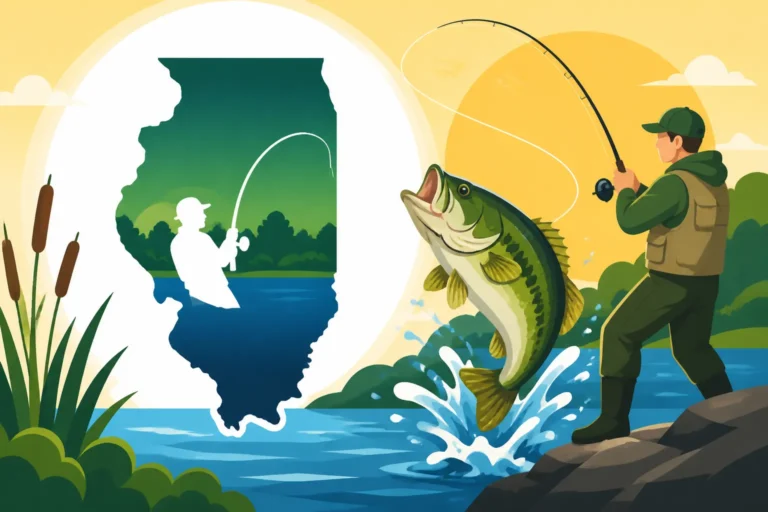
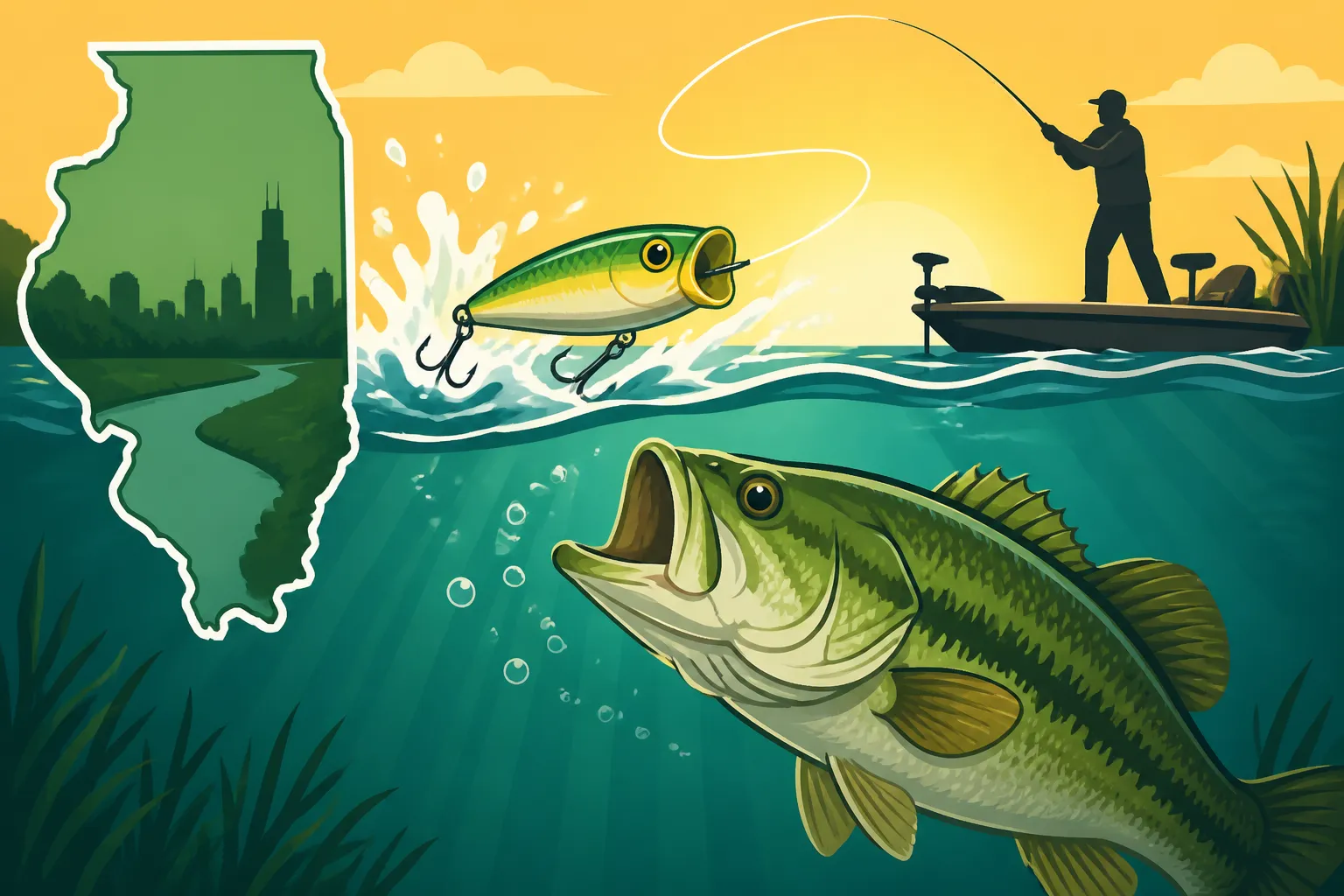
There’s a special kind of heart-stopping thrill that comes with topwater fishing for bass. You cast out, the lure splashes down, and then you see it—a sudden, violent explosion on the water's surface as a big ol' bucketmouth absolutely destroys your bait. It’s not just fishing; it’s an experience, a pure adrenaline rush. But if you're like many anglers, you might find yourself struggling to consistently convert those exhilarating blow-ups into landed fish, or even getting the bass to commit to the surface in the first place. This guide is all about demystifying topwater tactics, helping you understand the lures, master the retrieves, and dial in your approach to make those dramatic surface strikes a regular part of your Illinois bass fishing adventures.
Understanding Topwater Lures and Their Appeal
Topwater fishing isn't just a technique; it's a spectacle. There's something inherently exciting about seeing a fish attack your lure right on the surface. It’s visual, it’s loud, and it often leads to some of the most memorable catches. But what makes these lures so effective, and why do bass choose to feed off the top?
The Magic of Topwater Strikes
The appeal of a topwater strike is undeniable. For starters, it's incredibly dramatic. Unlike a subtle bite felt deep underwater, a topwater take is an explosive, often violent event that you see and hear. That sudden eruption of water can make your heart leap into your throat, and it's a feeling that keeps anglers coming back for more. It’s pure, unadulterated excitement, and it makes every cast an anticipation-filled moment.
Beyond the thrill, topwater lures tap into a bass's predatory instincts in a unique way. They often mimic wounded baitfish, frogs, or other small creatures struggling on the surface. This creates an easy target for an opportunistic bass looking for a quick meal. The silhouette against the sky, the vibrations, and the commotion all combine to trigger an aggressive reaction strike, even from bass that might otherwise be less inclined to chase a submerged bait. It's not just about hunger; it's about territory, aggression, and that irresistible instinct to lash out at something vulnerable above. This is why topwater fishing can be so effective in triggering strikes from otherwise lethargic fish, especially during warmer months.
Common Types of Topwater Lures for Illinois Bass
Illinois has a fantastic variety of bass fishing lakes and rivers, from the sprawling waters of Rend Lake and Lake Shelbyville to the smaller farm ponds and river backwaters. Each type of topwater lure excels in different situations, so having a good understanding of what's available will set you up for success. You can find a huge selection of these lures on platforms like Amazon, making it easy to stock your tackle box.
- Walkers (e.g., Heddon Zara Spook, Lucky Craft Sammy): These lures are characterized by their cigar-like shape and lack of a bill. They don't have any inherent action but are designed to be "walked" across the surface in a mesmerizing side-to-side cadence. Think of them as imitating a baitfish slowly meandering or struggling just below the surface. They are fantastic for covering open water and calling in bass from a distance.
- Poppers (e.g., Rebel Pop-R, Arbogast Hula Popper): Poppers have a cupped face that, when twitched, creates a "pop" or "chug" of water. This action mimics a feeding fish, a frog jumping, or even a mouse falling into the water. The sound and splash are great for attracting attention, especially around docks, lily pads, or submerged timber where bass might be hiding.
- Frogs/Toads (e.g., Booyah Pad Crasher, Spro Bronzeye Frog): These are perhaps the most exciting for fishing heavy cover. Designed to be weedless with upward-pointing double hooks, frog lures can be cast directly onto thick lily pad fields, matted vegetation, or log jams without snagging. Their realistic appearance and ability to glide over obstructions make them deadly in places where other lures would be impossible to fish. The key is often patience and allowing the lure to sit for a moment before twitching it.
- Buzzbaits (e.g., Strike King KVD Pro-Model Buzzbait, Booyah Buzz): A buzzbait features a propeller blade at the front that churns water, creating a distinctive buzzing or gurgling sound as it's retrieved. This disturbance can drive bass absolutely crazy, especially in low-light conditions. They are excellent for covering a lot of water quickly and provoking aggressive strikes.
- Prop Baits (e.g., Devil's Horse, Rapala Skitter Prop): These lures feature one or two small propellers, usually at the front and/or back, that create a subtle commotion and splash with a twitch-and-pause retrieve. They offer a less aggressive presentation than a popper or buzzbait, often mimicking a struggling baitfish with more subtlety. They can be very effective when bass are being finicky or in clearer water.
Choosing the right lure depends heavily on the conditions and the type of cover you're fishing. Experimentation is key, but understanding these basic types will give you a solid foundation for your next outing on the water.
| Lure Type | Best Conditions | Typical Retrieve | Pros | Cons |
|---|---|---|---|---|
| Walkers | Open water, calm, clear, points | "Walk the dog" (side-to-side) | Realistic, calls fish from afar | Takes practice to master |
| Poppers | Around cover, docks, light chop | Pop, chug, pause, twitch | Creates splash and sound, versatile | Can be less weedless than frogs |
| Frogs | Heavy cover (mats, pads, logs) | Twitch, pause, crawl | Nearly 100% weedless, realistic | Hook-up ratio can be tricky |
| Buzzbaits | Low light, shallow, stained water | Steady, fast retrieve | Loud, covers water quickly, aggressive | Less versatile in presentation |
| Prop Baits | Calm, subtle, post-front | Twitch, pause, slow pull | Subtle disturbance, wounded baitfish | Propellers can foul with debris |
Mastering Topwater Retrieve Techniques
Throwing a topwater lure isn't just about casting it out and reeling it in. Each lure type demands a specific retrieve, and even within those techniques, variation is your best friend. The goal is to make your lure look as lifelike and enticing as possible, mimicking a struggling creature or an easy meal.
Walking the Dog with Walkers
This is arguably the most iconic topwater retrieve, and while it looks simple, it takes a bit of practice to perfect. The "walk the dog" retrieve is for lures like the Zara Spook or a Lucky Craft Sammy. The goal is to make the lure sashay back and forth, gliding across the surface like a frantic baitfish.
- Cast it out: Make a long, accurate cast to your target.
- Point your rod tip down: As soon as the lure splashes down, point your rod tip towards the water, slightly to one side of the line.
- Create slack: This is critical. You need a little slack in your line for the lure to pivot correctly.
- Twitch, Reel, Twitch, Reel: With a quick, sharp snap of your wrist (don't move your arm, just your wrist!), twitch the rod tip downwards. As the lure swings to one side, quickly take up the slack with your reel a quarter to a half turn. Then, as the lure is swinging back towards the center, twitch your rod tip again, reeling in more slack.
- Find your rhythm: The key is to get into a consistent rhythm. It's a "twitch-twitch-twitch" motion with the rod, always taking up slack with the reel. The lure should glide left, then right, then left, in a rhythmic dance. Vary your cadence – sometimes faster, sometimes slower, with longer or shorter pauses. This variation often triggers strikes when a monotonous retrieve won't.
- Pause and watch: Sometimes, a subtle pause after a few "walks" is all it takes to get a bass to commit. Many strikes happen when the lure is sitting still after a series of movements. This technique is fantastic for open water over points or flats where bass are actively hunting, as well as along weed lines.
Popping and Chugging with Poppers
Poppers are all about creating a commotion and then letting the lure sit. The cupped face is designed to push water, making a "pop" or "chug" sound.
- Cast and let it rest: After your cast, let the popper sit perfectly still for several seconds. Often, bass will hit it even before you start your retrieve.
- The Pop: Give a short, sharp twitch of your rod tip (again, mostly wrist). This should make the lure pop or chug water forward.
- Pause: Immediately after the pop, let it sit again. The duration of this pause is crucial and should be varied. Sometimes, a quick pop-pop-pause works. Other times, a long, agonizing pause of 5-10 seconds is what they want.
- Vary the force: Don't always make the same loud pop. Sometimes a subtle, softer "gloop" of water is more effective, especially in calm conditions or clearer water. Think about mimicking a small frog or baitfish struggling just barely on the surface.
- Target cover: Poppers excel around any kind of cover: boat docks, fallen trees, brush piles, or the edges of lily pads. The sound helps call bass out of their hiding spots. You might even want to try fishing during Dusk Fishing Techniques for an added advantage.
Frogging in the Slop
Frogging is perhaps the most exciting and nerve-wracking topwater technique because you're fishing where no other lure can go – right in the thickest, nastiest cover.
- Heavy gear is essential: You'll need a stout rod (heavy power, fast action), strong braided line, and a powerful baitcasting reel. The goal isn't just to hook the fish, but to pull it out of the heavy cover.
- Cast onto the mat: Aim your cast directly onto lily pads, matted grass, or thick vegetation. Don't worry about it splashing; the idea is that a frog hopped onto the mat.
- Let it sit: Again, patience is key. Let the frog sit for several seconds, mimicking a real frog resting.
- Twitch and crawl: Give subtle twitches of your rod tip, making the frog wiggle or crawl slowly across the surface of the vegetation. Stop it at openings in the cover, let it sit, then twitch it again.
- The "Blow-Up": When a bass hits, it's often a violent explosion. The critical mistake many anglers make here is setting the hook too early. Resist the urge to yank the rod immediately! Bass often miss the lure on the first attempt, or they "slurp" it down without fully committing.
- "Feel the fish": Instead of swinging, wait until you feel the weight of the fish on your line. You might even see your line start to move under the water. Once you feel that solid pressure, then set the hook with a powerful, sweeping side-set, often multiple times, to drive those weedless hooks home. This might seem counterintuitive, but it dramatically improves your hook-up ratio. This is a vital tip that even experienced anglers forget, especially when the adrenaline is pumping.
Buzzing for Aggressive Bass
Buzzbaits are all about covering water and generating a lot of noise. They are fantastic for Dawn Fishing Techniques or Dusk Fishing Techniques when bass are actively cruising for a meal.
- Cast and retrieve immediately: As soon as the buzzbait hits the water, start reeling to get that propeller spinning and the bait on the surface.
- Steady retrieve: The most common retrieve is a steady, medium-to-fast reel. The goal is to keep the blades churning and the bait gurgling just on top of the water.
- Vary speed: Don't be afraid to change your retrieve speed. Sometimes a super-fast burn triggers a reaction, other times a slower, almost barely-on-the-surface retrieve is what they want.
- Target shallow water: Buzzbaits excel in shallow coves, along weed lines, over submerged stumps, or around flooded timber. They're great for fishing early in the morning or late in the evening when bass are more likely to be actively feeding in these areas. For more insight into How to Find Bass in Summer Heat, consider using buzzbaits in shaded shallow areas during warmer parts of the day.
Optimizing Your Gear and Conditions for Topwater Success
Having the right lure is only part of the equation. To truly excel at topwater fishing, you need to match your gear to the technique and understand the ideal conditions that make bass look up for a meal.
Rod, Reel, and Line for Topwater Fishing
Choosing the right tackle can make a huge difference in your casting accuracy, lure presentation, and hook-up ratio. You can find quality options for all these components on Amazon.
-
Rods:
- Walkers and Poppers: A medium-heavy to heavy power baitcasting rod, typically 6'6" to 7'4" in length, with a moderate-fast action is ideal. The moderate-fast action provides enough tip flexibility for working the lure properly but still has plenty of backbone to drive hooks. Longer rods can help with casting distance, which is often important when fishing open water.
- Frogs: For fishing heavy mats, you'll need a stout, heavy power, fast action baitcasting rod, usually 7' to 7'6" in length. This extra length and power are crucial for making long casts and, more importantly, for ripping big bass out of dense cover.
- Buzzbaits: Similar to walkers, a medium-heavy power, fast action baitcasting rod around 7 feet is a great all-around choice.
Many anglers look for the Best Rods for Illinois Largemouth Bass, and for topwater, it often comes down to balancing sensitivity with raw power.
-
Reels:
- Baitcasting Reels: These are generally preferred for most topwater applications due to their casting accuracy and power. A reel with a gear ratio of 7.1:1 or higher is excellent, as it allows you to quickly take up slack line, which is vital for working lures like walkers and for getting fish out of cover quickly.
- Spinning Reels: While less common for dedicated topwater, a spinning setup can work for smaller poppers or prop baits, especially for beginners. The key is to manage line slack effectively.
-
Line:
- Monofilament (Mono): Mono has stretch and floats, making it a good choice for walkers, poppers, and prop baits where a subtle action and a little give are desired. It also helps the lure stay on top of the water. Typically, 12-17 lb test is sufficient.
- Braided Line: Braid is excellent for frogging and buzzbaits due to its lack of stretch and incredible strength. The lack of stretch helps you set the hook with authority, even on long casts, and it's fantastic for cutting through vegetation. Use 30-65 lb test braid for frogs in heavy cover; for buzzbaits, 30-50 lb is usually fine.
- Leaders: When using braided line, especially with walkers or poppers, some anglers prefer to tie on a short monofilament or fluorocarbon leader (12-17 lb) to make the lure's action more natural in clear water, as braid can be more visible.
Ideal Conditions and When to Throw Topwater
Topwater fishing isn't always effective, but when the conditions are right, it can be absolutely deadly. Understanding the optimal times and places will significantly increase your success rate.
- Time of Day: Topwater lures shine in low-light conditions. This means early morning (dawn until an hour or two after sunrise) and late evening (an hour or two before sunset into dusk). Cloudy days can also extend the topwater bite throughout the day, as the reduced light makes bass feel more comfortable feeding on the surface. On bright, sunny days, bass often move deeper, but you might still tempt them with a frog in heavy shade.
- Water Conditions: Calm or lightly rippled water is generally best. This allows the fish to easily see the silhouette of your lure against the sky and helps your lure's action be more pronounced. Extremely choppy water can make it difficult for bass to track the lure and for you to work it effectively. Clearer water often favors more subtle topwater presentations, while stained or murky water can benefit from louder lures like buzzbaits or poppers that displace more water.
- Water Temperature: Topwater fishing is a warm-water game. Bass become much more active and willing to chase surface baits when the water temperature is consistently above 60°F (around 15-16°C). This usually means late spring, summer, and early fall are prime times. During Spring Bass Fishing Patterns and Fall Bass Fishing Patterns, pay close attention to water temps, as the bite can be phenomenal.
- Seasons:
- Spring (Post-Spawn): After the bass have spawned, they are often hungry and aggressive, making it a fantastic time for topwater. They're recovering and looking for easy meals.
- Summer: This is peak topwater season. Bass are active, and low-light bites can be incredible. Frogs over mats are a summer staple.
- Fall: As water temperatures begin to cool but remain above 60°F, bass are feeding heavily to prepare for winter. This can provide some of the best topwater action of the year, especially with walkers and prop baits.
- Specific Illinois Scenarios: Whether you're targeting Best Bass Fishing Lakes in Illinois like Lake Shelbyville or Rend Lake, or smaller local ponds, look for key features. Early morning at Lake Shelbyville, casting a buzzbait along shallow points or over submerged grass beds can be incredibly productive. At Rend Lake, once the lily pads bloom in summer, throwing a frog deep into the thickest cover can be lights out. Don't forget the Mississippi River backwaters for fantastic frog and popper action around flooded timber.
Avoiding Common Topwater Mistakes
Even with the right gear and conditions, there are common pitfalls that can frustrate topwater anglers. Learning to avoid these will significantly improve your catch rate.
- Setting the Hook Too Early ("Swinging at a Splash"): This is, by far, the most common mistake. Your adrenaline spikes, you see the explosion, and you react instantly. However, bass often miss the lure, or they "slurp" it without getting the hooks fully in their mouth. As discussed with frogging, wait until you feel the fish or see your line move away before setting the hook with a strong, sweeping motion. Count "one Mississippi" if you need to; it's harder than it sounds!
- Not Varying Retrieve Speed and Pauses: A monotonous retrieve is often less effective. Bass are intelligent predators and can get bored or spooked by repetitive action. Experiment with faster retrieves, slower retrieves, longer pauses, shorter pauses, and different types of twitches. A sudden change in cadence often triggers a strike. This is true for all lures, but especially critical for topwater.
- Using Too Light of Gear in Heavy Cover: Trying to pull a 4-pound bass out of a thick mat of lily pads with a medium-action rod and 12 lb mono is a recipe for heartbreak. Your line will break, your rod will overload, or the hooks won't penetrate. Match your tackle to the cover you're fishing. For heavy vegetation, go stout – heavy rod, heavy braid.
- Fishing It in the Wrong Conditions: While topwater can occasionally draw a strike in less-than-ideal conditions, forcing the issue when bass are clearly not feeding on the surface can be a waste of time. If it's a bright, high-sun, calm day and bass are clearly holding deep (which you might confirm with a fish finder), you might be better off switching to a How to Rig a Jig for Bass Fishing or a deep-diving crankbait. Trust the conditions, and save your topwater for when it truly shines.
- Not Trusting the Lure: Sometimes, anglers lose faith after a few casts without a strike. Topwater fishing requires confidence and patience. Keep working the lure, keep varying your retrieve, and be ready for that explosive strike at any moment. The next cast could be the one that produces the fish of a lifetime.
Topwater fishing offers some of the most exciting moments you can have on the water. By understanding the different lure types, practicing your retrieve techniques, and optimizing your gear and conditions, you'll be well on your way to enjoying those heart-stopping strikes and landing more Illinois bass. And remember, always check your Illinois Fishing Regulations Overview before heading out to ensure you're compliant with all local rules.
Disclaimer
The information provided in this guide is for general informational purposes only. Fishing regulations, license requirements, and best practices can change. Always consult the official Illinois Department of Natural Resources (IDNR) website or their current fishing guide for the most up-to-date and accurate information before planning your fishing trip. Ensure you have the proper licenses, such as an Illinois Fishing License Guide for 2026, and adhere to all local, state, and federal laws. Fishing inherently carries risks; always prioritize safety on the water.