Spring Fishing Calendar for Illinois Anglers
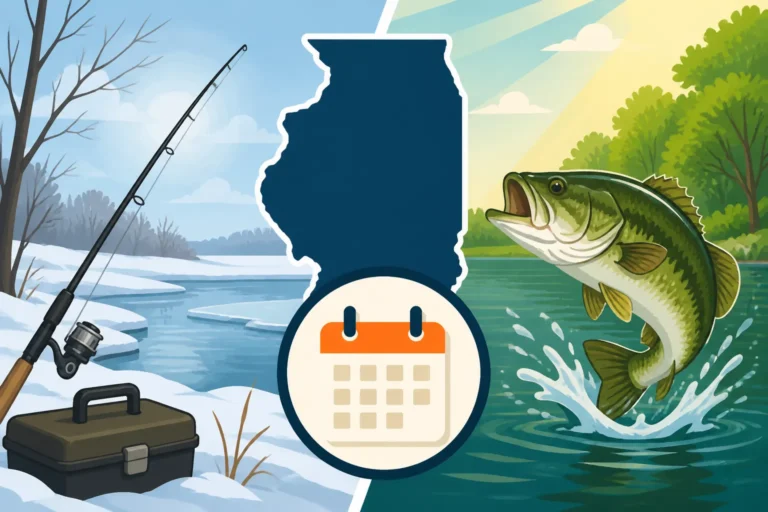
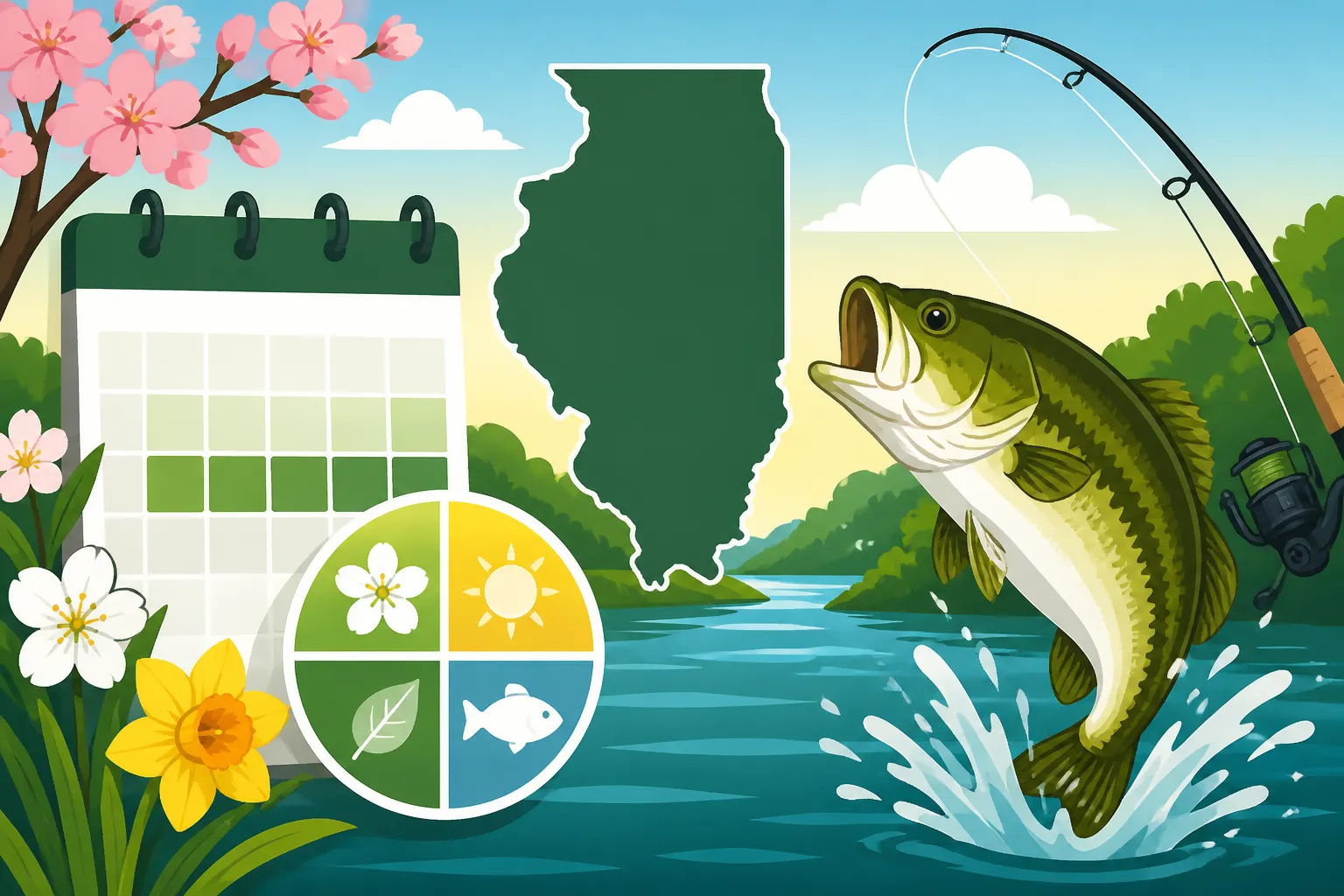
The arrival of spring in Illinois can be a real head-scratcher for anglers. One day it's sunny and mild, making you think the fish are on fire, and the next you're bundled up in a snow jacket, wondering if winter ever truly left. This unpredictable weather often leaves us confused about when and where to find our favorite species, leading to frustrating days on the water. This comprehensive guide aims to clear up the confusion, providing a detailed spring fishing calendar to help you navigate the season, understand fish behavior, and hit the water with confidence.
Understanding Illinois Spring Transitions for Anglers
Spring in Illinois is a season of profound change, often feeling like a rapid-fire progression through all four seasons in a single month. This erratic behavior, from sudden cold snaps to unexpected warm fronts, directly impacts water temperatures, water levels, and, most importantly, fish metabolism and movement. It's a time of transition, and successful anglers are those who can read the subtle cues of nature and adapt their strategies accordingly. Missing these cues means missing out on some of the most dynamic fishing opportunities of the year.
Early Spring Challenges and Opportunities (March)
March in Illinois is a bit of a gamble. While the calendar says spring, the weather often has other ideas. Air temperatures can fluctuate wildly, but beneath the surface, the water is slowly, steadily warming. This is the pre-spawn period for many species, a time when fish are beginning to shake off their winter lethargy and actively feed in preparation for spawning. They’re looking for those slightly warmer pockets of water, often shallower bays or north-facing banks that catch the most sun.
For anglers, this means focusing on areas that warm up first. Think shallow, dark-bottomed coves or creek arms where the sun can penetrate and raise the water temperature a few crucial degrees. Bass, crappie, and walleye will often stage in these areas before moving to their shallower spawning grounds. Using slower presentations and lures that mimic lethargic baitfish can be very effective, as the fish are still not fully active. This is also when you'll want to ensure your Illinois Fishing License Guide for 2026 is up to date, as the new license year usually begins on March 1st.
Mid-Spring Opportunities (April)
April is when spring truly asserts itself across much of Illinois. The days are noticeably longer, and average air temperatures climb, leading to more consistent water warming. This consistency is key; it triggers the most active pre-spawn and early spawn phases for a multitude of species. You'll start to see more surface activity, and baitfish will become more prevalent, drawing larger predators out of their deeper winter haunts.
This month is often prime time for crappie, as they move into extremely shallow water to build nests and spawn. Similarly, many bass will be in their pre-spawn patterns, aggressively feeding before they commit to bedding. Walleye and sauger will also be making their spawning runs in rivers like the Mississippi and Illinois. Anglers should pay close attention to water clarity and temperature, as these factors dictate where fish will hold. Lures with a bit more flash and movement, or live bait presented strategically, can really shine this month. It’s also a good time to check out our guide on Illinois Bass Pre-Spawn Fishing Patterns to maximize your chances.
Late Spring Peak (May)
By May, Illinois is in full-blown spring glory, often feeling more like early summer. Water temperatures across lakes and rivers reach optimal levels for the full-swing spawn of many species and the post-spawn recovery and feeding frenzy for others. The vegetation in lakes and ponds will be growing rapidly, providing excellent cover and ambush points for predatory fish. This is arguably one of the best months for consistent action.
Largemouth bass will be actively spawning or transitioning to post-spawn, often feeding aggressively to recover energy. Panfish like bluegill and redear sunfish will start their prolonged spawning periods, offering fantastic opportunities for anglers of all ages. Catfish, too, become much more active as the water warms, moving into shallower feeding areas. May is a time for variety, with many species biting across different depths and structures. This is when checking specific guides like Illinois Crappie Spawn Season Guide or Illinois Walleye Fishing Season on the Mississippi River can provide invaluable, localized insights.
Key Fish Species and Their Spring Behavior
Understanding what specific species are doing throughout the spring is critical to planning your trips. Each fish has its own biological clock, and while water temperature is the primary trigger, other factors like photoperiod (daylight hours) and available forage also play significant roles.
Largemouth and Smallmouth Bass Patterns
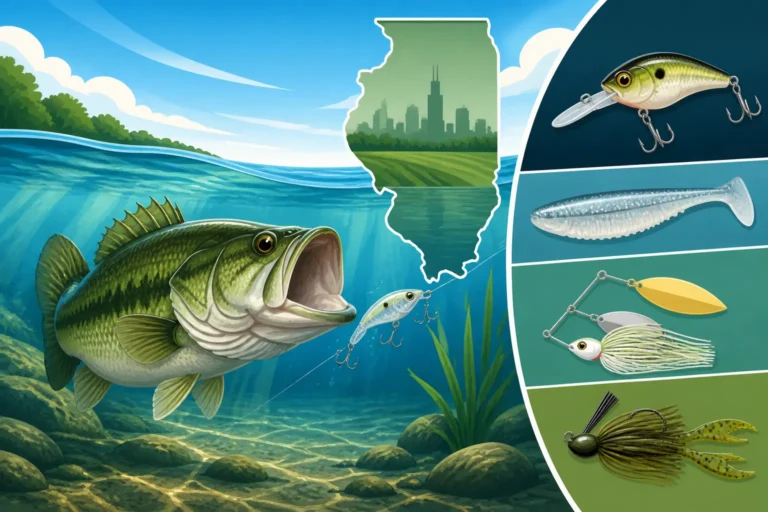
For both largemouth and smallmouth bass, spring is largely about the spawn. In March, bass are typically in deeper water, often holding on channel swings, humps, or main lake points, waiting for water temperatures to creep into the upper 40s to low 50s. They'll make brief forays into sunny, shallow coves to feed, but will quickly retreat if a cold front pushes through. Slow-moving baits like jerkbaits, jigs, and lipless crankbaits can be deadly during this pre-spawn staging phase. You can often find a good selection of these on Amazon, ready for your next outing.
By April, as water temperatures climb into the mid-50s and 60s, bass move definitively into the shallows. This is the pre-spawn period where they feed heavily, building energy for the spawn. They'll cruise shallow flats, near submerged timber, or rocky shorelines. May, with water temperatures in the mid-60s to low 70s, sees the peak of the spawn. Largemouth will build beds in protected bays and coves, while smallmouth will seek out rocky bottoms in clearer waters. Post-spawn bass can be found somewhat deeper, recuperating and feeding on easy prey, often moving to deeper weed lines or points. For more detailed information, exploring specific techniques like How to Rig a Texas Rig for Bass can greatly improve your success.
Crappie Spawning Cycles
Crappie are synonymous with spring fishing in Illinois, and for good reason! Their spawn is highly anticipated and offers some of the best angling opportunities. In March, crappie are usually staging in slightly deeper water, often around submerged brush piles, timber, or bridge pilings in 8-15 feet of water, waiting for the shallows to warm. They'll respond well to small jigs tipped with minnows or soft plastics presented slowly.
April is when the crappie action really heats up. As water temperatures hit the mid-50s to low 60s, these prolific panfish flood into incredibly shallow water, often just a few feet deep, to spawn. They'll seek out brush, reeds, lily pad stems, or even submerged grass to lay their eggs. This is prime time for vertical jigging with tiny jigs, tightlining, or even using a bobber and minnow setup. Many anglers find immense success by casting to visible cover. May can still offer excellent crappie fishing, especially in northern Illinois where the spawn might be a bit later, or for those post-spawn fish that are now recovering and aggressively feeding in slightly deeper but still accessible cover. Understanding the Best Time of Day to Catch Crappie can be a real game-changer.
Walleye and Sauger Runs
Walleye and sauger are cold-water species, and spring sees them making significant spawning migrations, particularly in Illinois’s larger river systems like the Mississippi and Illinois Rivers. In March, as ice thaws and water temperatures climb into the low 40s, these fish begin their upstream runs to traditional spawning grounds—often rocky areas, riffles, and dams. Vertical jigging with lead head jigs tipped with minnows or soft plastics is a classic and highly effective technique.
April is often the peak of the walleye and sauger spawn. The fish are concentrated, making them a prime target for diligent anglers. After spawning, they’ll slowly disperse downstream, moving into current breaks, wing dams, and riprap areas where they can ambush baitfish. Trolling with crankbaits or three-way rigs can be very productive as they spread out. By May, most of the major spawning activity has concluded, and walleye and sauger move into more summer-like patterns, often relating to deeper structure, current seams, or larger rock piles. Remember to check local regulations as specific limits like Illinois Walleye Size and Catch Limits can vary by water body.
Catfish Awakening
Catfish, while often considered a summer fish, become increasingly active throughout the Illinois spring as water temperatures rise. In March, channel catfish are still relatively sluggish, often found in deeper holes or slow-moving current breaks, but they will feed on opportune meals. Live bait presented on the bottom is often the most effective.
April sees a significant increase in catfish activity. As water temperatures move into the 50s and 60s, channel catfish begin to move into shallower feeding areas, such as flats adjacent to deeper channels, current breaks, and areas with woody debris. They’re looking for easy meals, and cut bait, stink bait, or even worms can be very effective. Flathead catfish, which prefer live bait, also become more active. By May, with water temperatures consistently in the high 60s to low 70s, all three major species—channel, blue, and flathead catfish—are in full feeding mode. They’ll be found in a variety of habitats, from shallow mud flats to rocky river channels. Understanding Illinois Channel Catfish Daily Limit Explained is crucial for these productive outings.
| Species | March (Early Spring) | April (Mid-Spring) | May (Late Spring) |
|---|---|---|---|
| Largemouth Bass | Deeper staging, slow feeding, pre-spawn | Pre-spawn feeding, moving to shallows | Spawning peak, post-spawn recovery |
| Smallmouth Bass | Deeper rock, pre-spawn staging | Pre-spawn feeding, moving to rocky shallows | Spawning, post-spawn aggression |
| Crappie | Deeper cover, staging for spawn | Shallow spawn, active feeding | Post-spawn, active in slightly deeper cover |
| Walleye/Sauger | Spawning runs in rivers, vertical jigging | Peak spawn, post-spawn dispersion | Dispersed, relating to deeper structure |
| Channel Catfish | Deep holes, opportunistic feeding | Increased activity, moving to shallower flats | Full feeding mode, wide range of habitats |
| Bluegill/Sunfish | Deep cover, slow activity | Moving to mid-depths, pre-spawn | Spawning peak, aggressive shallow feeding |
Essential Spring Fishing Techniques and Gear
Spring fishing often demands a versatile approach. The rapidly changing conditions mean you need to be prepared to switch tactics and adapt your gear. What works one day might be completely ineffective the next, emphasizing the importance of a well-stocked tackle box and an open mind.
Lure and Bait Selection by Month
Your choice of lure or bait is paramount in spring. In March, when water is cold, fish are sluggish. Slow-moving baits that stay in the strike zone longer are key. Think jigs tipped with plastics or minnows, blade baits, or suspending jerkbaits. Colors that offer good contrast in stained water (chartreuse, orange) or natural hues in clear water (greens, browns) are often effective. For example, some excellent jigs and jerkbaits can be found on Amazon, ready for immediate shipping.
As April arrives and water temperatures rise, fish become more active, and their metabolism increases. This is when moving baits become more effective. Crankbaits, spinnerbaits, chatterbaits, and swim jigs are excellent choices for bass. For crappie, small soft plastic jigs in brighter colors or live minnows under a bobber can be unbeatable. Walleye anglers will still rely on jigs but may start incorporating trolling with crankbaits or live bait rigs.
By May, with fish often in full spawn or post-spawn recovery, a wide array of baits can work. Topwater lures can even start to produce in warmer, calmer conditions for bass. Soft plastics like wacky worms, creature baits, and flukes are great for targeting bedding bass. Panfish will hit tiny jigs, worms, or crickets with gusto. Catfish will eagerly take cut bait, stink bait, or live bluegill. Having a varied selection, like those you can easily purchase from Amazon, is crucial.
Adapting to Water Temperature
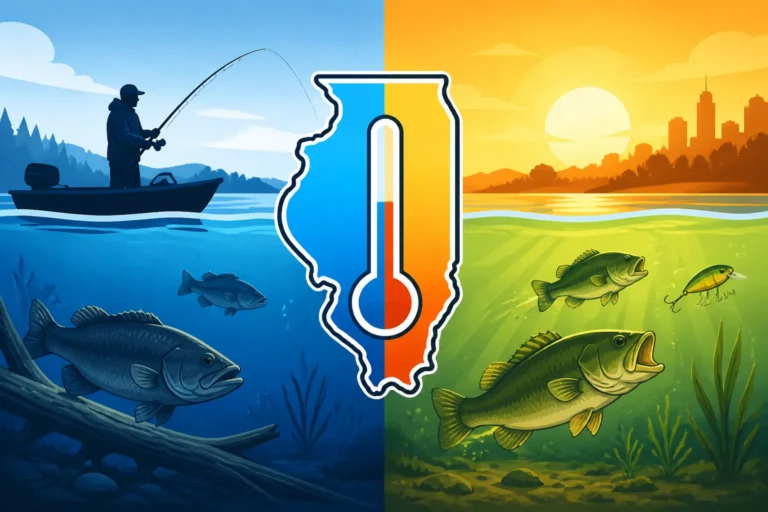
Water temperature is the ultimate controller of fish activity in spring. Early spring fishing, when water is in the 40s, demands slow presentations and patience. Fish are cold-blooded, and their metabolism is low, so they won't chase a fast-moving lure. Focus on deep edges, transition zones, and areas that receive direct sunlight. Understanding the relationship between Water Temperature and Fish Activity Guide is crucial.
As temperatures climb into the 50s and 60s, fish become more active and willing to chase. This is when you can speed up your retrieve and cover more water. Fish will move shallower and become more aggressive. Once temperatures hit the high 60s and 70s in late spring, fish are in their full summer patterns of activity. They'll be feeding aggressively, and you can experiment with faster retrieves and more varied lure types, including topwater. Always carry a thermometer to check the water temperature at different locations on the lake or river; even a few degrees can make a significant difference.
Bank vs. Boat Fishing Strategies
Spring offers fantastic opportunities for both bank and boat anglers, but each requires a slightly different approach. For bank anglers, focusing on accessible shallow areas that warm up quickly is key. Think public piers, shorelines near riprap, or accessible creek mouths. These areas often hold pre-spawn and spawning crappie, bluegill, and even bass. Simple setups like a bobber and worm, or casting small jigs and spinnerbaits, can be incredibly effective. Consider looking at some compact bank fishing kits on Amazon for convenience.
Boat anglers have the advantage of mobility, allowing them to follow fish movements more effectively. In early spring, this means being able to access deeper staging areas and quickly move to shallow, sun-warmed pockets. As fish move shallower, a boat allows you to quietly approach spawning flats and cover larger areas. Later in spring, boaters can also access deeper offshore structures that hold post-spawn fish. Kayak fishing is also a growing trend, offering stealth and access to smaller, more remote waters. Whether you're in a boat or on the bank, having a solid Tackle Box Setup for Illinois Species that caters to spring targets is indispensable.
Navigating Spring Regulations and Important Dates
Beyond understanding fish behavior, a successful spring fishing season in Illinois also means being aware of the rules and key dates. Regulations can change, and knowing these details ensures a legal and enjoyable outing.
Illinois License Year Start
A critical date for all Illinois anglers to remember is March 1st. This marks the start of the new fishing license year. Even if you fished throughout the previous year, your license will need to be renewed by this date to continue fishing legally. It's a common oversight that can lead to an unexpected citation. You can purchase your license online through the Illinois Department of Natural Resources (IDNR) website, or visit a local sporting goods store. Renewing an Illinois Fishing License Online is often the quickest and easiest way to ensure you're compliant.
For residents and non-residents alike, having a valid license is non-negotiable. There are various types of licenses available, from annual to 24-hour options, so you can choose what best suits your fishing frequency. Double-checking your license status before your first spring trip is a simple step that saves a lot of hassle.
Illinois Free Fishing Days in Spring
While the primary Illinois Free Fishing Days usually occur in June, coinciding with Father's Day weekend, it's always wise to check the IDNR calendar annually. These special days allow residents and non-residents to fish Illinois waters without needing a fishing license or an inland trout stamp. This is an incredible opportunity, especially for families or those new to fishing, to experience the sport without the initial investment in a license.
If the free fishing days do fall within your spring schedule, it's a perfect chance to take a friend or family member who doesn't typically fish. Many state parks and local organizations host events during these days, offering beginner-friendly activities and resources. Even without a specific spring "free fishing" weekend, remember that children often have different license requirements, as detailed in the Illinois Fishing License Rules for Kids and Seniors. Always confirm the specific dates and any associated rules directly with the IDNR to avoid any misunderstandings.
Disclaimer
Please remember that fishing conditions, regulations, and fish behavior can vary widely based on specific locations, weather patterns, and ongoing ecological factors. Always consult the latest Illinois Department of Natural Resources (IDNR) fishing regulations guide before heading out on the water. This article provides general information and should not be considered a substitute for official legal guidance.