Illinois Bass Pre-Spawn Timing at Carlyle Lake
It’s a feeling every bass angler knows: that gnawing frustration when you hear reports of big bass being caught, only to realize you’ve completely missed the prime bite window. Nowhere is this more true than during the pre-spawn period, especially on a lake as dynamic and sometimes challenging as Carlyle Lake. This guide is here to help you crack the code, understand the subtle signs, and pinpoint the optimal timing for chasing those aggressive pre-spawn largemouth bass at Carlyle, ensuring you’re on the water when the action truly heats up.
Understanding the Pre-Spawn Period for Illinois Bass
The pre-spawn period is arguably the most anticipated and rewarding time for bass anglers in Illinois. It's that magical window between the dead of winter and the chaos of the actual spawning season when largemouth bass, driven by ancient instincts, shift their focus to one thing: eating. A lot.
What Exactly is Pre-Spawn?
Think of the pre-spawn as the bass equivalent of loading up on groceries before a big party. After months of sluggish activity in cold water, often tucked away in deeper haunts, bass begin to sense the change of seasons. The days get longer, the sun climbs higher, and most importantly, the water temperature slowly but steadily begins its climb. This rise in temperature acts as a biological alarm clock, signaling to the bass that it's time to move towards shallower waters where they’ll eventually create their beds and reproduce. But before they dedicate all their energy to spawning, they need to bulk up. They’ve depleted much of their fat reserves over winter, and the rigors of spawning will demand even more.
During this phase, their metabolism kicks into high gear, and they become incredibly aggressive feeders. They’re not just nibbling; they’re actively hunting and crushing baits. This intense feeding behavior is what makes the pre-spawn so exciting for anglers. They’re predictable in their general movement patterns – always heading towards those future spawning grounds – but they’re also opportunistic and ravenous. If you can intercept them on their journey and present the right offering, you’re in for some unforgettable fishing.
Why Pre-Spawn is a Prime Fishing Window
Many seasoned anglers will tell you that the pre-spawn offers the best chance of catching both a high quantity of bass and, more importantly, some of the biggest bass of the year. Here's why:
Firstly, the fish are concentrated. Instead of being scattered across vast expanses of water, they start to congregate in transition areas – bottlenecks, points, and humps leading into bays and coves that will soon become spawning flats. Finding these staging areas can lead to multiple hook-ups in a single spot. It’s not uncommon to pull several quality fish from a single brush pile or rock pile during this time.
Secondly, their aggressive nature. Because they’re "carbing up" for the spawn, bass are less finicky and more willing to chase down a meal. This often translates to stronger bites and more decisive strikes. You're less likely to feel those subtle "tick" bites and more likely to experience a rod-jerking thud. Compared to the post-spawn period, when fish are exhausted and often lethargic, the pre-spawn offers a high-energy challenge that many anglers crave. For those looking to land a true trophy largemouth in Illinois, this is undoubtedly one of your absolute best windows. If you’re interested in general insights into this period, our guide on Illinois Bass Pre-Spawn Fishing Patterns dives even deeper into these behaviors across the state.
Pinpointing Pre-Spawn Timing at Carlyle Lake
Carlyle Lake, being Illinois's largest man-made lake, presents a unique set of challenges and opportunities for pre-spawn bass fishing. Its vastness, shallow nature, and susceptibility to wind mean that timing is everything, and conditions can change rapidly.
Water Temperature: The Ultimate Trigger
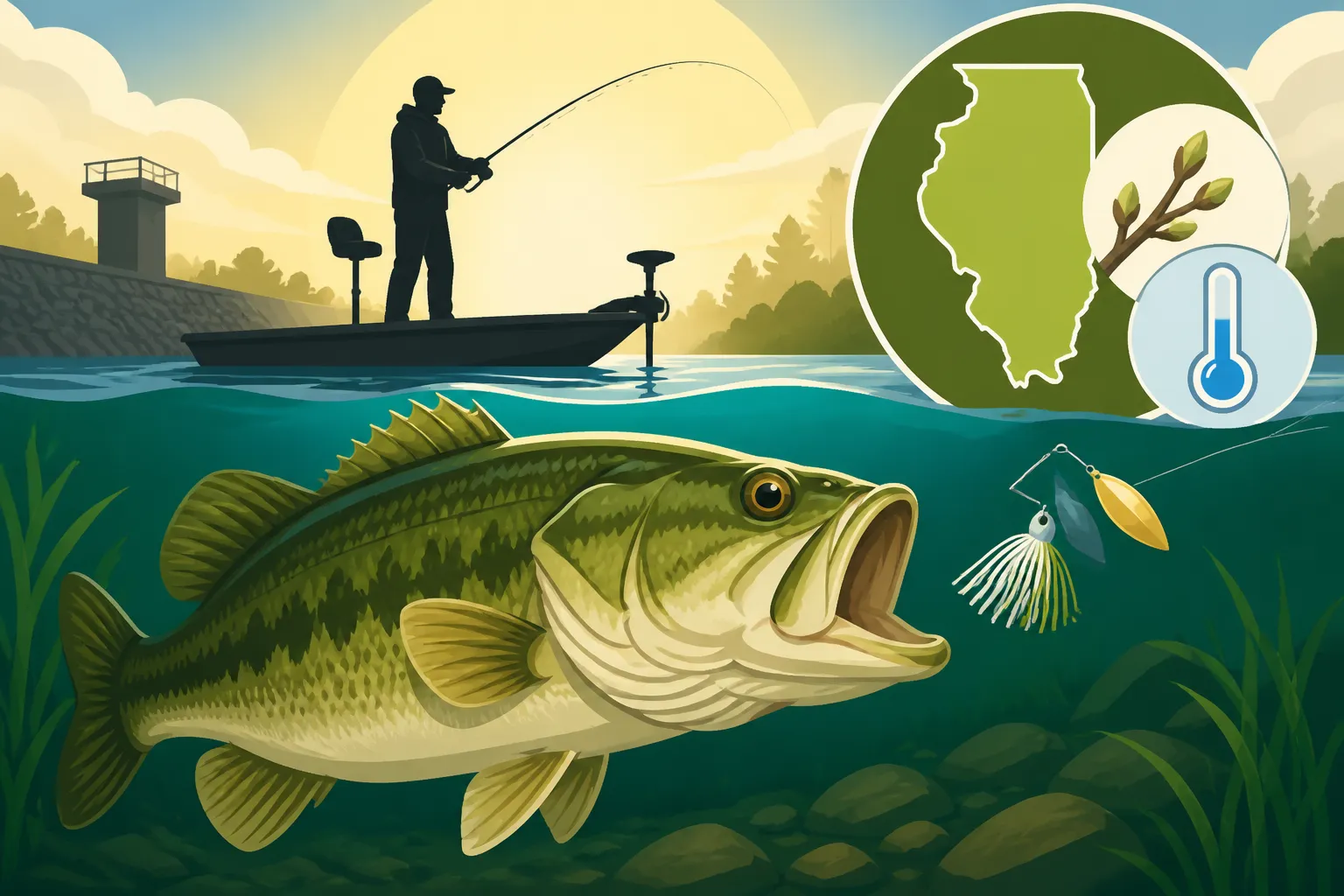
While the calendar might say spring, the true arbiter of pre-spawn bass activity is water temperature. For largemouth bass, the pre-spawn phase typically begins when water temperatures climb consistently into the upper 40s (around 48°F) and extends until they hit the mid to upper 50s (around 58-62°F), at which point the fish begin to actively spawn.
At Carlyle Lake, this window often translates to late March through mid-April, but it's crucial to remember that every year is different. A prolonged cold snap can push it back, while an early warm front can accelerate it. You absolutely need to be monitoring water temperatures. A simple boat-mounted thermometer or even a portable digital thermometer you can drop in the water is invaluable. Additionally, many local bait shops and online fishing forums will share current water temperature readings, which can be incredibly helpful for trip planning. Consistent sunny days, especially those with minimal wind, will heat up the shallower northern coves and flats of Carlyle Lake much faster than the deeper main lake body. Understanding the overall Illinois Fishing Seasons Guide can give you a broader context, but specific water temps are king for pre-spawn.
Seasonal Cues and Local Factors at Carlyle Lake
Beyond water temperature, other seasonal cues can help you gauge the pre-spawn progression. When you start seeing green buds on the trees, daffodils blooming, and migratory birds returning in full force, it’s a good indication that spring is truly in the air, and the fish are responding. Longer daylight hours also play a role, signaling biological changes in the bass.
Carlyle Lake's unique characteristics demand attention. It's a relatively shallow, expansive impoundment known for its wide-open stretches and susceptibility to heavy winds. This means that certain parts of the lake will warm up faster than others. The northern end, with its numerous shallow coves and protected bays, will often be the first to show signs of warming water, drawing in those early pre-spawn bass. Conversely, the deeper, more exposed main lake areas will lag. Keep an eye on weather patterns; a few consecutive days of warm sunshine and light winds can quickly elevate water temperatures in these key shallow areas, kickstarting the bite.
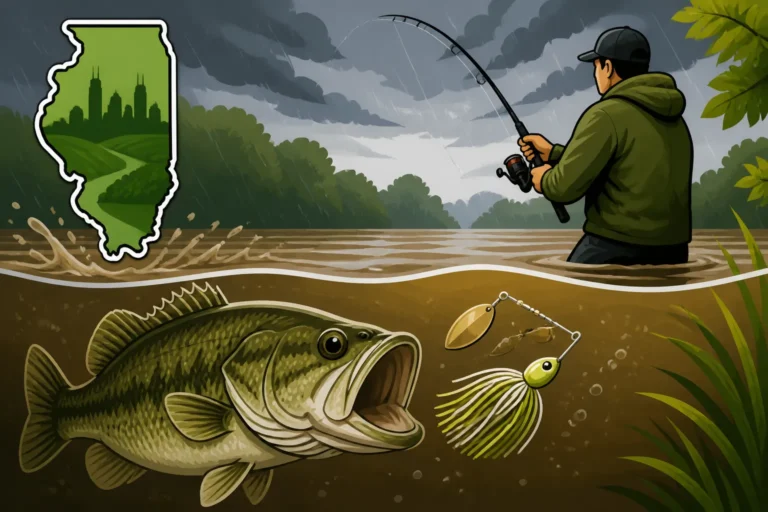
Another important local factor is rainfall. Heavy spring rains can dramatically muddy the water, especially in the upper reaches of the Kaskaskia River arm feeding Carlyle. While bass can tolerate some stain, extreme mud can slow them down and make them harder to locate. Adjusting your lure choices to brighter colors or those with more vibration becomes critical in such conditions. For a more general overview of this specific body of water, our detailed Carlyle Lake Fishing Guide offers a wealth of information about its layout and species.
Effective Strategies for Pre-Spawn Bass at Carlyle Lake
Now that you have a handle on when to fish, let's talk about how to fish for those hungry pre-spawn bass at Carlyle Lake. This period is all about covering water and strategically targeting key areas where bass are likely to be staging before moving onto their beds.
Locating Pre-Spawn Bass
Pre-spawn bass at Carlyle Lake, much like elsewhere, are creatures of transition. They aren't yet committed to the shallow spawning flats, but they've left their deep winter haunts. They'll be found in those in-between areas that offer easy access to both deep water (for security and warmth stability) and shallow water (where they'll eventually spawn and can feed).
Look for several key topographical features:
- Main Lake Points: Especially those that extend into the main lake or lead into large bays. Bass will use these as highways.
- Humps and Submerged Islands: These elevated structures offer excellent ambush points and staging areas.
- Channel Swings: Where the old river or creek channel makes a sharp bend near a spawning flat, creating a sudden depth change.
- Secondary Points: Points within larger coves or bays are crucial staging spots before moving onto the innermost flats.
Regarding cover, Carlyle Lake has a good amount of standing timber, especially in the larger coves and arms like those near the Allen Branch or Peppenhorst Branch areas. These timber lines, submerged brush piles, and even rock formations on points are magnets for pre-spawn bass. If you can find a point with a brush pile in 8-15 feet of water that drops into deeper water, you’ve likely found a goldmine. While bass are often focused on the bigger bodies of water, understanding Best Bass Fishing Lakes in Illinois can give you a broader perspective on productive bass fishing habitats.
Top Baits and Techniques
The aggressive nature of pre-spawn bass means they’ll hit a variety of lures, but certain presentations tend to excel at Carlyle Lake:
- Crankbaits: Lipless crankbaits like a Bill Lewis Rat-L-Trap or a Strike King Red Eye Shad are fantastic for covering water and eliciting reaction strikes, especially when fish are suspended or cruising flats. Squarebill crankbaits, retrieved quickly around shallow cover, can also trigger explosive bites. For those looking to stock up, a quick search on Amazon reveals a wide range of these baits available. Choose colors like chartreuse and blue, firetiger, or crawfish patterns, which work well in Carlyle's often stained water.
- Jigs: A heavy football jig or a swim jig can be deadly around standing timber, brush piles, and rocky points. A jig with a bulky trailer mimics crawfish or baitfish perfectly. Work it slowly along the bottom or swim a lighter jig through submerged cover. If you need a refresher on rigging, our guide on How to Rig a Jig for Bass Fishing provides excellent step-by-step instructions.
- Spinnerbaits and Chatterbaits: These lures excel in stained water or on windy days, thanks to their flash and vibration. Cast them parallel to wind-blown banks or work them through submerged timber. White, chartreuse, or combinations thereof are often effective.
- Soft Plastics: As the water warms into the mid-50s, slower presentations with soft plastics become more effective. Jerkbaits (soft or hard), stick worms like a Senko, or plastic tubes fished on a jig head can be irresistible to pre-spawn bass. Cast these to visible cover or along the edges of points and let them sink slowly. While Best Bass Lures for Clear Water might suggest natural, subtle colors, Carlyle often calls for something a bit more vibrant in its typical stained conditions.
Remember, the key is to experiment. Start by covering water quickly with search baits, and once you locate fish, slow down and work the area thoroughly with jigs or soft plastics. Sometimes, a subtle pause in your retrieve is all it takes to trigger a strike from a hesitant pre-spawn bass. For a full seasonal breakdown of patterns, check out our guide on Spring Bass Fishing Patterns.
Adapting to Carlyle Lake's Unique Conditions
Carlyle Lake is a fantastic fishery, but it demands respect for its size and its often unpredictable nature. Successfully navigating the pre-spawn here means understanding and adapting to the specific conditions you'll face.
Wind and Water Clarity Management
If there's one thing Carlyle Lake is famous for, it's the wind. Being such a large, open body of water, it can get choppy quickly, making boat control and accurate casting a challenge. However, don't let the wind deter you; it can actually be your friend. Wind-blown banks concentrate baitfish, which in turn attract bass. Focus on the downwind side of points and main lake banks where the waves are crashing in. This churned-up water offers a more comfortable feeding zone for bass and disperses their scent.
When the wind is too strong to fish exposed areas effectively, seek out protected coves and arms, particularly those on the lee side of islands or landmasses. These areas will not only offer shelter but often hold warmer water and baitfish that have been pushed in.
Water clarity at Carlyle can vary widely, from relatively clear in protected coves after a dry spell to heavily stained or muddy after significant rain or prolonged wind. Your lure choices should reflect this. In murkier water, opt for brighter colors (chartreuse, orange) and baits with more vibration or noise (chatterbaits, spinnerbaits, lipless cranks). In clearer water, more natural colors (greens, browns, clear with fleck) and subtle presentations (jigs, soft plastics) often work best. Always check local conditions before you head out.
The Importance of Patience and Observation
Pre-spawn fishing at Carlyle Lake, like many places, isn't always a non-stop bite. There will be days when the fish seem to vanish, often due to a sudden cold front or a major weather shift. This is where patience becomes your most valuable tool. Don't be afraid to slow down your retrieve, try different depths, or even switch to a completely different type of lure. Sometimes, a slight change in presentation, like a longer pause or a more subtle jigging motion, can make all the difference.
Observation is also key. Pay attention to everything around you:
- Baitfish activity: Are you seeing shad flicking on the surface? That's a good sign bass are nearby.
- Water temperature trends: Is it rising or falling? This will tell you if bass are moving shallower or deeper.
- Bird activity: Loons, grebes, and herons feeding actively can indicate baitfish presence.
Learning to "read the water" and understand these subtle cues takes time on the water, but it's invaluable. And don't forget to stay on top of the rules. A quick read of the Illinois Fishing Regulations Overview will ensure you’re always compliant. Knowing the Best Time to Fish for Bass in Illinois often comes down to these patient observations on specific lakes like Carlyle. Equip yourself with the right gear, too; reliable rods are essential for feeling those subtle bites, and our guide on Best Rods for Illinois Largemouth Bass can help you choose wisely.
| Water Temperature Range (F) | Bass Behavior at Carlyle Lake | Recommended Lures/Techniques |
|---|---|---|
| 48-52°F (Early Pre-Spawn) | Deep water staging, sluggish but feeding | Football jigs, deep-diving crankbaits, blade baits |
| 52-56°F (Mid Pre-Spawn) | Transitioning to shallower cover, aggressive feeding | Lipless crankbaits, spinnerbaits, chatterbaits, swim jigs |
| 56-60°F (Late Pre-Spawn) | Closer to spawning flats, still feeding heavily | Squarebill crankbaits, Texas rigs, jerkbaits, jigs |
| 60°F+ (Start of Spawn) | Moving to beds, more finicky, protective | Finesse plastics, slow presentations, sight fishing |
Disclaimer
Fishing conditions and regulations can change. Always consult the latest Illinois Department of Natural Resources (IDNR) fishing guide before heading out on the water. This information is for general guidance and educational purposes only. Always prioritize safety while fishing. Remember, obtaining an Illinois Boater Education Card Requirements is crucial for many anglers operating motorized vessels.