Spring Bass Fishing Patterns
Ah, spring in Illinois! After a long, cold winter, every angler is itching to get back on the water, but bass fishing in spring can be incredibly tricky. The fish are transitioning, water temperatures are fluctuating, and what worked last week might not work tomorrow. This guide is all about helping you decode those mysterious spring bass patterns, so you can spend less time guessing and more time reeling in those beautiful bucketmouths, rather than just casting blindly into the cold water.
The Great Thaw: Early Spring Bass Behavior
As winter's icy grip finally loosens and the sun begins to warm our Illinois lakes and rivers, a subtle shift happens beneath the surface. For bass anglers, this is a period of immense anticipation mixed with a good dose of head-scratching. The bass, which have been relatively dormant in deep water, slowly start to stir. It's a game of patience and observation, as their activity is entirely dictated by the rising water temperatures and the availability of food sources. Many anglers get frustrated because bass can seem completely unpredictable, moving from deep to shallow and back again with every little cold snap. But there's a method to their madness if you know what to look for.
Water Temperature Triggers and Migration Routes
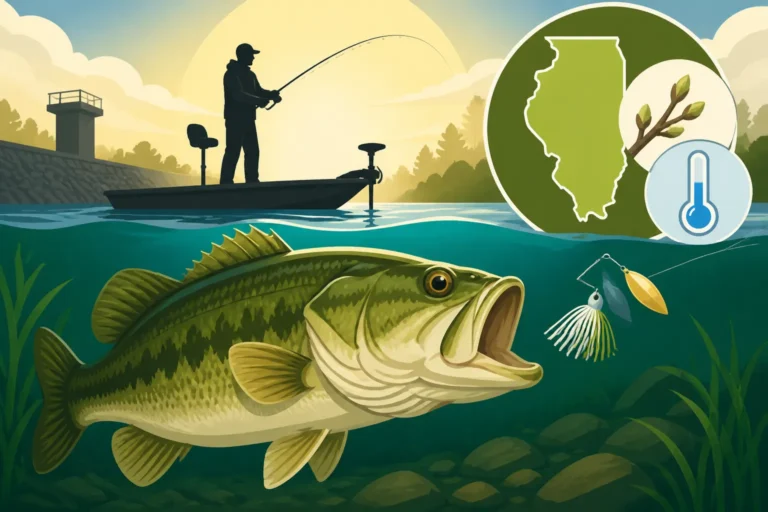
The most crucial factor in early spring bass fishing is water temperature. Bass are cold-blooded creatures, and their metabolism speeds up as the water warms. Generally, once the water temperature hits the low to mid-40s Fahrenheit, bass begin to stage in deeper areas adjacent to shallower spawning grounds. Think of these as their waiting rooms. They're not ready to move into the super shallow stuff yet, but they're positioned to do so when conditions are right. These areas often include main lake points, channel swings, and the mouths of larger coves or creeks where they can quickly access both deep water for security and shallow water for feeding. Understanding these thermal changes is key to unlocking the puzzle of where the fish are holding, and you can learn even more about these dynamics in our comprehensive guide on Water Temperature and Fish Activity Guide.
For instance, on a big reservoir like Lake Shelbyville, bass might be holding in 15-25 feet of water on the main lake points that have a quick break to deeper water. They’ll be absorbing the slightly warmer water that might be pooling on those points due to sun exposure. A slight rise in temperature, even just a few degrees, can send a wave of activity through the population. These early movements are usually focused on finding warmer water and easy meals, conserving energy after a long winter. They aren't in a feeding frenzy, but they will strike at slow-moving, high-profile baits.
Targeting Pre-Spawn Staging Areas
Once you've identified those key staging areas – places where bass are waiting to make their move – the next step is to present baits that appeal to their somewhat sluggish, yet opportunistic, nature. They’re not actively chasing down fast-moving prey just yet; they're looking for an easy meal without expending too much energy. This is where slow-moving, substantial baits shine. Think about jig-and-trailer combos, suspending jerkbaits, and even larger lipless crankbaits fished with a yo-yo retrieve.
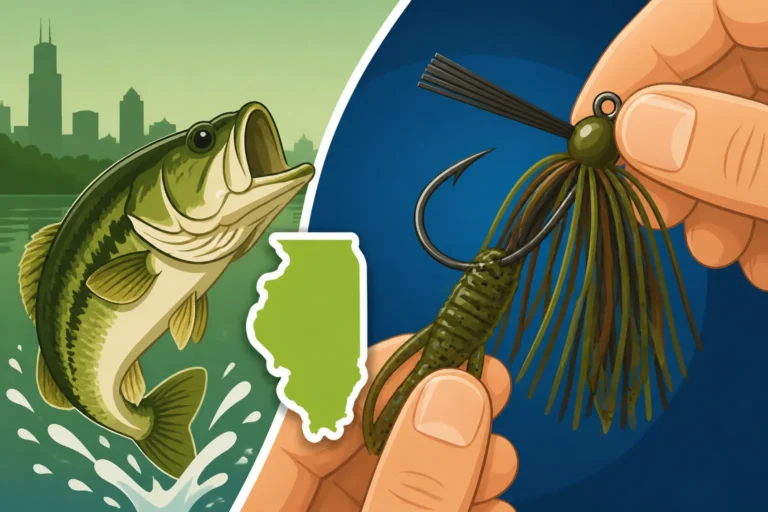
One classic early spring technique involves slowly dragging a dark-colored jig (like black and blue or green pumpkin) along the bottom of those main lake points and channel swings. The idea is to imitate a crawfish or other slow-moving forage. The key here is slow. You want to barely move that jig, letting it sit for several seconds between bumps. Another fantastic option is a suspending jerkbait, like those from Rapala or Lucky Craft, which can be twitched and then paused for extended periods. This pause is often when the bass decide to strike, as the lure just hangs there, vulnerable, right in their strike zone. Many anglers find great deals on these specialized baits on Amazon, often with a wider selection than local tackle shops.
The Pre-Spawn Buzz: Aggressive Feeding
As the water temperatures continue to climb into the upper 40s and 50s Fahrenheit, bass enter what many anglers consider the most exciting phase of spring fishing: the pre-spawn. This is when they become incredibly aggressive, bulking up on forage in preparation for the energy-intensive spawning ritual. It's like they know a big event is coming, and they need to fuel up. This period can offer some of the best catches of the entire year, as bass become less hesitant and more willing to chase down a meal. You might even find them in surprising places, moving into shallower cover with more confidence.
Locating Pre-Spawn Bass in Transition Zones
During the pre-spawn, bass will really start to push into shallower water, particularly in bays, coves, and creek arms that receive a lot of sunlight. These areas warm up faster than the main lake, creating prime feeding grounds. Look for areas with a mix of cover: submerged timber, rock piles, docks, and especially grass beds that are just starting to green up. These cover types provide ambush points for hungry bass and also absorb sunlight, further warming the water around them. These transitional areas are often located near the deeper staging areas they occupied earlier, providing a quick escape route if a cold front pushes them back out.
On many Illinois lakes, like Rend Lake or Carlyle Lake, these shallow bays with healthy stands of emergent vegetation or submerged brush piles become bass magnets. They’ll congregate in these spots, often in groups, waiting for optimal feeding conditions. It's not uncommon to find several quality bass in a relatively small area once you've dialed in the pattern. Understanding Illinois Bass Pre-Spawn Fishing Patterns in detail can make a huge difference in your success during this prime time.
Effective Lures and Techniques for Hungry Bass
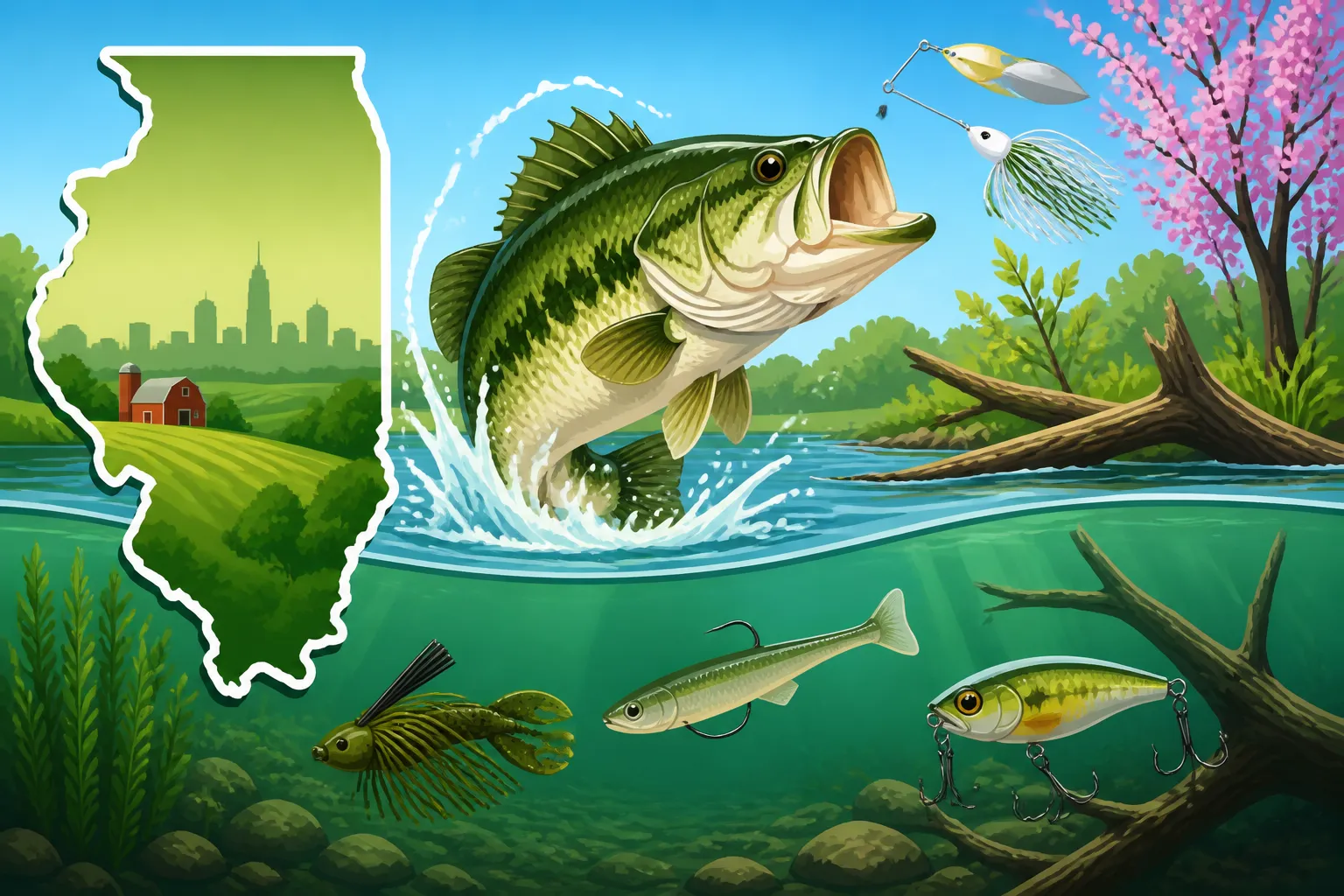
With bass in a feeding frenzy, a wider variety of baits become effective. This is the time to throw moving baits that mimic fleeing baitfish or crawfish. Spinnerbaits, chatterbaits, and squarebill crankbaits are absolute go-tos during the pre-spawn. Cast these lures around any visible cover – laydowns, stumps, docks, or sparse grass lines. The vibration and flash of a spinnerbait or chatterbait can really get a reaction strike from an aggressive bass. Focus on slower retrieves if the water is still on the cooler side (low 50s) and speed it up as temperatures climb.
Plastic worms and creature baits fished on a Texas rig or Carolina rig are also incredibly productive, especially when the bass are holding tight to cover. Pitching a Strike King Rage Bug or a Zoom Brush Hog into a submerged brush pile and slowly working it out can elicit explosive strikes. The key is to cover water, experimenting with different retrieves until you find what the bass are reacting to on that particular day. Don't be afraid to experiment with color either; natural colors like green pumpkin or black-and-blue are usually safe bets, but sometimes a brighter color, like chartreuse, can trigger a bite in murkier water. The variety of tackle available on platforms like Amazon makes it easy to stock up for any condition.
The Spawn: Nudging Them Off the Beds
The spawn is perhaps the most talked-about and, for many anglers, the most frustrating phase of spring bass fishing. This is when bass move into very shallow water to create nests, lay eggs, and guard their fry. It’s an incredible biological imperative, and it means their focus isn't primarily on feeding. Catching them during this period requires a different approach, as they are often more interested in protecting their territory than chasing a meal. Water temperatures typically need to be consistently in the mid-60s Fahrenheit for the full spawn to kick off, but it can vary significantly by region and specific body of water.
Identifying Spawning Beds and Guarding Bass
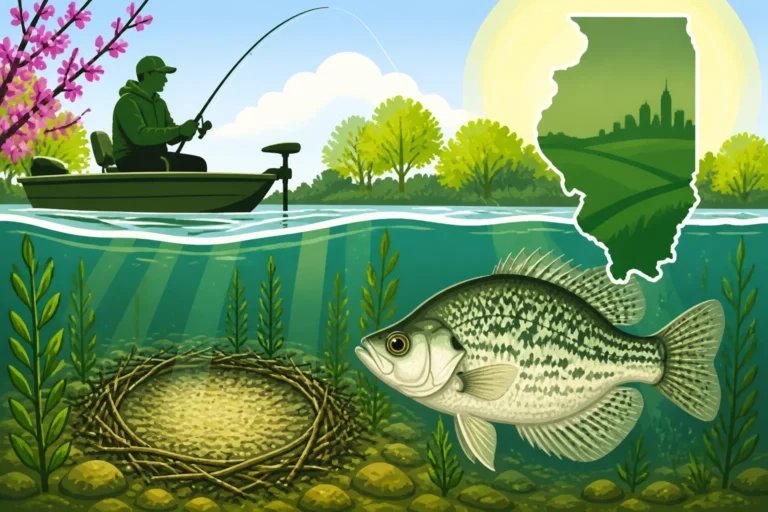
Spawning beds are typically located in shallow, protected areas with a firm bottom, often sand, gravel, or a mix of both. Look for circular, cleared-out depressions on the bottom, usually in 1-5 feet of water, often near submerged logs, rocks, lily pad stems, or under docks. These areas offer some protection from predators and allow the sun to warm the eggs. Male bass will diligently guard these beds, fanning them clean and aggressively defending them against anything that approaches, while females often hang slightly deeper nearby, moving onto the beds to lay eggs.
You'll often spot these beds by looking for slight disturbances in the water or by carefully poling along shallow flats with polarized sunglasses. On clear lakes like Kinkaid Lake, spotting beds can be relatively easy. The challenge isn't seeing the bass, but getting them to bite when they're focused on protecting their young. Remember, the goal here is to carefully catch and release them quickly, minimizing stress, so they can return to their duties. Fishing for bass on beds can be controversial, and understanding the Illinois Largemouth Bass Length Limit and Daily Catch Rules is crucial for responsible angling.
Presenting Baits for Bedded Bass
When bass are on beds, they aren't actively feeding, so your presentation needs to trigger a reaction strike based on their territorial instincts. Small, intrusive baits that stay in the bed for an extended period are often the most effective. This includes soft plastic lizards, small worms, tube baits, or even creature baits, usually in natural colors like green pumpkin, white, or black. You want something that looks like a predator or an intruder disturbing their nest.
The technique involves carefully pitching your bait directly into the bed and letting it sit there, twitching it subtly. If the bass ignores it, let it sit longer, or move it just a few inches. The goal is to aggravate the bass into striking. Sometimes, it takes multiple casts and a lot of patience. A wacky-rigged Senko or a small jig can also be incredibly effective. The challenge is often making precise casts without spooking the fish, and a good spinning reel with light line, easily purchased on Amazon, can make a huge difference in accuracy and sensitivity when dealing with these finicky fish.
Post-Spawn Patterns: Recuperation and Recovery
After the rigors of spawning, bass enter the post-spawn phase, a period characterized by recovery and dispersal. Both male and female bass are often exhausted and thin, needing time to regain their strength. This can be another frustrating time for anglers because the bass aren't concentrated in obvious areas, and their feeding patterns can be inconsistent. They're often lethargic right after the spawn, but as they recover, they'll start to feed more actively, albeit in slightly different locations than during the pre-spawn. This phase often overlaps with warming summer temperatures, pushing them towards deeper structure.
Post-Spawn Dispersal and Forage Focus
Immediately after spawning, many female bass will retreat to slightly deeper water, often suspending over adjacent humps, points, or the edges of deeper grass lines to recover. Males might stay near the beds for a while longer, guarding the fry, but they too will eventually move off. The key during this period is to look for bass that are relating to deeper cover, but still within easy reach of shallow feeding areas. They're looking for easy meals to replenish their energy stores, focusing on abundant baitfish like shad or bluegill. This is also when you might start to see a good crappie bite, as their spawn often happens around the same time. Knowing the Best Time of Year to Catch Crappie in Illinois can give you more options on the water.
On lakes like Clinton Lake, bass might be found on offshore humps or points in 8-15 feet of water, especially those with some submerged timber or rock. They're not going to be in the super shallow bays anymore, but they also won't be in the winter deep holes. Think about transition zones between deep and shallow, but with a slight preference for deeper structure during the initial recovery period. This can be one of the more challenging periods, but understanding Illinois Bass Post-Spawn Fishing Patterns can help you adapt.
Triggering Strikes from Recovering Bass
As bass recover from the spawn, they become more receptive to a variety of presentations, but often prefer something that doesn't require a lot of effort to catch. Soft plastics, particularly those that mimic baitfish or worms, are excellent choices. Wacky-rigged worms, shaky heads, and Ned rigs fished slowly around cover can be very effective. Topwater baits can also become productive during the post-spawn, especially in the early mornings or late evenings when bass are feeling more energetic and willing to chase.
Don't overlook finesse techniques during this period. Bass might be sluggish, but they're still opportunistic. A drop shot rig with a small worm or shad imitation fished vertically over deeper cover can tempt even the most reluctant bass. As the water warms further and they recover fully, you can start incorporating faster-moving baits like crankbaits and spinnerbaits, similar to pre-spawn, but often targeting slightly deeper cover or open water schools of baitfish. Knowing the Best Bait for Largemouth Bass Fishing in Spring will definitely give you an edge, regardless of the specific stage.
The Impact of Weather and Environmental Factors
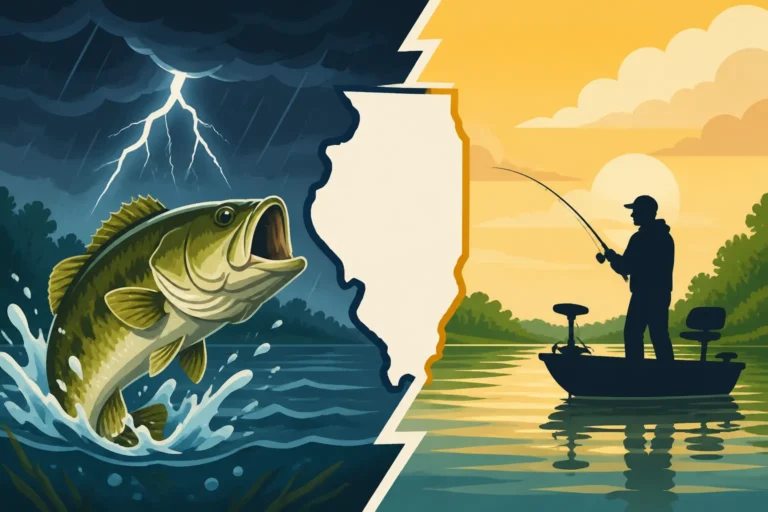
Spring in Illinois is notorious for its unpredictable weather. One day you might have sunny skies and 70-degree temperatures, and the next, a cold front rolls through, dropping temperatures by 20 degrees and bringing rain or even snow. These fluctuations have a massive impact on bass behavior, often causing them to shift patterns rapidly. Understanding how these environmental factors affect bass is just as important as knowing the different spawn phases.
Cold Fronts and Their Effects
A sudden cold front is probably the most frustrating weather pattern for spring bass anglers. When a cold front passes, it usually brings a sharp drop in air temperature, often accompanied by clear skies, high pressure, and a north wind. This drastic change can send bass scrambling from shallow waters back to deeper, more stable environments. They become much more lethargic and less willing to bite. Many anglers feel like the fish just shut down completely, and in some cases, they almost do.
When a cold front hits, slow down your presentation considerably. Focus on areas where bass can easily access both deep and shallow water, such as deep main lake points or channel edges. Finesse techniques like a shaky head or a drop shot become invaluable. Light line, subtle movements, and patience are key. Bass will often bury themselves in the thickest cover available, or suspend in deeper water, waiting for conditions to stabilize. Don't expect aggressive bites; you'll likely feel a subtle "thump" or just added weight on your line.
Rainfall, Clarity, and Barometric Pressure
Beyond cold fronts, other environmental factors play a significant role. Heavy spring rains can drastically affect water clarity, turning clear lakes muddy overnight. While this can make sight fishing for beds impossible, it can also concentrate bass in certain areas, particularly where feeder creeks introduce warmer, albeit dirty, water. In muddy water, baits with strong vibration and darker colors (like black and blue) tend to work better, as bass rely more on their lateral line sense than sight.
Barometric pressure also influences bass activity. A falling barometer (before a storm) often correlates with increased feeding activity, while a rising barometer (after a cold front) typically leads to a decrease. Pay attention to weather forecasts, not just for your comfort, but for predicting how bass might react. On a day with stable or slowly falling pressure, you might find bass more willing to chase reaction baits, whereas on a high-pressure, post-front day, you’ll need to switch to a slower, more deliberate approach.
Essential Gear and Techniques for Spring Success
To truly master spring bass fishing in Illinois, you need to have the right tools and a versatile approach. The changing conditions mean you can't just stick to one technique or one type of lure; you need to be ready to adapt on the fly. From your rod and reel setup to your tackle box choices, being prepared will significantly increase your chances of success.
Versatile Rod and Reel Setups
Given the diverse range of techniques needed for spring bass, having a few different rod and reel setups is highly beneficial. For pitching jigs and creature baits into heavy cover, a medium-heavy baitcasting rod (7' to 7'3") with a fast action tip and a high-speed reel (7.1:1 gear ratio or higher) spooled with 15-20 lb fluorocarbon or braided line is ideal. This setup provides the power to pull bass out of cover and the sensitivity to detect subtle bites. Many anglers prefer trusted brands like Shimano or Abu Garcia for their reliability, often found on Amazon.
For more finesse-oriented presentations like shaky heads, Ned rigs, or weightless worms, a medium-light or medium spinning rod (6'9" to 7'2") with a fast action tip and a sensitive spinning reel spooled with 8-12 lb fluorocarbon or braided line (with a fluorocarbon leader) is perfect. This lighter setup allows for longer, more accurate casts with smaller baits and provides exceptional feel for those light spring bites. You can learn more about specific gear in our guide on Best Rods for Illinois Largemouth Bass.
Key Lures and Baits for Each Phase
Your tackle box should reflect the different stages of spring bass fishing.
- Early Spring/Pre-Spawn: Suspending jerkbaits, lipless crankbaits, jigs (½ oz to ¾ oz) with crawfish imitations, spinnerbaits (3/8 oz to ½ oz), and chatterbaits.
- Spawn: Small soft plastic lizards, tube baits, creature baits, and wacky-rigged Senkos. Keep colors natural.
- Post-Spawn: Wacky-rigged worms, shaky heads, Ned rigs, drop shots, shallow-running crankbaits, and topwater lures (poppers, walking baits) for active fish.
Always have a variety of colors too. Natural greens, browns, and black-and-blue are staples, but don't shy away from white, chartreuse, or brighter colors if the water is stained or the bass are being aggressive. Remember that the Best Bait for Largemouth Bass Fishing in Spring can vary day-to-day, so versatility is your friend.
| Spring Bass Phase | Typical Water Temp (F) | Primary Locations | Go-To Lure Types | Retrieve Style |
|---|---|---|---|---|
| Early Pre-Spawn | 45-55 | Deep points, channel swings, creek mouths (staging) | Jigs, suspending jerkbaits, lipless cranks | Slow drag, twitch & pause, yo-yo |
| Mid Pre-Spawn | 55-62 | Shallow bays, coves, docks, emerging grass (feeding) | Spinnerbaits, chatterbaits, squarebills, Texas rigs | Moderate retrieve, bumping cover |
| Spawn | 62-68 | Hard-bottomed shallow flats, protected coves (beds) | Soft plastic lizards, tubes, Senkos | Pitch & hold, subtle twitching |
| Early Post-Spawn | 68-72 | Deeper edges of spawning flats, offshore humps (recovery) | Shaky heads, Ned rigs, drop shots, weightless worms | Slow & methodical, finesse |
| Late Post-Spawn | 70+ | Main lake points, deeper cover, open water (feeding up) | Crankbaits, topwater, swim jigs | Moderate to fast retrieve |
Finding the Hot Spots: Where Bass Congregate
Finding bass in spring is less about covering endless amounts of water and more about strategically identifying key areas where they are likely to be. Bass follow predictable patterns based on water temperature and their biological drive to spawn and recover. If you can understand these patterns, you’ll spend less time searching and more time fishing. Illinois offers a huge variety of fishing locations, and knowing what to look for at each can dramatically improve your success. For a broader overview, check out our Best Fishing Spots in Illinois guide.
Pockets, Coves, and Feeder Creeks
In early and mid-spring, focus heavily on the shallow, protected pockets, coves, and the mouths of feeder creeks. These areas warm up faster due to their shallower depth and often receive warmer run-off water from melting snow or spring rains. Look for areas with dark bottoms (mud or rock) that absorb heat. These are the nurseries where bass will eventually spawn, and they'll stage in adjacent deeper water before moving in. Any kind of cover in these areas – submerged timber, old stumps, docks, or even sparse emerging grass – will hold bass.
Consider a large lake with many small arms, like Lake of Egypt in southern Illinois. The northernmost coves or those on the west side (receiving afternoon sun) will typically warm first. Bass will gravitate towards these spots, staging on the points just outside the coves before moving all the way in. It’s a great idea to start your day by checking these areas, as they often give up the first bites of the season.
Man-Made Structures and Natural Cover
Don't underestimate the drawing power of both natural and man-made cover during the spring transition. Docks, rip-rap banks, bridge pilings, and seawalls all absorb heat and provide excellent ambush points for bass. On lakes with limited natural cover, these structures can be absolute magnets. Cast parallel to seawalls or docks, letting your lure fall slowly, or retrieve a squarebill crankbait to bump off the structure.
Natural cover like laydowns (fallen trees), brush piles, and rock piles are equally important. Bass love to tuck into these areas for protection and to ambush prey. Fish these spots thoroughly with jigs or Texas-rigged plastics. On rivers like the Illinois River or Kankakee River, look for current breaks created by fallen trees, log jams, or large rocks. Bass will stage behind these breaks, out of the main current, waiting for an easy meal to drift by. Having a good understanding of How to Find Bass in Summer Heat can also provide insights into their movement patterns as spring transitions into warmer months.
Disclaimer
Fishing conditions and regulations in Illinois can change. Always consult the latest Illinois Department of Natural Resources (IDNR) fishing guide before heading out. This information is for general guidance only, and it's your responsibility to know and follow all current rules and laws.