Illinois Catfish Season at Rend Lake
Many Illinois anglers feel like finding consistent catfish action can be a puzzle, especially when trying to figure out the best times and places on a massive body of water like Rend Lake. You might be tired of guessing when those big channel cats, blues, or flatheads are most active. This comprehensive guide is here to unravel the mysteries of the Illinois catfish season at Rend Lake, giving you the insights and strategies to fill your cooler and enjoy more successful trips.
Understanding Rend Lake's Catfish Dynamics
Rend Lake isn't just another big body of water in Illinois; it's a true catfish powerhouse. Nestled in Southern Illinois, this sprawling reservoir offers an incredible habitat that supports a thriving population of all three major catfish species: channel, blue, and flathead. Understanding why Rend Lake is so productive and how catfish behavior changes throughout the year is your first step toward consistent success.
Why Rend Lake is a Catfish Hotspot
Rend Lake spans over 18,900 acres, and its sheer size combined with its diverse underwater structure makes it an ideal home for catfish. The lake features extensive mud flats, acres of standing timber, numerous submerged brush piles, and countless coves and creek channels. These features provide catfish with abundant cover for ambush points, security from predators, and prime feeding grounds where baitfish congregate. The nutrient-rich water, typical of many Midwest reservoirs, fuels a robust ecosystem that allows catfish to grow to impressive sizes, offering anglers the chance at true trophy fish.
Anglers often get overwhelmed trying to pinpoint the best spots on such a large body of water, leading to frustration. However, Rend Lake’s varied topography means there's always a productive area to explore. Whether you prefer targeting main lake points where baitfish funnel through, exploring the timber-choked bays of the north end, or probing the deeper channels near the dam, Rend Lake offers endless possibilities. It’s a lake that generously rewards those who take the time to learn its unique features and seasonal rhythms, promising a strong return for your efforts.
Furthermore, the sustained efforts of the Illinois Department of Natural Resources (IDNR) through stocking programs and habitat improvements play a significant role in maintaining Rend Lake's status as a premier catfishing destination. While other notable Illinois lakes like Lake Shelbyville or Carlyle Lake also boast excellent catfish populations, Rend Lake consistently earns its reputation for both the quantity and quality of its catfish. This commitment to fishery management ensures that the lake remains a prime target for catfish enthusiasts year after year. For a broader look at the lake, consult the Rend Lake Fishing Guide for Illinois Anglers.
Seasonal Patterns for Catfish Activity
Catfish activity in Rend Lake, much like any freshwater system, is heavily dictated by water temperature and the changing seasons. While you can technically pursue catfish year-round, their behavior, preferred depths, and feeding patterns shift dramatically throughout the year. Spring often sees them shallow, summer pushes them deeper or to low-light periods, fall brings a renewed feeding frenzy, and winter finds them concentrated in their deep-water haunts.
The frustrating part for many anglers is trying to adapt their tactics to these constant shifts. A strategy that produced limits in May might yield nothing in August if you don't adjust your approach. For example, those shallow brush piles that held huge flatheads in June might be completely devoid of fish in September, as the catfish follow baitfish migrations and seek more comfortable temperatures. This necessitates a flexible mindset, rather than relying on a single "secret spot" or technique.
To truly master Rend Lake catfishing, you need to think like a catfish. Are they seeking warmer water, cooler depths, dense cover, or readily available food sources? The answers change with the seasons, impacting where they hold and what baits they prefer. A successful angler constantly monitors water temperature, observes baitfish activity, and isn't afraid to explore different depths and structures. This adaptive, inquisitive approach will put you ahead of the curve and lead to more consistent catches throughout the year.
Understanding the Official Illinois Catfish Season Guide
Here's a common point of confusion for many anglers: unlike species such as trout or certain salmon, catfish in Illinois generally do not have a closed season. You can legally pursue them year-round. However, what does matter immensely are the regulations concerning catch limits, size restrictions (if any), and specific gear rules. These rules are non-negotiable, and failing to understand them can lead to significant penalties, including fines and the loss of your catch.
The Illinois Fishing Regulations Overview from the IDNR is your authoritative source for all applicable rules. This guide meticulously outlines the daily creel limits and possession limits for various catfish species, which can sometimes vary by water body. For instance, while statewide limits might apply broadly to channel catfish, certain lakes like Rend could have unique or site-specific regulations for flatheads or blue catfish, often implemented to protect larger breeding stock or manage specific population demographics. Always make it a priority to check the current guide, which is updated annually.
It's critical not to assume that the rules you've learned from another state, or even another Illinois lake, automatically apply to Rend Lake. Each major body of water in Illinois often has its own set of particular regulations. You can find these detailed specifics within the annual Illinois Fishing Information Guide, which is readily accessible online through the IDNR website and at most local bait and tackle shops. Ignoring these specific details is a common pitfall for anglers, leading to inadvertent violations. Always verify the current regulations for Rend Lake before you even consider wetting a line.
Seasonal Strategies: When to Find Catfish
The timing of your Rend Lake catfishing trip can make all the difference. While catfish are available year-round, their activity levels, preferred locations, and susceptibility to certain baits change dramatically with the seasons. Understanding these seasonal shifts is crucial for maximizing your chances of success.
Spring: The Pre-Spawn and Spawn Period
Spring is arguably one of the most exciting and productive times to target catfish on Rend Lake. As the icy grip of winter loosens and water temperatures steadily climb into the 50s and 60s Fahrenheit, catfish—particularly channel and blue cats—begin to stir from their deeper wintering holes. They instinctively move into shallower, warmer waters, driven by the urge to feed aggressively and fuel up for the upcoming spawning season. This pre-spawn period, typically from late April through May, offers some of the year's most incredible and consistent action.
During the pre-spawn, you'll find these fish on a mission to gorge themselves, making them highly receptive to a wide array of baits. They actively cruise points, submerged creek channels, and expansive flats in depths ranging from 5 to 15 feet, often gravitating towards areas with newly emerging aquatic vegetation or standing timber. The dynamic nature of spring weather, however, can add a layer of challenge. A sudden warm rain can push fish into the shallows overnight, while an unexpected cold front can send them retreating back to deeper water. Success in spring often hinges on precise timing and being on the water when conditions align perfectly.
The actual spawn, which typically occurs from late May into June when water temperatures reach the mid-70s, can present a brief shift in the bite. During this period, catfish become intensely focused on reproduction, seeking out secluded hollow logs, rock crevices, or undercut banks to build and guard their nests. While male catfish, particularly, become aggressive defenders of their nests and can still be caught, the overall feeding bite tends to slow down for a week or two as their priorities shift. This is a time when patience is paramount, and success often requires targeting areas very close to their likely spawning sites, employing subtle presentations.
Summer: High Heat and Night Fishing Opportunities
Summer on Rend Lake, particularly during the peak heat of July and August, often presents a tale of two very different catfishing scenarios. During the scorching daylight hours, when surface temperatures can soar, many anglers find the bite slows considerably. Catfish will typically retreat to deeper, cooler water, or suspend in the thermocline if one forms. Attempting to catch them during midday can be a frustrating exercise, often yielding minimal rewards for the effort under the intense sun.
However, as the sun dips below the horizon and the oppressive daytime heat begins to dissipate, Rend Lake truly awakens for catfish. Night fishing becomes incredibly productive for all species, especially channel and blue catfish. As the air cools and boat traffic diminishes, catfish emerge from their deeper refuges and move into shallower flats, humps, and creek channels to feed actively. Setting up on a main lake point or a submerged ridge with the aid of a lantern or glow sticks can lead to non-stop action, providing a welcome respite from the daytime heat.
Flatheads, in particular, are renowned for being nocturnal hunters. They will frequently ambush baitfish from dense cover in shallow areas after dark. If you're aiming for trophy flatheads, dedicating your summer nights to fishing structure near deeper water, utilizing large live baits, is often your most effective strategy. Remember to prioritize safety when night fishing, ensuring you have all your necessary navigation lights, a well-charged phone, and other essential safety gear on board. This is a crucial aspect of the Illinois Boating Safety Gear Checklist.
Fall: The Feeding Frenzy Before Winter
As the crisp, cooler air of September and October sweeps across Illinois, Rend Lake experiences another phenomenal catfish bite. This is the eagerly anticipated fall feeding frenzy, a critical period where catfish actively bulk up in preparation for the leaner, colder winter months ahead. Water temperatures steadily drop from their summer highs, signaling to the fish that it's time to eat, and their activity levels significantly increase. This often marks the time of year when some of the heaviest catfish are caught.
During the fall, catfish tend to follow schools of baitfish, moving dynamically between deeper main lake channels and shallower flats, especially those connected to old creek beds or submerged structures. You'll often find them concentrating in predictable areas, making them somewhat easier to locate and target. The bite can remain strong throughout the day, not just during low light conditions, which is a welcome change from the summer grind. Focus your efforts on areas that offer a combination of structure, such as standing timber or rock piles, situated adjacent to deeper water access.
Many seasoned anglers consider fall to be the most comfortable and consistently rewarding season for catfishing on Rend Lake. The weather is generally pleasant, boat traffic and crowds are noticeably thinner, and most importantly, the fish are aggressively hungry. It's an opportune time to experiment with a variety of baits and techniques, as the catfish's sustained feeding behavior makes them less finicky. This prolonged, active bite makes autumn an absolute must for any serious Rend Lake catfish angler, frequently yielding some of the biggest and most memorable catches of the entire year.
Mastering Rend Lake Catfishing Techniques
Catching catfish on Rend Lake requires more than just a line and a hook; it demands an understanding of various techniques tailored to different situations and species. From classic bottom fishing to more advanced methods, mastering these approaches will significantly increase your success.
Bottom Fishing and Still Fishing Strategies
For countless anglers, bottom fishing is the quintessential catfish technique, and it remains incredibly effective on Rend Lake. This method involves casting your bait out and allowing it to settle on the lakebed, precisely where catfish naturally forage for food. The beauty of bottom fishing lies in its simplicity, making it a beloved approach for both novice anglers and seasoned veterans alike. You're essentially waiting for the fish to come to your bait, often while enjoying the tranquility of the bank or the comfort of your boat.
A highly popular and effective bottom rig for Rend Lake is the classic Carolina rig or a robust three-way swivel rig. For a Carolina rig, you'd thread an egg sinker (ranging from 1/2 oz to 2 oz, depending on factors like current strength and desired depth) onto your main line, followed by a small bead to protect your knot. Then, tie on a sturdy barrel swivel. To the other end of the swivel, attach a 12-24 inch leader made of monofilament or fluorocarbon, and finally, your preferred hook. This setup is designed to allow the fish to pick up the bait and move away without immediately feeling the weight of the sinker, resulting in a more natural presentation and significantly better hooksets.
When still fishing from a boat, strategically anchoring over a promising spot is paramount. Ideal locations include the edges of submerged creek channels, deep bends in the lakebed, or transition zones where mud meets rock. It's often beneficial to cast multiple lines, each baited with a different offering, to quickly ascertain what the catfish are actively preferring on that particular day. If you're fishing from the bank, seek out accessible points along the dam, deeper coves, or areas with known drop-offs. Remember, with still fishing, the objective is not active retrieval but rather allowing the bait to sit patiently and attract curious catfish, perfectly embodying the principles outlined in Catfish Bottom Fishing Techniques.
Drifting and Trolling for Active Catfish
While still fishing is highly effective when catfish are concentrated in a specific area, there are many times when the fish are more scattered or actively cruising for food. In such scenarios, drifting or slow trolling becomes a far more productive strategy. This is particularly true for blue catfish and channel catfish on Rend Lake, which often travel in schools and cover significant distances in their search for sustenance. Rather than patiently waiting for them, you actively take your bait to where the fish are.
Drifting involves allowing your boat to move across the water, propelled by the prevailing wind or current, while dragging your baited lines behind. This technique enables you to systematically cover vast expanses of Rend Lake, methodically searching for active fish. To optimize your drift, many anglers utilize a drift sock (also known as a drift anchor) to slow the boat's speed and maintain better control over its direction, ensuring your baits remain in the optimal strike zone for longer periods. Drifting proves especially effective over large, relatively featureless flats or along the gradual edges of main channels.
Slow trolling, often accomplished with a precise electric trolling motor, provides even greater control over your boat's speed and trajectory. This allows you to meticulously follow specific depth contours, old submerged roadbeds, or intricate timber lines with precision. Employing heavier weights, such as slinky weights or bottom-bouncing rigs, helps ensure your bait stays in close contact with the lake bed as you move. This proactive approach can be incredibly rewarding, especially on days when the catfish are widely dispersed and you need to actively seek them out across the lake.
Jug Fishing and Trotlines: Advanced Tactics
For anglers looking to significantly increase their catfish harvest and experience a more traditional, high-yield style of catfishing, jug fishing and trotlines are excellent, albeit more involved, techniques that can be incredibly effective on Rend Lake. These methods allow you to deploy multiple baited lines across a large area, essentially creating a passive fishing network that can be checked periodically. However, it is absolutely crucial to understand that these techniques are subject to very specific and strict regulations in Illinois, so always consult the Illinois Fishing Regulations Overview before deploying any such gear.
Jug fishing involves using free-floating lines attached to a buoyant object, typically a plastic bottle, a custom-made foam float, or specialized jug fishing buoys. Each jug has a line extending below it with a baited hook. As the jug drifts with the wind and current, it presents the bait to catfish across a wide swath of water. When a fish bites, the jug will often begin to bob erratically, spin, or move decisively, signaling a strike. These are fantastic for covering large areas, especially during the low-light hours or at night when catfish are actively on the prowl. You can even find ready-made jug fishing kits on platforms like Amazon if you're looking for a convenient way to get started. Remember, Illinois law requires that all jugs be clearly marked with your name and IDNR customer number.
Trotlines are essentially long main lines stretched across a body of water or suspended between two buoys, with multiple baited hooks attached at regular intervals (snoods). They are highly effective for catching numerous catfish, particularly larger flatheads and blue cats. Setting a trotline requires careful planning to avoid creating navigation hazards for other boaters and to ensure it's placed in a highly productive area, such as a deep channel or along a significant timber line. Understanding proper setup, deployment, and retrieval techniques, as thoroughly detailed in a Catfish Trotline Setup Guide, is paramount for both safety and effectiveness. Always meticulously check the current regulations for Rend Lake regarding the maximum number of hooks allowed per trotline and specific marking requirements.
Gearing Up: Baits and Tackle for Rend Lake
Having the right bait and tackle is non-negotiable for successful catfishing on Rend Lake. Whether you're targeting small channel cats or aiming for a monster flathead, your choices in what you put on the hook and the gear you use to fight them will make a significant difference.
Natural Baits: The Classic Choices
When it comes to enticing catfish, especially on a rich and diverse lake like Rend, natural baits often prove to be the most effective. These are the food sources that catfish are accustomed to encountering in their environment, making them incredibly appealing. The key to success often lies in "matching the hatch" or, failing that, offering something irresistibly smelly and familiar. For the ubiquitous channel catfish, lively nightcrawlers or large earthworms are consistently excellent choices, particularly when fished directly on the bottom. Their incessant wiggling action and natural earthy scent are incredibly difficult for a hungry channel cat to ignore.
For those targeting the larger, more formidable blue and flathead catfish that Rend Lake is known for, live or fresh cut baitfish are frequently your most potent weapons. Shad, various species of sunfish (like bluegill or green sunfish), or even common carp can make exceptional offerings. A freshly cut, oily piece of shad, especially from the belly section, releases a powerful scent trail that can draw in catfish from a surprising distance. Flatheads, in particular, exhibit a pronounced preference for live bait. A frisky 4-6 inch live sunfish or shad, carefully hooked through the back to keep it lively, will often entice a trophy flathead that might completely ignore other bait presentations.
Don't overlook other natural options such as crayfish or even large minnows for channel cats, particularly in areas characterized by rocky bottoms where these prey items naturally reside. Each type of natural bait possesses its own unique appeal, and strategically varying your selection can help you quickly determine what the fish are actively keying in on during your specific trip to Rend Lake. Having a diverse selection on hand—perhaps a combination of worms, fresh cut bait, and a few lively bluegill—provides you with crucial options when the bite becomes challenging. This tactical variety is often highlighted as the Best Bait for Channel Catfish. If you're looking for bait containers or livewell aerators to keep your bait fresh, a quick search on Amazon can yield many useful options.
Prepared Baits and Cut Baits
Beyond the realm of living organisms, there exists a vast and specialized world of prepared baits specifically engineered to attract catfish, particularly channel cats. These often manifest as highly pungent stink baits, thick punch baits, and gooey dip baits, all characterized by powerful, often repulsive, odors and textures designed to cling tenaciously to sponges, plastic worms, or specially designed bait holders. Commercially available brands like Catfish Charlie, Sonny's Super Sticky, or Sure Shot are frequently reported to perform exceptionally well on Rend Lake, especially when the fish are actively scavenging and relying on their keen sense of smell.
While flathead catfish predominantly prefer live bait, both channel and blue catfish are renowned opportunistic feeders and will readily strike at fresh cut baits. Chunks of oily fish, such as shad, carp, or even commercially sourced herring, cut into appropriately sized pieces, can be incredibly effective. The critical factors here are the bait's freshness and its scent-emitting potency. The fresher the cut bait, the more robust its olfactory signature, which is an absolutely crucial element for attracting catfish in the often stained or murky waters of Rend Lake.
Experimentation is a cornerstone of success when employing prepared and cut baits. Some days, the catfish might exhibit a strong preference for a particular type of punch bait, while on others, a substantial chunk of cut shad proves utterly irresistible. Maintaining a diverse selection of these baits, tailored for targeting different catfish species, will significantly enhance your chances of success. For instance, knowing the Best Bait for Blue Catfish often means having a selection of fresh cut bait, while the Best Bait for Flathead Catfish almost exclusively points to lively live bait.
Rods, Reels, and Terminal Tackle Essentials
Successfully battling the powerful catfish of Rend Lake necessitates robust and reliable fishing gear. For targeting channel catfish, a medium-heavy to heavy action spinning or baitcasting rod, typically 7 to 9 feet in length, paired with a reel spooled with 15-30 lb monofilament or braided line, constitutes a solid and versatile setup. This combination provides ample backbone to cast heavy sinkers and effectively muscle in good-sized fish, while still offering sufficient sensitivity to detect even the most subtle bites.
When your sights are set on the potentially massive blue and flathead catfish that Rend Lake is renowned for, you absolutely need to upgrade your tackle. Heavy action casting rods, frequently ranging from 8 to 10 feet in length, coupled with conventional reels spooled with 50-80 lb braided line, are essential. These specialized setups are engineered for brute strength and durability, capable of withstanding powerful, sustained runs and efficiently hauling large fish out of dense cover. A high-quality reel equipped with a smooth, yet immensely powerful, drag system is a non-negotiable component when pursuing these bigger fish. If you're looking to upgrade your tackle or just stock up on essentials like specialized catfish hooks or heavy-duty line, online retailers like Amazon offer a wide selection.
Terminal tackle is equally, if not more, critical. Circle hooks, ranging in size from 4/0 to 8/0 depending on the bait size and target species, are highly recommended. Their unique design promotes self-hooking in the corner of the fish's mouth, leading to far fewer gut-hooked fish and significantly higher survival rates for released fish. Durable swivels, heavy-duty snaps, and a variety of sinker weights (egg sinkers, no-roll sinkers, pyramid sinkers) from 1 oz to 6 oz will effectively cover most fishing situations on Rend Lake. Never skimp on line quality; abrasion-resistant fluorocarbon or high-quality monofilament leaders are crucial, particularly when fishing around submerged timber or rocky bottom structures.
Regulations, Safety, and Environmental Awareness
A successful and enjoyable day of catfishing on Rend Lake extends beyond just catching fish; it encompasses understanding and adhering to regulations, prioritizing safety, and being aware of how environmental factors influence the bite.
Illinois Catfish Daily Limits Explained
Understanding the precise daily catch limits and possession limits for catfish on Rend Lake is fundamental, not only for legal compliance but also for upholding responsible angling practices and ensuring the long-term health of the fishery. While it's true that catfish in Illinois do not have a closed season, specific limits are imposed on the number of fish you are legally allowed to harvest and possess. These meticulously crafted regulations are designed to prevent overfishing and to maintain a sustainable, thriving catfish population for generations of anglers to enjoy.
For the abundant channel catfish, the statewide daily creel limit is typically set at 20 fish, with a possession limit of 30. However, it is always imperative to verify these figures in the most current Illinois Fishing Information Guide, as specific site regulations for Rend Lake can, and sometimes do, supersede these general statewide rules. For the larger and often slower-growing blue and flathead catfish, the limits are generally more restrictive, frequently featuring a combined daily limit of 10 fish. Furthermore, some specific lakes or management zones might impose minimum length limits for certain species to protect larger, reproductively active fish, thereby safeguarding the breeding stock.
A common pitfall for many anglers is the erroneous assumption that one set of rules applies universally. This is simply not the case across Illinois' diverse waterways. Before embarking on any fishing trip, it is absolutely essential to consult the specific regulations pertinent to Rend Lake. This vital information is usually detailed within a dedicated section of the IDNR's annual fishing guide or conspicuously posted on informational signs at public access points around the lake. Being caught with an excessive number of fish or with undersized fish can result in substantial fines, confiscation of your catch, and even suspension of your fishing privileges, which would undoubtedly cast a significant pall over an otherwise enjoyable fishing excursion. For an in-depth review, refer to Illinois Catfish Daily Limits Explained.
Boating Safety and Navigation Tips
Rend Lake is an expansive and beautiful body of water, offering incredible fishing opportunities, but it demands respect and adherence to strict boating safety protocols. The lake's vastness means that weather conditions can change rapidly, leading to unexpectedly rough waters. Navigation can also be particularly challenging, especially in areas with extensive standing timber, fluctuating water levels, or numerous shallow flats. Prioritizing boating safety ensures that your fishing trip remains memorable for all the right reasons and avoids unnecessary risks.
Always make sure you have a comprehensive and well-stocked Illinois Boating Safety Gear Checklist onboard your vessel. This essential list includes, but is not limited to, Coast Guard-approved life jackets for every person on board, at least one Type IV throwable personal flotation device (PFD), a functional fire extinguisher, a reliable sound-producing device (such as a horn or whistle), appropriate navigation lights if you're operating at dawn, dusk, or at night, and a robust anchor system. It is also critically important to remember that children under the age of 13 are legally required to wear a life jacket at all times while underway in any Illinois boat, so ensure that any young anglers in your crew are properly fitted and wearing their PFDs.
Before you even launch your boat, take the time to familiarize yourself thoroughly with a detailed navigation chart of Rend Lake. Pay close attention to marked channels, areas known for submerged hazards like old roadbeds or stumps, and designated no-wake zones. Modern GPS units and fish finders are invaluable tools not just for locating fish, but also for ensuring safe navigation across the lake. If you are new to Rend Lake or boating in general, consider enrolling in an Illinois Boater Education Card Requirement course; while mandatory for some, it offers invaluable knowledge for all boaters. Crucially, always inform someone ashore of your float plan— detailing where you're going, your intended route, and when you expect to return.
Environmental Factors and Their Impact
Catfish activity on Rend Lake is not solely determined by the calendar; it is profoundly influenced by a complex interplay of environmental factors such as water levels, clarity, and prevailing weather patterns. For instance, a sudden and significant cold front can shut down a previously hot bite almost instantaneously, compelling fish to retreat into deeper, more thermally stable water. Conversely, a prolonged period of warm, stable weather conditions can often lead to an extended and aggressive feeding frenzy as fish become more active.
Water clarity also plays a crucial role in catfishing success. Rend Lake, particularly its shallower northern sections, can be susceptible to becoming highly turbid or muddy after periods of heavy rainfall. While catfish are often perceived as preferring stained water, excessively muddy conditions can sometimes hinder their ability to locate bait by sight, forcing them to rely almost entirely on their highly developed sense of smell. In such challenging conditions, strong-smelling baits like fresh cut bait, chicken liver, or potent stink baits become even more critical for attracting strikes.
Lake levels, which are carefully regulated by the Rend Lake Conservancy District, also significantly impact where fish hold. Elevated water levels can push catfish into newly flooded cover, expanding their feeding territories. Conversely, low water conditions can concentrate fish in main channels, force them out of shallow backwaters, or expose previously submerged structures. Keeping a vigilant eye on current weather forecasts and consulting historical lake level data can provide you with a significant advantage in predicting catfish movements and planning your most productive trips. Additionally, local bait shops are often an invaluable source of real-time intelligence regarding these dynamic and ever-changing environmental conditions.
Beyond the Peak: Sustained Catfish Action
While spring and fall often get the most attention for catfish, Rend Lake offers opportunities throughout the entire year. With the right approach, you can find consistent catfish action even during the colder months or by specifically targeting the unique characteristics of each species.
Winter Catfishing on Rend Lake
When the biting chill of winter descends upon Illinois, many anglers instinctively pack away their fishing gear, assuming that fishing opportunities have ceased until spring. However, for the truly dedicated catfish enthusiast, Rend Lake surprisingly offers viable winter fishing opportunities. While the action certainly won't be as fast and furious as during the peak summer nights, you can still catch a respectable number of quality fish, particularly channel and blue catfish, if you know precisely where to look and what subtle techniques to employ.
During the deep winter months, catfish typically congregate in the deepest holes, main lake channels, and areas immediately adjacent to the dam where water temperatures are more stable and slightly warmer than the shallower sections. In these frigid conditions, catfish become quite lethargic, conserving energy, which means a slow, deliberate, and subtle bait presentation is absolutely key. Small pieces of fresh cut bait or a single large worm, fished directly on the bottom with minimal movement, can be remarkably effective. Your bites will be exceptionally light and delicate, often feeling like nothing more than a slight tap, a subtle change in line tension, or simply added weight on the line, demanding an angler's undivided attention and acute sensitivity.
While open-water winter fishing for catfish is more common, ice fishing for them on Rend Lake is not unheard of, particularly during periods of stable, safe ice thickness. Utilizing a tip-up setup with a live minnow or a jigging spoon tipped with a small piece of cut bait near deep drop-offs or channel edges can certainly produce results. However, paramount above all is ice safety; always prioritize checking local ice conditions, thickness reports, and never venture onto unsafe ice.
Exploring Different Catfish Species
While many anglers refer to "catfish" as a monolithic entity, Rend Lake is home to three distinct species—the channel catfish, blue catfish, and flathead catfish—each possessing its own unique habits, preferred baits, and distinct fighting characteristics. Understanding these fundamental differences can dramatically improve your fishing success and allow you to precisely target the specific species you desire. You can learn more about how to identify them in Channel Catfish vs Blue Catfish vs Flathead Catfish in Illinois.
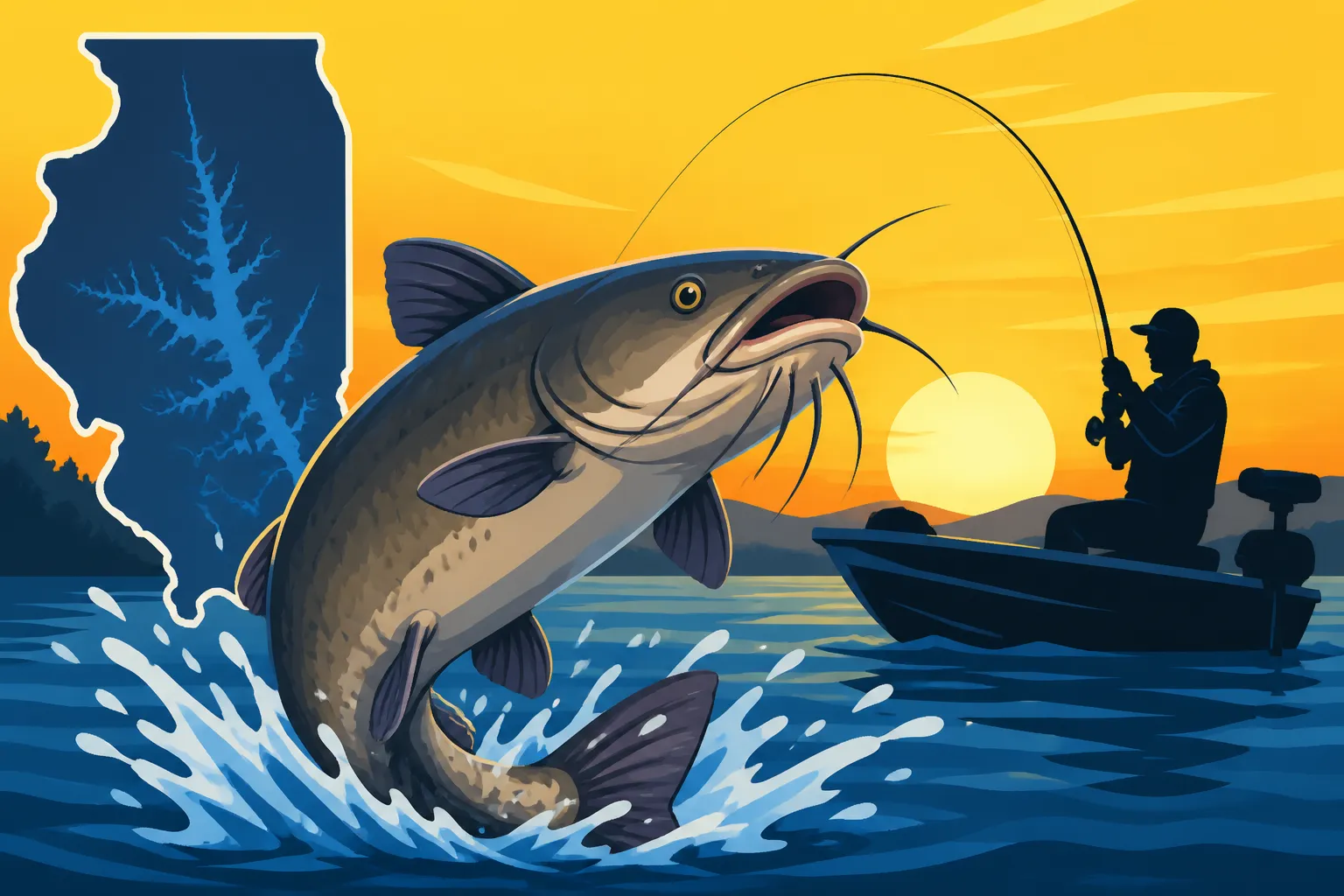
Channel catfish are arguably the most common and widely distributed species in Rend Lake. They are highly opportunistic omnivores and scavengers, readily taking a vast array of baits from live worms and minnows to potent stink baits and prepared concoctions. They are excellent fighters for their size and provide fantastic table fare. Blue catfish, conversely, are typically found in deeper, more open water environments and possess the genetic potential to grow to truly colossal sizes. They are primarily piscivorous, meaning they predominantly prefer fish, making fresh cut bait their top choice. They are known for their incredibly powerful, bulldog-like fights, providing a true test of an angler's tackle and resolve.
Flathead catfish are the undisputed apex predators within the catfish family. They are almost exclusively piscivorous and exhibit a strong preference for live bait—a frisky bluegill, shad, or large sucker is their ultimate weakness. They are classic ambush predators, often found lurking in heavy cover such as submerged timber, log jams, or dense brush piles. A flathead fight is legendary for its raw power, stubbornness, and relentless deep runs. Learning to differentiate between these species and strategically tailoring your approach to each one is what truly elevates a good angler to a truly exceptional one, maximizing your chances of landing a specific trophy.
Planning Your Next Rend Lake Catfish Adventure
Successfully targeting catfish on Rend Lake, whether in peak season or during the quieter months, extends far beyond simply knowing when and where to cast a line; it hinges on meticulous planning and preparation. From diligently checking the ever-changing weather and lake conditions to ensuring you have all the appropriate gear, a well-thought-out trip almost invariably leads to more consistent results and a significantly more enjoyable experience. Don't leave your potential success to mere chance.
Before you even consider heading out to the lake, make it a habit to check the latest IDNR fishing reports specifically for Rend Lake. These reports often provide invaluable, up-to-the-minute insights into what species are biting, their general locations, and the most effective baits and techniques currently being used. Combine this critical information with current weather forecasts, recent precipitation levels, and historical lake level data to construct a comprehensive picture of the conditions. Ensure all your fishing gear is in optimal working order—reels meticulously cleaned, fishing lines fresh and free of abrasions, and all hooks razor-sharp. Additionally, having a reliable cooler well-stocked with ice and ample fresh bait is absolutely essential for any successful catfishing excursion.
Finally, clearly define your objectives for the trip based on the time of year and the specific catfish species you aim to target. If it's early spring, focus your efforts on the pre-spawn channel cats in the shallower waters. If it's the dead of summer, meticulously plan a night fishing trip for those elusive, trophy-sized flatheads. Having a clear and concise objective helps to streamline and refine your entire fishing strategy. And critically, never overlook reviewing all necessary fishing licenses and any required stamps; you certainly don't want to prematurely end a potentially great trip with an entirely avoidable citation. A fantastic overarching resource for planning any aspect of your visit is the Rend Lake Fishing Guide for Illinois Anglers.
| Season | Typical Water Temp (F) | Primary Catfish Species | Key Locations | Recommended Baits | Notes |
|---|---|---|---|---|---|
| Spring | 50-70° | Channel, Blue, Flathead | Shallow flats, creek channels, timbered coves, feeder creek mouths, main lake points (5-15 ft) | Cut bait (shad, herring), nightcrawlers, live minnows, chicken liver, blood/stink baits | Pre-spawn feeding frenzy; fish actively moving into warmer waters. Can be explosive action. Post-frontal conditions can slow bite temporarily. |
| Summer | 70-85° | Channel, Blue, Flathead | Deeper main lake channels, thermocline depths, main lake points, submerged humps, deep timber (15-30+ ft) | Cut bait (shad, bluegill), live bait (bluegill, shad), chicken liver, prepared/stink baits | Best fishing at night or during low light hours. Daytime bite slows significantly; fish seek cooler water and oxygen. Flatheads often shallow after dark. |
| Fall | 55-70° | Channel, Blue, Flathead | Transition zones between shallow & deep, creek beds, main lake structure, deep timber edges (10-25 ft) | Cut bait (shad, carp), live bait (bluegill), chicken liver, large nightcrawlers | Post-spawn feeding binge as fish bulk up for winter. Consistent bite all day. Comfortable weather conditions for anglers. Fish follow baitfish schools. |
| Winter | 35-50° | Channel, Blue | Deep holes, main channels near the dam, power plant discharge areas, deep timber (30+ ft) | Small pieces of cut bait, worms (fished slowly), live minnows (ice fishing) | Slow bite, very subtle presentations required. Fish are lethargic and schooled tightly. Ice fishing possible during safe ice conditions, targeting deep structure. |
Disclaimer
The information provided in this guide is for informational purposes only and is subject to change. Fishing regulations, seasons, and limits can vary and are often updated by the Illinois Department of Natural Resources (IDNR). Always consult the official IDNR fishing regulations guide for the most current and accurate information before engaging in any fishing activities. Adherence to all local, state, and federal laws is the responsibility of the angler. Fishing carries inherent risks; please exercise caution and practice safe boating and fishing habits.