Illinois Crappie Spawn Season Guide
Every year, as winter's chill finally gives way to the gentle warmth of spring, many Illinois anglers find themselves wrestling with a frustrating question: "When exactly will the crappie start biting like crazy?" It's a question that can make or break a fishing trip, leaving you either with a cooler full of slabs or a day of staring at a motionless bobber. This comprehensive guide is here to demystify the Illinois crappie spawn, helping you pinpoint the best times and places to find these delicious panfish.
Understanding the Crappie Spawn Cycle in Illinois
The crappie spawn is one of the most anticipated events for anglers across Illinois, and for good reason! It’s a time when these prolific panfish move from deeper wintering grounds into shallower waters, becoming more aggressive and, frankly, easier to catch. But it’s not just a flick of a switch; it’s a gradual process driven by specific environmental cues. Missing these cues means missing out on some of the year's best fishing.
The Role of Water Temperature
If there's one golden rule to understanding the crappie spawn, it's that water temperature is king. Forget the calendar; the crappie don't read it. They respond to the warming trend of the water, a biological imperative that kicks off their reproductive cycle. Typically, you're looking for consistent water temperatures in the mid-50s to low-60s Fahrenheit. When the water in your favorite lake or river hits around 55 degrees, that's your cue that the pre-spawn is in full swing, and crappie are starting to stage in slightly deeper areas adjacent to their spawning flats.
As the water continues to climb into the high 50s and low 60s, usually peaking around 62-68 degrees Fahrenheit, that's when the actual spawn truly begins. This is when crappie, both black and white varieties, move right up into the shallowest cover they can find—think submerged brush, old stumps, lily pads, and cattails. They’re focused on one thing: laying and fertilizing eggs. A sudden cold snap can halt this process, sending fish back to deeper water temporarily, only for them to return when temperatures stabilize. This is why paying attention to those nuanced daily temperature readings, perhaps with a good water thermometer you can find on Amazon, is far more important than any date on a calendar.
Regional Variations in Spawn Timing
Illinois is a long state, stretching from the temperate north near Lake Michigan all the way down to the balmy southern tip, closer to Kentucky. This geographical spread means that the crappie spawn doesn't happen simultaneously across all Illinois waters. Southern Illinois, with its earlier spring warmth, often sees the crappie spawn kick off several weeks, sometimes even a month, before the northern parts of the state.
For instance, anglers on downstate lakes like Rend Lake or Lake of Egypt might be enjoying incredible crappie action by late March or early April, while those up near Chicago or Rockford might not see significant spawning activity until late April or even early May. These regional differences are crucial for planning your trips. If you're itching to get on the water, consider driving south in early spring for some fantastic action, then following the spawn north as the season progresses. It’s like chasing spring across the state! This variation is also why having a good understanding of Illinois Crappie Spawn Timing by Region can drastically improve your chances of success.
| Region of Illinois | Typical Water Temp Range | Approximate Spawn Window | Prime Crappie Lakes/Rivers |
|---|---|---|---|
| Southern Illinois | 60-68°F | Late March – Mid-April | Rend Lake, Lake of Egypt, Kinkaid Lake |
| Central Illinois | 60-68°F | Mid-April – Early May | Lake Shelbyville, Carlyle Lake, Clinton Lake |
| Northern Illinois | 60-68°F | Late April – Mid-May | Fox River, Kankakee River, Shabbona Lake |
Identifying Key Pre-Spawn and Spawn Indicators
Knowing the right water temperature is step one, but understanding what the fish are doing and how the environment looks is just as important. Crappie give off plenty of clues if you know what to look for, turning a hopeful guessing game into a targeted hunt. These indicators aren’t just visual; they involve understanding fish behavior and preparing your gear accordingly.
Visual Cues and Fish Behavior
When crappie are in pre-spawn mode, they'll often be found staging in slightly deeper water, typically 5-15 feet, congregating around points, submerged humps, or the edges of creek channels that lead into shallower bays. You might see them show up as dense schools on your fish finder, often suspended rather than tight to the bottom. They’re feeding heavily, bulking up for the energy demands of spawning, making this a fantastic time for aggressive presentations.
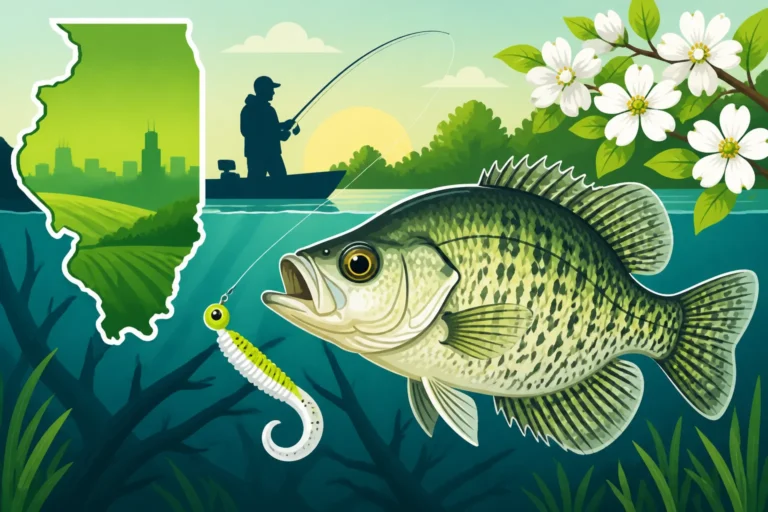
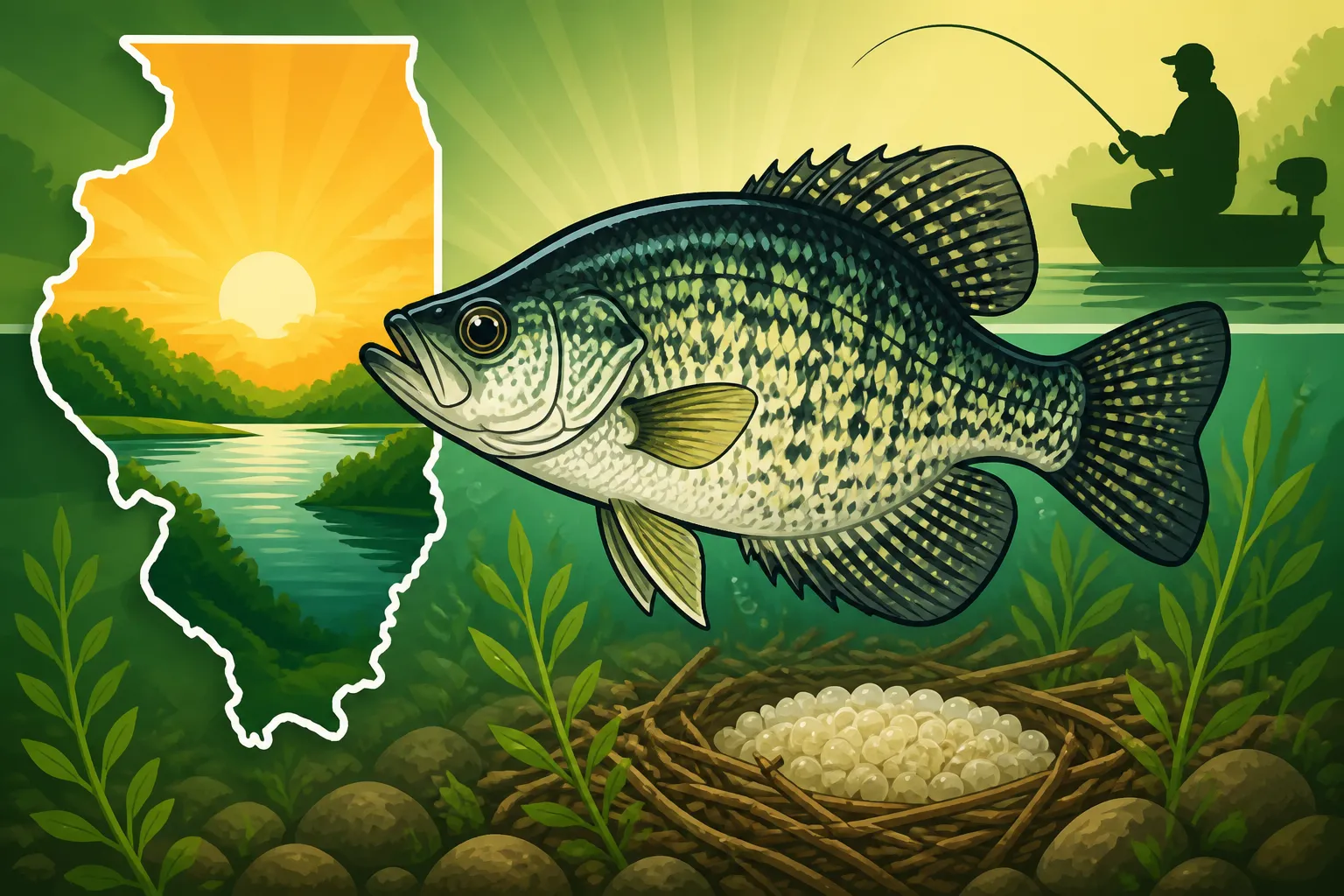
Once the spawn truly begins, the visual cues become much more apparent. Look for males guarding nests. These nests are small, circular depressions on the bottom, usually in very shallow water (1-5 feet) and often near some form of cover. The males, particularly black crappie, will often develop darker coloration during this time, making them easier to spot against lighter bottoms. You might see them darting aggressively at anything that comes too close to their territory. Females will move in, lay their eggs, and then typically retreat to slightly deeper water to recover, while the males stay to guard the eggs until they hatch. This frantic activity near cover is a dead giveaway that the spawn is on! You'll often find that the Best Time to Catch Crappie in Illinois aligns perfectly with these visual indicators.
Essential Gear for the Spawn
Crappie fishing during the spawn doesn't require a tackle box full of complicated gadgets, but having the right tools makes a huge difference. Light tackle is key. A light-action spinning rod, around 6 to 7 feet long, paired with a small spinning reel spooled with 4-6 pound monofilament or fluorocarbon line, is ideal. This setup allows for delicate presentations and sensitivity to detect those subtle crappie bites.
When it comes to baits, a variety of small jigs are indispensable. Marabou jigs, tube jigs, and tiny grub bodies in natural colors (like chartreuse, white, or black) are consistent producers. Tipping these jigs with a minnow can be absolutely deadly, as live bait is often irresistible to spawning crappie. Don't forget a selection of small bobbers—slip bobbers are especially useful for presenting baits at precise depths around cover. Many of these essential items can be easily found on Amazon, making it convenient to stock up before the season. Also, consider a long crappie pole, often 10-12 feet, if you plan on "dipping" jigs into dense brush piles, as discussed in How to Jig for Crappie in Shallow Water.
Top Illinois Lakes and Rivers for Crappie During the Spawn
Illinois offers an incredible diversity of crappie fishing opportunities, from massive flood-control reservoirs to winding rivers and countless smaller lakes. Knowing which waters consistently produce during the spawn can save you a lot of time and fuel. Each body of water has its own personality, and understanding these nuances is what separates a good angler from a truly successful one.
Southern Illinois Hotspots
Southern Illinois lakes often kick off the crappie spawn season, drawing anglers from across the Midwest. Rend Lake near Benton is a legendary crappie fishery, renowned for both black and white crappie. During the spawn, the shallow flats, submerged timber, and brush piles in areas like Nason Point, Turnip Patch, and Sailboat Harbor become crappie magnets. The key here is to target the edges of flooded timber or the shallow coves where crappie move in to build nests. Locals often cruise these areas slowly, jigging small minnows or jigs around any visible cover. For more specific insights, check out Rend Lake's Best Spots for Early Spring Crappie.
Another fantastic option is Lake of Egypt, located just south of Marion. Its warmer water discharge from the power plant often kickstarts the spawn even earlier than other lakes. The lake features abundant standing timber and brush, providing ideal spawning habitat. Look for crappie tucked into the numerous coves and bays, especially those with some protection from wind. Lastly, Kinkaid Lake, with its clear waters and numerous coves, offers fantastic black crappie fishing during the spawn. Its rocky bluffs transition into shallow flats and timber, perfect for crappie to move up. These lakes are prime destinations for a rewarding spring crappie trip.
Central and Northern Illinois Gems
Moving north, Lake Shelbyville is a perennial favorite for central Illinois anglers. While known for its bass and walleye, Lake Shelbyville offers incredible crappie fishing, particularly for white crappie. During the spawn, focus on the shallow coves and protected bays, especially those with submerged brush, stump fields, or even rip-rap shorelines. Areas like Findlay Marina and the numerous creek arms upstream are excellent places to start. The fish will be tight to cover, so precise presentations are critical. For a deeper dive, consider articles like Lake Shelbyville Fishing Guide.
Carlyle Lake, Illinois' largest man-made lake, also provides excellent crappie opportunities. Its vast size means you can find plenty of protected shallow water, especially in the larger creek arms and flooded timber areas. Look for brush piles and standing timber in shallower bays, particularly on the north and west sides of the lake, which tend to warm up faster.
In northern Illinois, while fewer large reservoirs exist, rivers like the Fox River and Kankakee River offer surprisingly good crappie action. Along the Fox River, look for backwater areas, oxbows, and protected marinas where crappie seek calmer, warmer water and submerged cover. The Kankakee River’s numerous sloughs and calm side channels also hold spawning crappie, particularly the white crappie variety. Small lakes like Shabbona Lake also excel, with its well-known timber and brush piles that draw in healthy populations of black crappie when the water warms. These northern spots might come alive a bit later in the spring, so keep an eye on those water temperatures.
Effective Techniques and Baits for Spawning Crappie
Once you've found the right time and the right place, the next step is presenting your bait effectively. Spawning crappie can be both aggressive and finicky, so having a few tricks up your sleeve will significantly increase your catch rate. It’s all about understanding their mood and where they’re hiding.
Jigging and Live Bait Strategies
When crappie are on their spawning beds, they are often tucked tight into cover. Vertical jigging is an incredibly effective technique. This involves positioning your boat directly over or very close to submerged brush piles, timber, or weed lines, and then dropping a small jig or a minnow straight down into the cover. The key is to present the bait right in their face without snagging. Use a sensitive rod to feel the subtle taps. A 1/16th or 1/32nd ounce jig head is often all you need, paired with a small plastic grub or a live minnow.
Live minnows fished under a slip bobber are arguably the most consistent producer during the spawn. The natural movement and scent of a minnow are hard for a territorial crappie to resist. Set your bobber stop so the minnow is suspended just above or in the middle of the cover where you expect crappie to be. A slow, subtle twitch of the rod tip can often entice a hesitant bite. For those fishing from the bank, casting a small jig and retrieving it slowly near submerged structure can be very effective, a technique detailed further in How to Catch Crappie From the Bank. If you're using a boat, try "spider rigging" with multiple rods, covering different depths and types of cover.
Presenting Baits in Shallow Cover
Crappie during the spawn are almost always in or very near cover. Whether it's submerged brush, fallen trees, dock pilings, or even dense lily pad fields, they feel safe and secure there. Your job is to get your bait into those tight spots without spooking them or getting hung up. For really dense cover, a long crappie pole (sometimes called a "cane pole" or "dock shooting rod") is invaluable. This allows you to literally drop a jig or minnow straight down into the smallest pockets of open water within the cover, reaching fish that casting might miss.
Another fantastic technique for reaching tucked-away crappie, especially under docks or overhanging branches, is "dock shooting" or "sling-shotting." This involves holding the jig between your fingers, pulling the line back like a bowstring, and releasing it to send the jig skipping across the water surface and under obstacles. It takes practice but is incredibly effective for accessing hard-to-reach fish. Always focus on a slow, controlled retrieve, keeping your bait in the strike zone as long as possible. Remember, these fish are often guarding nests, so a slow, intrusive presentation can trigger a bite out of aggression, not just hunger. A range of crappie jigs and soft plastics, often bundled on Amazon, are perfect for these tactics.
Post-Spawn Crappie Patterns and Continued Success
The crappie spawn doesn't last forever, and eventually, the fish will transition out of their shallow spawning grounds. But don't despair! Post-spawn fishing can be just as productive, if you know where to look and how to adjust your techniques. It's about following the fish as they move back to their summer haunts.
Locating Post-Spawn Fish
After the rigors of spawning, both male and female crappie need to recover and replenish their energy stores. They typically move from the extreme shallows to slightly deeper water, often holding along the first available breakline, channel edge, or submerged structure adjacent to their spawning flats. Think about a depth range of 8-15 feet, though this can vary greatly by lake.
During this post-spawn period, crappie will often be found suspended over brush piles, around standing timber, or near deep-water marinas. They’re still feeding, but perhaps not with the same single-minded aggression as during the height of the spawn. Use your electronics to find these suspended schools. They’ll often be visible as "clouds" or distinct arches in the water column. The biggest challenge is often finding the baitfish, as crappie will typically follow their food sources. If you're specifically targeting white crappie, understanding Illinois White Crappie: Where to Find Them in Spring can help you adapt quickly to their post-spawn movements.
Adapting Your Approach for Summer
As the water continues to warm into summer, crappie will settle into their deeper summer patterns. This means moving to main lake structure, deeper brush piles, and channel swings. Your techniques will need to adapt accordingly. Instead of shallow dipping, you might find yourself doing more trolling with multiple lines and different depths, or deep water jigging over structure.
Small crankbaits that imitate baitfish can become very effective, especially when trolled along contour lines or channel edges. Spider rigging with minnows or jigs at various depths is also a popular and productive summer tactic. Keep an eye on local fishing reports and forums, as anglers often share insights on where the fish are holding. The key is to be flexible and willing to explore deeper water, paying close attention to baitfish concentrations and structure. Don't be afraid to experiment with different lure colors and sizes, as crappie can become pickier in clearer, warmer summer waters.
Illinois Fishing Regulations Overview
No matter how excited you are for the crappie spawn, it's absolutely crucial to remember that Illinois has specific fishing regulations that apply statewide and often have site-specific variations. Ignoring these rules can lead to hefty fines and a ruined fishing trip. The Illinois Department of Natural Resources (IDNR) publishes an annual fishing information guide that outlines all regulations.
Always double-check the current length limits and daily creel (catch) limits for crappie on the specific body of water you plan to fish. While there are statewide regulations, many popular crappie lakes like Rend Lake or Lake Shelbyville have special restrictions designed to protect the fishery and promote quality fish. For instance, some lakes might have a 9-inch minimum length limit or a reduced daily bag limit compared to the statewide standard. These rules are in place to ensure healthy fish populations for future generations of anglers. You can find detailed information by consulting the Illinois Fishing Regulations Overview.
Beyond crappie-specific rules, remember that you need a valid Illinois Fishing License Guide for 2026 if you are 16 years of age or older. Non-residents also need a license, and the costs and types can vary significantly, as highlighted in Illinois Nonresident Fishing License Guide. Always carry your license with you, either physically or digitally. Being prepared means you can focus on the fishing, not on potential legal issues.
Disclaimer
Please remember that fishing conditions, regulations, and fish behavior can change rapidly due to weather, water levels, and biological factors. Always consult the latest Illinois Department of Natural Resources (IDNR) fishing regulations before heading out. This guide provides general information and best practices based on common knowledge and expert opinion. Fish at your own risk and always prioritize safety on the water.