Best Catfish Rivers in Illinois
Finding those truly legendary catfish rivers in Illinois can sometimes feel like chasing a ghost, especially with so many waterways crisscrossing our beautiful state. It's easy to get overwhelmed trying to figure out which river holds the biggest flatheads, the most abundant channel cats, or even where those elusive blue catfish might be lurking. This guide is here to cut through the confusion and point you directly to the best catfish rivers Illinois has to offer, along with the insider tips you need to succeed.
Why Illinois Rivers Are a Catfish Haven
Illinois is blessed with an incredible network of rivers, and many of them are prime real estate for catfish. Unlike some of our placid lakes, rivers offer a dynamic environment that big catfish absolutely thrive in, providing everything from deep holes and swift currents to abundant food sources and intricate cover. It's this constant flow and varied structure that really sets river catfishing apart, making it a challenging but incredibly rewarding pursuit.
Understanding Illinois' River Ecosystems
The unique characteristics of Illinois' rivers create perfect conditions for catfish. Rivers are constantly moving, which means a steady supply of oxygenated water and food being carried downstream. This natural conveyor belt means catfish don't have to work as hard to find a meal, allowing them to grow larger and more numerous. We're talking about everything from shad and carp to mussels and crayfish – a veritable buffet for a hungry whiskered warrior.
Furthermore, river bottoms are often a complex maze of snags, log jams, rock piles, and deep scour holes. These features provide vital ambush points and refuge from current, making them ideal places for catfish to hold up. Think about those hidden pockets behind a wing dike on the Mississippi, or the undercut banks of the Illinois River – these aren't just random spots; they're catfish fortresses waiting to be discovered. The consistent flow also helps disperse scent, which is a catfish's primary tool for hunting, allowing them to track down baits from considerable distances.
Key Catfish Species in Illinois Rivers
When you're out on the water in Illinois, you're primarily targeting three main species of catfish, each with its own preferred habitat and fighting style. Knowing what you're after can significantly improve your chances of success.
First up, the Channel Catfish is perhaps the most widespread and recognizable, found in almost every river system across the state. They're often distinguished by their smooth, olive-brown skin (though larger ones can be darker), deeply forked tail, and small black spots when young. Channel cats are opportunistic feeders, eager to hit a variety of baits, and they thrive in both clear and turbid waters, often favoring moderate currents and areas with structure. You'll find them holding in deeper runs, eddies, and even shallower flats, especially during feeding periods.
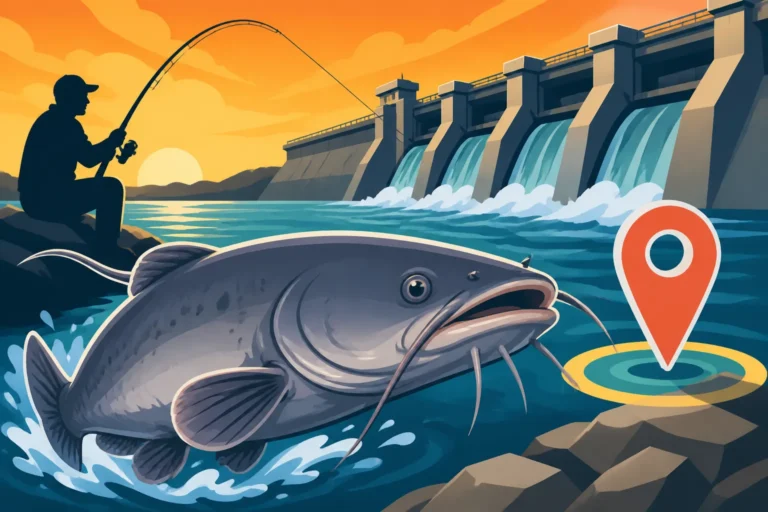
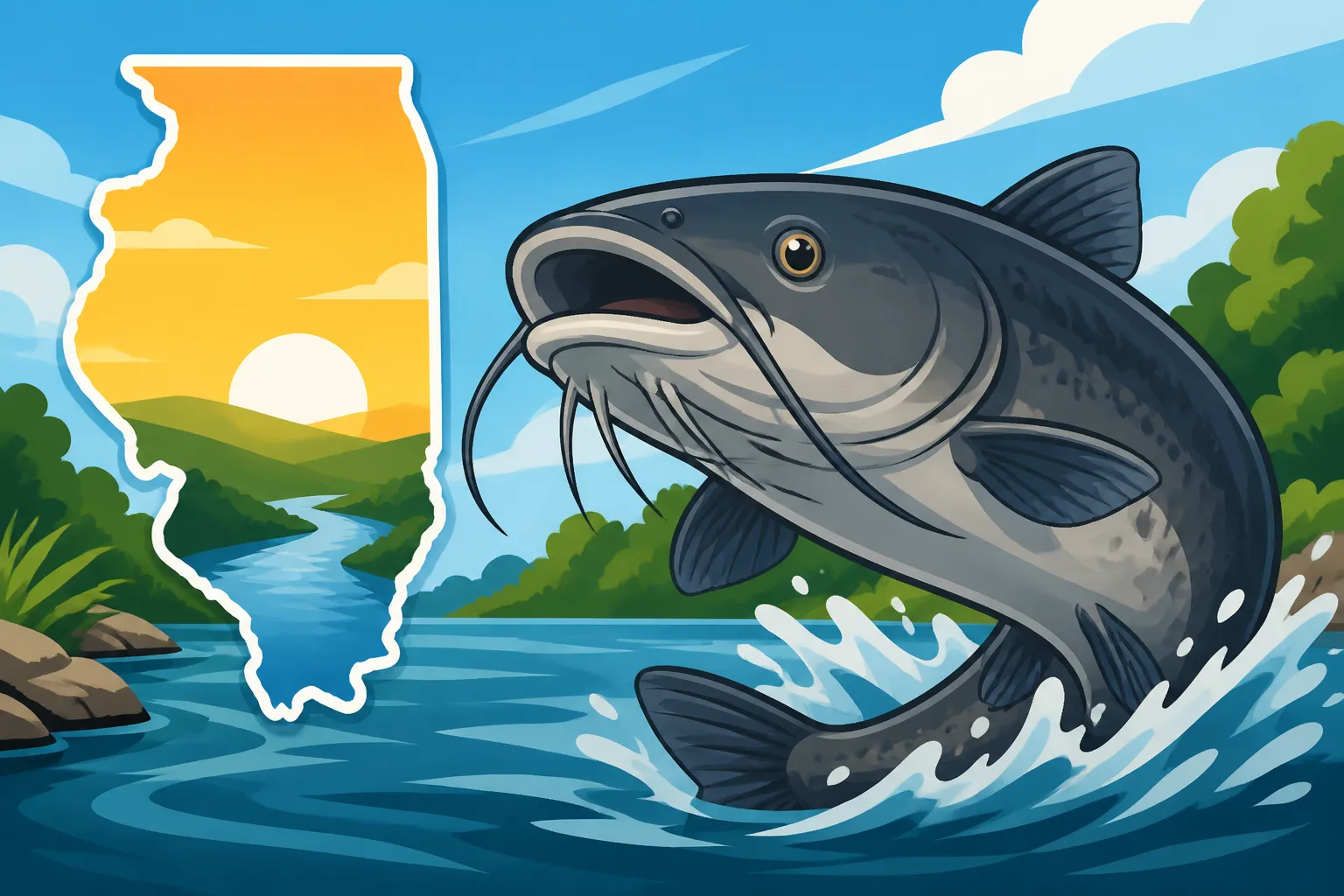
Next, we have the king of the current, the Flathead Catfish. These brutes are distinct with their broad, flattened heads, speckled brown and yellow skin, and a slightly rounded tail. Flatheads are predatory, preferring live bait, and are absolute titans of strength, often found in heavy cover like log jams, undercut banks, and deep holes with significant current. They use these spots to ambush unsuspecting prey. Landing a big flathead from a river current is a true test of angler skill and tackle strength.
Finally, the less common but equally impressive Blue Catfish are primarily found in the larger river systems, particularly the lower Mississippi and sometimes the Illinois River. Blues are identifiable by their slate-blue coloration, deeply forked tail, and a noticeable hump on their back. They are often found in large schools in deep channels, swift currents, and near main river structures. Like flatheads, they can grow to immense sizes, and once you hook into one, you'll understand why they're such a prized catch. They prefer cut bait or large live baits.
Top Catfish Rivers in Illinois and Their Prime Spots
Illinois boasts several rivers that stand out for their exceptional catfishing opportunities. Each offers a slightly different experience and targets different species or sizes of fish. Knowing where to focus your efforts can make all the difference between a slow day and a banner one.
The Mighty Mississippi River
The Mississippi River is, without a doubt, the undisputed king of Illinois catfishing. Stretching along the state's entire western border, it's a massive, complex system that holds an incredible abundance of all three major catfish species, including true trophy-sized specimens. The sheer scale of the Mississippi means there's always a new spot to explore, from the dam tailwaters in the north to the vast stretches of Southern Illinois.
Up north, around places like Rock Island and the numerous Lock and Dam systems, the turbulent waters below the dams create oxygen-rich environments and concentrate baitfish, making them prime spots for feeding catfish. Here, you'll find a strong mix of channel cats and flatheads, with blues showing up, especially in deeper channels. Further south, the river widens and deepens, particularly around Alton and further downstream into the truly massive stretches that form the border with Missouri and Kentucky. These areas are renowned for producing gargantuan blue catfish, often weighing 50 pounds or more, alongside plenty of big flatheads. Deep holes, scour pits, and the numerous wing dikes that jut out from the banks are classic hotspots. These dikes create current breaks and washouts where catfish love to ambush prey. Many anglers find success fishing the downcurrent side of these structures. If you're looking for an unforgettable experience with some of the biggest catfish imaginable, the Mississippi is where you need to be. Many anglers even look for local guides using services like FishingBooker to help navigate these expansive waters and find the prime locations for these trophy fish. For deeper insights, you might check out our guide on Mississippi River Catfish Fishing in Southern Illinois.
The Illinois River's Catfish Hotbeds
Flowing right through the heart of the state, the Illinois River is another fantastic destination for catfish, offering a slightly different flavor of river fishing compared to the Mississippi. While it might not boast the sheer volume of trophy blue cats like the lower Mississippi, the Illinois River is a powerhouse for channel catfish and supports a healthy population of flatheads, especially in its middle and lower sections.
The river's structure, characterized by a series of long, slow pools separated by locks and dams, provides excellent habitat. The areas immediately below these locks and dams, much like on the Mississippi, are magnets for catfish due to the concentrated baitfish and oxygenated water. However, don't overlook the expansive main channel and the numerous tributary mouths and backwater areas. These sloughs and feeder creeks often hold dense populations of channel catfish, particularly in the spring and fall. The stretch near Peoria, for example, is famous for its productive waters, offering great bank access and boat ramps. Look for deeper bends, log jams, and any significant changes in the river bottom. The Illinois River is generally a slower moving, more turbid river, which channel cats absolutely adore. You can also find some impressive flatheads lurking in the timber-choked backwaters and deep holes. Understanding the nuances of this river system is key, and it truly offers some of the Best Catfish Fishing Spots in Illinois.
Kaskaskia River: A Southern Illinois Gem
The Kaskaskia River, particularly its lower reaches, is a well-kept secret among southern Illinois catfishermen, renowned for its strong populations of flathead and blue catfish, especially below Carlyle Lake. This river system provides a more intimate river fishing experience compared to the sprawling Mississippi, but don't let its size fool you – it holds some truly impressive fish.
Below the Carlyle Lake dam, the tailwaters offer consistent current and excellent conditions for large catfish, drawing in fish from the lake itself and the river. Many anglers target this area with heavy tackle, especially when chasing flatheads with live bait or chunk bait for blue cats. Further downstream, the Kaskaskia meanders through rich agricultural land before joining the Mississippi River, offering numerous bends, deep holes, and brushy cover that are perfect flathead habitat. Access can be a bit more challenging in some areas compared to the larger rivers, often requiring local knowledge or a smaller boat, but the rewards are often worth the effort. The river's character changes significantly from its upper reaches to its lower end, with the lower river providing deeper, slower stretches ideal for larger catfish. For serious anglers looking for big fish in a less crowded setting, the Kaskaskia is a prime candidate. If you're interested in other prime locations for large catfish, our article on Illinois' Best Big Three Catfish Lakes also offers some excellent insights, often with connected river systems.
Smaller, Productive Rivers
Beyond the major arteries, Illinois has a surprising number of smaller rivers that can provide fantastic catfishing, often with less pressure and a more peaceful angling experience. These rivers might not produce the state-record blue cats, but they offer consistent action for channel catfish and respectable flatheads.
- Rock River: Flowing through northern Illinois, the Rock River is a consistent producer of channel catfish, with flatheads found in its deeper holes and log jams. Areas around Rockford offer good access, and fishing below small dams or rapids can be particularly productive. Look for submerged timber and current seams.
- Wabash River: Forming part of Illinois' eastern border with Indiana, the Wabash River is a significant waterway that provides excellent catfishing, especially in its lower sections. It shares many characteristics with the larger rivers, offering a mix of channel, flathead, and blue catfish. Deep scour holes and structure along the banks are key areas to target. Its remote feel can be very appealing, and for those looking to fish border waters, understanding Illinois Fishing License Reciprocity With Indiana is crucial.
- Kankakee River: While perhaps better known for smallmouth bass, the Kankakee River in northeastern Illinois also holds a very good population of channel catfish, especially in its slower, deeper pools and around its numerous limestone outcroppings. It’s a beautiful river to fish, and night fishing can be particularly effective for catfish here.
- Fox River: Another northern Illinois river, the Fox River, offers solid channel catfishing, particularly in its wider, slower sections and below the dams that dot its course. Bank access is good in many suburban areas, making it a convenient option for many anglers.
These smaller rivers often require a bit more exploration and sometimes lighter tackle, but they can be incredibly rewarding, offering great opportunities for anglers seeking quantity over just monster size. They also provide a great opportunity for those who prefer to fish from the bank, offering numerous access points that are perfect for a relaxed day of fishing.
| River Name | Dominant Catfish Species | Best Techniques | Key Characteristics |
|---|---|---|---|
| Mississippi River | Blue, Flathead, Channel | Bottom fishing (cut bait, live bait) | Massive, deep channels, strong currents, wing dikes |
| Illinois River | Channel, Flathead | Bottom fishing (cut bait, stink bait) | Slower, turbid, locks & dams, backwaters |
| Kaskaskia River | Flathead, Blue, Channel | Live bait, cut bait, bottom fishing | Moderate current, deep holes, especially below Carlyle |
| Rock River | Channel, Flathead | Bottom fishing, cut bait | Moderate size, varied structure, good bank access |
Essential Gear and Techniques for River Catfishing
Successfully battling a big river cat requires more than just a rod and reel; it demands the right gear and an understanding of how these powerful fish behave in flowing water. Skimping on tackle can lead to heartbreak when that trophy fish snaps your line or straightens your hook.
Rods, Reels, and Line for River Monsters
When targeting river catfish, especially flatheads and blue cats, you need tackle that can stand up to their immense power and the demanding environment. Forget your ultralight panfish setup; we're talking about heavy-duty gear here.
For rods, think medium-heavy to heavy power, typically between 7 to 10 feet in length. A longer rod provides better casting distance, helps manage line in current, and offers more leverage when fighting a big fish. Ugly Stik rods are popular among catfish anglers for their legendary durability and sensitivity. The action should be moderate-fast, allowing for good hook sets while still having enough backbone to winch in a strong fish.
Reels need to be equally robust. Conventional baitcasting reels with a good drag system and high line capacity are favored for heavy catfishing, especially on the Mississippi. Look for models from brands like Abu Garcia or Penn, known for their reliability. Spinning reels can work for smaller channel cats or if you prefer them, but ensure they are larger sizes (e.g., 4000-6000 series) with a strong drag. The key is a smooth, consistent drag that won't give out under pressure.
Line choice is critical. Monofilament line in the 20-30 pound test range is a good all-around choice for its abrasion resistance and shock absorption. For serious trophy hunters, braided line of 50-80 pound test offers superior strength, sensitivity, and smaller diameter for its breaking strength, which can be advantageous in heavy current. If using braid, consider a monofilament or fluorocarbon leader to provide some stretch and abrasion resistance in rocky areas. Remember, fish in rivers often hide in structure, so your line will take a beating.
Baits and Rigs That Get Bites
The right bait and rig can make or break your catfishing trip. Catfish are generally not picky eaters, but river conditions and target species often dictate the best approach.
For Channel Catfish, a wide array of baits works wonders. Stink baits, cut bait (shad, skipjack herring, carp), chicken livers, and even dough balls or nightcrawlers are highly effective. The key is to present them where channels are feeding, often in moderate currents or eddies. Our detailed guide on Best Bait for Channel Catfish can give you even more specific recommendations.
When it comes to Flathead Catfish, live bait is almost always king. They are ambush predators that prefer fresh, struggling prey. Live sunfish, bluegill, creek chubs, or small carp are top choices. The bait should be sized appropriately for the flathead you're targeting – often 4-8 inches for big fish.
For Blue Catfish, cut bait is usually the go-to. Fresh cut pieces of oily fish like shad, skipjack herring, or even carp are irresistible to blues. Some anglers use whole small fish as well. Experiment with different sizes of cut bait to see what the fish prefer on a given day.
As for rigs, the Carolina Rig (also known as a slip-sinker rig) is a staple for river catfishing. It consists of a weight (often a lead or no-roll sinker) sliding freely on the main line, followed by a swivel, and then a leader (12-24 inches) tied to your hook. This allows the bait to move naturally with the current while the weight holds bottom, and the fish can pick up the bait without feeling the resistance of the sinker. A 3-way swivel rig is also popular for presenting multiple baits or when you want one bait slightly off the bottom. Circle hooks are highly recommended, especially when fishing for release, as they typically hook fish in the corner of the mouth, reducing gut-hooking. Knowing how to Catfish Bottom Fishing Techniques will greatly enhance your success.
Reading the River: Locating Catfish
Understanding how catfish relate to river structure and current is paramount to finding them consistently. Catfish, especially flatheads and blues, are masters of using the river to their advantage.
Look for areas that offer a break from the main current, such as the slack water behind wing dikes, bridge pilings, or large log jams. These spots allow catfish to rest while still having access to food washing by. Deep holes and scour channels are classic holding areas, especially during the day or in colder water. Use a depth finder if you have one to locate these depressions.
Current seams, where fast-moving water meets slower water, are also prime ambush points. Catfish will often sit on the slower side, darting into the faster current to grab passing food. Tributary mouths, especially after a rain, can bring in new food sources and attract catfish. Don't overlook undercut banks, which provide overhead cover and deep water directly beneath the bank.
Pay attention to subtle changes in the water's surface, like boils or eddies, which can indicate submerged structure or current breaks. Understanding the local topography, whether it's rocky bluffs or sandy banks, can also offer clues about what's happening beneath the surface. Sometimes, the best way to learn these nuances is to spend time with a local expert, and using services like FishingBooker can connect you with experienced catfish guides who know the rivers inside and out.
Planning Your Illinois Catfish River Adventure
A successful catfishing trip involves more than just casting a line; it requires preparation, understanding local rules, and prioritizing safety, especially on dynamic river systems.
Navigating Regulations and Licenses
Before you even think about hitting the water, you absolutely need to make sure you're properly licensed and aware of the current regulations. In Illinois, anyone 16 years of age or older needs a valid fishing license. This isn't just a suggestion; it's a legal requirement, and conservation officers are out there checking. You can easily purchase a license online through the Illinois Department of Natural Resources (IDNR) website or at most bait and tackle shops, Walmart stores, and sporting goods retailers. For comprehensive details, check out our Illinois Fishing License Guide for 2026.
Beyond the basic license, you also need to be aware of species-specific regulations. These include daily catch limits and sometimes size limits for different catfish species. These rules can vary not just by species, but sometimes even by specific body of water or river section. For example, while the statewide daily limit for Channel Catfish is 20, certain local regulations might apply. It's crucial to consult the current Illinois Fishing Information Guide, which is updated annually, or check the IDNR website for the most up-to-date information. Ignorance of the law is no excuse, and penalties for fishing without a license or exceeding limits can be substantial. Our Illinois Fishing Regulations Overview provides an excellent starting point for understanding these rules.
Hiring a Guide or Finding Local Intel
Especially on massive river systems like the Mississippi or even the broader Illinois River, local knowledge can be invaluable. These rivers are vast and complex, and knowing where to fish on any given day, what bait is working best, and how to navigate safely can dramatically increase your success and enjoyment.
If you're new to a particular river or looking to target trophy fish, consider hiring a local fishing guide. Guides spend countless hours on the water and possess an intimate understanding of the river's moods, seasonal patterns, and prime fishing holes. They can save you a tremendous amount of time and frustration, putting you directly on fish. Websites like FishingBooker are an excellent resource for finding reputable, licensed fishing guides who specialize in catfishing on Illinois rivers. You can browse profiles, read reviews from other anglers, and book your trip with confidence, knowing you're learning from the best. This is particularly helpful for visiting anglers who might be unfamiliar with the vastness of these rivers and need guidance on Illinois Fishing License Costs for Out-of-State Anglers.
Beyond guides, don't underestimate the power of local bait shops. The folks who run these establishments are often avid anglers themselves and are usually happy to share recent reports and tips. They'll tell you what's biting, where, and on what bait. Striking up conversations with fellow anglers at boat ramps or local diners can also yield invaluable insights.
Safety First on the River
River fishing, while incredibly rewarding, comes with inherent risks, and safety should always be your top priority. Currents can be deceptively strong, and weather conditions can change rapidly.
If you're fishing from a boat, ensure it's in good working order and that you have all required safety equipment on board. This includes wearable life jackets for everyone, especially children under 13 who must wear them while underway, and at least one throwable PFD (personal flotation device) on boats 16 feet or longer. Check out Illinois Life Jacket and PFD Rules for detailed requirements. Additionally, working navigation lights, a sound-producing device (horn or whistle), and a fire extinguisher are often mandatory. Make sure your boat is properly registered; consult Illinois Boat Registration Requirements Explained for full details.
Be aware of changing river levels and currents. Heavy rains upstream can cause rapid rises and increased current speeds, making conditions dangerous. Always let someone know your float plan – where you're going, when you expect to return, and who to call if you don't check in. Carry a fully charged cell phone (in a waterproof bag) and consider a VHF radio for larger rivers like the Mississippi.
Bank anglers should also exercise caution. Riverbanks can be slippery, unstable, or steep. Be mindful of your footing, especially when landing a big fish near the water's edge. Avoid fishing alone in remote areas, and always inform someone of your plans. Ultimately, responsible angling ensures not only your safety but also the preservation of these incredible fishing resources for future generations.
Disclaimer
Please be aware that fishing regulations, license requirements, and local conditions can change. Always consult the latest Illinois Department of Natural Resources (IDNR) regulations and local advisories before heading out on any fishing trip. The information provided here is for general guidance and informational purposes only.