Rockford Fishing Spots Along the Rock River
Trying to figure out the best fishing spots along the Rock River in Rockford can feel like a real puzzle, especially if you're new to the area or just want to maximize your time on the water. It’s frustrating to drive around, guessing where to drop a line, only to find the access is blocked or the fish just aren't biting. This comprehensive guide is here to cut through that confusion, breaking down exactly where to go, what you'll catch, and how to approach fishing the Rock River right in Rockford.
Discovering the Rock River's Fishing Charm in Rockford
The Rock River, as it meanders through the heart of Rockford, isn't just a picturesque waterway; it's a vibrant fishery with a unique character that offers diverse opportunities for anglers. Understanding its quirks and features is the first step to unlocking its potential.
The River's Unique Flow and Diverse Habitats
The Rock River through Rockford is far from a uniform stretch of water. It features a mix of urban and semi-natural environments, each contributing to different types of fish habitat. You’ll find areas with slow, wide currents, reminiscent of a large lake, contrasting sharply with narrower, swifter sections, particularly around dams or bridge pilings. The riverbed itself varies, from silty bottoms in slower pools to rocky stretches and gravel bars where the current picks up. These transitions are crucial for fish, as they seek out different conditions for feeding, spawning, and shelter. For instance, the deeper pools often hold bigger catfish, while rockier areas provide ideal ambush points for smallmouth bass.
The presence of urban structures like bridges, old industrial foundations, and riprap along the banks creates a labyrinth of man-made cover that fish absolutely love. These structures break up the current, providing calm pockets where baitfish congregate, and larger predators lurk. You might notice subtle boils or eddies forming around these points; these are prime locations where fish are expending less energy but still have access to passing food. Navigating these areas effectively requires a keen eye for subtle changes in water movement and understanding how fish relate to structure.
Water levels on the Rock River can fluctuate throughout the year, especially after heavy rains or during prolonged dry spells. These fluctuations significantly impact fish movement and angler access. High water can create new feeding opportunities in flooded shoreline vegetation but can also make fishing challenging due to strong currents and murky conditions. Conversely, low water concentrates fish in deeper channels and pools, making them easier to locate but sometimes more finicky due to increased pressure. Always check local river gauges before heading out, as what might be a perfect spot one week could be unfishable the next.
For any river angler, reading the current is paramount. Eddies, which are swirling pockets of calm water behind obstructions, are essentially fish magnets. They offer a resting place out of the main current while still providing a buffet line of food washing by. Similarly, seams where fast water meets slow water are prime feeding zones. Fish will often position themselves just at the edge of the faster current, darting out to grab prey. Understanding these micro-currents allows you to present your bait or lure in the most natural and effective way possible, increasing your chances of a strike. It’s all about putting your offering where the fish don’t have to work hard to get it.
Primary Fish Species Calling Rockford Home
The Rock River is a truly diverse fishery, offering a smorgasbord of species that keep anglers on their toes. One of the most popular targets, and for good reason, is catfish. Both channel catfish and flathead catfish are abundant in this stretch of the river. Channel cats are often found in deeper holes and slower currents, eager to gobble up stink baits, cut bait, or even nightcrawlers. Flatheads, on the other hand, are more elusive, preferring live bait and often hiding in heavy cover like log jams or undercut banks, making them a true challenge to land. Many anglers come specifically for the chance to hook into one of these powerful bottom dwellers.
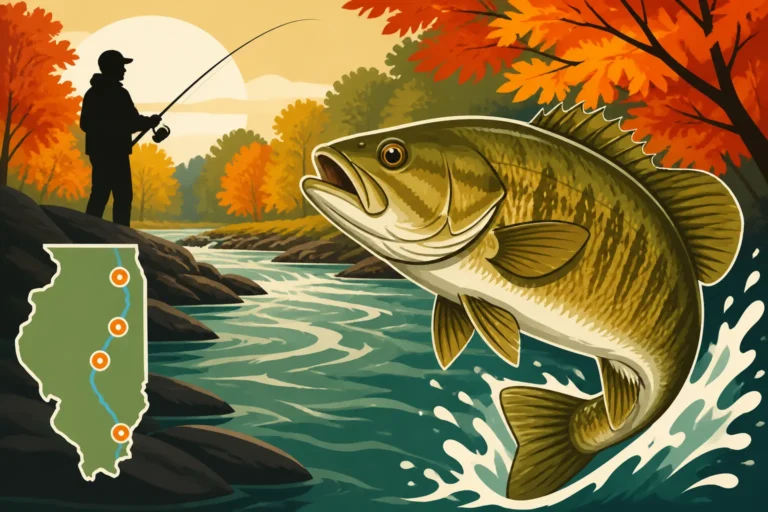
When it comes to game fish, the Rock River boasts healthy populations of both largemouth and smallmouth bass. Largemouth bass tend to stick to the slacker water, hidden around submerged cover like brush piles, lily pads, or alongside docks and seawalls. They’ll readily hit a variety of lures, from spinnerbaits to soft plastics. Smallmouth bass, however, are true river fighters, preferring rocky bottoms, current breaks, and bridge pilings. They are renowned for their aggressive strikes and aerial acrobatics once hooked, making them a favorite for many. The sheer fight a smallmouth puts up in current is something every angler should experience. For details on statewide bass limits, check out the Illinois Statewide Bass Daily Catch Limit of Six Fish.
While not as prevalent as the bass or catfish, walleye and sauger make a significant appearance in the Rock River, especially during certain times of the year. These prized fish prefer deeper water, current breaks, and rocky structures. Spring and fall are typically the best seasons to target them, as they become more active in cooler water. Jigging with live bait or casting crankbaits near bridge pilings and dams can be highly effective. They can be finicky eaters, but the reward of a fresh walleye fillet is well worth the effort. Knowing the Illinois Walleye Size and Catch Limits is essential before heading out.
Beyond the main game fish, the Rock River is also home to a variety of panfish, including crappie and bluegill, which provide excellent action, especially for beginners or family outings. These smaller fish are often found in slower moving backwater areas, oxbows, or along vegetated banks. They're typically eager to bite on small jigs, minnows, or worms under a bobber. Additionally, you might even encounter the occasional northern pike, especially in areas with weed beds or submerged timber. These toothy predators are a blast to catch and often provide an unexpected surprise while targeting other species. For a deeper dive into catfish regulations, you can read up on the Illinois Catfish Daily Limits Explained.
Top Public Access Points for Anglers in Rockford
One of the great things about fishing the Rock River in Rockford is the decent number of public access points, offering something for every type of angler, whether you prefer to cast from shore or launch a boat.
Prime Shore Fishing Locations
Sinnissippi Park and Gardens is arguably one of Rockford’s most iconic and accessible fishing spots. Stretching along the east bank of the Rock River, just north of downtown, this park offers plenty of shoreline access. You can walk the paved paths and find numerous spots to cast a line, often right below the beautiful terraced gardens. It’s a fantastic place for family outings, combining fishing with a scenic stroll. Anglers here frequently target channel catfish, smallmouth bass around the riprap and bridge pilings (especially near the pedestrian bridge), and various panfish. The urban backdrop provides an interesting contrast to the natural beauty of the river. However, be prepared for company, as it can get busy, and snagging your line on submerged debris is always a possibility in these high-traffic areas.
Just a bit further north, you’ll find Martin Park, which often feels a little more secluded than Sinnissippi, despite being relatively close. This park offers more natural, less manicured shoreline access, making it feel a bit more like a wild fishing spot. The banks here drop off a bit quicker into deeper pockets, which can be excellent for larger catfish and even walleye during their seasonal runs. It’s a great option if you’re looking for a slightly quieter experience and want to cast into less disturbed water. Martin Park is also very family-friendly, with playgrounds nearby, making it a good choice to introduce kids to fishing without the intense crowds. Just remember to pack bug spray during the warmer months!
Beyond these two mainstays, there are several other notable shoreline accesses that seasoned local anglers often explore. Many public easements exist under or near major bridges, like those crossing the river closer to the city center. While these spots might not have formal parking or amenities, they often provide quick access to bridge pilings and current breaks, which are excellent for smallmouth bass and sauger. Areas near the Rockford Park District's Sportscore One also offer some bank access, particularly on the east side, where the river bends. These are typically less crowded than the main parks and can be quite productive if you're willing to do a little exploring on foot. However, always be mindful of private property signs and respect local regulations.
It's crucial for anglers to be aware of their surroundings and respect both private property and other public users. While the river itself is public, the land around it can be private, so always look for clear signs of public access or designated fishing areas. Even in public parks, be courteous to walkers, joggers, and picnickers. A little consideration goes a long way in ensuring these fantastic spots remain open and enjoyable for everyone. Before you head out, it's always a good idea to consult services like FishingBooker to see if any local guides have recent reports or tips for these specific bank fishing spots, as conditions can change quickly on a river system.
Boat and Kayak Launching Facilities
For those who prefer to hit the water, Rockford offers several convenient public boat ramps that cater to various types of watercraft. The most prominent is the Davis Park Boat Launch, located right downtown. This facility provides ample paved parking, multiple launch lanes, and easy access to both upstream and downstream sections of the Rock River. It's suitable for everything from small jon boats to larger bass boats and even pontoon boats. The convenience of this launch makes it a popular choice for local tournaments and recreational anglers alike. Just be prepared for a bit of a wait on busy summer weekends, as it can get quite popular.
If you're looking for an alternative, especially further north or south of the downtown core, smaller public ramps or access points might be available, though they might not be as well-equipped. For example, some city parks might have less formal launches suitable for smaller boats. It's always a good idea to scout these out beforehand to ensure they meet your needs. Keep in mind that for any motorized vessel, you'll need to understand the Illinois Boat Registration Requirements Explained.
For the growing community of kayak and canoe anglers, the Rock River in Rockford presents fantastic opportunities. While you can certainly launch from the main boat ramps, several spots offer more convenient and less crowded access for paddle craft. Many of the city parks, including Sinnissippi and Martin Park, have natural bank areas where you can easily slide a kayak or canoe into the water. The slower currents in some stretches make for very pleasant paddling and fishing. These smaller craft allow you to access tighter spots, shallow backwaters, and quiet coves that larger boats simply can't reach, often harboring less pressured fish.
When launching a kayak or canoe, always prioritize safety and ease of access. Look for gently sloping banks without too many obstacles. Remember that even in slower currents, you'll want to have a plan for getting back upstream if you're paddling against it. Many paddlers use a shuttle system with two vehicles to float a section of the river, leaving one car at a downstream take-out point. For those looking to gear up, checking out a guide on Kayak Fishing Gear for Illinois Waters can be incredibly helpful. Always ensure you have your PFD readily accessible, as river conditions can be unpredictable.
Having multiple launch options gives anglers the flexibility to explore different characteristics of the Rock River. If you want to target shallow bass around lily pads, you might choose a quiet bank launch. If you're after deep-water catfish or walleye, the larger public ramps will get you to the main channel faster. Remember that river conditions, especially current and water levels, play a huge role in determining which launch point is best for your chosen fishing adventure on any given day. Checking with local bait shops or online resources like FishingBooker can often provide up-to-date information on river conditions and optimal launch points.
Gearing Up and Mastering Techniques for Rock River Success
Success on the Rock River, like any diverse fishery, largely comes down to having the right gear and understanding the specific techniques that work best for river environments. You don't need a boatload of expensive equipment, but being prepared makes a huge difference.
Essential Tackle for Diverse Species
When targeting the powerful catfish of the Rock River, you'll want a heavy-duty setup. A medium-heavy to heavy action spinning or baitcasting rod, about 7 to 9 feet long, paired with a reel spooled with 20-30 pound monofilament or braided line is ideal. Braided line offers superior sensitivity and strength, which is a huge advantage when feeling subtle bites in current and muscling big fish out of snags. For terminal tackle, focus on strong circle hooks (sizes 2/0 to 6/0) to prevent gut-hooking, heavy lead weights (1-4 ounces, depending on current) to keep your bait on the bottom, and sturdy swivels. The "Carolina Rig" or a simple three-way swivel rig are popular and effective for bottom fishing.
For largemouth and smallmouth bass, versatility is key. A good all-around setup would be a medium-heavy fast-action spinning rod (6'6" to 7'2") with a 2500-3000 series spinning reel, spooled with 8-12 pound fluorocarbon or braided line. This allows you to throw a variety of lures. For specific lure choices, consider a range of crankbaits that dive to different depths, soft plastic worms and creature baits rigged Texas or Carolina style for fishing cover, and spinnerbaits for covering water. For those serious about their bass fishing, a dedicated article on Best Rods for Illinois Largemouth Bass can provide even more tailored advice. Having a few different rods pre-rigged for various techniques can save valuable time on the water.
Walleye and sauger can be a bit more finicky, requiring a more sensitive approach. A medium-light to medium power, fast-action spinning rod (6'6" to 7 feet) is excellent for jigging, paired with a sensitive 2000 series spinning reel spooled with 6-10 pound braided line and a fluorocarbon leader. Effective baits often include live minnows, nightcrawlers, or leeches on a jig head or a slip-bobber rig. Small crankbaits and blade baits are also highly effective, especially when trolling or casting across current breaks. The key is to maintain bottom contact without snagging, which takes practice in a river environment.
Don't overlook the joy of panfish! For crappie, bluegill, and other sunfish, an ultralight spinning combo is the way to go. A 5 to 6-foot ultralight rod paired with a 1000 series reel, spooled with 4-6 pound monofilament, provides maximum fun with these smaller but feisty fish. Small jigs (1/32 to 1/16 ounce) tipped with a wax worm or minnow, or a classic bobber and hook rig with a piece of nightcrawler or a mealworm, are incredibly effective. This setup is perfect for kids and adults alike, offering consistent action and a great way to enjoy a day on the river. It's often the Easiest Fish to Catch for Beginners.
Effective Fishing Techniques for River Environments
Successfully fishing a river like the Rock River means learning to "read" the water and understanding how fish position themselves in current. Look for current breaks: anything that disrupts the flow, like bridge pilings, fallen trees (logjams), large rocks, or sudden depth changes (drop-offs). Fish will often sit just out of the main current, in an eddy or behind an obstruction, conserving energy while waiting for food to be swept past them. Casting your lure or bait upstream and allowing it to drift naturally into these holding areas is often the most effective presentation.
For catfish, bottom fishing is usually the most productive method. You can either anchor your boat or fish from the bank, casting your bait (like cut bait, chicken liver, or shrimp) to deeper holes or current seams and letting it sit on the bottom. Another highly effective technique, especially from a boat, is drift fishing. This involves slowly drifting downstream, allowing your bait to cover a larger area and present itself naturally. For those bank fishing, a guide to Best Bait for Channel Catfish From the Bank can be incredibly useful. Make sure your weight is heavy enough to keep your bait down but not so heavy that it drags and snags constantly.
When targeting bass and walleye, adapting your casting and retrieving techniques to the cover and current is essential. For bass, focus on casting lures like crankbaits or spinnerbaits directly at submerged structure or along riprap banks. Allow the current to work your lure, making it look like an injured baitfish struggling against the flow. For walleye, jigging around bridge pilings, current seams, and deeper drop-offs can be deadly, especially with live bait. Cast your jig upstream and let it bounce along the bottom as it drifts back towards you, feeling for those subtle "thunks" that indicate a bite.
Ultimately, patience, stealth, and observation are invaluable assets for any river angler. Fish, especially larger ones, can be incredibly wary, particularly in clearer water or heavily pressured spots. Approach your fishing spots quietly, avoid making sudden movements, and pay attention to what the river is telling you. Watch for baitfish skipping, subtle surface disturbances, or even predatory birds diving. These are all clues that can lead you to where the fish are hiding. Don't be afraid to experiment with different baits, lures, and presentations until you find what the fish are responding to on that particular day. Sometimes, even a slight change in retrieve speed or jig color can make all the difference.
Navigating Regulations and Seasonal Opportunities
Fishing the Rock River is a fantastic experience, but it’s crucial to understand the rules and seasons to ensure a legal and productive outing. Ignorance of the law is no excuse, and violating regulations can lead to fines and even loss of fishing privileges.
Understanding Illinois Fishing Regulations
First and foremost, anyone aged 16 or older needs a valid Illinois fishing license to fish in the Rock River, or any public water in the state, unless you're fishing during one of the Illinois Free Fishing Days and License-Free Weekends. This license must be carried on your person while fishing. You can purchase a license online, at most sporting goods stores like Cabela's or Bass Pro Shops, or at local bait and tackle shops. It's important to familiarize yourself with the annual Illinois Fishing License Guide for 2026 as regulations are updated regularly. The state publishes a comprehensive guide that details all statewide and site-specific rules, which is an invaluable resource.
While many regulations are statewide, rivers often have specific rules that can differ from lake regulations, especially concerning boundary waters or specific stretches. Always consult the official Illinois Department of Natural Resources (IDNR) Fishing Information Guide, which is updated annually. This guide provides an Illinois Fishing Regulations Overview and is freely available online and at license vendors. It will detail any unique length or creel limits for the Rock River or specific sections within the Rockford area. Assuming statewide limits apply everywhere can lead to unintentional violations.
Daily catch limits and size restrictions are in place for popular species like bass, walleye, and catfish to ensure sustainable populations. For instance, there’s generally a statewide daily limit on bass, but some specific lakes or river sections might have slot limits or different minimum sizes. Similarly, walleye often have a minimum length requirement, and catfish limits can vary by species. It’s not enough to just catch fish; you need to know which ones you can legally keep. This is where those detailed guides on Illinois Walleye Size and Catch Limits and Illinois Catfish Daily Limits Explained really come in handy, providing specific numbers you need to follow.
Fishing without a valid license or exceeding daily catch limits can lead to serious consequences, including significant fines and confiscation of your gear. Illinois Conservation Police Officers (CPOs) actively patrol the Rock River and other waterways, and they have the authority to check your license and catch at any time. It's not just about avoiding penalties; it's about being a responsible angler who contributes to the conservation of Illinois's fisheries. Always double-check the regulations before each trip, especially if you haven't fished a particular area in a while, as rules can sometimes change from year to year. Knowing Penalties for Fishing Without a License in Illinois is a good deterrent.
Seasonal Sweet Spots for Rock River Anglers
The Rock River offers excellent fishing year-round, but the bite for different species truly shines during specific seasons. Spring is a prime time, especially as water temperatures begin to rise. This is when pre-spawn bass become aggressive, gorging themselves before their spawning rituals. Crappie and bluegill move into shallower, warmer water, becoming easier to locate and catch. Walleye and sauger also make their spawning runs, often concentrating near dams and rocky areas, providing a fantastic opportunity to target these elusive fish. Many anglers look forward to Spring Fishing Patterns for Multiple Species.
Summer brings consistent action, particularly for catfish. Both channel and flathead catfish are incredibly active in the warmer months, often biting well into the night. Largemouth bass will shift to deeper cover during the heat of the day but can provide explosive topwater action during dawn and dusk. Night fishing can be incredibly productive for many species during the summer, offering a cooler and often less crowded experience. Just remember to take precautions for mosquitoes and to have proper lighting. The dog days of summer are no match for a dedicated catfish angler on the Rock River.
As the leaves begin to turn, fall fishing on the Rock River really heats up. This is another period of intense feeding for many species as they prepare for winter. Bass and walleye become very aggressive, chasing baitfish that are schooling up. Anglers can find excellent action throwing crankbaits, spinnerbaits, and jigs. The cooler temperatures make for a more comfortable fishing experience, and the vibrant autumn scenery adds to the appeal. Fall can often offer some of the biggest fish of the year as they pack on weight.
While ice fishing might be limited on the main current of the Rock River, backwater sloughs and calmer sections can offer opportunities for winter anglers when safe ice forms. However, caution is paramount, and safe ice conditions should always be verified. In open water areas, slow presentations with jigs and live bait can still entice bites from lethargic fish that are conserving energy in the cold water. Remember that fish metabolism slows significantly in winter, so bites will be much more subtle, and patience is key. For safety, it's always recommended to fish with a buddy during cold weather.
| Rockford Fishing Spot | Primary Species | Best Access Type | Key Features | Best Time of Day | Challenges |
|---|---|---|---|---|---|
| Sinnissippi Park | Catfish, Smallmouth Bass, Panfish | Shore (Paved paths) | Urban park, scenic, bridge pilings, riprap | Morning, Evening | Crowds, snags, current |
| Martin Park | Catfish, Walleye, Largemouth Bass | Shore (Natural banks) | Quieter, deeper pockets, family-friendly | Morning, Afternoon | Buggy, less defined access |
| Davis Park Boat Launch | All River Species | Boat Ramp, Shore (Limited) | Multi-lane ramp, ample parking, downtown access | Any (Boat access) | Busy, current can be strong |
| Bridge Access Points | Smallmouth Bass, Sauger, Catfish | Shore (Informal) | Current breaks, deep water, structure | Morning, Evening | Limited parking, private property |
| Northern Backwaters (e.g., near Sportscore One) | Largemouth Bass, Crappie, Bluegill | Kayak/Canoe, Limited Shore | Shallow, slower current, vegetation | Morning, Midday | Less current, shallow |
Disclaimer
The information provided in this guide is for general informational purposes only and is subject to change. Fishing regulations, water conditions, and fish populations can vary. Always consult the latest official regulations from the Illinois Department of Natural Resources (IDNR) before fishing. Exercise caution and prioritize safety when on or near the water.