Night Fishing Spots on Carlyle Lake
There’s a special kind of quiet that settles over Carlyle Lake when the sun dips below the horizon, and if you’ve ever tried to find those prime fishing spots in the dead of night, you know it can feel like trying to navigate a maze blindfolded. Many anglers dream of escaping the scorching Illinois summer sun and the daytime boat traffic, only to feel overwhelmed by the sheer size of Carlyle Lake and the challenges of fishing after dark. This comprehensive guide will illuminate the mysteries of night fishing on Illinois's largest man-made lake, sharing the top spots and essential tips to make your nocturnal angling adventures both safe and incredibly successful.
The Allure and Challenges of Night Fishing on Carlyle Lake
Carlyle Lake transforms under the cloak of night, offering a completely different fishing experience than what you'll find during the day. The tranquility, the cooler temperatures, and the altered behavior of fish all contribute to its unique appeal. However, this shift also brings its own set of hurdles that, if not anticipated, can quickly turn a peaceful outing into a frustrating one.
Why Anglers Love Carlyle Lake After Dark
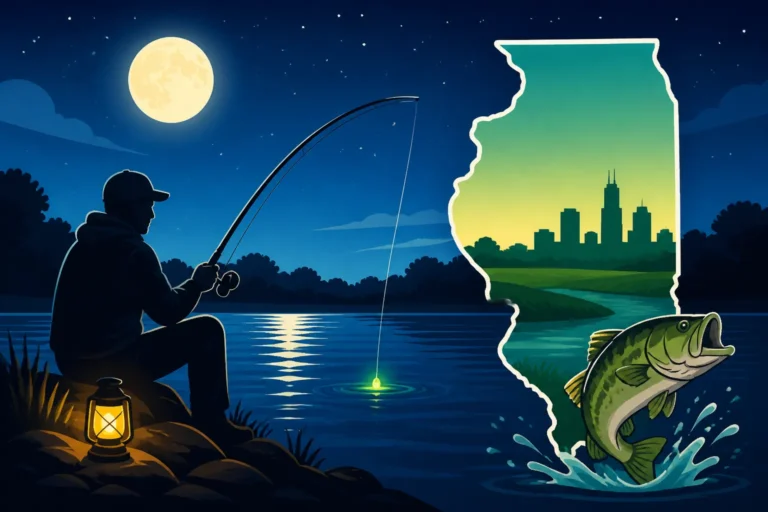
For many seasoned anglers, the draw of night fishing is irresistible. Imagine the stillness: the rhythmic lapping of water against your boat, the chirping of crickets from the distant shore, and the vast expanse of stars above, unobscured by city lights. It’s an immersive experience that simply can't be replicated during the hustle and bustle of daylight hours. Beyond the pure ambiance, fish behavior itself shifts dramatically. Many species, particularly catfish and crappie, become far more active and move into shallower waters to feed under the cover of darkness. This means they can be more accessible and less spooky, often leading to some of the most productive fishing sessions you'll ever have. The absence of relentless sun glare not only makes for a more comfortable experience for you but also reduces the pressure on the fish, making them more willing to bite. It’s truly a different world out there, and for those who embrace it, the rewards can be immense.
Common Hurdles and How to Overcome Them
While the allure is strong, night fishing on Carlyle Lake isn't without its challenges. The most obvious, of course, is visibility. Navigating a vast body of water like Carlyle Lake, with its numerous submerged timber, old creek channels, and fluctuating water levels, becomes significantly more difficult in the dark. It’s easy to get disoriented, run aground, or even collide with unseen obstacles if you’re not prepared. Another common frustration is simply finding the fish. While they might be more active, their patterns shift, and the techniques you rely on during the day might not be effective after dark. Furthermore, safety is always a paramount concern. The risks of falls, getting lost, or encountering unlit boaters are amplified. To overcome these, preparation is key:
- Navigation: Invest in a good GPS unit, pre-mark your routes and known hazards, and always have powerful spotlights. Familiarize yourself with your chosen fishing area during the day first.
- Finding Fish: Learn about nocturnal fish patterns. Often, fish congregate around lighted docks, submerged brush piles, or shallow flats where baitfish gather.
- Safety: Never go alone. Always inform someone of your plans. Equip your boat with proper navigation lights, throwable PFDs, and a first-aid kit. We’ll delve deeper into safety gear shortly.
These challenges, while real, can be managed with thoughtful planning and the right approach, turning potential pitfalls into mere bumps in the road to a fantastic night out.
Top Night Fishing Spots on Carlyle Lake for Different Species
Carlyle Lake offers a diverse fishery, and different areas really shine for specific species when the sun goes down. Knowing where to go for what you're targeting is half the battle won, and Carlyle has some renowned spots for night anglers.
Targeting Catfish in the Channels and Flats
Carlyle Lake is absolutely legendary for its catfish, and night fishing is often the most productive time to target them. Channel cats, blue cats, and even flatheads become opportunistic feeders after dark, moving from deeper daytime haunts into shallower areas to hunt for food.
One of the most consistent hotspots is along the riprap of the main dam and spillway area. The rocky bottom here provides excellent habitat for baitfish, which in turn attracts hungry catfish. You’ll often find anglers anchored up or slowly drifting along this stretch, casting prepared baits like stink bait, cut bait, or even a classic nightcrawler on a bottom rig. The constant current from the spillway (when flowing) also oxygenates the water, drawing fish in. Just be sure to check specific regulations for the spillway area, as some zones might have restrictions or require specific permits. For a deeper dive into the exact locations and techniques, checking out Carlyle Lake's Best Catfish Spots Along the Dam could prove invaluable before your trip.
Another prime location for catfish are the submerged creek channels and expansive flats within the main body of the lake. These are often old riverbeds or low-lying areas that become highways for catfish foraging after dark. Good examples include the areas around the railroad tracks that cross the lake or the deeper edges of the Boulder Flats near the Eldon Hazlet State Recreation Area. If you have a good depth finder with GPS, mark these channels during the day. At night, position your boat along the channel edges or slightly up on the flats, deploying multiple rod setups with various baits. Many anglers find success using trotlines or jug fishing techniques in these open, flat areas (always check local rules on these methods!). Whether you’re a seasoned catfisherman or looking to land your first trophy, these spots offer tremendous potential under the moonlit sky.
Crappie and White Bass Around Structure
Crappie and white bass are another popular target for night anglers on Carlyle Lake, especially when they move into shallower water and around artificial lights. These schooling fish can provide fast-paced action once you locate them.
For crappie, the key is usually structure, particularly submerged brush piles, timber, and lighted docks. Many public and private docks around areas like Boulder Marina or in the coves of the Eldon Hazlet State Recreation Area will have submersible lights. These lights attract plankton, which draws in baitfish, and then, of course, the crappie follow. If you don't have access to a lighted dock, consider bringing your own portable submersible fishing lights. Anchor your boat upwind or upstream from a good brush pile or timbered area, deploy your light, and wait for the ecosystem to gather. Use small jigs tipped with minnows or crappie nibblers. Slow, subtle jigging or simply holding your bait at the depth where you see fish on your sonar can be incredibly effective. For detailed strategies on these popular panfish, you might want to look at Where to Find Crappie on Carlyle Lake or even explore different Crappie Jigging Techniques.
White bass, known for their aggressive schooling behavior, can also be found in excellent numbers at night, especially during their spring and fall runs. While they might be a bit more nomadic than crappie, they often congregate in similar areas where baitfish are abundant. Look for them around points, humps, and the edges of submerged roadbeds, particularly where current is present. Using small spoons, inline spinners, or jigging spoons retrieved vertically can often trigger explosive strikes. Sometimes, you'll even spot them breaking the surface, chasing bait under the lights, creating a frantic feeding frenzy. Keep a keen eye out for any surface activity; it’s a sure sign they’re on the prowl.
Bass Under Lights and Shallow Cover
While largemouth bass are often thought of as a daytime quarry, they too can offer exciting action for night anglers on Carlyle Lake, especially during the warmer months when they escape the scorching sun.
The strategy for night bass revolves around shallow cover and artificial light sources. Just like crappie, bass will be attracted to lighted docks and marina areas where baitfish are concentrated. They'll often lurk in the shadows just outside the brightest light, ambushing unsuspecting prey. Casting dark-colored spinnerbaits, plastic worms (Texas-rigged or Carolina-rigged), or even topwater lures (like Jitterbugs or buzzbaits) along the edges of these lighted areas can produce solid strikes. Focus on docks with deeper water access nearby, as bass will use these as ambush points. The element of surprise works in your favor at night; a subtle presentation often works best.
Beyond artificial lights, largemouth bass will also patrol shallow, natural cover such as flooded timber, lily pads, and riprap shorelines. During the day, these areas might be too exposed, but at night, bass feel more secure moving in to feed. Fan-cast around fallen trees and laydowns with a worm or jig, letting it slowly sink into pockets of cover. If there’s a bit of wind, consider how that might position baitfish, and consequently, the bass. It's about being patient and methodical, thoroughly working likely holding spots. For those times when the weather is less than ideal, understanding how bass react to changing conditions, perhaps even like those discussed in Best Windy-Day Bass Spots on Carlyle Lake, can provide an edge regardless of the time of day.
Essential Gear and Safety Tips for Carlyle Lake Night Anglers
Embarking on a night fishing trip on Carlyle Lake is an exhilarating experience, but it demands careful preparation. The right gear not only enhances your fishing success but, more importantly, ensures your safety in the dark. Don't cut corners when it comes to being well-equipped for after-hours angling.
Must-Have Equipment for After-Dark Success
Beyond your standard fishing rods and reels, a dedicated night fishing kit will make all the difference. Think about what you need to see, navigate, and handle fish safely in low light.
- Lighting: This is non-negotiable. You’ll need a powerful spotlight for navigation and identifying hazards, a hands-free headlamp for tying knots and baiting hooks, and possibly a submersible fishing light if you're targeting crappie or white bass. Make sure all lights are fully charged and bring spare batteries. Red-light headlamps can help preserve your night vision.
- Navigation & Communication: A reliable GPS unit with pre-marked waypoints and hazards is crucial. Don't just rely on your phone; dedicated marine GPS is more robust. Carry a fully charged cell phone (in a waterproof case) and a marine-band VHF radio for emergencies, especially if you venture far from shore. Services like FishingBooker can sometimes offer insights into popular spots, but knowing how to navigate them yourself at night is paramount.
- Safety Gear: Beyond standard life jackets (PFDs), which are required, ensure you have a sound-signaling device (whistle or horn), navigation lights on your boat (and ensure they are functioning!), and a first-aid kit that's easily accessible. A warm, dry change of clothes, even on a summer night, is also a good idea. For a comprehensive list of what's mandated, refer to the Illinois Boating Safety Equipment Checklist and Illinois Life Jacket and PFD Rules.
- Fishing-Specific Night Gear: Consider using glow-in-the-dark lures or adding glow sticks to your bobbers for easy visibility. A net with a long handle is essential for safely landing fish, particularly large catfish, without having to lean too far over the boat edge in the dark.
- Comfort: Insect repellent is a must, especially during summer nights. Bring plenty of water and snacks. Cooler temperatures at night can still lead to dehydration.
| Item Type | Specific Item | Purpose | Importance (1-5, 5=Critical) |
|---|---|---|---|
| Lighting | Spotlight | Navigation, hazard identification | 5 |
| Headlamp (red light option) | Hands-free task lighting, knot tying | 4 | |
| Submersible Fishing Light | Attracting baitfish/crappie | 3 | |
| Navigation/Safety | GPS with pre-marked routes | Safe navigation, finding spots | 5 |
| VHF Marine Radio | Emergency communication | 4 | |
| PFDs (Life Jackets) | Personal safety, legally required | 5 | |
| Sound Signaling Device | Alerting other boats | 4 | |
| First-Aid Kit | Addressing minor injuries | 4 | |
| Fishing Specifics | Glow-in-the-Dark Lures | Increased visibility of bait | 2 |
| Long-Handled Net | Safe landing of fish | 3 | |
| Comfort/Essentials | Insect Repellent | Personal comfort | 3 |
| Water/Snacks | Hydration and energy | 3 |
Prioritizing Safety on the Water
Safety on Carlyle Lake after dark isn't just a suggestion; it's a necessity. The vastness of the lake, combined with reduced visibility, means every precaution must be taken. Always tell someone your float plan – where you’re going, when you expect to return, and who is with you. If plans change, update them.
Before you even launch, ensure your boat’s navigation lights (red and green bow lights, white stern light) are working perfectly. This is not only a legal requirement but also crucial for being seen by other boats. Remember that even though boat traffic is lighter at night, it’s not non-existent. There might be other night anglers, commercial barges on the Kaskaskia River Arm, or even recreational boaters heading home. Maintaining a vigilant watch and operating at a safe, reduced speed are critical. When you're driving, remember that a boat on plane covers ground very quickly, and hazards can appear in an instant.
It’s also wise to never fish alone at night, especially on a large lake like Carlyle. Having an extra set of eyes and hands can be invaluable in an emergency. If you do find yourself in a bind, don't hesitate to call for help. The U.S. Army Corps of Engineers manages Carlyle Lake and has rangers patrolling, and the Illinois Department of Natural Resources (IDNR) conservation police are also on the water. Knowing who to contact and having the means to do so, like a marine radio or fully charged phone, could literally save your life. Many experienced anglers, even those who routinely fish at night, often suggest consulting local guides, perhaps even through platforms like FishingBooker, for their invaluable insights into safe navigation and productive spots, particularly when you're first getting started with night fishing on a large body of water like Carlyle Lake. Their expertise can provide a significant advantage in both safety and success.
Navigating Regulations and Planning Your Trip
Before you even think about hitting the water after dark, it’s crucial to understand the rules and effectively plan your outing. Carlyle Lake, like all Illinois waterways, has specific regulations that anglers must abide by, and a little forethought can make your trip much smoother and more enjoyable.
Understanding Carlyle Lake's Specific Rules at Night
While the general Illinois Fishing Regulations Overview provides a good baseline, Carlyle Lake, being managed by the U.S. Army Corps of Engineers, can sometimes have site-specific rules or advisories that differ from statewide norms. It's always your responsibility as an angler to be aware of these. The most critical regulations to double-check before night fishing often revolve around:
- Boating Operations: Speed limits in certain areas, particularly around marinas or congested coves, might be strictly enforced at night. Pay attention to all navigational markers and buoys, which often have reflective tape to make them visible to spotlights.
- Fishing Methods: While trotlines and jug fishing are common for catfish, ensure they are permitted in your chosen area of Carlyle Lake and that you understand the rules regarding marking and tending them. Illinois Catfish Daily Limits Explained provides essential information on what you can legally keep.
- Protected Areas: Some sections, especially near the dam or spillway, may have restricted access or fishing methods at certain times. Always check current signage at boat ramps or consult the Corps of Engineers website for the most up-to-date information.
- License Requirements: Of course, you’ll need a valid Illinois fishing license. Don't let an expired license ruin your trip!
A quick call to the Carlyle Lake Project Office or checking their official website can clear up any ambiguities. It's far better to spend a few minutes verifying rules than to face a citation or, worse, an unsafe situation.
Planning Your Trip with Local Insights
Successful night fishing isn't just about showing up with gear; it's about meticulous planning. Start by researching your chosen fishing areas during daylight hours. Look at maps, satellite imagery, and even visit the spot during the day to identify potential hazards, entry/exit points, and key structures like submerged timber or old creek beds. Knowing the terrain visually will make navigating it in the dark significantly easier. Many boat ramps around Carlyle Lake, such as those discussed in Carlyle Lake Boat Ramps for Big-Water Anglers, offer good access, but you'll want to pick one suitable for night launching and retrieval.
Consider the moon phase. A full moon can provide surprising amounts of ambient light, making navigation easier, while a new moon can plunge the lake into absolute darkness, demanding maximum reliance on artificial lights and GPS. Weather is another crucial factor. While the air might be cooler, sudden storms can still roll in. Check the forecast for wind, rain, and lightning before you head out, and have a plan for seeking shelter.
Finally, don’t underestimate the value of local knowledge. Chat with bait shop owners, other anglers at the boat ramp, or even consider hiring a local guide, particularly if it's your first time night fishing on Carlyle Lake. These pros, many of whom are available through platforms like FishingBooker, have spent countless hours on the water and can offer invaluable real-time tips on where the fish are biting, what baits are working, and critical safety advice for navigating specific areas after dark. Their insights can drastically shorten your learning curve and significantly increase your chances of a memorable and successful night fishing trip.
Disclaimer
This guide is intended for informational purposes only and is based on general knowledge and publicly available information regarding Carlyle Lake and Illinois fishing regulations. Fishing conditions, regulations, and access can change rapidly. Always consult the official Illinois Department of Natural Resources (IDNR) website, the U.S. Army Corps of Engineers Carlyle Lake Project Office, and local signage for the most current and specific rules and conditions before planning any fishing trip. Safety should always be your top priority.