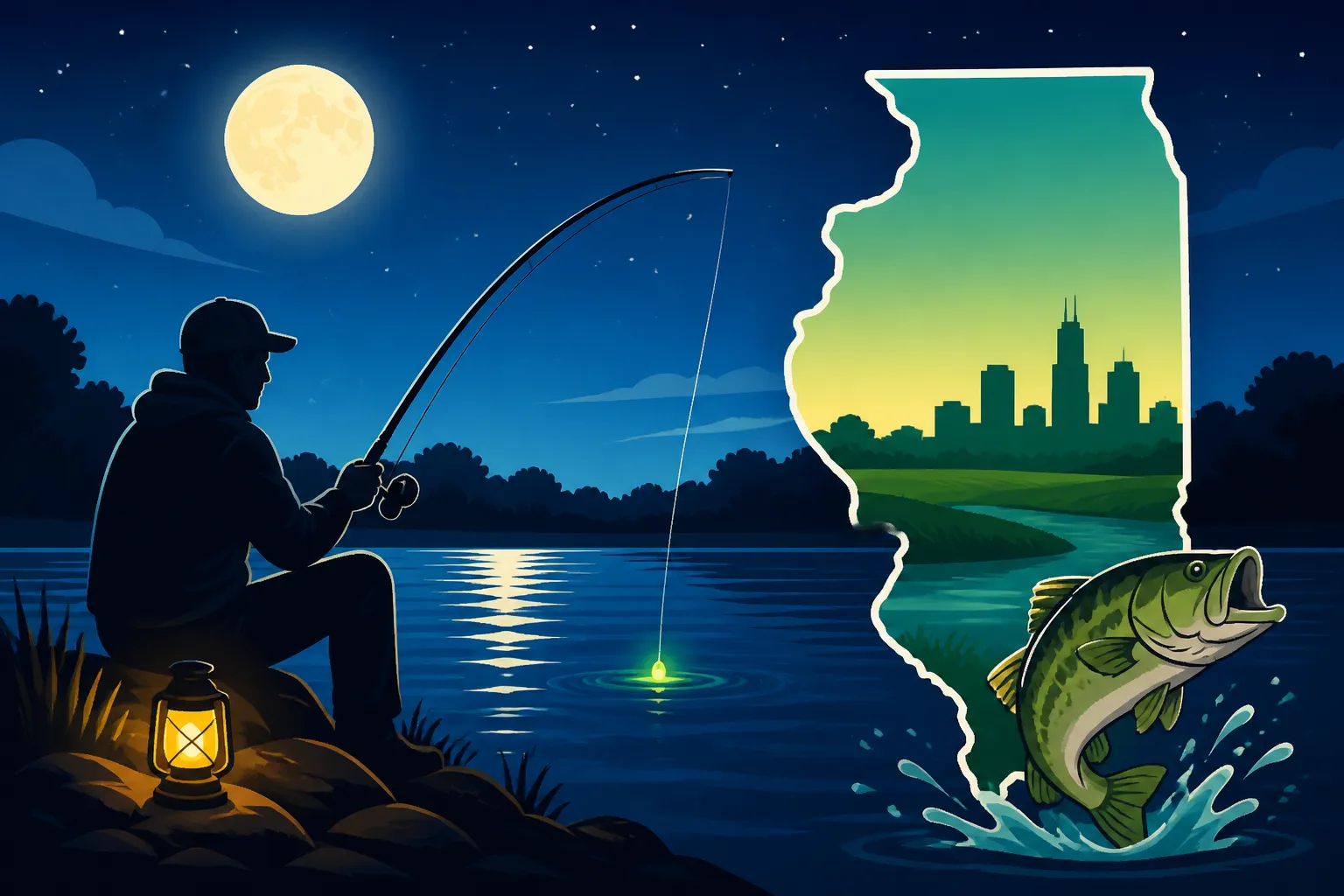
Best Night Fishing Spots in Illinois
Ever tried fishing on a sweltering summer afternoon, battling not just the heat but also a dozen other boats, only to find the fish are as sluggish as you feel? Or maybe you've been on a busy lake, casting into water churned by jetskis, wondering where all the peace went. That's a common frustration, but it doesn't have to be your reality. This guide dives deep into the serene, often more productive world of night fishing in Illinois, helping you discover the best spots and techniques to reel in those elusive catches under the stars.
Why Night Fishing in Illinois is a Game Changer
Let's be honest, daytime fishing can be tough, especially during the hotter months or on popular weekends. The sun glares down, the boat traffic can be relentless, and many of our favorite fish species just aren't as active. That's where night fishing steps in, offering a completely different, often more rewarding experience. It's not just about avoiding the crowds; it’s about tapping into a whole new rhythm of the aquatic world.
The Allure of Darkness
When the sun dips below the horizon, a hush often falls over the water. This change creates a unique environment where many fish species, particularly larger ones, become far more aggressive and less cautious. Light-sensitive fish like walleye and crappie, which might have been hiding in deep, dark corners during the day, will often move into shallower waters to feed. This makes them much more accessible to anglers. The cooler water temperatures at night also invigorate fish, boosting their metabolism and making them more inclined to strike. It’s a primal shift, and understanding it is key to successful night excursions.
Beating the Heat and Crowds
For many Illinois anglers, the summer heat is a real deterrent. Who wants to sweat through a full day on the water when temperatures are pushing into the 90s? Night fishing completely sidesteps this problem. The air cools down, offering a much more comfortable experience. But perhaps even more appealing is the dramatic drop in human activity. The recreational boaters, the waterskiers, the jetskis – they're all gone. What's left is a quiet, peaceful lake or river, often all to yourself. This tranquility isn't just good for your blood pressure; it means less pressure on the fish, too, making them less wary of your presentations. If you're looking for true solitude and a more intimate connection with the water, night fishing delivers.
Key Considerations for Night Anglers
Venturing out after dark requires a bit more preparation than your typical daytime trip. While the rewards are great, safety and proper gear are paramount. You're operating in low visibility, often alone or with a small group, so being well-equipped and aware of your surroundings is crucial. Think of it as a specialized mission; you wouldn't go into uncharted territory without the right tools, would you?
Essential Night Fishing Gear
Your regular tackle box might cut it for daytime, but night fishing demands some specific additions. First and foremost, lighting is non-negotiable. A reliable headlamp with adjustable brightness and a red-light option (which is less disruptive to your night vision and less attractive to bugs) is a must-have. You’ll also want a sturdy lantern or two for illuminating your boat or bank setup, especially if you're baiting hooks or handling fish. Chem-lights or lighted bobbers are fantastic for watching your line. Beyond lights, consider insect repellent – Illinois bugs can be relentless at night. A small first-aid kit, a multi-tool, and a fully charged cell phone (with a portable charger) are also vital. Don't forget warmer clothing, even on hot days, as temperatures can drop significantly after dark.
Safety First: Navigating the Dark
Safety is paramount when you’re fishing after the sun sets. Always let someone know where you're going and when you expect to return. Consider using a service like FishingBooker to scout guided trips if you're new to a specific area at night, as experienced captains will know the local hazards. If you're on a boat, ensure all your navigation lights are fully functional and properly displayed. Familiarize yourself with the area during the day if possible, noting any submerged hazards, shallow spots, or tricky shorelines. Always wear your life jacket, or at least have it within arm's reach. For more comprehensive information, make sure to review the Illinois Boating Safety Gear Checklist and understand all the Illinois Life Jacket and PFD Rules. A buddy system is highly recommended; two sets of eyes and hands are always better than one when faced with the unexpected in the dark.
Understanding Illinois Night Fishing Regulations
While night fishing is generally permitted on many public waters in Illinois, it's not a universal free-for-all. Some lakes or specific areas might have restrictions on hours, particularly those within state parks or city limits. Always check the site-specific regulations for your chosen spot before you head out. These details are often found in the Illinois Fishing Regulations Overview, typically available online or at bait shops. Boat lighting requirements are also very strict for night operation; not only for your safety but also for the safety of others and to comply with the law. Ignorance of these rules can lead to hefty fines or, worse, dangerous situations. A quick call to the local Department of Natural Resources office or a look at their website can clear up any doubts about specific regulations in your chosen night fishing destination.
Top Lakes for Illinois Night Fishing
Illinois boasts several large reservoirs that truly come alive after dark, offering incredible opportunities for targeting a variety of popular species. These major lakes, often formed by damming rivers, have extensive structures, varying depths, and healthy fish populations that make them prime night fishing locations.
Carlyle Lake: Catfish and Crappie Heaven
As the largest man-made lake in Illinois, Carlyle Lake offers expansive waters perfect for night angling, especially if you're after catfish and crappie. The lake's vast mud flats and submerged timber become feeding grounds for channel, blue, and flathead catfish once the sun goes down. Targeting areas near creek channels or the main river channel is often productive. For crappie, look for submerged brush piles, bridge pilings, or standing timber, especially on the north end of the lake, where they'll move shallower at night. Anglers often use submersible lights to attract baitfish, which in turn draw in hungry crappie. The numerous campgrounds around Carlyle Lake make it easy to set up a base for a multi-night trip. You can learn more about specific spots and conditions in our detailed Carlyle Lake Fishing Guide.
Lake Shelbyville: Walleye Under the Stars
Lake Shelbyville, known for its deep, clear waters and abundant game fish, is a fantastic spot for night fishing, particularly for those targeting walleye. Walleye are highly light-sensitive, and they often move from their deep daytime haunts to shallower points, humps, and rocky shorelines to feed at night. Trolling with crankbaits or casting jigs and live bait (like minnows or nightcrawlers) along these structures can be incredibly effective. Pay attention to areas near the dam or around large submerged islands. The darker phases of the moon can sometimes be best for walleye, as the reduced light encourages them to roam more freely. FishingBooker might list local guides who specialize in night walleye trips on Lake Shelbyville if you're looking for expert insights. Our Lake Shelbyville Fishing Guide offers even more in-depth information on this productive lake.
Rend Lake: Panfish and Bass After Dark
Rend Lake, another of Illinois' "Big Three" reservoirs, is a shallower, more turbid lake compared to Shelbyville, making it a prime location for night-time panfish and bass. Its extensive shallow flats, flooded timber, and numerous brush piles offer perfect ambush points for largemouth bass, which become much more active at night. Topwater lures, spinnerbaits, and dark-colored jigs can produce explosive strikes as bass hunt baitfish. For panfish like crappie and bluegill, concentrate around lighted docks or use submersible lights to draw them in. The water warms quickly during the day and holds that heat, making nights comfortable for fishing even earlier in the spring or later in the fall. The easy access and numerous boat ramps around the lake also add to its appeal. Check out our Rend Lake Fishing Guide for more on this excellent fishery.
Rivers and Lesser-Known Spots for Night Fishing
While the big lakes get a lot of attention, Illinois' diverse river systems and smaller water bodies offer equally thrilling, if sometimes more challenging, night fishing experiences. These spots often hold different species and require different tactics, but the solitude and potential for trophy catches are often unparalleled.
Mississippi River Backwaters: Monster Cats
The mighty Mississippi River, especially its backwater sloughs and oxbows in Southern Illinois, is legendary for its catfish populations. Channel, blue, and flathead catfish are voracious nocturnal predators, and the river's complex system of channels, wing dams, and current breaks provides endless opportunities. Targeting current seams, the mouths of feeder creeks, or deep holes adjacent to shallow flats can yield incredible results. Heavy-duty gear, strong lines, and robust bait like cut bait, shad, or live bluegills are often necessary to tackle these powerful fish. Night fishing on the Mississippi is a serious endeavor, demanding respect for the current and careful navigation, but the chance of hooking into a truly monstrous catfish is very real. Our Mississippi River Catfish Fishing in Southern Illinois guide can give you a leg up on these powerful fish.
Illinois River: Walleye and Striper Opportunities
The Illinois River offers prime night fishing for walleye and, in some stretches, even hybrid striped bass (wipers). Similar to Lake Shelbyville, walleye on the Illinois River will move into shallower areas, especially around wing dams, rip-rap banks, and bridge abutments, to feed on baitfish. Casting stickbaits or jigs with plastic trailers can be highly effective. The current can be a factor here, so understanding how to present your lures to fish holding in eddies or behind structures is key. Hybrid stripers, known for their aggressive strikes, can often be found chasing baitfish in open water or along current breaks, providing an exciting fight after dark. For more detailed information, consider reading our Illinois River Fishing Guide to help plan your trip.
Local Ponds and Strip Pits: Hidden Gems
Don't overlook the smaller, often less-pressured local ponds and old strip pits scattered across Illinois. Many of these waters are surprisingly well-stocked with bass, crappie, and catfish, and their smaller size means less area to cover to find active fish. These are ideal spots for bank anglers or those with smaller boats or kayaks. Night fishing on a local pond can be incredibly peaceful, offering a chance to escape without a long drive. Look for submerged vegetation, fallen trees, or old foundations that create cover. Even a simple setup with a bobber, a worm, and a headlamp can yield a great night of fishing on these often-overlooked spots. Always ensure public access is allowed and respect private property boundaries.
Target Species and Techniques for Night Fishing
Different fish behave differently under the cloak of night, and successful night angling often means adjusting your approach. Understanding the nocturnal habits of your target species and matching your techniques accordingly is what separates a frustrating night from a productive one.
Catfish: The Nocturnal Hunters
Catfish truly come alive at night. Their superior sense of smell and barbels (whiskers) help them navigate and find food in the dark and often murky waters where they thrive. For channel catfish, stink baits, cut bait (like shad or skipjack), and even chicken livers are highly effective. For larger blue and flathead catfish, fresh cut bait or live bait (like bluegill or perch) are often preferred. Rigging typically involves a slip sinker or Carolina rig to keep your bait on the bottom, where catfish do most of their feeding. Look for deeper holes, the edges of current seams, and submerged timber. Patience is key, as catfish often "mouth" the bait before fully committing. Learn more about effective strategies with our guide on Catfish Bottom Fishing Techniques and specific advice on How to Catch Catfish at Night.
Crappie and Panfish: Lighted Jigs
Crappie, bluegill, and other panfish are drawn to light at night, which is a huge advantage for anglers. Using submersible lights (white or green) to attract plankton and baitfish is a classic and highly effective strategy. Once the baitfish gather, crappie and bluegill aren't far behind. Jigging small jigs (1/32 to 1/8 ounce) tipped with minnows or soft plastics is incredibly productive. Focus on brush piles, fallen trees, and bridge pilings where these fish typically hold. Lighted bobbers are also popular, allowing you to suspend bait at precise depths and easily detect bites. Keep your presentation subtle and slow; crappie often have a very light bite, especially at night. For more tips on lure presentation, check out our Crappie Jigging Techniques.
Bass: Topwater Thrills and Subsurface Strikes
Largemouth and smallmouth bass are opportunists, and at night, they often move into shallower water to hunt. Low-light conditions make them less wary, and they rely more on their lateral line (which detects vibrations) and sense of smell. Topwater lures, like prop baits, buzzbaits, or noisy plopper-style baits, can create explosive strikes on calm nights as bass key in on surface disturbances. Dark-colored spinnerbaits, jigs, and worms fished slowly around cover (like weed lines, docks, and submerged timber) can also be very effective. The key is to create a disturbance and present a slow, enticing target. Don't be afraid to cast into seemingly impossible cover; that's often where the biggest bass are waiting.
Planning Your Illinois Night Fishing Trip
A successful night fishing trip isn't just about showing up with a flashlight. Thoughtful planning, checking conditions, and adopting responsible angling practices will ensure a safer, more enjoyable, and more productive experience.
Checking Local Conditions and Forecasts
Before you even load your gear, check the weather forecast meticulously. Sudden storms, high winds, or drastic temperature drops can turn a pleasant night into a dangerous one. Consider the moon phase; some anglers swear by new moons (total darkness) for certain species like walleye, while others prefer a full moon for better visibility. Water levels and current conditions, especially on rivers, are also crucial. Websites like the National Weather Service, USGS water data, or local fishing forums can provide invaluable real-time information. Never underestimate the power of a clear, calm night, which is often ideal for sound and vibration-sensitive fish.
Here's a quick comparison of top night fishing locations in Illinois:
| Location | Primary Night Species | Best Access Type | Key Night Techniques | Notes |
|---|---|---|---|---|
| Carlyle Lake | Catfish, Crappie | Boat, Bank (limited) | Bottom rigging, submersible lights | Largest man-made lake, vast flats, good for big cats. |
| Lake Shelbyville | Walleye, Bass | Boat | Trolling crankbaits, jigs, live bait | Deeper, clearer lake, structure fishing. |
| Rend Lake | Panfish, Bass | Boat, Bank | Submersible lights, topwater lures | Shallower, turbid, good for numbers. |
| Mississippi River | Catfish | Boat, Bank | Heavy bottom rigging, cut/live bait | Strong currents, potential for trophy blue/flathead cats. |
| Illinois River | Walleye, Striper | Boat, Bank (select) | Jigs, stickbaits, current fishing | Flowing water, wing dams, bridge abutments. |
| Local Ponds/Pits | Bass, Crappie, Catfish | Bank, Kayak, Small Boat | Simple rigs, topwater, light jigs | Accessible, less pressure, often overlooked. |
Responsible Angling and Leave No Trace Principles
The peace and quiet of night fishing are precious, and it’s up to all of us to preserve them. Always practice "Leave No Trace" principles. Pack out everything you pack in, including all trash, discarded fishing line, and bait containers. Be mindful of noise, especially if you're near residential areas or other campers. Respect wildlife; bright lights can disorient nocturnal animals. If you're using live bait, ensure you're not introducing non-native species into the waterway. Consider practicing catch and release for larger or non-target species, especially if local regulations suggest it. Always be aware of your daily and possession limits; these don't disappear just because it's dark. You can learn more about these in our Illinois Catfish Daily Limits Explained guide. Being a responsible angler ensures these fantastic night fishing spots remain enjoyable for everyone for years to come.
Navigating Night Fishing Challenges
Night fishing, while rewarding, presents its own set of unique challenges. The reduced visibility makes everything a bit harder: tying knots, baiting hooks, landing fish, and even moving around your boat or along the bank. Be prepared for colder temperatures, even on summer nights, as the air and water cool significantly. Fog can roll in unexpectedly, further reducing visibility and making navigation tricky. Wildlife encounters are also more common after dark; be aware of snakes, raccoons, and other creatures that become more active at night. Having a trusted partner along can alleviate many of these challenges, providing an extra set of eyes and hands. If you're a beginner, starting with a guided night trip or a familiar, easily accessible spot can help build confidence. For broader advice on fishing in the dark, check out our Night Fishing Techniques and How to Fish After Dark Safely posts.
Disclaimer
Fishing conditions and regulations in Illinois can change frequently. Always consult the latest Illinois Department of Natural Resources (IDNR) guides and local advisories before planning any fishing trip. This guide is for informational purposes only and does not supersede official regulations.