Lake Shelbyville’s Best Spots for First-Time Anglers
Stepping onto a big lake like Shelbyville for the first time can feel incredibly daunting. You're probably looking at that vast expanse of water, wondering where on earth to even cast a line without feeling completely lost or out of your depth. This guide is designed specifically for you, the first-time angler, to cut through the confusion and point you directly to the most accessible, rewarding, and beginner-friendly fishing spots on Lake Shelbyville, ensuring your initial experiences are filled with more catches and less frustration.
Getting to Know Lake Shelbyville as a New Angler
Lake Shelbyville isn't just any old pond; it's a massive, beautiful reservoir known for its fantastic fishing, but its sheer size can be intimidating. Many new anglers find themselves driving around, peering at maps, and feeling like they've missed some secret memo on where the fish actually are. The truth is, there are plenty of spots perfect for easing into lake fishing, whether you're bringing a boat or sticking to the shore. The key is knowing where to start and what to look for, rather than just randomly throwing a line in the water. For an even broader overview of this gem, check out our comprehensive Lake Shelbyville Fishing Guide.
Why Lake Shelbyville is Great for First-Timers
Despite its size, Lake Shelbyville offers a remarkably diverse fishery that makes it an excellent classroom for new anglers. You'll find a healthy population of largemouth bass, smallmouth bass, crappie, bluegill, catfish, and walleye. This means you don't have to be an expert in one specific species to have a successful day; there's usually something biting. The Illinois Department of Natural Resources (IDNR) does a great job managing the lake, ensuring strong fish populations, and there are numerous access points designed for public use, from well-maintained boat ramps to extensive shoreline fishing areas. The variety of fish, coupled with accessible facilities, reduces the pressure on new anglers to perform perfectly and instead encourages them to learn and enjoy the process. It's a place where you can genuinely connect with nature and experience the thrill of a catch without needing years of experience.
Understanding the Lake's Layout for Beginners
To make sense of Lake Shelbyville, think of it in terms of its main arms and coves. The lake was formed by damming the Kaskaskia River, creating a long, dendritic shape with many fingers and bays. For a first-timer, focusing on the areas near the dam, within developed recreation areas, or accessible from major roads is usually the easiest approach. These spots often feature clearer signage, better parking, and sometimes even amenities like restrooms or bait shops, which can be a huge comfort when you're just getting started. Knowing the basics of the Illinois Fishing Regulations Overview will also be a great help as you learn to navigate the waters. While the main body of the lake can get busy with boat traffic, many of the coves and backwaters offer calmer, more protected waters ideal for learning to cast and managing your line without battling wakes. Don't feel like you need to explore every nook and cranny on your first trip; pick one or two spots and really get to know them.
Top Shore Fishing Spots for Easy Access
For many first-time anglers, especially those without a boat, shore fishing is the natural entry point. Lake Shelbyville has some fantastic bank access that puts you right on the fish without needing any special equipment beyond your rod, reel, and tackle box. These spots are usually well-known and often have a few other anglers around, which can be reassuring and even provide an opportunity to pick up some local tips. If you're looking for more general guidance, our Bank Fishing Tips for Beginners can offer a broader foundation.
Dam Area and Spillway Access
The area right around the Lake Shelbyville Dam and its spillway is a perennial hotspot for anglers of all experience levels, and it's particularly forgiving for beginners. The moving water through the spillway often concentrates baitfish, which in turn attracts game fish like walleye, crappie, and various species of catfish. You can often find plenty of public access along the banks below the dam, offering ample space to cast.
- What to expect: The current can be strong here, so you might need heavier sinkers to keep your bait down. It’s a great place to practice casting into moving water and understanding how current affects your presentation. You'll often see people bottom fishing with worms, cut bait, or even chicken livers for catfish. During certain times of year, especially spring and fall, the walleye can really stack up here, responding well to jigs or live minnows.
- Why it's beginner-friendly: It's highly accessible with plenty of parking, and the constant action often means you won't have to wait long for a bite. There's usually a good mix of species, so you're not solely dependent on one type of fish cooperating. Plus, seeing other anglers successfully fishing can be a great confidence booster. Just remember to be mindful of others and give everyone space to cast safely. This area can get crowded, especially on weekends and during prime fishing seasons.
Campgrounds with Fishing Piers
Many of the US Army Corps of Engineers campgrounds around Lake Shelbyville, such as Wolf Creek State Park, Lithia Springs, and Bo Wood, offer designated fishing piers. These are absolute gems for first-time anglers. Piers provide safe, stable platforms that extend out into deeper water, giving you access that you wouldn't get from the bank alone.
- What to expect: Piers are fantastic for panfish like bluegill and crappie, especially in spring and early summer when they move into shallower waters to spawn. A simple bobber rig with a small hook and a piece of worm or a tiny jig is often all you need. Catfish can also be caught from piers, especially in the evenings, using standard bottom-fishing techniques. Some piers even have lights for night fishing, which can be a whole new experience.
- Why it's beginner-friendly: Piers remove many of the challenges of bank fishing, like navigating uneven terrain or dealing with snags right at the shoreline. They are safe, family-friendly environments, and you're often surrounded by other families enjoying the outdoors. If you're looking for Best Fishing Spots for a Family Fishing Weekend, these piers are hard to beat. The ease of access, combined with the often plentiful panfish, makes for a very rewarding first outing. These locations often require a small day-use fee or are part of the campground amenities, so be sure to check ahead.
Popular Bank Access Points
Beyond the dam and piers, numerous other spots offer excellent bank access that are easy for new anglers to navigate. Areas like Coon Creek Recreation Area and Findlay Marina Cove often have relatively flat, clear banks that allow for comfortable casting and less chance of snagging your line immediately.
- What to expect: These areas are great for targeting a mix of species. You might find largemouth bass lurking around submerged cover if there are any visible brush piles or weed beds nearby. Crappie and bluegill will also hang out in these shallower areas, especially during warmer months. Using live bait like minnows or worms under a bobber is a consistently effective method, as is casting small spinners or jigs.
- Why it's beginner-friendly: The access is usually straightforward, with ample space to spread out. You can experiment with different casting techniques and retrieves without feeling pressured. These spots are also often less crowded than the immediate dam area, offering a more relaxed environment for learning. Plus, you can often combine fishing with a picnic or a leisurely stroll, making it a well-rounded outdoor experience. Always keep an eye out for posted signs regarding specific regulations for each area.
Best Boat-Accessible Coves for Learning
If you happen to have access to a small boat, kayak, or even a canoe, Lake Shelbyville opens up a whole new world of opportunities. For first-timers with a boat, the trick isn't to blast across the main lake, but to find protected, easy-to-navigate coves where you can learn the ropes of boat control and fishing simultaneously. Platforms like FishingBooker can even help you find local guides who can take you out on their boat and teach you the specific nuances of fishing Shelbyville, offering a fantastic learning experience without the upfront investment of buying your own boat.
Shallow, Protected Coves for Panfish
Many of Lake Shelbyville's numerous coves, particularly those off the main lake in quieter arms, are perfect for beginner boaters and panfish enthusiasts. Look for coves with standing timber, brush piles, or gradual slopes that lead into shallower water. Examples include the back of Camp Camfield, some of the smaller coves near Lone Point, or even parts of the Sand Creek arm.
- What to expect: These coves are often teeming with bluegill, crappie, and other sunfish, especially in spring and early summer. You can anchor up or use a trolling motor to slowly work the shoreline. A simple slip bobber rig with a small jig tipped with a minnow or a wax worm is incredibly effective for crappie, while bluegill will readily hit crickets or pieces of worm. The calm waters here make it easy to manage your boat and focus on your fishing.
- Why it's beginner-friendly: The protected nature of these coves means less wind and boat chop, making for a much more comfortable experience, especially if you're new to operating a boat. The abundance of panfish ensures plenty of bites, which is crucial for keeping spirits high and building confidence. It’s also an excellent way to introduce kids to boating and fishing in a safe, controlled environment. Our guide on Best Crappie Fishing Lakes in Illinois can give you even more insight into these popular panfish. If you need a boat, consider renting one from one of the lake's marinas, like Findlay Marina or Wolf Creek Marina, which often offer smaller fishing boats suitable for these coves.
Beginner-Friendly Bass Spots
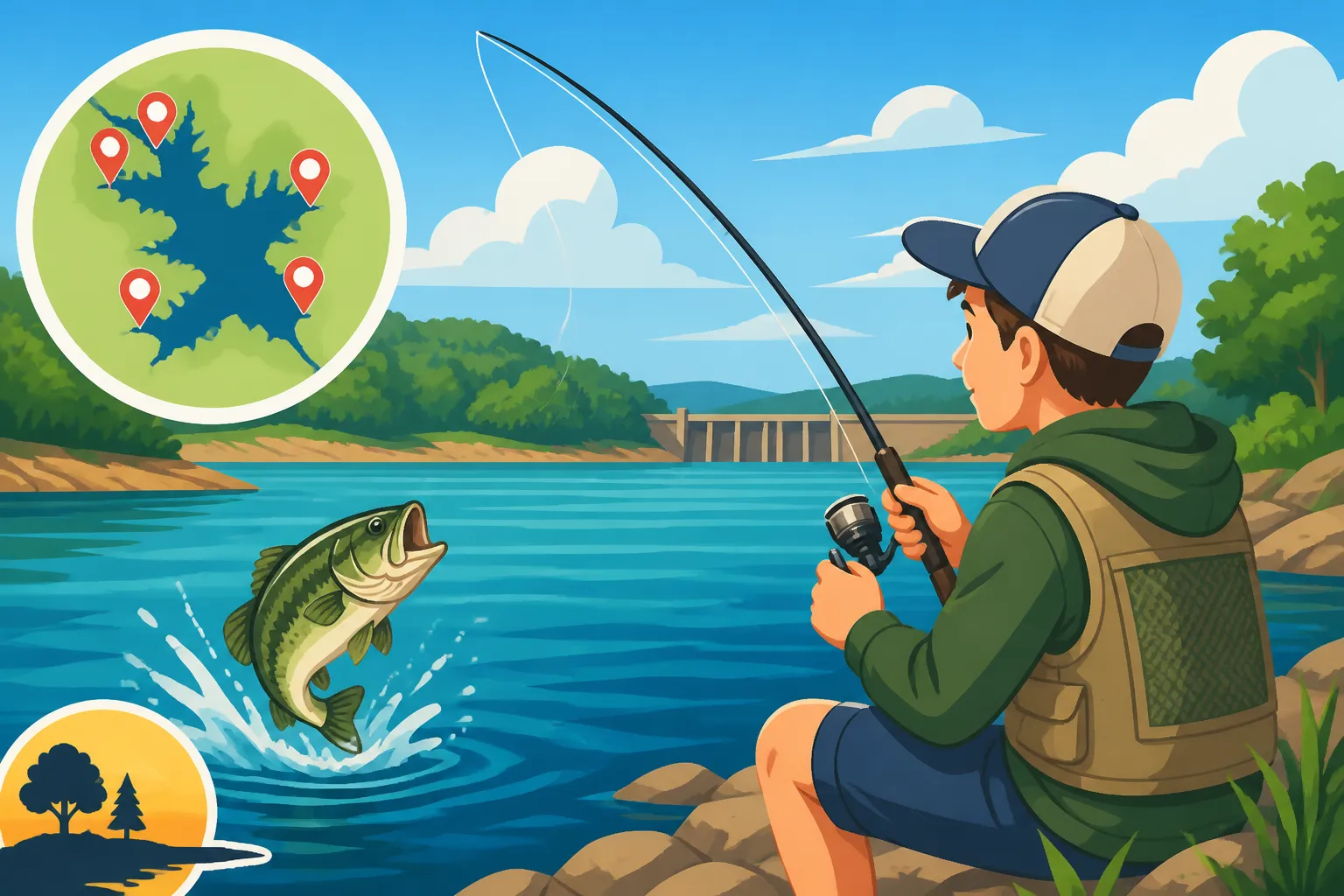
While chasing trophy bass can be a complex endeavor, there are plenty of spots on Lake Shelbyville where first-timers can learn to catch largemouth bass. Look for areas with visible cover – fallen trees, stumps, rocky points, or even weed lines. Coves near Sullivan Beach, or parts of the Opossum Creek arm, often have accessible cover that holds bass.
- What to expect: Bass will often hold tight to cover, waiting to ambush prey. For beginners, casting simple lures like spinnerbaits, plastic worms (Texas-rigged to be weedless), or even topwater poppers (especially early morning or late evening) around these visible structures can be very productive. Focus on making accurate casts close to the cover and slowly retrieving your lure. If you're looking for guided experiences, platforms like FishingBooker can connect you with experienced bass guides who know exactly where these fish hide and what techniques work best.
- Why it's beginner-friendly: Targeting visible cover simplifies the process; you know where the fish should be. The initial strike from a bass can be exhilarating and is a great way to get hooked on fishing. These coves are still relatively protected, allowing you to focus on casting and presentation without worrying about rough water. It's a fantastic stepping stone to understanding bass behavior before tackling more complex patterns or deeper waters. If you're serious about bass, our Best Bass Fishing Lakes in Illinois article provides more regional context.
Essential Tips for Your First Lake Shelbyville Trip
Embarking on your first fishing adventure on a new lake can be a lot, but with a few practical tips, you can set yourself up for success. It’s not just about finding the fish, but also about preparing yourself for the experience, learning basic techniques, and staying safe. Remember, every expert angler started out as a beginner, so embrace the learning process!
What Fish to Target First
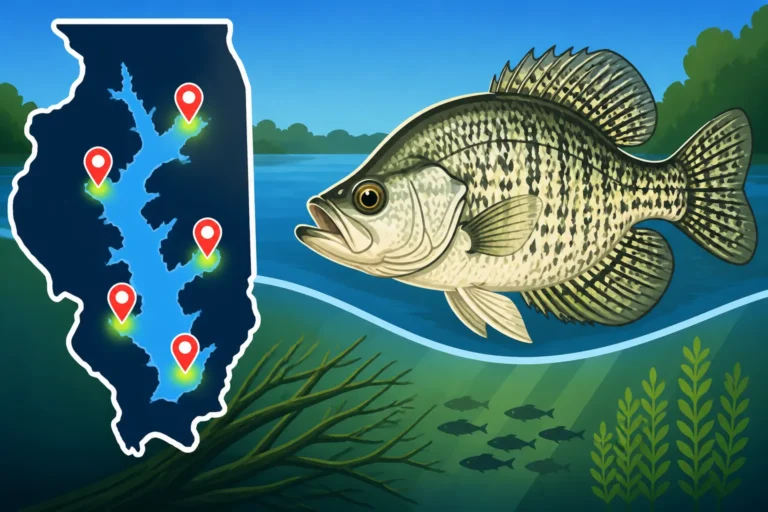
When you're new to fishing, the goal isn't necessarily to catch the biggest or most challenging fish. It's about getting bites, feeling the tug on your line, and understanding the basics. For this reason, panfish are your best friends on Lake Shelbyville.
- Bluegill and Crappie: These species are abundant, relatively easy to catch, and often school together, meaning if you find one, you're likely to find more. They don't require fancy tackle or complex techniques.
- Why target them first: Catching panfish provides instant gratification, builds confidence, and teaches you fundamental skills like casting, setting the hook, and reeling in a fish. It also makes for a fantastic family outing, as even the youngest anglers can get in on the action. Plus, they're delicious! Our guide on Best Beginner-Friendly Fish Species for Kids Fishing in Illinois further highlights why panfish are perfect for starting out.
- When and where: Look for them in shallower coves, around submerged brush, standing timber, or near fishing piers, especially during spring and early summer when they're actively spawning.
Simple Rigs and Baits to Use
Don't overcomplicate your tackle box for your first trip. A simple approach is often the most effective for beginners.
- Bobber Rig: This classic setup is incredibly versatile for panfish and smaller bass. Attach a bobber a foot or two above a small hook (size 6-10) and a tiny split shot weight a few inches above the hook.
- Bait: Live worms (nightcrawlers, red wigglers), crickets, or small minnows are consistently effective. Small jigs (1/32 to 1/16 ounce) tipped with a small plastic grub or Gulp! bait also work wonders under a bobber.
- Bottom Rig: For catfish or fishing in deeper water off the dam. Use a simple Carolina rig or a three-way swivel rig.
- Bait: Cut bait (chicken livers, shad, even hot dogs) are irresistible to catfish. A piece of worm or a large minnow can also attract larger panfish or bass.
- Lure Basics: A few simple lures can cover a lot of ground.
- Spinnerbaits: Great for bass around cover. Start with a white or chartreuse color in 1/4 to 3/8 ounce.
- Small crankbaits: Good for covering water and finding active fish.
- Jigs: Versatile for crappie, walleye, and bass.
- Keep it manageable: You don't need dozens of different lures. A small selection of proven baits will allow you to focus on your technique rather than constantly changing tackle. Remember to secure your Illinois Fishing License Guide for 2026 before heading out.
Safety and Regulations for Newbies
Understanding the rules and prioritizing safety is paramount, especially on a large body of water like Lake Shelbyville. No one wants their first fishing trip to involve a run-in with a park ranger or an avoidable accident.
- Fishing License: In Illinois, generally, anyone age 16 and older needs a fishing license. Make sure you have yours before you even wet a line. You can often purchase them online or at local bait shops and sporting goods stores. Our guide on How to Get an Illinois Fishing License explains the process in detail.
- Life Jackets: If you're on a boat, even a small one, make sure everyone has a properly fitting life jacket, and children under 13 are required to wear them whenever the boat is underway. This is not just a rule; it's a critical safety measure. You can learn more about Illinois Life Jacket and PFD Rules to keep you and your companions safe.
- Know the Limits: Be aware of the daily catch limits and size restrictions for the species you're targeting. These regulations are in place to ensure healthy fish populations for everyone. The Illinois Fishing Information Guide, often available at local bait shops or online, is your best friend for up-to-date rules.
- Weather Watch: Lake Shelbyville can get rough quickly with changing weather. Always check the forecast before heading out, especially if you're in a boat. If storms are predicted, err on the side of caution and postpone your trip.
- Sun Protection: Spend enough time outdoors and you'll quickly realize how harsh the sun can be. Bring sunscreen, a hat, and sunglasses to protect yourself from harmful UV rays. Hydration is also key, so pack plenty of water.
- Leave No Trace: Always pack out everything you pack in. Dispose of all trash, including old fishing line, properly. Keep our beautiful lake clean for everyone to enjoy.
Learning to fish on Lake Shelbyville is a rewarding experience, and with these beginner-friendly spots and tips, you'll be well on your way to becoming a confident angler. Don't be afraid to ask questions, experiment, and most importantly, enjoy the tranquility and excitement that fishing offers. And if you're ever looking for local expertise, remember that resources like FishingBooker can help you connect with experienced guides who can show you the ropes and put you on the fish. Happy fishing!
Disclaimer
The information provided in this guide is for general informational purposes only and is subject to change. Fishing regulations, license requirements, and access points can vary and are updated periodically by the Illinois Department of Natural Resources (IDNR) and local authorities. Always consult the most current official IDNR fishing guide and local postings before planning your trip. Angling involves inherent risks; always prioritize safety and adhere to all applicable laws and regulations.