Illinois River Fishing Guide
Oh, the Illinois River! If you've spent any time looking at maps or chatting with local anglers, you know it's a huge, complex beast of a waterway, stretching for hundreds of miles right through the heart of our state. It can be incredibly intimidating to even know where to start, let alone what to fish for or what rules apply. This guide is here to break down the Illinois River, helping you understand its unique characteristics, pinpoint the best fishing spots, identify the key species you'll encounter, and equip you with the knowledge to make your next trip a success.
Understanding the Illinois River's Unique Fishing Landscape
The Illinois River isn't just one type of water; it's a dynamic system that changes dramatically from its headwaters near Joliet all the way down to its confluence with the Mississippi River near Grafton. This vastness means different fishing experiences, different species concentrations, and certainly different challenges depending on where you drop your line. It’s not like fishing a small, contained lake where you can pretty much learn every cove in a season. The Illinois River demands respect and a bit of homework, but the rewards can be incredible.
A River of Contrasts: Navigating North to South
Think of the Illinois River as having distinct personalities. Up north, particularly in its upper reaches and near cities like Morris and Joliet, it feels more like a channelized waterway, influenced heavily by barge traffic and urban runoff, though still holding surprising pockets of great fishing. As you move south past Peoria and into the wider, more sprawling sections below Beardstown, it starts to resemble a large, meandering floodplain river. Here, you'll find expansive backwaters, oxbow lakes, and numerous feeder creeks and ditches that create incredible habitat complexity. These areas are often less impacted by direct urban pressures and offer a more "wild" fishing experience.
The locks and dams along the river also create distinct pools, each with its own current dynamics and fish populations. Understanding these pools – how they're managed, where the current is strongest, and where the slack water hides – is crucial for consistent success. This can be a major frustration for new anglers, as what works in one pool might be useless just a few miles downstream in the next. The constant flow and elevation changes mean fish are always on the move, responding to water levels, temperature, and food availability. It's a puzzle, but a rewarding one.
Why the Illinois River is a Prime Fishing Destination
Despite its challenges, the Illinois River is an absolute gem for anglers. Its sheer size and the diversity of its habitats support an incredible array of fish species. From hard-fighting game fish to delectable panfish, there’s truly something for everyone. It’s a river that consistently produces trophy-sized fish across multiple categories, making it a destination for those looking for a personal best. Many anglers, myself included, have spent countless hours exploring its bends and backwaters, always discovering something new.
Beyond the numbers, the river offers a sense of adventure that smaller lakes simply can't match. You might find yourself fishing a quiet, secluded backwater teeming with crappie one day, and the next, you're battling a huge flathead catfish in the swift current of the main channel. It's this variety and the constant opportunity for discovery that keeps anglers coming back year after year. Plus, with so many access points and communities lining its banks, finding a spot to launch your boat or simply cast from shore is rarely an issue, though some spots are definitely better than others. It's also a great place to hire a local guide, perhaps found through a platform like FishingBooker, who can help demystify the vastness and quickly put you on fish.
Targeting the Top Fish Species of the Illinois River
The Illinois River is a true multi-species fishery, boasting an impressive lineup of game fish and panfish that thrive in its varied environments. Knowing what species are prevalent in different sections and at different times of the year is key to filling your cooler or landing that trophy. It's often said that if you can't catch a fish on the Illinois River, you're doing something wrong, because there's always something biting.
Chasing Channel and Flathead Catfish
If you talk about the Illinois River, you have to talk about catfish. This river is legendary for its whiskered residents, particularly robust channel catfish and monster flathead catfish. They're widespread throughout the entire system, but their preferred habitats vary. Channel cats are opportunistic feeders and can be found almost anywhere – channels, backwaters, current breaks, even cruising shallow flats. Flatheads, however, are ambush predators that prefer structure: log jams, brush piles, submerged trees, and deep holes, especially those with current.
Fishing for catfish on the Illinois River usually involves bottom fishing techniques. For channel cats, cut bait, stink baits, and worms are all highly effective. For flatheads, live bait is almost always king – big shad, bluegill, or even a robust bullhead. You'll need sturdy gear for these fish; they fight hard and often inhabit areas with snags. Many anglers swear by setting up trotlines or using jug fishing techniques in the wider, slower sections of the river, while others prefer to actively hunt them with heavy rods and reels. Check out our detailed guide on Illinois Channel Catfish Daily Limit of 20 Fish and Illinois Flathead Catfish Limit of 10 Fish Per Day to stay within regulations.
Finding Walleye and Sauger in the Current
Walleye and their close cousins, sauger, are highly prized by Illinois River anglers for their delicious white meat and challenging fight. These fish are most often found in the main river channel, especially around current breaks, dam tailwaters, wing dams, and deep holes. They love to hug the bottom and ambush baitfish as they're swept past. The sections of the river above Peoria, particularly near the Starved Rock Lock and Dam, are famous for their walleye and sauger runs, especially during spring and fall.
Jigging with live minnows or soft plastics, trolling with crankbaits, and three-way rigging with minnows or jigs are all highly effective methods for these species. Pay close attention to current seams and changes in bottom structure. A good fish finder can be invaluable here to locate schools holding tight to the bottom. Don't be surprised if you hook into a true river monster; the Illinois River produces some impressive sizes. For more specific rules, review our article on the Illinois Walleye Minimum Size Limit of 14 Inches.
Unlocking the Potential of Largemouth and Smallmouth Bass
While not always the first fish that comes to mind on the Illinois River, both largemouth and smallmouth bass offer excellent angling opportunities. Largemouth bass tend to prefer the quieter, shallower waters of the backwaters, sloughs, and protected coves. They'll hide in vegetation, submerged timber, and around docks, just like they would in a lake. Smallmouth bass, on the other hand, are river warriors. They thrive in the main channel, gravitating towards rocky areas, current seams, wing dams, and bridge pilings where they can ambush prey.
For largemouth, classic lake tactics work well: spinnerbaits, crankbaits, jigs, and Texas-rigged worms. Target areas with good cover and reduced current. For smallmouth, think about imitating crawfish or baitfish. Small crankbaits, tubes, grubs, and jigs worked near rocky structure and current breaks are often deadly. Fly fishing can also be incredibly productive for smallmouth in the clearer, rockier sections. Always be aware of the Illinois Statewide Bass Daily Catch Limit of Six Fish and any site-specific regulations.
Panfish Galore: Crappie and Bluegill in Backwaters
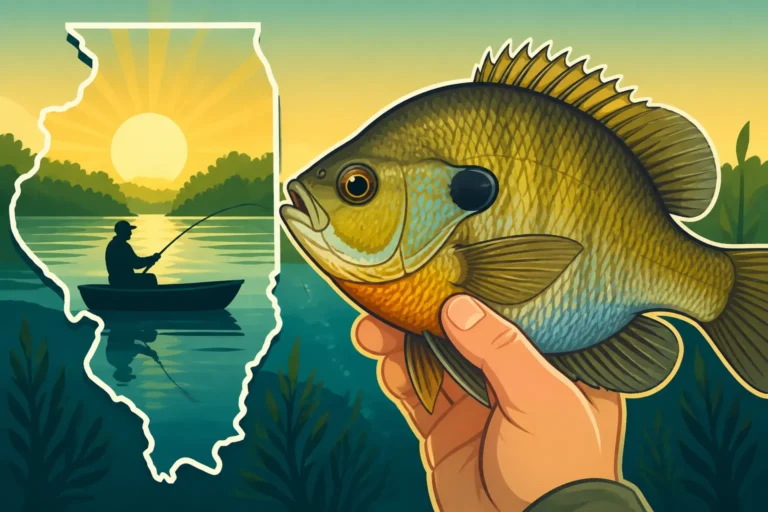
For a relaxing day and a tasty meal, the Illinois River's numerous backwater lakes and sloughs are absolute goldmines for panfish like crappie and bluegill. These areas offer calmer waters, abundant cover in the form of submerged timber and aquatic vegetation, and a rich food source. During the spring spawn, these backwaters can be absolutely teeming with fish, offering fast action that's perfect for families or beginners.
Small jigs tipped with minnows or soft plastics are deadly for crappie, especially when fished around brush piles or standing timber. For bluegill, a simple setup with a bobber, a small hook, and a worm, cricket, or piece of corn is often all it takes. Ultralight tackle makes these fights even more enjoyable. While the main river channel offers plenty of excitement, don't overlook the incredible opportunities these connected waters provide. You can find out more about prime locations in our guide to the Best Crappie Fishing Lakes in Illinois.
Key Fishing Spots and Access Points Along the River
The Illinois River is long, really long, stretching over 270 miles! This means there are countless places to wet a line, from bustling urban areas to secluded natural backwaters. Knowing where to go can feel like half the battle, but thankfully, there are some perennial hotspots and readily accessible areas that promise great fishing.
Starved Rock and Peoria: Northern Hotspots
The stretch of the Illinois River around Starved Rock State Park and Utica, then extending down through Ottawa and eventually to Peoria, is arguably one of the most popular and productive sections of the entire river. This area is characterized by several locks and dams, notably Starved Rock and Peoria, which create excellent fishing opportunities, especially for walleye and sauger, as well as various species of catfish. The tailwaters below these dams are natural congregation points for fish, attracting them with oxygenated water and concentrated baitfish.
- Starved Rock: The area below the Starved Rock Lock and Dam is famous for its spring and fall walleye and sauger runs. Anglers often brave the cold for incredible action here. It’s also a fantastic spot for white bass, especially during their spring spawn. The main channel and deeper holes in this section also hold large flathead catfish. Access can be found at various public ramps, and the shores along the state park sometimes offer bank fishing opportunities, though safety near the dam is paramount.
- Peoria Pool: As you move downstream, the Peoria Pool offers a different kind of fishing. This wider, slower section provides excellent habitat for largemouth bass in its numerous backwater ponds and sloughs. The main channel, however, is still great for walleye, sauger, and all three species of catfish. Public boat ramps and marinas are plentiful in and around Peoria, making it easy to launch a boat. The city's riverfront also offers some excellent shore fishing for urban anglers. Our guide on Illinois River Fishing Spots Near Peoria offers even more specific details.
Alton and Grafton: Southern Junctions
Further south, where the Illinois River prepares to merge with the mighty Mississippi, you'll find another prime fishing zone around Alton and Grafton. This is where the river widens considerably, becoming a vast network of main channel, side channels, islands, and extensive backwater areas. The sheer volume of water and diversity of habitat make it incredibly productive, especially for catfish and various panfish.
- Confluence Area: The area where the Illinois meets the Mississippi is a dynamic fishery influenced by both rivers. Current is a major factor here, and understanding how fish relate to current breaks, eddies, and submerged structure is crucial. This region is a flathead catfish paradise, with some truly enormous specimens pulled from its depths. Channel catfish are also abundant. Additionally, white bass and crappie can be found in incredible numbers during their respective seasons, especially in the calmer side channels and backwaters just off the main flow.
- Grafton and Alton: These towns serve as excellent hubs for accessing the lower river. Both offer multiple public boat ramps, bait shops, and lodging options. Many anglers find a professional guide through services like FishingBooker to navigate this complex part of the river, as local knowledge can make a huge difference in pinpointing hot spots. The extensive backwater lakes, like those found within the Two Rivers National Wildlife Refuge, are phenomenal for crappie and bluegill.
Backwater Lakes and Tributaries
Beyond the main river channel, the Illinois River system is peppered with countless backwater lakes, sloughs, and tributary creeks. These often overlooked areas are vital nurseries for many species and can offer some of the most consistent and enjoyable fishing, especially for panfish and largemouth bass.
These backwaters are typically calmer, warmer, and shallower than the main river, often boasting abundant aquatic vegetation and submerged timber – perfect cover for fish. They become particularly active during stable weather conditions, and during periods of high water, fish will often move into these floodplains. When the river levels drop, fish can become concentrated in these pools. Exploring these areas, often requiring smaller boats or even kayaks, can lead to incredible catches of crappie, bluegill, and largemouth bass. Keep an eye on local water level reports; knowing when the river is rising or falling can tell you exactly where the fish are moving.
| Species | Best Locations | Primary Baits/Lures | Ideal Season |
|---|---|---|---|
| Channel Catfish | Main channel, backwaters, current breaks | Cut bait, stink baits, worms | Spring-Fall |
| Flathead Catfish | Log jams, deep holes, submerged timber | Live bait (shad, bluegill) | Spring-Fall |
| Walleye/Sauger | Dam tailwaters, current breaks, wing dams | Jigs (minnows/plastics), crankbaits, 3-ways | Spring/Fall |
| Largemouth Bass | Backwaters, sloughs, vegetation | Spinnerbaits, crankbaits, jigs, worms | Spring-Fall |
| Smallmouth Bass | Rocky areas, current seams, bridge pilings | Small crankbaits, tubes, grubs, jigs | Spring-Fall |
| Crappie | Backwater timber, brush piles, protected coves | Small jigs (minnows/plastics) | Spring-Fall |
| Bluegill | Shallow backwaters, vegetation, docks | Worms, crickets, small artificial lures | Spring-Fall |
Seasonal Strategies for Illinois River Anglers
Fishing the Illinois River successfully often means understanding how the seasons dictate fish behavior and location. What works in April might fail miserably in August, and knowing these shifts is what separates a good angler from a great one. The river's vastness makes these seasonal patterns even more pronounced, as different sections respond to temperature and flow changes in unique ways.
Spring's Bounty: Pre-Spawn and Early Season Action
Spring on the Illinois River is a period of intense activity as fish shake off the winter doldrums and prepare for the spawn. As water temperatures begin to climb, fish move from their deep wintering holes into shallower, warmer areas, often seeking out protected coves and backwaters. This is prime time for many species.
- Pre-Spawn Feasting: Early spring, when water temps are in the 40s and 50s, sees fish feeding heavily to build energy for spawning. Crappie will start moving into shallow brush, and largemouth bass will stage near spawning flats. Walleye and sauger will make their famous runs upriver to staging areas below dams. Anglers targeting these species should focus on bait presentation that mimics natural prey, as fish are often aggressive.
- Spawn Time: As temperatures stabilize in the 60s, the spawn truly kicks off. Crappie and bluegill will be in extremely shallow water, often visible from shore in backwater areas. Largemouth bass will be on their beds, and smallmouth will be found on rocky points and gravel bars. Catfish will also become highly active. This can be a fantastic time for sheer numbers of fish, though it's important to practice catch and release responsibly during the spawn to protect future populations. Keep an eye on the Best Time of Year to Catch Walleye to maximize your chances.
Summer's Heat: Night Fishing and Deep Water Tactics
Summer on the Illinois River can be challenging, but it also offers unique opportunities. As water temperatures soar, many fish retreat to deeper, cooler water or become more active during low-light conditions. The key here is adaptation and often, a willingness to fish when others aren't.
- Deep Water Retreat: During the heat of the day, walleye, sauger, and catfish will often seek out the deepest holes, main channel current breaks, or areas with springs or cooler inflows. Trolling deep-diving crankbaits or fishing heavy jigs and live bait on the bottom are effective tactics. Look for shaded areas or bridge pilings that offer a reprieve from the sun.
- Night Fishing Magic: Summer nights on the Illinois River are legendary for catfish. Flatheads, in particular, become much more active after dark, cruising shallow flats or moving into log jams to hunt. Channel cats will also feed aggressively throughout the night. It's an incredibly peaceful and productive time to be on the water, but always prioritize safety with proper lighting and awareness of other river traffic. You can explore Catfish Bottom Fishing Techniques for more specific summer approaches.
Fall's Frenzy: Feeding Sprees and Migrations
Fall is arguably one of the best times to fish the Illinois River. As temperatures cool, fish sense the approaching winter and embark on a feeding frenzy, packing on weight. Many species also begin migrations, making certain areas incredibly productive.
- Aggressive Feeding: Largemouth and smallmouth bass will be chasing baitfish aggressively, often schooling up in shallow water during mornings and evenings. Crankbaits, spinnerbaits, and topwater lures can be highly effective. Walleye and sauger will make another strong run, often found in similar locations to spring but with a renewed hunger.
- Catfish Movement: Catfish will continue to feed heavily throughout the fall, often concentrating in deeper holes as temperatures drop further. They're still very active and can be caught using similar methods to summer, but often with bigger baits. This pre-winter feeding makes for some truly exciting fishing.
Winter's Chill: Ice Fishing Opportunities and Deep Runs
While much of the Illinois River remains open due to current and barge traffic, certain backwater areas and protected embayments do freeze over, offering ice fishing opportunities. For those willing to brave the cold on open water, winter can still produce some impressive catches.
- Ice Fishing in Backwaters: In stable, cold winters, the shallower, calmer backwaters can develop safe ice. These areas are fantastic for crappie, bluegill, and even some largemouth bass. Small jigs tipped with wax worms or minnows are the go-to baits. Always check ice thickness before venturing out and adhere to all safety guidelines.
- Open Water Deep Runs: For anglers on open water, fish will be concentrated in their deepest wintering holes. Walleye, sauger, and catfish will be sluggish but can still be caught by presenting baits slowly and directly on the bottom. Vertical jigging or slow-trolling heavy jigs and spoons are often the most productive methods in these cold conditions. Patience is key, but the rewards can be worth the effort.
Essential Gear and Techniques for Illinois River Success
Tackling a river system as diverse as the Illinois River requires adaptable gear and a willingness to try different techniques. What works for a finesse bass presentation in a quiet backwater won't cut it for a trophy flathead in the main channel current. Having the right tools for the job can make all the difference in converting bites into fish in the net.
Rods, Reels, and Lines for Riverine Challenges
The sheer variety of fishing on the Illinois River means you'll likely want a few different setups to cover your bases.
- Catfish/Heavy Species: For big catfish and even muskie (though rarer on the Illinois), you'll need heavy-duty gear. Look for medium-heavy to heavy power casting rods, typically 7-8 feet long, paired with robust baitcasting reels capable of holding 20-30 lb monofilament or 50-80 lb braided line. This setup provides the backbone to handle powerful fish and pull them out of heavy cover.
- Walleye/Sauger: A medium-light to medium power spinning rod (6.5-7 feet) with a sensitive tip is excellent for jigging walleye and sauger. Pair it with a 2500-3000 series spinning reel spooled with 8-10 lb braided line and a fluorocarbon leader for sensitivity and stealth. If you're trolling, dedicated trolling rods with line counter reels are invaluable.
- Bass/Panfish: For largemouth bass in backwaters, a versatile medium power spinning or casting rod (6.5-7 feet) with 10-15 lb braided line (or 8-12 lb fluorocarbon/mono) is perfect. For smallmouth in current, a slightly faster action medium-light spinning rod can give you the sensitivity needed. For panfish, ultralight spinning gear with 4-6 lb test line is the way to go, maximizing the fun of even smaller catches. When choosing, consider some of the Best Rods and Reels for Illinois Anglers we've reviewed.
Effective Baits and Lures for Diverse Species
Matching your bait to the species and conditions is crucial for success on the Illinois River.
- Live Bait: For many species, especially catfish, walleye, and sauger, live bait is incredibly effective. Shad, minnows, nightcrawlers, and bluegill (where legal for flatheads) are river staples. Always ensure your live bait is fresh and lively. Presenting live bait on a Carolina rig, three-way rig, or under a slip bobber are common tactics.
- Artificial Lures:
- Jigs: From small crappie jigs to heavy hair jigs for walleye/sauger or even large swim jigs for bass, jigs are incredibly versatile. Tip them with soft plastics or live bait for added appeal.
- Crankbaits: Deep-diving crankbaits are essential for trolling walleye and sauger in the main channel, while shallow-running and square-bill crankbaits excel for bass in backwaters.
- Spinnerbaits & Chatterbaits: Excellent search baits for bass, especially when covering water in backwaters or along weed lines.
- Soft Plastics: Worms, creature baits, tubes, and grubs can be rigged in countless ways (Texas rig, Carolina rig, shaky head) for bass and smallmouth, and smaller versions are great for crappie and walleye.
- Scent & Color: Don't underestimate the power of scent, especially for catfish, and always consider water clarity when choosing lure colors. Brighter colors for stained water, natural colors for clear.
Boat and Shore Fishing Considerations
The Illinois River offers ample opportunities for both boat and shore anglers, though each comes with its own set of considerations.
- Boat Fishing: A boat gives you unparalleled access to the vastness of the river, allowing you to explore backwaters, target main channel structure, and chase schooling fish. However, river boating comes with unique challenges: strong currents, barge traffic, fluctuating water levels, and hidden hazards like submerged logs. Always prioritize safety, have all required safety gear, and understand river navigation rules. If you're a beginner boater, our Boat Fishing Tips for Beginners can provide a good foundation. Many access points feature excellent boat ramps, but always check conditions, especially during high water. You can even book a guided trip with a local expert through a site like FishingBooker to learn the ropes.
- Shore Fishing: While not as versatile as boat fishing, the Illinois River still offers numerous shore fishing spots. Public parks, riverwalks, access areas below dams, and bridge abutments can all provide good bank access. For catfish, finding a quiet bend with some current and casting a weighted bait to the bottom can be very effective. For panfish, look for backwater areas with easy bank access. Always be mindful of private property and follow all posted rules. Shore anglers often find themselves targeting species like carp and drum in addition to the popular game fish, as these are readily accessible from the bank.
Navigating Illinois River Fishing Regulations
Navigating fishing regulations can be one of the most frustrating parts of fishing, and the Illinois River, with its extensive length and diverse ecosystems, is no exception. It’s not just about statewide rules; many sections of the river have site-specific regulations that can differ significantly, making it crucial to do your homework before you go. The last thing you want is a run-in with a conservation officer because you unknowingly kept an undersized fish or exceeded a specific daily limit.
Statewide vs. Site-Specific Rules
Illinois has a comprehensive set of statewide fishing regulations that apply to most public waters. These cover general licensing requirements, species identification, and overall daily and possession limits. For example, you'll need an Illinois Fishing License Guide for 2026 if you're over 16, and there are standard rules for things like pole and line limits. However, the Illinois River, especially certain pools or specific backwater lakes connected to it, often has special regulations.
These site-specific rules are put in place by the Illinois Department of Natural Resources (IDNR) to manage particular fisheries more effectively. They might include different minimum size limits, reduced daily catch limits, or even special gear restrictions for certain species in certain areas. For instance, a statewide bass limit might be six fish with no minimum size, but a specific section of the Illinois River could have a 14-inch minimum and a three-fish daily limit. It's imperative to consult the current Illinois Fishing Information Guide, available online or at bait shops, to verify the rules for the exact stretch of river you plan to fish. Ignoring these can lead to fines and legal trouble.
Understanding Catch and Size Limits
Beyond knowing where to fish, you need to understand how many and how big you can keep. Catch limits, also known as daily limits, dictate the maximum number of a specific fish species you can harvest in a 24-hour period. Possession limits refer to the maximum number of fish you can have on your person or in your vehicle at any given time, which often equals the daily limit, but can differ for species that are cleaned and frozen for transport.
Size limits specify the minimum (or sometimes maximum) length a fish must be to be legally harvested. This is often in place to protect juvenile fish and allow them to reach reproductive maturity, ensuring healthy populations for future generations. For example, as we discussed earlier, the Illinois Walleye Minimum Size Limit of 14 Inches is a critical rule to remember. Always measure your fish carefully and release anything that doesn't meet the legal requirements. A measuring board or tape is an essential piece of gear for any serious Illinois River angler. When in doubt, always release the fish to fight another day. It's better to be safe than sorry, and it helps maintain the fantastic fishing we all enjoy on this incredible river.
Disclaimer
Please note that fishing regulations and conditions can change. Always consult the official Illinois Department of Natural Resources (IDNR) website or the current Illinois Fishing Information Guide for the most up-to-date rules and information before your fishing trip. This guide is for informational purposes only and does not constitute legal advice.