Catch-and-Release Bass Seasons on Some Illinois Lakes
It can be incredibly frustrating to plan a perfect bass fishing trip, only to discover that your favorite Illinois lake has special catch-and-release periods that throw a wrench in your plans for bringing home dinner. It feels like the rules are always changing, and keeping up can be a real headache. This guide will help you understand why some Illinois lakes have these specific catch-and-release bass seasons, which waters are affected, and how you can still have a rewarding day on the water while adhering to these important conservation efforts.
The Conservation Strategy Behind Catch-and-Release Bass Seasons
You might wonder why, after successfully landing a beautiful largemouth or smallmouth bass, you’re suddenly being told you have to put it back. It’s not just to make things difficult, I promise. Catch-and-release regulations for bass are a critical tool used by the Illinois Department of Natural Resources (IDNR) to manage fish populations, enhance specific fisheries, and ensure sustainable angling opportunities for future generations. It’s all about balance and long-term health for our beloved waterways.
Protecting Spawning Bass and Nursery Waters
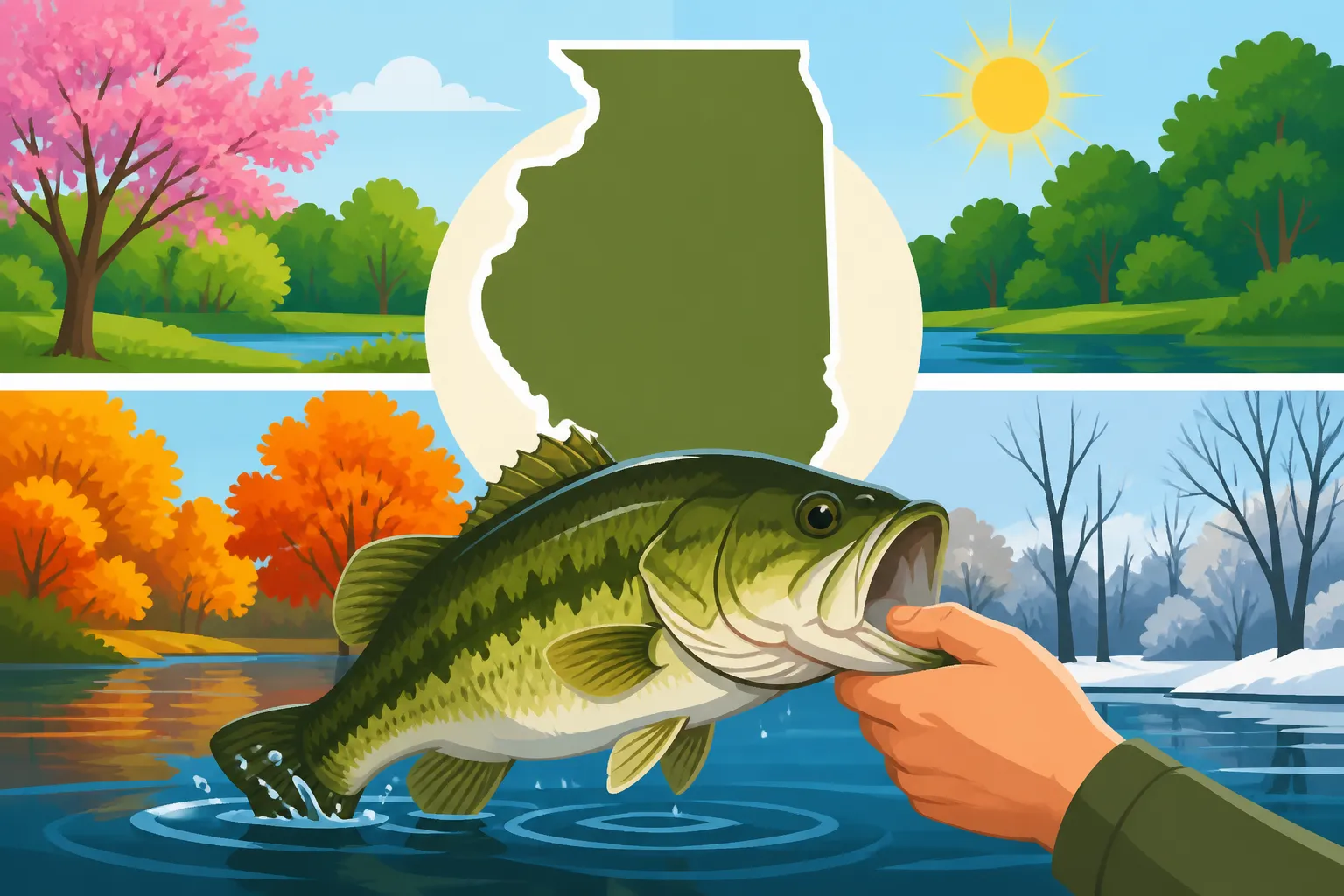
One of the primary reasons for implementing catch-and-release periods is to protect bass during their crucial spawning season. Bass, particularly largemouth bass, are diligent nest builders and protectors. During the spring, as water temperatures rise, males scout out shallow areas, fan out a nest, and entice females to lay eggs. Once the eggs are laid, the male fiercely guards the nest from predators. If anglers remove these nesting males, the eggs and newly hatched fry become highly vulnerable and often don’t survive.
By designating a catch-and-release period, especially around the core of the Illinois Bass Spawn Timing Guide, the IDNR aims to minimize disturbance to these spawning fish. This allows a healthy cohort of young bass to hatch and grow, ensuring the next generation of fish. It's a proactive step that ultimately leads to more robust bass populations and better fishing in the long run. Think of it as giving the bass families a peaceful time to raise their young without interruption.
Managing Population Dynamics and Trophy Fisheries
Beyond protecting the spawn, catch-and-release seasons are also employed to fine-tune the overall population structure of bass in specific lakes. Sometimes, a lake might have an overabundance of smaller, stunted bass. In other cases, the goal might be to create a premier trophy bass fishery where anglers have a higher chance of hooking truly massive fish. Catch-and-release helps achieve both.
For instance, if a lake is managed for trophy bass, releasing all caught fish, regardless of size, allows more bass to survive and reach larger, more desirable sizes. This might be seen on lakes known for producing state record contenders or those listed among the Best Bass Fishing Lakes in Illinois. Conversely, if a lake has too many small bass, catch-and-release on smaller fish combined with specific slot limits (where only fish outside a certain size range can be kept) can allow the smaller fish to grow while still letting anglers harvest some larger ones. It’s a sophisticated approach to ensure healthy growth rates and a good balance of fish sizes, making for more exciting fishing for everyone involved.
Identifying Illinois Lakes with Special Bass Regulations
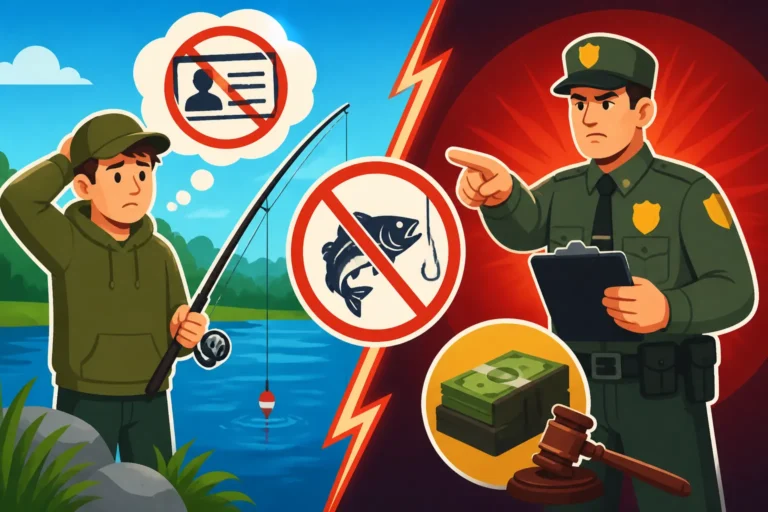
Not every lake in Illinois has catch-and-release bass seasons, and the rules can vary significantly from one body of water to another. It's vital to check the latest Illinois Fishing Regulations Overview from the IDNR before heading out, as these site-specific regulations often supersede the statewide rules. Failing to do so can lead to a surprise encounter with a conservation police officer and potential penalties for fishing without a license in Illinois if you’re not compliant.
Notable Lakes and Their Unique Bass Rules
Illinois has a few key lakes where catch-and-release bass seasons are regularly implemented or where specific size and harvest restrictions are in place that essentially function as strong encouragement for catch-and-release. These are often waters that the IDNR is actively managing for particular outcomes, like trophy potential or population recovery.
- Kinkaid Lake (Jackson County): This lake is famous for its clear waters and fantastic bass fishing. Often, Kinkaid Lake has specific bass regulations designed to produce quality fish. While not always a strict "catch-and-release only" season, it typically features a protected slot limit (e.g., all bass between 14-18 inches must be immediately released), which promotes the growth of larger fish and effectively makes much of the bass fishing catch-and-release. Always check the current IDNR fishing guide for the exact Kinkaid Lake rules, as they can be updated seasonally.
- Clinton Lake (DeWitt County): Known for its warm water discharge from the nuclear power plant, Clinton Lake can offer unique fishing opportunities, especially in colder months. Like Kinkaid, Clinton Lake frequently has special size and creel limits for largemouth bass, designed to optimize the fishery. These might include reduced daily limits or specific slot limits that push anglers towards releasing many of their catches, especially those prime breeding size fish.
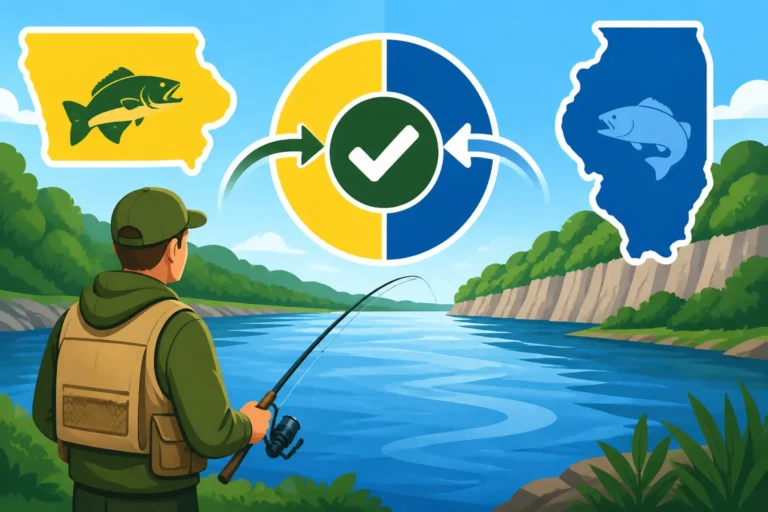
- Portions of the Mississippi River: While the Mississippi River has vast stretches with more general regulations, certain backwater areas or specific pools might have localized rules to protect bass populations, especially during vulnerable times like the spawn. Given the complex nature of the river and its shared waters, understanding Illinois Fishing License Reciprocity With Missouri or Iowa is crucial, but so are the specific fishing regulations for the particular pool you are targeting.
How to Find Current Site-Specific Regulations
Relying on old information or hearsay is a sure way to run into trouble. The best and most current source for Illinois fishing regulations is always the official IDNR website or their annual fishing guide. You can usually find a downloadable PDF version online, or pick up a physical copy at local sporting goods stores like Cabela's or your regional IDNR office.
The guide usually dedicates specific sections to individual lakes and rivers, clearly outlining their unique bass regulations, including size limits, daily creel limits, and any catch-and-release periods. Don't just glance at the statewide rules for Illinois Statewide Bass Fishing Limits; dig deeper into the site-specific section for your chosen destination. It takes a few extra minutes, but it's an absolute must for responsible and legal angling.
Here's a quick reference for understanding common bass regulations on specific Illinois lakes:
| Lake Name | County | Common Bass Regulations (Check Current IDNR Guide) | Primary Management Goal |
|---|---|---|---|
| Kinkaid Lake | Jackson | Protected slot limits (e.g., 14-18 inches must be released), reduced daily limit. | Trophy Largemouth Bass |
| Clinton Lake | DeWitt | Specific length limits (e.g., 15-inch minimum), reduced daily limit. | Quality Largemouth Bass |
| Lake Shelbyville | Shelby/Moultrie | Usually statewide limits, but can have special rules depending on IDNR surveys. | Balanced Fishery |
| Rend Lake | Franklin/Jefferson | Generally statewide limits, known for abundance. | Abundant Largemouth Bass |
| Lake Michigan (nearshore) | Cook/Lake | Largemouth/Smallmouth bass often have specific size and creel limits for the entire Lake Michigan basin. | Quality Bass Fishery |
Always consult the most recent Illinois Fishing Information Guide for exact, up-to-date regulations before fishing.
Mastering Responsible Catch-and-Release Practices
Successfully fishing during catch-and-release bass seasons isn't just about following the rules; it's about adopting practices that ensure the fish you release have the best possible chance of survival. This means minimizing stress, injury, and handling time. It’s a core tenet of modern sportfishing, especially when targeting popular species like bass.
Essential Gear for Fish Health
Having the right gear makes a huge difference in the survival rate of released fish. Investing in a few key items can significantly reduce harm.
- Barbless Hooks or Pliers to Crimp Barbs: Barbless hooks are the gold standard for catch-and-release. They slide out much easier, causing less tissue damage. If you don't have barbless hooks, you can easily crimp down the barb on your existing hooks with a pair of fishing pliers, which you can find readily on Amazon. This small modification can prevent serious injury, especially if a fish swallows the hook.
- Fish Grips or Knotless Landing Net: These tools help you safely land and control the fish without tearing their sensitive mouthparts or removing too much of their protective slime coat. A rubber-coated, knotless landing net is ideal for bass, as it supports the fish's body evenly and doesn't scrape off scales. Fish grips, used carefully, can help you control a feisty bass for hook removal without directly handling its body.
- Long-Nose Pliers or Hemostats: These are invaluable for quickly and safely removing hooks, especially if they are deeply set. The longer reach helps you get into the fish's mouth without having to put your fingers too close to sharp hooks or gills.
When you're shopping for new gear, remember that retailers like Amazon offer a huge selection of specialized tools for catch-and-release, from barbless hooks to advanced fish-friendly nets.
Gentle Handling and Quick Release Techniques
The moment you land a bass, every second counts. How you handle the fish directly impacts its survival.
- Minimize Air Exposure: Fish breathe water, not air. Keep the fish in the water as much as possible. If you must lift it for a photo, do so quickly and support its full body weight horizontally. Avoid holding a large bass vertically by just its jaw, as this can dislocate its jaw or damage internal organs. Instead, cradle its belly with your other hand.
- Wet Hands: Always wet your hands before touching a fish. Dry hands can remove the fish's protective slime coat, leaving it vulnerable to infections and parasites.
- Quick Hook Removal: Use your long-nose pliers or hemostats to remove the hook as quickly and gently as possible. If the hook is deeply swallowed and cannot be removed without causing severe damage, it's often better to cut the line as close to the hook as possible. The hook will often rust out or be expelled by the fish.
- Revive If Necessary: If a fish seems sluggish or stressed after being caught, gently hold it upright in the water, facing into a mild current, and allow water to flow over its gills. Don't move it back and forth; this pushes water the wrong way. Once it shows signs of vigor, like trying to swim away, you can release it.
These practices aren't just for catch-and-release seasons; they're beneficial anytime you choose to release a fish, helping to preserve the quality of our fisheries. For more general tips on targeting bass, consider reviewing Bass Fishing Techniques for Beginners.
The Angler's Role in Sustainable Bass Fishing
As anglers, we are stewards of the environment. Our actions on the water have a direct impact on the health and longevity of the fisheries we cherish. Embracing catch-and-release during specific seasons, and even voluntarily at other times, is a powerful way to contribute to the future of Illinois fishing.
Respecting Regulations and Promoting Conservation
The regulations, while sometimes feeling restrictive, are put in place based on scientific research and biological surveys conducted by the IDNR. They are designed to ensure there are always fish to catch. Respecting these rules, even when it means releasing a fish you might otherwise keep, is fundamental. It demonstrates a commitment to conservation that goes beyond just filling a cooler.
Moreover, educating fellow anglers, especially newer ones, about the importance of these regulations and proper handling techniques is crucial. Sharing knowledge about topics like Illinois Fishing License Rules for Children or how to understand Illinois Trout and Salmon Stamp Requirements can help foster a community of responsible and informed anglers. When we all pitch in, the benefits for Illinois fishing are immense.
The Long-Term Benefits for Anglers
While it might seem counterintuitive, catch-and-release efforts, particularly on certain lakes, often lead to a more exciting fishing experience in the long run. When fish are allowed to grow larger and reproduce successfully, the population thrives. This means:
- More Fish: Healthier spawning success leads to more fish in the water.
- Bigger Fish: Allowing fish to live longer increases the chance they'll reach trophy sizes, like those discussed in Growth Rate of Largemouth Bass: How Long to Reach Trophy Size. Imagine the thrill of hooking a truly massive bass!
- Consistent Fishing: Stable populations mean reliable fishing opportunities year after year, reducing the boom-and-bust cycles that can plague overfished waters.
Ultimately, participating in and advocating for responsible fishing practices, including adhering to catch-and-release bass seasons, helps guarantee that the joy of Illinois fishing will be passed down for generations. It’s a small effort with enormous returns, ensuring there will always be plenty of excitement for anglers exploring the Best Illinois Rivers for Fishing or casting a line in a quiet lake.
Disclaimer
The information provided in this guide is for general informational purposes only and is not a substitute for official legal or regulatory advice. Fishing regulations in Illinois can change. Always consult the most current Illinois Department of Natural Resources (IDNR) fishing guide or website for the precise, up-to-date rules and regulations before engaging in any fishing activities.