Illinois Statewide Bass Daily Catch Limit of Six Fish
It can be incredibly frustrating to head out to your favorite fishing spot, only to realize the rules you learned for one lake don't apply to another. Navigating the myriad of Illinois fishing regulations, especially for popular species like bass, can feel like a full-time job. This comprehensive guide is here to cut through the confusion, clarify the statewide bass daily catch limit of six fish, and equip you with the knowledge to fish responsibly and confidently across all Illinois waters.
The Core of Illinois Bass Regulations: Six Fish Daily
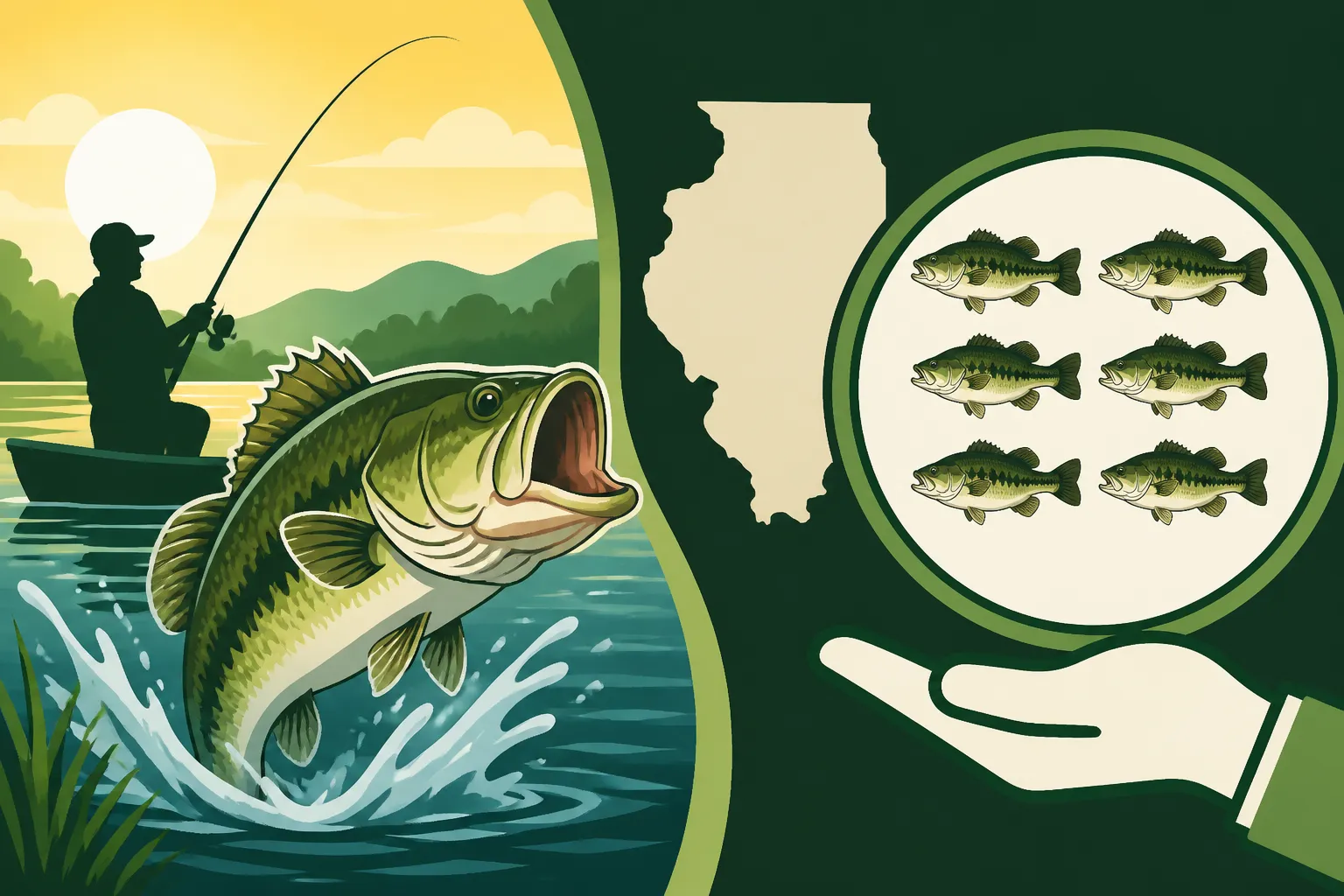
For many Illinois anglers, the default rule for bass is keeping six fish per day. This statewide daily catch limit is the bedrock of our bass fishing regulations, designed to maintain healthy fish populations and ensure that future generations can enjoy the thrill of reeling in a feisty largemouth or smallmouth. However, it’s a rule with nuances that every angler needs to understand before hitting the water.
What "Statewide Daily Catch Limit" Really Means
When the Illinois Department of Natural Resources (IDNR) sets a statewide daily catch limit of six bass, it means that, on most waters, an individual angler cannot legally harvest and keep more than six bass within a 24-hour period. This applies to both Largemouth Bass and Smallmouth Bass unless a specific lake or river has a special regulation that overrides this general rule. It's not about how many fish you catch, but how many you harvest and retain. If you catch seven bass, but release all but six, you're perfectly fine.
The daily limit is different from a possession limit, though they are often linked. A possession limit refers to the maximum number of fish you can have in your possession at any given time, regardless of when they were caught. For bass, the possession limit generally mirrors the daily limit, meaning you can't have more than six bass in your cooler or at your campsite. However, always double-check, especially if you're on a multi-day trip where different rules might apply. It's a key part of understanding the broader Illinois Fishing Regulations Overview.
The Conservation Rationale Behind Bass Limits
You might wonder why these limits are in place. It all comes down to conservation and sustainable management of our natural resources. Bass are one of Illinois's most popular sportfish, attracting thousands of anglers each year. Without regulations like the six-fish daily limit, overfishing could quickly deplete local populations, leading to smaller fish, fewer catches, and ultimately, a less enjoyable experience for everyone.
The IDNR sets these limits based on scientific data, population assessments, and habitat conditions. They want to prevent overharvesting, especially during critical times like spawning seasons, to ensure that enough bass survive to reproduce and maintain a healthy ecosystem. These limits help maintain a balance, allowing anglers to enjoy their sport while protecting the future of our fisheries. It's a crucial component of the overall Illinois Fishing Season and Catch Limit Rules, ensuring long-term angling opportunities for everyone.
Navigating Site-Specific Bass Restrictions
While the six-fish statewide limit is a great starting point, the reality of Illinois fishing is that many lakes, rivers, and ponds have their own unique sets of rules for bass. Assuming the statewide limit applies everywhere is a common mistake that can lead to disappointment or, worse, a citation from a conservation police officer. It’s imperative to do your homework before you cast your line.
When the Six-Fish Rule Takes a Back Seat
There are numerous scenarios where you'll encounter regulations that differ from the statewide six-fish limit. These site-specific rules are often put in place to manage fish populations in particular bodies of water, which might have different ecological pressures, stocking programs, or angler use patterns. Here are some common variations you might encounter:
- Slot Limits: This is a popular management tool. For example, a lake might have a rule that says "all bass between 14 and 18 inches must be immediately released." This means you can keep bass under 14 inches and/or over 18 inches, but not within that protected slot. Sometimes, there’s an additional rule, like "only one bass over 18 inches may be kept," to protect trophy potential.
- Reduced Daily Limits: Some smaller, intensively managed lakes, or those with slower-growing bass populations, might have a reduced daily limit, such as "three bass daily." These lakes are often smaller impoundments or park district ponds where fishing pressure can be very high.
- Catch-and-Release Only: Certain lakes or specific periods of the year might be designated as "catch-and-release only" for bass. This means no bass may be harvested, regardless of size or quantity. This is often done to help struggling populations rebound or to create trophy fisheries. You can learn more about this in our guide to Catch-and-Release Bass Seasons on Some Illinois Lakes.
- No Minimum Size Limit: In some specific cases, you might find waters with "no minimum size limit" for bass. This is less common but allows anglers to keep bass of any size, typically in waters where overpopulation of smaller bass is an issue.
These variations are why our guide Why Fishing Rules Vary by Lake and River is so popular – anglers often find it frustrating, but these rules are critical for local fish health. You'll find these unique rules on well-known bodies of water like Lake Shelbyville or Rend Lake, as well as smaller, local ponds managed by county forest preserves or the IDNR.
Essential Tools for Checking Local Rules
The single most important piece of advice any veteran angler can give you is to always check the specific regulations for the body of water you intend to fish before you go. Don't rely on memory or what you heard from a friend last year, as regulations can change.
Your primary resource is the current Illinois Fishing Information Guide. This comprehensive guide is published annually by the IDNR and contains all statewide and site-specific regulations. You can:
- Download it Online: The IDNR website (dnr.illinois.gov) is the most up-to-date source.
- Pick up a Physical Copy: Bait shops, sporting goods stores like Cabela's or Bass Pro Shops, and IDNR offices usually have free paper copies.
- Check Signboards: Many public boat ramps and access points will have large signs detailing the specific regulations for that body of water. Always take a moment to read them.
I highly recommend having access to this information on the water. Many anglers keep a digital copy on their phone. You can even find laminated versions of the Illinois Fishing Information Guide, or waterproof cases for your phone to keep your digital regulations safe, on Amazon. This foresight can save you a lot of hassle. Before heading out, make it a habit to consult our detailed guide on How to Find the Rules for a Specific Illinois Fishing Spot or check the Illinois Fishing Information Guide Covers April 2026 Through March 2027 for the latest season’s rules.
Here's a quick look at how bass limits can vary:
| Water Body Type | Typical Statewide Bass Limit | Example Site-Specific Rule | Species Affected |
|---|---|---|---|
| Most Illinois Lakes/Rivers | 6 fish daily, no size limit | N/A (statewide default) | Largemouth, Smallmouth |
| IDNR Managed Ponds | 6 fish daily, no size limit | 15-inch minimum length, 3 fish daily | Largemouth |
| Specific State Park Lakes | 6 fish daily, no size limit | 14-18 inch protected slot, 1 over 18" daily | Largemouth |
| Certain River Sections | 6 fish daily, no size limit | Catch-and-release only from March 1 to June 15 | Smallmouth |
| Tournament Waters | 6 fish daily, no size limit | Specific weigh-in rules apply, immediate release | Largemouth, Smallmouth |
The Repercussions of Ignoring Bass Limits
It's tempting sometimes, when the fish are biting, to stretch the rules a little, but believe me, it's never worth it. Conservation Police Officers (CPOs) in Illinois are highly trained and dedicated to protecting our natural resources. They patrol lakes, rivers, and access points constantly, and they know the local regulations inside and out. Getting caught breaking the rules can have serious legal, financial, and ethical consequences.
Understanding the Legal and Financial Consequences
If a CPO finds you in violation of bass daily catch or size limits, the consequences can range from a warning to significant penalties. Don't make the mistake of thinking it's just a slap on the wrist.
- Fines: The most common penalty is a monetary fine. These fines can be substantial, often starting in the hundreds of dollars, and can increase depending on the number of fish over the limit or the severity of the violation. Each fish over the limit can count as a separate offense.
- Court Appearances: Many violations require a court appearance, which means lost time from work and additional court costs.
- Loss of Privileges: In more serious or repeated cases, you could face the suspension or revocation of your fishing license, meaning you won't be allowed to fish in Illinois for a period of time.
- Confiscation of Gear: While less common for simple over-the-limit offenses, a CPO has the authority to confiscate your fishing gear, including rods, reels, and even boats, in severe cases of poaching or illegal activity.
- Jail Time: For egregious or repeated violations, especially those involving commercial poaching or blatant disregard for conservation laws, jail time is a possibility.
Remember, ignorance of the law is not an excuse. You are expected to know and follow the regulations. Our article on Penalties for Exceeding Your Daily Catch Limit goes into even more detail about what to expect if you find yourself in this unfortunate situation.
The Broader Impact of Overharvesting Bass
Beyond the personal legal and financial troubles, exceeding bass limits has a much broader, negative impact on our shared natural resources and the angling community as a whole.
- Ecological Damage: Overharvesting depletes fish stocks. If too many bass are removed, especially larger, reproducing fish, the population struggles to replenish itself. This can lead to a decline in fish numbers, smaller average sizes, and an imbalance in the aquatic food web. It directly harms the very resource we all enjoy.
- Reduced Trophy Potential: If anglers consistently keep more fish than the limits allow, the chances of anyone catching a truly large, trophy-sized bass diminish significantly. These larger fish are crucial for healthy genetics and are often the most effective spawners.
- Frustration for Other Anglers: Anglers who diligently follow the rules often become frustrated and disheartened when they see others breaking them. It creates an unfair playing field and can lead to resentment within the angling community.
- Tarnished Reputation: Unethical angling practices can give the entire sport a bad name, potentially leading to stricter regulations in the future for everyone.
Every angler has a responsibility to uphold ethical fishing practices. By adhering to the limits, you're not just avoiding legal trouble; you're actively contributing to the health and sustainability of Illinois's incredible bass fisheries for yourself and for future generations.
Strategies for Mindful and Successful Bass Fishing
Being a responsible angler means more than just following the rules; it's about adopting practices that ensure the health of the fish and the environment, regardless of whether you’re keeping your limit or practicing catch-and-release. Mindful fishing enhances the experience for everyone and contributes to the longevity of our sport.
Proper Measuring and Catch-and-Release Techniques
Even if you intend to keep your six-fish limit, you'll likely catch more than that. Knowing how to properly measure and release bass is crucial for the survival of those fish that go back into the water, especially if you encounter slot limits or just want to release smaller fish.
- Measure Accurately: When measuring a bass, lay the fish flat on a measuring board with its mouth closed against the bump at the end. Gently squeeze the tail to get the maximum length. Always measure quickly to minimize the fish's time out of water.
- Wet Hands: Always wet your hands before handling a fish. Dry hands can remove the protective slime coat, making the fish more susceptible to disease.
- Minimize Air Exposure: Try to keep the fish in the water as much as possible. If you must remove it, do so for only a few seconds for a quick photo or measurement.
- Support the Fish: When holding a bass, support its entire body horizontally. Avoid holding it vertically by the jaw alone, as this can damage its internal organs and jaw structure, especially for larger fish. A fish-friendly net can also help here.
- Use Appropriate Tackle: If you plan on doing a lot of catch-and-release, consider using barbless hooks or crimping down the barbs on your hooks. This makes hook removal much easier and causes less damage to the fish's mouth.
Investing in a good quality measuring board and a pair of fish-friendly lip grippers, easily found on Amazon, can make a huge difference in the survival rate of released fish. For more detailed information, check out our guides on Illinois Largemouth Bass Length Limit and Daily Catch Rules and Smallmouth Bass Rules Explained for Illinois Anglers.
Adapting Your Approach to Specific Regulations
A truly successful angler is one who can adapt. If you know a lake has specific regulations, adjust your game plan before you even leave the dock.
- Adjust Expectations: If a lake has a slot limit, go into your trip knowing that your goal might be to catch fish outside the slot, or simply enjoy the fight and practice catch-and-release for those within the protected size range. The satisfaction of a good day on the water isn't always about how many fish you put in the cooler.
- Gear Up for Release: If you're fishing a catch-and-release only lake, ensure your tackle is set up for quick and easy releases. This might mean larger hooks (less likely to be swallowed), barbless hooks, and long-nosed pliers or dehooking tools. Many anglers find that having a dedicated catch-and-release net, with knotless mesh to protect fish, is a valuable addition to their gear, and Amazon offers a wide selection.
- Target Different Species: If the bass regulations are very restrictive, perhaps that's a day to target a different species, like crappie or bluegill, which might have more liberal limits on that particular body of water.
- Enjoy the Experience: Ultimately, fishing is about the experience—the tranquility, the challenge, and the connection with nature. By understanding and respecting the regulations, you ensure that these experiences remain available for everyone. Knowing the best strategies for a particular lake, often outlined in guides like Best Bass Fishing Lakes in Illinois, can also help you succeed within the rules. And don't forget, having the Best Rods for Illinois Largemouth Bass can also make a big difference in how you handle and release fish safely.
By incorporating these mindful practices into your angling routine, you're not just complying with the law; you're becoming a steward of Illinois's valuable fishing resources, contributing to a vibrant and sustainable future for our sport.
Disclaimer
Please note that fishing regulations are subject to change. While this guide provides a comprehensive overview of Illinois statewide bass daily catch limits and related regulations, it is crucial to consult the most current Illinois Fishing Information Guide published by the Illinois Department of Natural Resources (IDNR) before each fishing trip. This guide is for informational purposes only and should not be considered legal advice. Always ensure you are aware of and compliant with all local, state, and federal fishing laws.