Bank Fishing Gear Checklist for Illinois Beginners
Starting out with bank fishing in Illinois can feel a little overwhelming, right? You want to get out there, enjoy the peace and quiet, and maybe catch a few fish, but figuring out what gear you actually need versus what's just "nice to have" can be a real headache. Nobody wants to buy a bunch of expensive stuff only to realize half of it is unnecessary for their style of fishing, or worse, forget something crucial and have their trip cut short. This guide is all about simplifying that process, giving you a clear, no-nonsense checklist of essential bank fishing gear so you can hit the water with confidence, whether it's a small local pond or a bustling riverbank.
The Absolute Essentials: What You Really Need to Start Bank Fishing in Illinois
When you're just getting your feet wet in the world of bank fishing, the biggest mistake you can make is overcomplicating your gear. Forget about fancy electronics or specialized setups for every single species. For most Illinois waters, especially when you're sticking to the shore, a few versatile items will get you a long way. The goal here is efficiency and usability, so you can focus on the fishing, not fiddling with complicated equipment.
Rod and Reel Setup: Keep it Simple, Sturdy, and Versatile
For a beginner bank angler, a medium-light spinning rod and reel combo is your best friend. This isn't just about saving money; it's about versatility. A 6'6" to 7' rod length is often ideal, giving you enough leverage to cast a decent distance from shore, but still manageable in tighter spots with overgrown banks. The medium-light action means it's sensitive enough to feel the subtle bites of panfish like bluegill and crappie, but still has enough backbone to handle a feisty largemouth bass or a decent channel catfish.
When it comes to the reel, opt for something in the 2000-3000 size range. You don't need a high-dollar, butter-smooth model right out of the gate. Look for a sturdy, reliable brand that feels comfortable in your hand. Spool it up with 6 to 8-pound monofilament line. Monofilament is forgiving, easy to cast, and less prone to tangles than some other line types, making it perfect for beginners. Plus, it has a bit of stretch, which can help absorb the shock of a sudden strike and prevent you from ripping the hook out of a fish's mouth. This setup will be your workhorse for most common Illinois fish species you'll encounter from the bank.
Terminal Tackle for Common Illinois Species
Once you have your rod and reel, the next step is the small stuff – your terminal tackle. These are the bits and bobs that connect your line to the fish, and having the right selection can make all the difference. You don't need a huge variety, just the essentials that cover the most common bank fishing scenarios in Illinois.
Start with a selection of hooks. For panfish like bluegill and crappie, small Aberdeen or J-hooks in sizes 6 to 10 are perfect. For bigger fish you might encounter, like channel catfish or largemouth bass, step up to a 1/0 or 2/0 hook. Circle hooks are also a great choice for catfish, as they tend to hook fish in the corner of the mouth, making for easier, safer releases if you're not planning to keep them. Having an assortment means you're prepared for whatever bite might be happening that day.
Next up, sinkers. A small pack of split-shot sinkers will handle most situations where you need to get your bait down a little deeper or counteract current. For slightly heavier applications, especially when targeting catfish on the bottom, a few egg sinkers (1/4 to 1/2 ounce) are excellent. Don't forget bobbers! Both clip-on and slip bobbers have their place. Clip-on bobbers are simple and easy for shallow water, while slip bobbers allow you to fish at a precise depth in deeper water without having to constantly re-tie. Lastly, a few small barrel swivels can prevent line twist, especially when using spinning lures or in current.
Bait Choices: Natural vs. Artificial for Bank Anglers
When it comes to bait for bank fishing in Illinois, simplicity and effectiveness are key. You're usually targeting a variety of species, and natural baits are almost always a winner for beginners, bringing in everything from panfish to catfish.
The undisputed champion for beginner bank fishing is the humble worm. Nightcrawlers or red wigglers are incredibly effective, appealing to nearly every freshwater species in Illinois. You can buy them at almost any bait shop or even find them in your backyard after a rain. For bluegill and crappie, a small piece of worm on a small hook is often irresistible. For catfish, threading a whole nightcrawler or two can be incredibly productive. These are inexpensive, easy to use, and incredibly reliable, making them a must-have for any new angler. You might also want to explore Best Bait for Bluegill Fishing or Best Bait for Channel Catfish From the Bank for more specific advice on what works where.
While natural baits are a fantastic starting point, it's worth having a few simple artificial lures on hand for versatility. Small inline spinners, like a classic Rooster Tail or Mepps, are fantastic for covering water and can catch bass, crappie, and even some aggressive panfish. Small jigs (1/16 to 1/8 ounce) paired with a tiny plastic grub or tube are another excellent option, especially for crappie and aggressive bluegill. Soft plastic worms or creatures, fished weightless or with a light bullet weight, are perfect for bass when they're a bit more finicky. Having a mix gives you options, so you're not stuck if the fish aren't biting what you started with. You can often find great starter packs of these lures at places like Bass Pro Shops or even online through Amazon.
Beyond the Basics: Comfort, Convenience, and Safety Gear
Fishing should be enjoyable, not a test of endurance. While the rod, reel, and tackle are crucial for catching fish, a few other items can significantly improve your comfort, convenience, and safety, especially when you're spending hours on an Illinois riverbank or lake shore. Don't underestimate how much these "extras" can make or break your experience.
The Humble Tackle Box and a Sturdy Bag
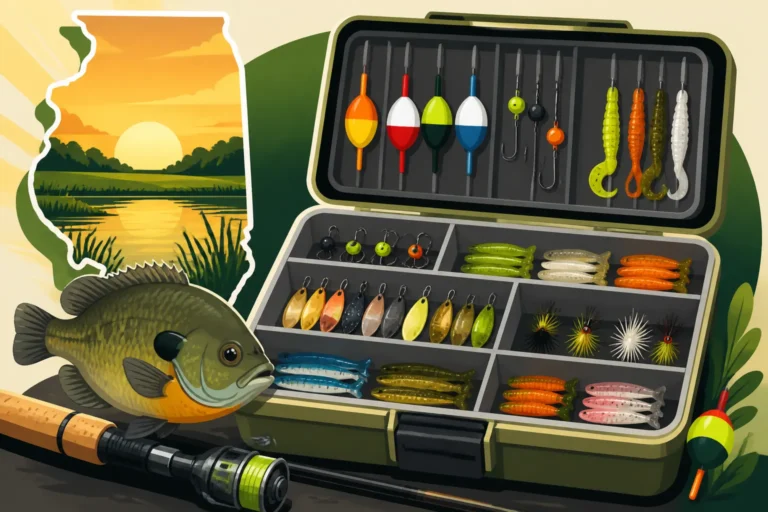
You've got all these hooks, sinkers, and lures now, but where do you put them? A tackle box or a small tackle bag is absolutely essential for organization. There's nothing more frustrating than rummaging through a messy backpack, trying to find that one specific hook while the fish are biting. For bank fishing, you don't need a giant, multi-tray behemoth. A small, portable tackle box with a few compartments or a tackle bag with several utility boxes will do the trick.
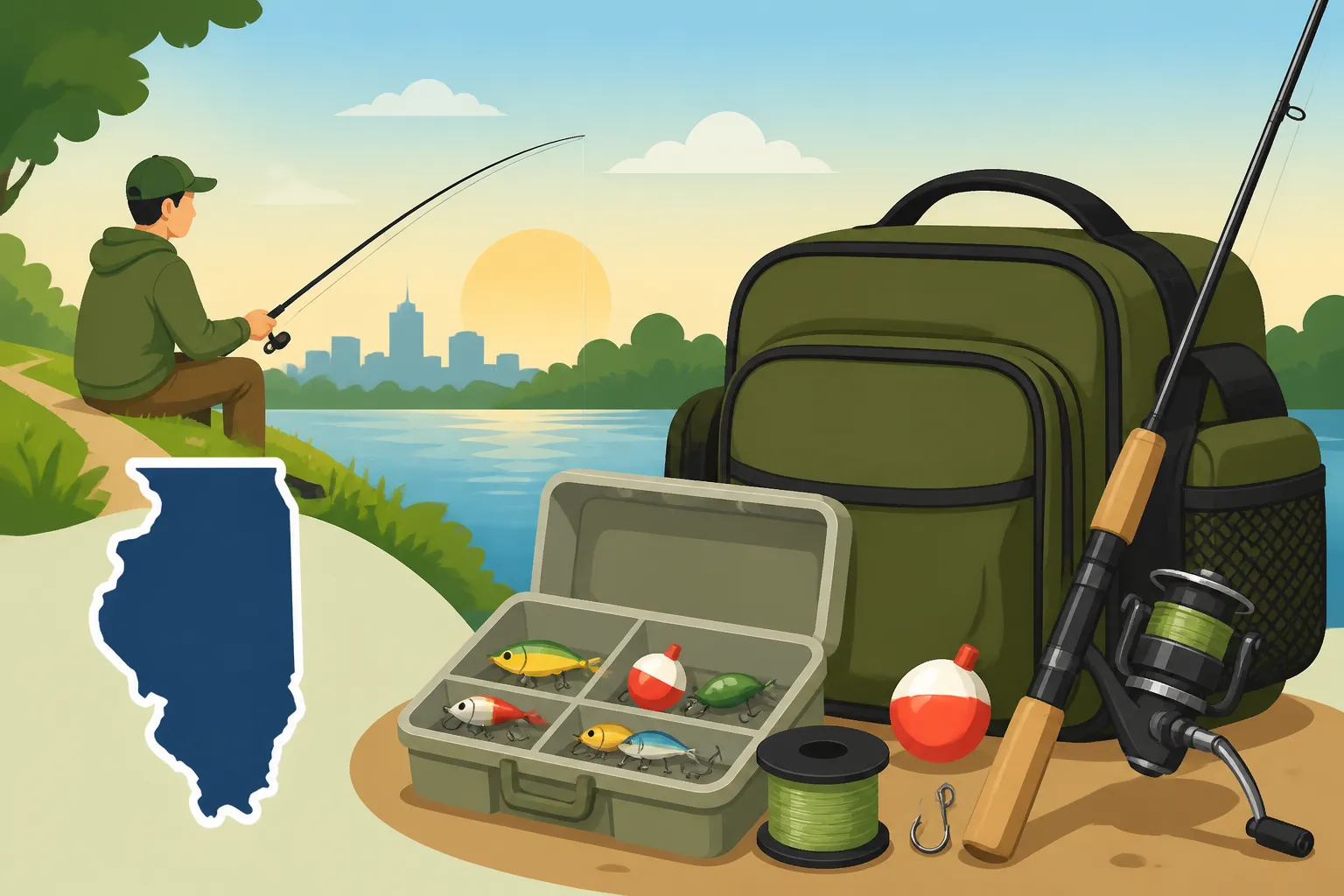
Beyond the tackle box, a comfortable bag to carry everything is a game-changer. A small backpack or a shoulder sling bag works wonders. You want something that's easy to carry, leaves your hands free for your rod, and isn't too bulky. Think about what you'll be carrying: your tackle box, a water bottle, snacks, maybe a small towel, and a few personal items. Keeping your gear streamlined means you can easily walk along the bank, explore different spots, and stay mobile. For more ideas on how to set up your storage, check out Tackle Box Setup for Illinois Bass Anglers.
Comfort Items for an Enjoyable Day on the Bank
Illinois weather can be unpredictable, and a long day of fishing can quickly become miserable if you're not prepared. A lightweight, folding chair is a blessing, especially if you plan on posting up in one spot for a while. Trust me, standing for hours can get tiring, and having a place to sit, relax, and observe the water makes the experience so much better.
Sun protection is non-negotiable, especially during the spring, summer, and fall months. A wide-brimmed hat, sunglasses, and sunscreen will protect you from those strong Illinois rays. And speaking of summer, don't forget bug spray! Mosquitoes and other biting insects can quickly ruin an otherwise peaceful fishing trip. Finally, staying hydrated is crucial. Always bring a reusable water bottle, and some snacks to keep your energy up. A comfortable trip means you'll want to go out fishing again soon!
Essential Safety Gear for Shore Anglers
Safety is paramount, even when you're just fishing from the bank. Accidents happen, and being prepared can prevent a small mishap from becoming a serious problem. The first thing you'll want to have handy are needle-nose pliers or a hook remover. Fish can be squirmy, and hooks can get embedded in tough places, sometimes even in your own skin. Pliers make it much easier and safer to remove hooks from fish, minimizing stress on the fish and protecting your fingers.
A small, basic first-aid kit is another must-have. You don't need anything elaborate; just a few band-aids, antiseptic wipes, and some pain reliever for minor cuts, scrapes, or headaches. A small cut from a fin or a snagged hook can happen easily, and it's always better to be able to address it right away. Lastly, always carry a fully charged cell phone. Whether it's to look up a regulation, check the weather, or call for help in an emergency, your phone is an invaluable safety tool. Knowing these basics will help you feel more confident on the water, as you can read more about in Bank Fishing Tips for Beginners.
Navigating Illinois-Specific Needs and Rules
Fishing in Illinois isn't just about the right gear; it's also about understanding the local landscape and regulations. Being a responsible and well-informed angler means knowing the rules that apply to you and the specific waters you're fishing. It might seem like a lot at first, but it quickly becomes second nature.
Illinois Fishing License Requirements for Bank Anglers
This is a big one, folks, and often the first thing new anglers overlook: you absolutely need an Illinois fishing license to fish from the bank if you're 16 years old or older, unless you're fishing on one of the state's designated Illinois Free Fishing Days Guide. It doesn't matter if you're just dipping a line in a local park pond; the rules apply. Trying to fish without a license can lead to fines, confiscation of your gear, and a whole lot of hassle that nobody wants.
The good news is that getting an Illinois fishing license is pretty straightforward. You can usually purchase one online through the Illinois Department of Natural Resources (IDNR) website, or visit a licensed vendor like your local bait shop or a major retailer like Bass Pro Shops. Make sure you understand the different types of licenses available, such as annual or 24-hour options, and choose the one that fits your fishing plans. Keep your license with you at all times when fishing, whether it's the physical copy or a digital version on your phone. You can find out more about the process in our How to Get an Illinois Fishing License guide.
Understanding Site-Specific Regulations
Here's a piece of advice that can save you a headache: don't assume statewide fishing regulations are the only ones you need to follow. While Illinois has general rules for fish species, size limits, and daily catch limits, many specific lakes, ponds, and rivers have their own unique regulations. This is particularly true for state parks, conservation areas, and municipal lakes that are intensively managed. A lake might have a different length limit for bass or a reduced daily limit for crappie compared to the statewide standard.
Before you head out to a new spot, take a few minutes to check the Illinois Department of Natural Resources (IDNR) website or look for signage at the actual fishing location. These site-specific rules are often posted prominently at boat ramps, piers, and popular bank access points. Ignoring them, even accidentally, can lead to penalties. It's a common frustration when you're just trying to enjoy a day out, but knowing these details ensures your trip is worry-free and legal. For a deeper dive, check out Why Fishing Rules Vary by Lake and River and Checking Site-Specific Rules Before Fishing an Illinois Lake.
Recommended Bank Fishing Spots in Illinois for Beginners
Illinois offers a fantastic array of bank fishing opportunities, from urban park ponds to sprawling state park lakes and numerous river access points. For beginners, it's best to start with easily accessible, well-known spots where you're likely to have some success. Park ponds are often overlooked but are fantastic for getting started. They are usually stocked with panfish and sometimes bass, have clear bank access, and are generally safe and family-friendly. Many city and county parks throughout Illinois maintain these ponds, often with paved walking paths along the shore.
State parks are another excellent choice. Places like those managed by the IDNR often have designated fishing areas, accessible banks, and can be great for a variety of species. You'll find a wide range of options, from smaller lakes perfect for panfish to larger reservoirs where you might hook into a decent bass or catfish. Remember to always respect private property boundaries and only fish where public access is permitted. Exploring different areas will broaden your experience, and you might discover your next favorite spot! For more detailed suggestions, you can refer to guides like Best Bank Fishing Spots in Illinois and Illinois State Park Fishing Spots.
To help you get started, here's a quick rundown of essential and recommended gear for your bank fishing adventures:
| Category | Essential Items | Recommended (Nice-to-Have) Items | Purpose |
|---|---|---|---|
| Rod & Reel | Medium-light spinning combo (6'6"-7') | Second rod/reel combo (different action) | Versatile for various species, easy for beginners, good casting distance. |
| Line | 6-8 lb Monofilament line | Small spool of fluorocarbon leader | Easy casting, forgiving, good all-around performance. Fluorocarbon offers stealth and abrasion resistance. |
| Terminal Tackle | Assorted hooks (size 6-10, 1/0-2/0) | Small selection of topwater lures | Catching panfish, bass, and catfish. |
| Split-shot & egg sinkers (1/4-1/2 oz) | Jig heads (1/8-1/4 oz) | Getting bait to depth, countering current. | |
| Clip-on & slip bobbers | Weedless hooks | Indicating bites, controlling bait depth. | |
| Barrel swivels | Extra line (small spool) | Preventing line twist. | |
| Bait | Live worms (nightcrawlers/red wigglers) | Crappie nibblers, PowerBait (for trout) | Universal appeal for most Illinois freshwater species. |
| Small jigs/grubs | Packaged catfish bait | Versatile for panfish and smaller bass. | |
| Storage | Small tackle box/bag | Waterproof dry bag for electronics | Organizing terminal tackle, lures, and small items. |
| Backpack or shoulder sling bag | Fishing vest with pockets | Carrying all your gear comfortably and keeping hands free. | |
| Comfort | Sunscreen & hat | Small, lightweight cooler | Protection from sun. |
| Bug spray | Rain jacket | Repelling insects. | |
| Water bottle & snacks | Seat cushion | Staying hydrated and energized. | |
| Folding chair | Resting during long waits. | ||
| Safety & Tools | Needle-nose pliers / hook remover | Fish gripper | Safe hook removal from fish (and yourself!). |
| Small first-aid kit | Landing net (collapsible) | Treating minor injuries. | |
| Fully charged cell phone | Headlamp/flashlight (for dusk/night) | Emergencies, weather checks, looking up regulations. | |
| Illinois Fishing License | Fishing towel | Legal requirement for fishing in Illinois. |
Disclaimer
This article is for general informational purposes only and does not constitute professional advice. Laws, prices and regulations vary by location and change over time. Consult a qualified professional for guidance on your specific situation.