Circle Hooks vs J-Hooks for Illinois Catfishing
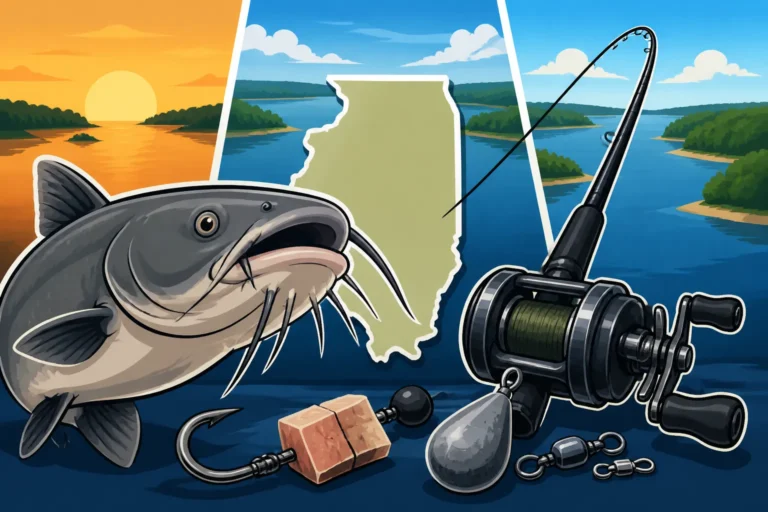
Oh, the eternal question for us Illinois catfishermen! We've all been there, standing by the water's edge, debating which hook to tie on next. Should it be the trusty, old-school J-hook that's caught generations of whiskered fighters, or that fancy, modern circle hook everyone keeps talking about? This isn't just about personal preference; it's about understanding how each hook performs, how it impacts the fish, and ultimately, how it affects your success out on the Illinois lakes and rivers. This comprehensive guide is going to break down everything you need to know about circle hooks versus J-hooks for catfishing, helping you make an informed decision for your next big catch.
Understanding the Basics: Circle Hooks and J-Hooks
Before we dive into the nitty-gritty of why one might be better than the other, let's get a solid understanding of what each of these hooks actually is and how they're designed to work. It’s like knowing your wrench from your screwdriver – they both fasten, but they do it in different ways, and choosing the right one makes all the difference.
What is a Circle Hook and How Does it Work?
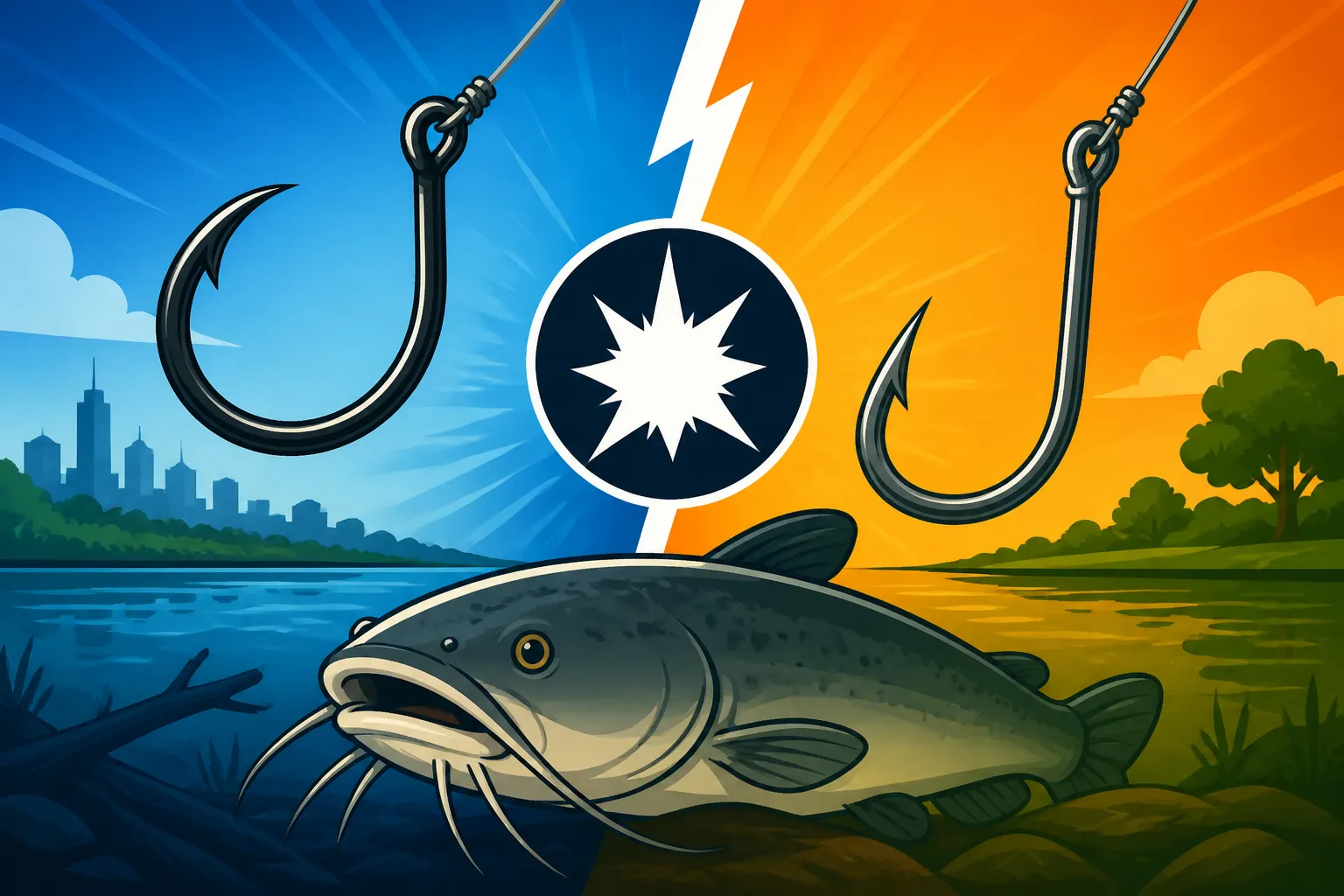
A circle hook is pretty distinctive. Instead of a straight shank and a point that angles directly back, the point of a circle hook is curved inward, pointing back towards the shank. It forms a sort of "O" or "C" shape, hence the name. This unique design isn't just for aesthetics; it's engineered for a very specific purpose: to hook the fish in the corner of its mouth, every single time.
Here's the magic trick: when a catfish takes a bait with a circle hook, you don't actually set the hook with a sharp jerk of the rod like you might be used to. Instead, you let the fish swim away with the bait, and as the line tightens, the hook is designed to rotate in the fish's mouth until the point catches firmly in the jaw. This self-setting mechanism is a game-changer, especially for those of us who enjoy the thrill of the fight but also care deeply about the health of the fish we catch. It drastically reduces the chance of gut-hooking, which can be fatal for fish you intend to release. Many conservation-minded anglers, myself included, often opt for these when practicing catch and release.
What is a J-Hook and How is it Used?
Now, let's talk about the classic J-hook. This is likely what most of us grew up fishing with. It looks exactly like its name suggests: a straight shank, a bend, and a sharp point that curves up, resembling the letter "J." This is your traditional, go-to hook, and it's been effective for centuries. It’s simple, familiar, and in the right hands, incredibly deadly.
Using a J-hook requires a more active approach from the angler. When a catfish bites, you feel that tug, and then, with a swift, powerful jerk of the rod, you "set the hook." The goal is to drive that point deeply into the fish's mouth or jaw. The aggressive nature of the J-hook means it can pierce flesh quickly and effectively. However, this also means there's a higher risk of the hook going down into the fish's throat or stomach, especially if the fish has time to swallow the bait. For those times you're fishing for the frying pan and plan to keep your catch, this might not be as much of a concern, but it's something every responsible angler needs to consider. You can find a huge variety of these hooks, from tiny panfish sizes to massive versions for big blues, at any tackle shop or online retailer like Bass Pro Shops.
The Great Debate: Pros and Cons for Illinois Catfishing
Now that we know the basic mechanics, let's weigh the advantages and disadvantages of each hook type specifically for chasing those whiskered wonders across Illinois. It’s not about one being definitively "better," but rather which one is better for your specific situation and goals.
Advantages of Circle Hooks for Catfish Anglers
Circle hooks have gained a lot of popularity for very good reasons, especially among those who practice catch-and-release fishing. For catfishing in Illinois, these advantages can be a real game-changer.
First and foremost, the biggest perk is fish conservation. As mentioned, circle hooks are designed to hook in the corner of the mouth. This dramatically reduces instances of gut-hooking, where the hook is swallowed and lodges in the esophagus or stomach. A gut-hooked fish, even if released, has a much lower chance of survival. If you're targeting those impressive Illinois Blue Catfish: Where the Biggest Fish Are Caught and want to ensure they swim away strong to fight another day, circle hooks are your best friend. This is particularly important with larger, older fish that are vital to maintaining a healthy population.
Secondly, they offer ease of use and reduced effort once you get past the initial learning curve. You don't need a super-fast reflex to set the hook. This is fantastic for anglers who might be multitasking, fishing with multiple rods (where regulations allow), or just enjoying a more relaxed day on the water. Imagine sitting on the bank of the Mississippi River, watching your rod tip, and instead of having to leap up to set the hook, you simply let the rod load up. The hook does the work for you. This can be a huge benefit when fishing at night, when visibility is low, and your reaction time might be a bit slower. How to Catch Catfish at Night becomes a lot less stressful with circle hooks.
Finally, they tend to provide a more secure hookset. Because the hook rotates and lodges in the corner of the jaw, it's often a very solid connection. This can lead to fewer pulled hooks during the fight, meaning more fish landed. For the angler, it translates to more successful outings and less frustration from losing a big one right at the boat or bank.
Downsides of Circle Hooks and When They Might Not Be Ideal
While circle hooks are fantastic, they aren't without their quirks. It’s important to understand these limitations so you don’t get frustrated or blame the hook when it’s simply not the right tool for the job.
The primary challenge for many anglers is the learning curve and the "no-set" rule. Our instincts often tell us to jerk the rod when we feel a bite. With a circle hook, doing this will almost always pull the hook right out of the fish's mouth without a solid set. It takes practice and discipline to resist that urge and instead, let the rod bend, let the fish move, and allow the hook to do its job. This can be especially frustrating for beginners or those transitioning from a lifetime of J-hook fishing.
Another potential drawback is with light-biting fish. Sometimes, catfish, especially smaller ones or during periods of low activity, might just "mouth" the bait gently or pick at it without fully committing. In these situations, a circle hook might not get enough leverage to rotate and find a purchase in the jaw. You might feel a tap, tap, tap, and then nothing, whereas a J-hook might have allowed for a quick, aggressive set on a tentative bite. If you're dealing with finicky eaters or very soft bites, you might find yourself missing a few opportunities.
Advantages of J-Hooks for Catfish Anglers
The traditional J-hook has earned its place in every angler's tackle box for good reason. It's a reliable workhorse, especially when you understand its strengths.
One of the biggest advantages is the aggressive hookset. When you feel that definitive bite, you can rear back and drive that point home immediately. This can be incredibly satisfying and effective, particularly when fish are biting hard and fast. For species like channel catfish that often hit baits with gusto, a well-timed J-hook set can be very productive. This direct action provides immediate feedback to the angler.
J-hooks are also incredibly versatile with various baits and presentations. Whether you're using cut bait, stink bait, live bait like minnows or worms, or even lures, there's a J-hook style and size that will work. They can be easier to thread through certain baits, or rig in specific ways, that might be awkward with the inward curve of a circle hook. For example, some anglers prefer J-hooks when baiting with large chunks of Best Bait for Flathead Catfish that need to be firmly impaled.
Finally, for anglers who plan to keep their catch, the higher likelihood of a deeper hookset can actually be seen as an advantage by some. While responsible release is paramount for many, if you're fishing for a fish fry and know you'll be harvesting your catfish, a J-hook ensures a solid hold and sometimes, depending on how the fish swallows, a quicker dispatch for immediate processing.
Downsides of J-Hooks and Considerations for Responsible Angling
Just like their circular counterparts, J-hooks come with their own set of challenges, particularly when considering the long-term health of our fisheries.
The most significant downside is the increased risk of gut-hooking. If a fish swallows the bait before you have a chance to set the hook, the J-hook is far more likely to lodge deep in its throat or stomach. For fish you intend to release, this can be a death sentence. Removing a deeply set J-hook is often difficult, causes significant damage to internal organs, and can lead to high mortality rates post-release. This is a critical consideration if you're fishing waters with strict catch limits or if you're targeting trophy fish you want to return to the water, like those potential state record flatheads. Illinois Flathead Catfish Daily Limit Rules are designed to protect populations, and minimizing mortality from gut-hooking supports that goal.
Another consideration is that improper hooksets can lead to missed fish. If you set the hook too early, you might pull the bait away from the fish. If you set it too late, you risk a gut hook. It requires more precise timing and a better feel for the bite than a circle hook. This can be particularly challenging for new anglers or those who aren't constantly focused on their rod.
Choosing the Right Hook for Your Illinois Catfishing Style
So, with all this information, how do you decide which hook is best for your next Illinois catfishing adventure? It truly comes down to your intentions, your fishing style, and the conditions you're facing. There's no single "best" hook; there's only the best hook for the moment.
When to Use Circle Hooks
Circle hooks really shine in several specific scenarios. If catch and release is your primary goal, then circle hooks are unequivocally the way to go. They minimize harm to the fish, ensuring those lunkers can continue to grow and reproduce. This is vital for sustaining healthy fish populations in popular spots like Carlyle Lake or Lake Shelbyville.
They are also excellent for fishing with live bait. When you're using live bluegill or shad, the fish often takes its time to swallow. A circle hook gives it that time, allowing the hook to rotate and catch without you having to prematurely set it and potentially miss the fish. This is a common strategy when targeting big flatheads.
Finally, if you prefer a relaxed fishing experience or are fishing with multiple rods (again, check local regulations for rod limits!), circle hooks are much more forgiving. You can cast out, put your rod in a holder, and wait for the rod tip to bend without needing to be hyper-vigilant. This makes for a more enjoyable day, especially if you're fishing with family or friends who might not be seasoned hook-setters. You can find quality circle hooks for all sizes of catfish at any reputable tackle dealer, including online at Amazon.
When to Use J-Hooks
There are certainly situations where a J-hook might be the preferred choice. If you're fishing for the frying pan and intend to keep your catch, and local regulations allow for it, a J-hook can be very effective. The emphasis here shifts from minimizing harm to ensuring a solid hookset and landed fish for dinner.
J-hooks also excel when you're dealing with aggressive biters. If the catfish are hitting your bait hard and fast, a quick, decisive hookset with a J-hook can get that fish on the line almost instantly. This can be particularly true during peak feeding times, like around the Illinois Catfish Season Guide opener, when fish are actively foraging.
Furthermore, if you're using specific bait types or rigging methods that are difficult to employ with a circle hook, the J-hook offers more flexibility. Some anglers, for instance, prefer J-hooks for certain types of Best Bait for Channel Catfish like large chunks of cut bait or prepared baits that need to be molded around the hook. For deep water presentations and Catfish Bottom Fishing Techniques, some find J-hooks easier to rig effectively.
Practical Tips for Rigging and Fishing Both Hook Types
No matter which hook you choose, proper rigging and technique are crucial.
For circle hooks, remember the "no-set" rule. Once you feel a bite, or see your rod tip start to bend steadily, simply let the fish take the bait. Don't lift the rod sharply. Instead, just gently reel in the slack until the line tightens and the rod loads up. The fish will hook itself. It feels counter-intuitive at first, but with practice, you'll see how effective it is. Ensure your bait isn't blocking the hook gap; the point needs to be exposed for it to work correctly.
For J-hooks, timing is everything. Feel the weight of the fish, let it run for a second or two to ensure it has the bait firmly, and then, with a powerful sweep of the rod, set that hook! Keep your line tight during the fight to prevent the hook from dislodging. When selecting your Best Catfish Rods for Illinois's Big Three Lakes, consider a rod with a good backbone that can handle these strong hooksets.
Illinois Catfishing Regulations and Responsible Angling
It's not just about what hook you choose; it's about being a responsible angler in Illinois. Knowing the rules and understanding your impact on the ecosystem is part of the fun.
Impact on Fish Health and the Ecosystem
The choices we make, from the baits we use to the hooks we tie on, have a ripple effect on the fish populations and the overall health of Illinois's waterways. Using circle hooks for catch-and-release fishing directly supports fish conservation. It ensures that trophy-sized blue catfish, flatheads, and channel cats that you release have the best possible chance of survival, contributing to future generations of angling enjoyment. This practice helps maintain healthy numbers, especially for longer-lived species.
Beyond hooks, proper handling of fish is also critical. Minimize the time a fish is out of the water, use wet hands when handling, and support the fish horizontally to prevent organ damage. These small actions add up to a big difference in ensuring our Illinois fishing spots remain vibrant for years to come.
Local Regulations and Hook Considerations
While Illinois generally doesn't have specific regulations dictating "circle hooks only" for catfishing (unlike some other species or locations), it's always wise to check the latest Illinois Fishing Information Guide. Regulations can change, and specific lakes or rivers might have special rules. For example, boundary waters shared with states like Missouri or Iowa might have slightly different guidelines, even if you have an Illinois license.
The spirit of the law, however, often points towards responsible angling. If you're fishing in a trophy catfish lake, or a waterway where you anticipate releasing many fish, opting for circle hooks aligns perfectly with the goals of conservation. It's a proactive choice that goes beyond simply obeying the letter of the law; it's about being a good steward of our natural resources.
| Feature | Circle Hooks | J-Hooks |
|---|---|---|
| Hooking Mechanism | Self-setting, rotates to corner of mouth | Requires active, aggressive angler hookset |
| Hooking Location | Almost always in the corner of the mouth | Can be in mouth, throat, or stomach |
| Fish Mortality | Very low, excellent for catch and release | Higher, especially for deep-set hooks and released fish |
| Ease of Use | Requires patience, no immediate "set" | Intuitive, familiar for most anglers |
| Bite Detection | Best for steady, committed bites | Effective for aggressive strikes or light pecks |
| Versatility | Great for live bait and stationary fishing | Highly versatile for various baits and presentations |
| Bait Obstruction | Gap must remain clear for rotation | Less sensitive to bait blocking the point |
| Conservation | Highly recommended for responsible anglers | Can be used responsibly, but with caution for release |
| Target Species | Ideal for all catfish, especially large ones | Effective for all catfish, often preferred for eating fish |
Conclusion
Choosing between circle hooks and J-hooks for Illinois catfishing isn't about right or wrong; it's about making an informed decision that suits your angling style, your target species, and your commitment to the health of our fisheries. If you're dedicated to catch and release, particularly for those magnificent big blue cats and flatheads, the conservation benefits of a circle hook are undeniable. But if you're after a delicious catfish dinner and prefer a more active, aggressive hookset, the tried-and-true J-hook still has its place. Ultimately, the best choice is the one that puts fish in your net responsibly, ensuring many more exciting days out on the water.
Disclaimer
This article is for general informational purposes only and does not constitute professional advice. Laws, prices and regulations vary by location and change over time. Consult a qualified professional for guidance on your specific situation.