How Many Fish Species Live in Illinois?
Have you ever stood on the bank of an Illinois lake or river, casting your line, and wondered just how many different kinds of fish might be swimming beneath the surface? It’s a question that can really make you appreciate the incredible diversity of our state’s waterways. Many anglers might only think of the big three – bass, crappie, and catfish – but the truth is, Illinois is home to a surprisingly vast array of aquatic life. This guide will take a deep dive into the fascinating world of Illinois' fish species, exploring not just the numbers, but also the stories behind them, from native gems to introduced populations and even those unwelcome invaders.
The Surprising Number of Fish Species in Illinois Waters
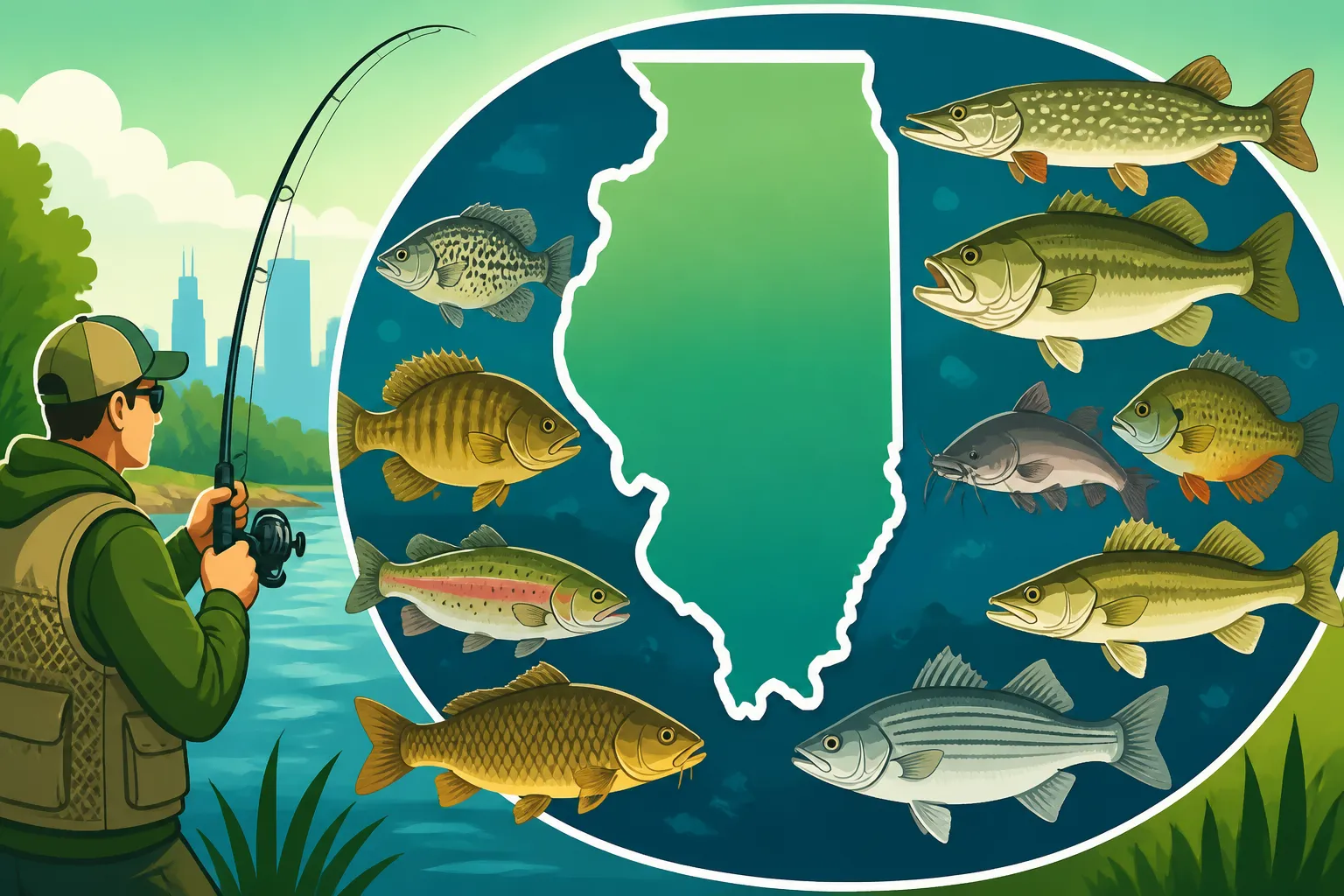
When you think about Illinois, you might picture cornfields and bustling cities, not necessarily a hotspot for freshwater fish diversity. But the reality is, our state boasts an impressive array of aquatic life. The Illinois Department of Natural Resources (IDNR) typically reports that there are over 200 different species of fish inhabiting the lakes, rivers, streams, and even the Lake Michigan shoreline within our state borders. This isn't just a random number; it reflects a rich tapestry of ecosystems, from the mighty Mississippi River to tiny, spring-fed creeks.
It's easy to assume that many of these are just variations of the same common fish, but that couldn't be further from the truth. We're talking about everything from tiny darters and minnows, which form the base of the food chain, to massive flathead catfish, elusive muskellunge, and the popular panfish that fill many an angler's cooler. This incredible diversity is a testament to the varied aquatic habitats found across Illinois, from the cold, deep waters of Lake Michigan to the warm, shallow backwaters of the southern rivers. Illinois' 220 Fish Species: What Anglers Can Actually Expect to Catch gives a great overview of the variety.
Why the Number Can Shift
While "over 200" is a solid figure, you might occasionally hear slightly different numbers. This isn't because fish are constantly disappearing and reappearing, but rather due to a few factors. Scientific classification can sometimes be refined, leading to a species being split into two, or two formerly distinct species being reclassified as one. Habitat changes, both natural and man-made, can also influence populations. For example, a severe drought might temporarily reduce numbers in smaller streams, while successful stocking programs can bolster or introduce certain species into new waters.
Another significant factor is the ongoing battle against invasive species. When a new, non-native fish establishes itself in Illinois waters, it adds to the overall count, but often at the expense of native populations. The presence of species like Asian carp, for instance, has dramatically altered ecosystems in some areas, shifting the balance and potentially reducing the numbers of other fish. So, while the number generally hovers around that 200+ mark, it's a dynamic figure that reflects the constant evolution of our natural world.
A Mix of Native and Introduced Populations
The "over 200 species" isn't solely made up of fish that have been here since time immemorial. It's a blend of truly native Illinois fish, those that have evolved and thrived in our waters for thousands of years, and introduced species. Introduced species can be a bit of a mixed bag. Some were brought here intentionally for sport fishing or to control other populations, like certain trout species in stocked lakes or some bass variations. Others arrived by accident, hitchhiking on boats or through connecting waterways.
Take Lake Michigan, for example. Many of the prized game fish, such as Coho and Chinook salmon, were introduced decades ago and now support a massive sport fishery. While not native to the Great Lakes, they've become an integral part of that ecosystem and fishing culture. This intentional introduction contrasts sharply with invasive species, which are typically unwelcome guests that disrupt the natural order. Understanding this distinction is key to appreciating the complex biodiversity of Illinois fishing.
Diving Deeper: Native, Introduced, and Invasive Species
To truly grasp the richness of Illinois' aquatic environment, we need to differentiate between the types of fish that call our waters home. It's not just about what swims here, but how it got here and what role it plays in the ecosystem. This distinction is crucial for both conservation efforts and for us anglers to understand the health and future of our fishing spots.
Our Native Illinois Fish Heritage
Illinois' native fish species are the backbone of our aquatic ecosystems. These are the fish that have adapted over millennia to our unique rivers, lakes, and streams, playing vital roles in maintaining ecological balance. Think about the various darters, minnows, suckers, and many species of sunfish that have been here long before any human development. They're often overlooked by sport fishermen, but they are absolutely essential.
For instance, the largemouth bass, a favorite among anglers, is a native Illinois fish, thriving in many of our natural and man-made lakes and ponds. So are many species of crappie and channel catfish. These native fish are perfectly adapted to the ebb and flow of our rivers, the seasonal temperature changes, and the available food sources. Protecting their habitats and ensuring healthy populations is a core focus for the IDNR, as their presence indicates a healthy, functioning waterway. Mississippi River Fishing in Illinois: Which Species Live Where highlights some of these natural inhabitants.
The Impact of Introduced Species
Not all introduced species are problematic. In fact, many have become staples of the Illinois fishing scene. As mentioned, the trout and salmon in Lake Michigan are a prime example. These fish were intentionally stocked to create a world-class fishery, and they have certainly succeeded. Anglers travel from all over to experience the thrill of battling a big Chinook salmon or a vibrant rainbow trout. These species require specific management and stocking programs, but they contribute significantly to the state's recreational fishing opportunities.
Other introduced species might include certain panfish or bass strains stocked in impoundments to improve fishing success or control nuisance insect populations. The key difference here is that these introductions are usually managed, monitored, and intended to benefit the ecosystem or human recreational activities without causing undue harm to existing native populations. However, it's a delicate balance, and constant vigilance is required to ensure these introductions don't inadvertently become invasive.
The Challenge of Invasive Species
This is where things get tricky and often frustrating for anglers and conservationists alike. Invasive species are non-native organisms that cause economic or environmental harm, or harm to human health. In Illinois, the most infamous examples are the various species of Asian carp – silver carp, bighead carp, and grass carp. These fish were originally brought to the U.S. for aquaculture and to control algae in ponds, but they escaped into the Mississippi River system and have since spread extensively.
Asian carp consume vast amounts of plankton, outcompeting native filter feeders like paddlefish and gizzard shad. Silver carp are also known for leaping high out of the water when startled by boat motors, posing a direct physical threat to boaters and anglers. The ecological and economic impact of these invasives is immense, and efforts to control their spread, particularly to the Great Lakes, are ongoing and costly. When you're out fishing, being able to identify these invaders and understanding their impact is crucial. You can find excellent field guides, often available on platforms like Amazon, that help differentiate native species from invasive ones. Knowing the rules about what to do if you catch an invasive fish, like not releasing it back into the water, is also important.
| Category | Description | Examples in Illinois | Impact on Ecosystems |
|---|---|---|---|
| Native Species | Fish that naturally inhabit Illinois waters, having evolved here. | Largemouth Bass, Channel Catfish, Bluegill, Smallmouth Bass, various Minnows, Darters. | Form the natural food web, adapted to local conditions, crucial for ecological balance. |
| Introduced Species | Non-native fish intentionally stocked for sport or specific ecological roles. | Coho Salmon, Chinook Salmon, Rainbow Trout (in Lake Michigan & stocked waters). | Can enhance sport fisheries; require careful management to prevent negative impacts. |
| Invasive Species | Non-native fish causing environmental, economic, or health harm. | Silver Carp, Bighead Carp, Grass Carp, Round Goby. | Outcompete native species for food/habitat, disrupt food webs, can harm humans (carp). |
Diverse Habitats: Where Illinois Fish Call Home
The sheer number of fish species in Illinois isn't just a happy accident; it's a direct result of the incredible diversity of aquatic habitats found within our state. From vast rivers to tiny trickles, each type of water body offers a unique environment that supports a different community of fish. Understanding these habitats helps us appreciate why certain species thrive in certain areas and also guides us as anglers to the best spots for our target fish.
The Mighty Mississippi and Illinois Rivers
Our major river systems, particularly the Mississippi and Illinois Rivers, are aquatic highways teeming with life. These large, flowing waters provide a mosaic of habitats: deep channels, swift currents, slackwater backwaters, and oxbow lakes. This complexity allows for a wide range of fish species to coexist. You'll find everything from massive blue catfish and flatheads lurking in the depths to sauger and walleye holding in current breaks. Illinois River Fishing Guide can give you a deeper look into this incredible fishery. The rich nutrients and vastness of these rivers support a food chain that can sustain a huge variety of fish, including many of our state's record-breaking catches.
The backwaters are particularly crucial, acting as nurseries for many species and providing refuge from strong currents. Here, you'll find an abundance of panfish like crappie and bluegill, as well as various types of bass. The constant flow of the river also means a continuous supply of food and oxygen, fostering a dynamic and productive environment for fish.
The Great Lakes Experience: Lake Michigan
Lake Michigan is a world unto itself within Illinois. As one of the five Great Lakes, it offers a distinct, cold-water environment that is vastly different from our inland rivers and lakes. This is where you'll find the majestic trout and salmon species that draw anglers from across the region. Coho salmon, Chinook salmon, lake trout, and brown trout thrive in its deep, cool waters.
The habitat here ranges from the shallow nearshore areas, where baitfish congregate, to the vast, open waters and deep drop-offs that are home to large predatory fish. The structure of the Chicago lakefront, with its piers and harbors, also creates unique fishing opportunities. Understanding the thermal stratification of the lake – how water temperatures layer at different depths – is key to finding fish here, as species like salmon and trout prefer specific temperature zones. Lake Michigan Salmon and Trout Fishing in Illinois details more about this unique fishery.
Inland Lakes and Reservoirs
Illinois is dotted with hundreds of inland lakes and man-made reservoirs, each offering its own unique fishing experience. Lakes like Rend Lake, Lake Shelbyville, and Carlyle Lake are famous for their excellent populations of bass, crappie, and catfish. These lakes often have diverse bottom structures, including old creek channels, submerged timber, rock piles, and points, which provide ideal habitat for a variety of fish.
Smaller impoundments and farm ponds, while less grand, are incredibly important for local anglers and often hold healthy populations of largemouth bass, bluegill, and channel catfish. These waters tend to be shallower and warmer than Lake Michigan, supporting a different suite of species. The management of these lakes, including stocking programs and habitat enhancement, directly influences the types and numbers of fish present.
Creeks, Streams, and Wetlands
Don't underestimate the smallest waterways! The countless creeks and streams that crisscross Illinois, along with our precious wetlands, are vital for maintaining overall fish diversity. These smaller environments often serve as spawning grounds or nurseries for fish that will eventually move into larger rivers. They are also home to many unique, smaller species like darters, minnows, and small sunfish that are adapted to flowing water and specific bottom compositions.
Wetlands, with their rich vegetation and shallow, oxygen-rich waters, provide critical habitat and food sources, especially for young fish and amphibians. While you might not be targeting trophy fish in a small stream, these habitats are the unsung heroes of our aquatic ecosystems, contributing significantly to the overall count of fish species in Illinois.
Why Knowing Your Fish Species Matters to Anglers
Understanding the diverse fish species in Illinois isn't just a fun fact; it's genuinely helpful for us anglers. When you grasp the array of fish present in a given body of water, and especially their behaviors and preferred habitats, your fishing success can soar. It's about being prepared, being strategic, and ultimately, being a more responsible participant in the sport we love.
Maximizing Your Catch
Knowing which fish species inhabit a particular lake or river allows you to tailor your gear and techniques. If you're heading to a central Illinois reservoir, knowing it's teeming with largemouth bass and crappie will lead you to pack different lures and baits than if you were going to Lake Michigan for salmon. For example, Best Bait for Largemouth Bass Fishing in Spring or Crappie Jigging Techniques will be invaluable resources depending on your target.
Beyond just the target species, understanding the entire ecosystem helps. If a lake has a strong population of smaller baitfish, you might choose lures that imitate them. If certain predatory fish are present, you'll know to look for them near cover or structure where their prey would hide. This knowledge turns a generic fishing trip into a targeted mission, increasing your chances of success.
Identifying Fish Correctly
Catching a fish is exciting, but do you know exactly what you’ve reeled in? Correct identification is more important than you might think. For starters, many species have specific size and daily catch limits. Misidentifying a fish could lead to keeping one that's undersized or exceeding a limit for a particular species, which could result in a citation from a conservation officer. Illinois Fishing Regulations Overview is crucial reading for this reason.
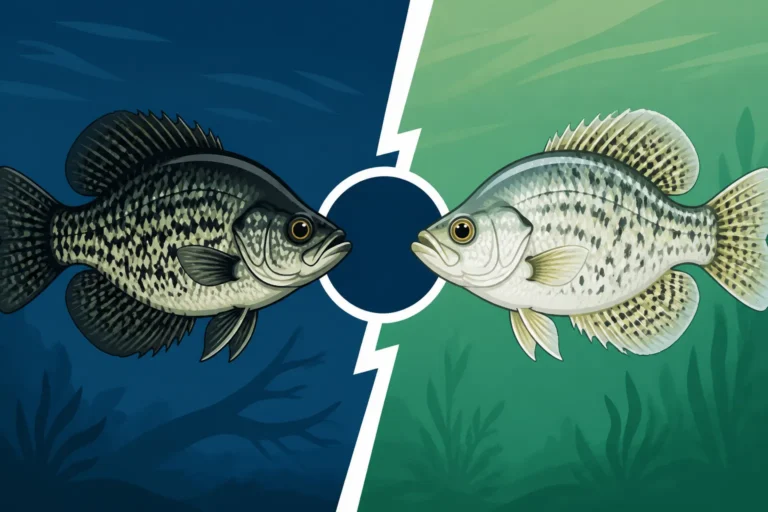
Beyond legal reasons, correct identification helps you understand the health of the fishery. If you consistently catch a rare or protected species, it’s a good sign the ecosystem is thriving. If you're unsure about a fish, having a good field guide – perhaps one you picked up from Amazon – can be a lifesaver. These guides often have clear photos and descriptions, making it easier to tell the difference between, say, a black crappie and a white crappie, or a walleye and a sauger.
Conservation and Responsible Angling
Perhaps the most important reason to know your fish species is for conservation. As anglers, we are stewards of our natural resources. Understanding which species are native, which are introduced, and critically, which are invasive, empowers us to make responsible decisions.
For invasive species, the directive is often "do not release." If you catch an Asian carp, for instance, you're typically not supposed to throw it back. Knowing this rule and being able to identify these fish helps prevent their further spread. Similarly, understanding the vulnerabilities of native species, like knowing when certain bass or crappie are spawning, might influence your decision to fish certain areas or use catch-and-release practices during sensitive times. By being informed, we contribute to the long-term health and sustainability of Illinois' diverse aquatic environments for future generations of anglers.
Protecting Illinois' Aquatic Biodiversity
The impressive number of fish species in Illinois is something to celebrate, but it's also a delicate balance that requires ongoing care and attention. Protecting this aquatic biodiversity is crucial, not just for the fish themselves, but for the health of our entire ecosystem and the future of our fishing heritage. It's a shared responsibility, from state agencies to individual anglers.
The Role of Habitat Preservation
One of the most fundamental ways to protect fish diversity is through habitat preservation and restoration. Fish need healthy places to live, spawn, and feed. This means keeping our rivers and lakes clean, reducing pollution from agricultural runoff and urban sources, and preventing erosion that can silt up vital spawning beds. Initiatives to restore natural river meanders, remove outdated dams that block fish migration, and protect wetlands all contribute significantly to the well-being of our fish populations.
When fish habitat is degraded, it often leads to a decline in sensitive native species, making the ecosystem more vulnerable to hardy, often invasive, species. Supporting organizations and policies that focus on clean water and habitat protection directly translates to a richer, more diverse fishing experience for everyone.
Managing Invasive Species and Promoting Native Fish
The fight against invasive species is a continuous and complex battle. While complete eradication is often impossible once an invasive species is established, control efforts are vital. This includes everything from physical barriers and targeted harvesting to public education campaigns that prevent new introductions. Anglers play a critical role here. By knowing how to identify invasive species and following guidelines on their disposal, we can all help slow their spread.
Conversely, promoting native fish populations involves carefully managed stocking programs, setting appropriate catch limits, and conducting research to understand population dynamics. The IDNR works hard to ensure that native species have the best chance to thrive, sometimes by removing barriers or creating new spawning habitat. Understanding Illinois Fishing Regulations Overview helps us adhere to the rules designed to protect these precious resources.
Anglers as Conservation Stewards
Ultimately, every time we cast a line, we have an opportunity to be a steward of Illinois' aquatic environment. Practicing catch and release, especially for larger breeding fish, can help sustain populations. Being mindful of what we take home and adhering strictly to Illinois Fishing Season and Catch Limit Rules ensures that fish populations aren't overstressed.
It's also about education. Sharing your knowledge with fellow anglers, especially newer generations, about the importance of species identification, responsible angling practices, and the threats posed by invasive species helps spread awareness. Many great resources exist, including books and guides available at local bait shops or on platforms like Amazon, that can deepen your understanding and appreciation for the incredible variety of fish species we are fortunate to have in Illinois. By taking an active role, we can ensure that the diverse aquatic life of Illinois continues to thrive for many years to come.
Disclaimer
This article is for general informational purposes only and does not constitute professional advice. Laws, prices and regulations vary by location and change over time. Consult a qualified professional for guidance on your specific situation.