Northern Illinois Mississippi River Walleye and Sauger Fishing
Trying to dial in those feisty walleye and sauger on the vast, ever-changing waters of the Northern Illinois Mississippi River can feel like a daunting task, even for seasoned anglers. The sheer size of the river, its complex currents, and the subtle differences between these two fantastic game fish can leave you scratching your head. This comprehensive guide is here to unravel the mysteries, helping you understand their habits, the best techniques, and where to find them consistently in this incredible fishery.
Understanding Walleye and Sauger in the Northern Illinois Mississippi River
The Mississippi River in northern Illinois is a truly special place for anglers, offering incredible opportunities for species like walleye and sauger. While often lumped together, these two fish have distinct characteristics and preferred behaviors that, once understood, can dramatically improve your success. It’s not just about knowing they’re there; it’s about knowing them.
The Elusive Walleye vs. the Abundant Sauger
For many, the walleye is the king of the northern waters, renowned for its delicious fillets and challenging fight. On the Mississippi, especially in the northern stretches, walleye are definitely present and sought after, but they can be a bit more elusive, often preferring clearer water and slightly less current than their sauger cousins. They tend to grow larger and are often found in deeper pools, away from the immediate main channel scour.
Sauger, on the other hand, are often more numerous in the turbid, flowing waters of the Mississippi. They are incredibly well-adapted to the river's conditions, thriving in the strong currents and often being easier to locate in larger numbers. While they might not reach the trophy sizes of walleye, sauger offer consistent action and are equally excellent table fare. Many anglers find their sauger fishing trips on the Mississippi to be incredibly productive, often catching dozens in a single outing when conditions are right.
Key Differences: Identification and Habits
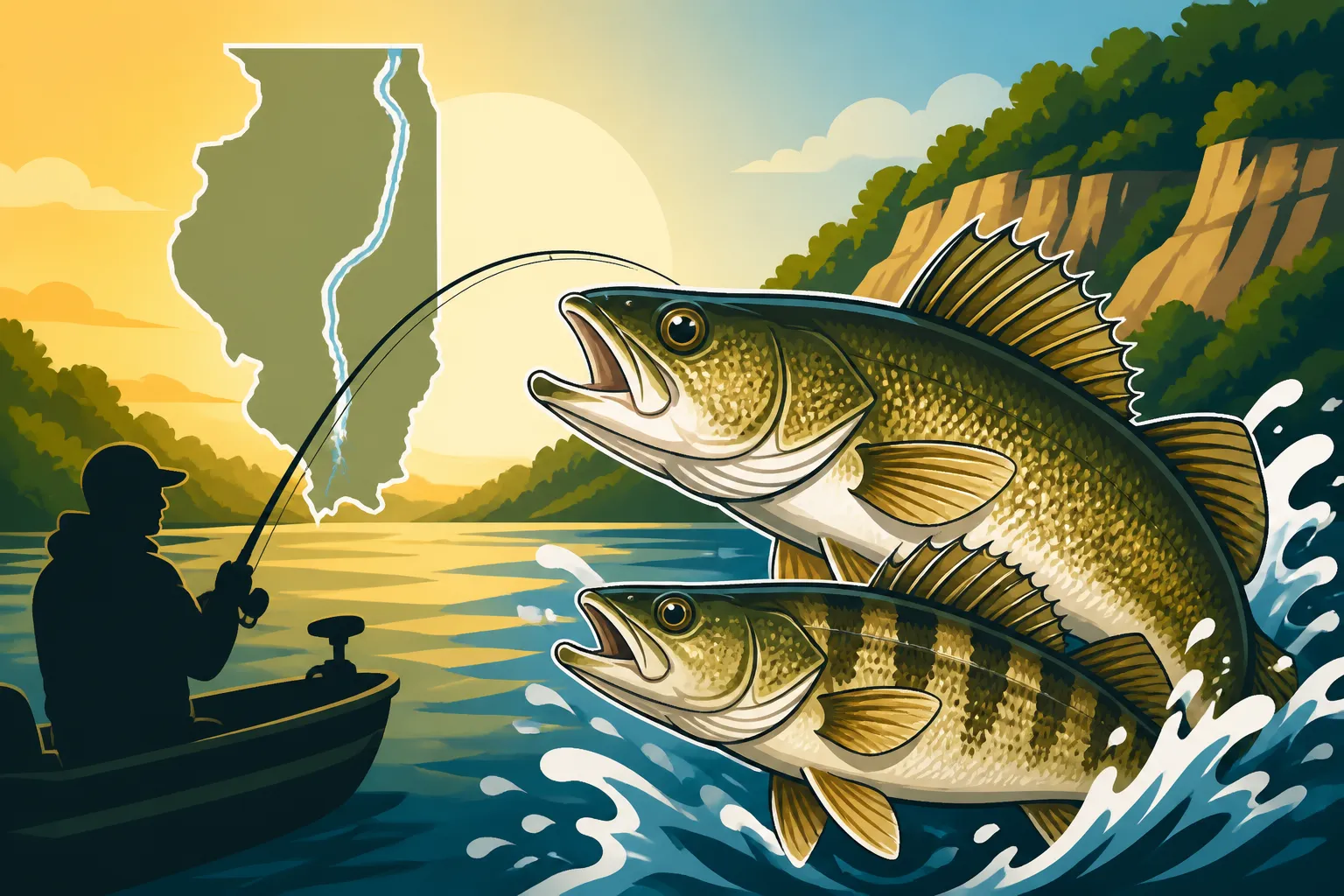
Telling a walleye from a sauger can sometimes be tricky at first glance, but there are distinct features to help you. A walleye typically has a prominent white tip on the lower lobe of its caudal (tail) fin – this is usually a dead giveaway. They also tend to have fewer, more distinct spots on their dorsal fin. Sauger, however, lack that white tip on the tail and usually have rows of distinct black spots on their dorsal fin, often arranged in neat bands. Their bodies can also appear a bit more mottled or camouflaged, blending in perfectly with the often-stained river bottom. For a deeper dive into these distinctions, check out our guide on How to Tell a Walleye From a Sauger?.
Beyond physical appearance, their habits differ. Walleye are more light-sensitive, preferring to feed in low light conditions – dawn, dusk, cloudy days, or in deeper, darker water. Sauger are more tolerant of brighter light and stronger currents, which is why you’ll often find them actively feeding in the main channel during the day, even under sunny skies. Understanding these subtle differences is key to knowing which species you're targeting and where to focus your efforts.
Preferred Habitats in the Northern Stretch
The Mississippi River is a dynamic ecosystem, offering a wide array of habitats. For both walleye and sauger, current is a major factor, but how they relate to it varies. Walleye often prefer the edges of strong current, looking for slack water pockets, eddies behind wing dams, or deeper holes where they can ambush prey without expending too much energy. They might be found in slightly clearer backwater lakes that connect to the main river, especially during certain times of the year.
Sauger are true river dwellers. They absolutely love current and structure. You'll find them holding tight to the bottom in swift currents, particularly around wing dams, riprap banks, bridge pilings, and the scour holes downstream from dams. These areas provide current breaks and ambush points where baitfish are swept past. Knowing how to read the river's current and identify these features is paramount to finding active sauger. If you're wondering Where to Catch Walleye in Illinois Rivers and Lakes, the Mississippi offers prime real estate for both.
Seasonal Strategies for Walleye and Sauger
Fishing the Mississippi River is a year-round affair, but your tactics for walleye and sauger will need to adapt significantly with the changing seasons. The river's personality shifts dramatically from the cold, still grip of winter to the raging flows of spring and the often lower, warmer water of summer. Being flexible and understanding these seasonal patterns is critical for consistent success.
Spring Run Fever: Targeting the Spawn
Spring is arguably the most exciting time for walleye and sauger fishing on the Northern Illinois Mississippi River. As the ice recedes and water temperatures begin to climb, these fish become highly active, moving upstream to their spawning grounds. The magic number for walleye spawning typically hovers around the mid-40s to low 50s Fahrenheit, while sauger often spawn a bit earlier, usually in slightly colder water. During this time, the dam areas and their tailwaters become absolute magnets. Fish congregate below the dams, waiting for the right conditions to move onto shallow, rocky areas to lay their eggs.
Anglers targeting the spring run should focus on vertical jigging presentations directly below the dams or casting jigs and crankbaits into the swift current. The fish are often schooled up, so once you find them, the action can be fast and furious. Pay close attention to water levels and current speed, as these factors can dictate how close the fish will hold to structure and what retrieves will be most effective. This is an incredible time for both numbers and the chance at a true trophy walleye before they disperse.
Summer Holds: Finding Fish in Current
As spring transitions to summer, the fish begin to spread out, and the river's flow can either stabilize or be influenced by heavy rains. During the warmer months, walleye and sauger will continue to relate to current, but they'll often seek out deeper, cooler water, or areas with more pronounced current breaks to conserve energy. Look for them in deeper scour holes near wing dams, around bridge pilings, or along the edges of the main channel where there's a distinct break from fast to slower water.
Trolling crankbaits that mimic baitfish can be incredibly effective during the summer, allowing you to cover large areas and find active schools. Bottom bouncing with live bait rigs, such as a minnow or nightcrawler on a spinner harness, is another deadly tactic, especially in the deeper runs. The fish are still feeding aggressively, but you might need to work harder to locate them once they've left their concentrated spawning areas. Don't forget the early morning and late evening bites, as walleye can become more active during these low-light periods.
Fall Feeding Frenzy: Preparing for Winter
Autumn brings another fantastic opportunity for walleye and sauger fishing. As water temperatures drop, these fish enter a "feeding frenzy" phase, actively bulking up for the lean winter months ahead. They'll often move back into shallower areas and shallower portions of the main channel, especially during overcast days, to chase baitfish. The bite can be incredibly strong and consistent throughout the day.
Look for fish in similar areas to spring, but also pay attention to any remaining weed lines in backwaters or rocky points where baitfish might be congregating. Casting crankbaits, jigging spoons, or pulling spinner rigs with minnows are all excellent choices. This is often when you catch some of the fattest, healthiest walleye and sauger of the year. The cooler temperatures make for a pleasant day on the water, and the fish are typically eager to bite.
Winter and Ice Fishing Opportunities
Don't let the cold weather deter you! Winter can offer some surprisingly good fishing for walleye and sauger on the Mississippi. While ice fishing is popular on many Illinois lakes, the main channel of the Mississippi rarely freezes completely due to constant current and commercial barge traffic. However, backwater lakes, sloughs, and protected side channels will freeze, offering excellent ice fishing prospects. On the main river, open water fishing is still possible, focusing on the deep scour holes and current seams.
For open water fishing, vertical jigging with blade baits or heavy jigs tipped with minnows is the ticket. You'll need a boat with good electronics to locate these deep-water fish. For ice fishing in backwater areas, focus on transition lines, old creek channels, and the deepest parts of the slough. Small jigs tipped with minnow heads or wax worms can be deadly. Remember that ice conditions on river backwaters can be highly variable due to fluctuating water levels and hidden currents, so always exercise extreme caution and check local reports before venturing out.
Top Fishing Techniques and Baits
Successful walleye and sauger fishing on the Northern Illinois Mississippi River relies on a combination of effective techniques and the right bait choices. These fish are predatory, but they can be finicky, so having a diverse approach in your tackle box is always a good idea. Best Walleye Bait for Rivers is a common question, and the answer often depends on the season and conditions.
Jigging: A Year-Round Staple
Jigging is arguably the most versatile and effective technique for walleye and sauger on the Mississippi. Whether you're in a boat or fishing from shore below a dam, a jig tipped with live bait or a plastic grub can be irresistible. Vertical jigging is especially effective in current, allowing you to present your bait directly to fish holding on the bottom. Use heavier jigs (often 1/2 oz to 1 oz, sometimes more depending on current) to ensure your bait stays in the strike zone.
- Jig and Minnow: A classic combination. A plain lead head jig with a live minnow hooked through the lips or back is hard for any walleye or sauger to resist. The natural action and scent are often what it takes to trigger a bite, especially in colder water or when fish are less aggressive.
- Paddle-tail Grubs/Plastics: Soft plastics, particularly those with a paddle tail, can be incredibly effective when jigged aggressively. The vibration and profile mimic baitfish, and you can cover water quickly. Colors like chartreuse, white, and darker greens often produce well in the river's stained water.
- Blade Baits: These vibrating metal lures are excellent for vertical jigging, especially in deeper water or strong current. Their erratic action and flash can draw strikes from a distance. A slow lift-and-drop retrieve is usually best.
Trolling: Covering Water Effectively
When fish are spread out, or you're trying to locate schools in a large area, trolling can be incredibly efficient. This technique allows you to cover vast stretches of the river, presenting your bait at a consistent depth and speed. It's particularly useful during summer and fall when fish aren't as concentrated.
- Crankbaits: Trolling crankbaits is a staple on the Mississippi. Choose baits that dive to the depth you're targeting and have a tight wobbling action. Colors mimicking shad or perch are often productive. Experiment with different speeds and depths until you find what the fish are responding to. Adding a planer board can help spread out your lines and cover even more water.
- Bottom Bouncers with Spinner Rigs: This setup is excellent for presenting live bait (like a nightcrawler or minnow) close to the bottom while trolling slowly. The bottom bouncer keeps your bait in the strike zone, and the spinner blade adds flash and vibration, attracting fish. This is a favorite method for many successful river anglers.
Live Bait Presentations: When Natural is Best
Sometimes, nothing beats live bait. When walleye and sauger are finicky, or in colder water, the natural movement and scent of live bait can be the ultimate convincer.
- Minnows: Hands down, minnows are the most popular and effective live bait for both species. Fathead minnows, shiners, or even small chubs are all excellent choices. They can be presented on a jig, a slip bobber rig, or a bottom bouncer.
- Nightcrawlers: While often thought of for bass or catfish, nightcrawlers can be deadly for walleye, especially when presented on a spinner harness. Their wiggling action and scent can attract bites, particularly in warmer water.
- Leeches: Another excellent option, especially in clear water, though perhaps less common on the often-turbid Mississippi. Leeches are tough, stay on the hook well, and have an enticing natural movement.
Artificial Lures: Cranks, Plastics, and More
Beyond jigs and live bait, a variety of artificial lures can tempt Mississippi River walleye and sauger. It's always a good idea to have a diverse selection ready.
- Crankbaits: We've already mentioned them for trolling, but casting lipped crankbaits into current breaks, eddies, or along riprap can also be highly effective. They dive quickly and mimic baitfish fleeing from predators. Brands like Rapala, Berkley, and Strike King offer excellent options that you can find readily on Amazon.
- Soft Plastics: Beyond paddle-tail grubs, flukes, and various worm-style plastics can also work, especially when Texas-rigged or Carolina-rigged for slower presentations near the bottom. Scented plastics can add an extra edge.
- Spoons: Casting or vertical jigging spoons can be effective, particularly in colder water or when fish are schooled vertically. The flash and erratic fall can imitate a dying baitfish.
Key Locations and Access Points in Northern Illinois
The Northern Illinois stretch of the Mississippi River is vast, so knowing where to focus your efforts is key. While walleye and sauger can be found almost anywhere there's good habitat, certain areas are renowned hotspots. This isn't just a river; it's a series of pools, each with its own characteristics.
Pool 13 and Beyond: Prime River Sections
The Mississippi River in Illinois is divided into a series of pools by locks and dams. For northern Illinois, Pools 12, 13, and 14 are particularly productive for walleye and sauger. Pool 13, often accessed near Savanna or Thomson, is frequently cited as one of the best. These pools feature numerous wing dams, riprap banks, and backwater areas that hold fish. Learning to navigate these pools and identifying the subtle breaks in current and structure is a continuous learning process.
Focus your attention on the edges of the main navigation channel, especially where it meets shallower flats or submerged islands. Look for subtle depth changes, current seams, and areas with rock or gravel bottoms. These areas provide feeding lanes and ambush points for predatory fish. Having a good hydrographic map or GPS unit with detailed river charts is invaluable for identifying these features.
Dam Areas and Tailwaters: Current is Key
The areas immediately below the locks and dams are absolute magnets for walleye and sauger, especially during the spring and fall runs. The churning water from the dam gates creates oxygenated, nutrient-rich environments that attract baitfish, which in turn attract the predators. Fish will hold in the deep scour holes directly below the dam, or along the current seams and eddies.
When fishing tailwaters, safety is paramount due to strong currents and barge traffic. Always maintain a safe distance from the dam structure. Focus on vertical jigging, casting heavy jigs, or using crankbaits that can dive quickly into the strike zone. These areas are also popular for bank anglers, offering some of the best shore access for trophy fish, especially during the spring spawn. Remember, walleye and sauger love current, and these areas have it in abundance.
Backwater Lakes and Sloughs: Different Opportunities
While walleye and sauger are primarily river fish, they will utilize the extensive network of backwater lakes and sloughs connected to the Mississippi, particularly during periods of high water or specific seasons. These areas often have less current, can warm up faster in spring, and provide critical spawning habitat or refuge.
Sauger especially will venture into these backwaters, often relating to old creek channels, timber, or submerged brush piles. Walleye might also be found here, particularly if the water is clear enough and there's a good food source. Fishing these areas often requires a slightly different approach: lighter jigs, slower presentations, and perhaps more focus on structure like fallen trees or dense vegetation. Don't overlook these calmer waters, as they can offer a peaceful and productive alternative to the main channel.
Boat Ramps and Shore Access
Accessing the vast Mississippi River requires knowing where to launch your boat or find a good spot to fish from shore. Throughout the northern Illinois stretch, you'll find numerous public boat ramps, often managed by local park districts, the Illinois Department of Natural Resources (IDNR), or the U.S. Army Corps of Engineers. Towns like Savanna, Fulton, Rock Island, and Moline all offer good access points. Always check ramp conditions, especially during periods of fluctuating river levels.
For shore anglers, the areas below the dams, public parks along the river, and designated fishing piers offer excellent opportunities. While boat fishing allows you to cover more water, many productive spots can be reached from the bank, especially if you're targeting those current seams and eddies below the dams. Always be mindful of private property and respect local regulations.
Essential Gear for Mississippi River Anglers
Having the right gear makes all the difference when tackling the challenging yet rewarding waters of the Northern Illinois Mississippi River. This isn't just about comfort; it's about efficiency, safety, and ultimately, success.
Rods, Reels, and Line Selection
For walleye and sauger, you'll want versatile equipment that can handle different techniques and the strong fighting power of these fish in current.
- Rods: Medium-light to medium power spinning or casting rods, typically 6'6" to 7'6" in length, are ideal. Look for a fast or extra-fast action tip to detect subtle bites, especially when jigging in current, but with enough backbone to handle a good-sized fish. Many anglers opt for sensitive graphite rods.
- Reels: For spinning setups, a 2500 or 3000 series reel is a good all-around choice, providing smooth drag and sufficient line capacity. Baitcasting reels are excellent for heavier jigging, trolling, or casting larger crankbaits, offering greater power and control.
- Line: Braided line is a popular choice for its incredible sensitivity and strength-to-diameter ratio, allowing you to feel even the lightest tap in current. Pair it with a fluorocarbon leader (6-12 lb test) for abrasion resistance and stealth. Monofilament can also work, especially for trolling, offering a bit more stretch and shock absorption.
Electronics and Navigation
On a river as vast and complex as the Mississippi, electronics are not just a luxury; they're nearly a necessity.
- Fish Finders/Sonar: A quality fish finder with down imaging and side imaging capabilities can dramatically increase your success. It allows you to see structure like wing dams, humps, and scour holes, as well as locate schools of baitfish and target species. Many modern units also come with GPS mapping, which is invaluable.
- GPS and Mapping: Integrated GPS with detailed river maps (like those from Navionics or Lakemaster) will show you depth contours, channel markers, wing dams, and navigation hazards. This is crucial for safely navigating the river and finding those hidden honey holes. You can even find portable units and accessories on Amazon that connect to your phone or tablet for on-the-go navigation.
Safety First: Life Jackets and More
Safety on the river should always be your top priority. The Mississippi can be unpredictable, with strong currents, barge traffic, and fluctuating conditions.
- Life Jackets (PFDs): Ensure you have properly fitting, U.S. Coast Guard-approved life jackets for everyone on board. Illinois Life Jacket and PFD Rules are clear, especially for children. It's always a good idea to wear yours, particularly when moving, in strong current, or in cold water.
- Anchor: A heavy anchor (or two) is essential for holding your boat in current, especially if you plan to vertical jig or fish near wing dams.
- Communication: A marine radio (VHF) is highly recommended for communication with other boaters and in case of emergencies, especially since cell service can be spotty in some river sections.
- Lighting: Ensure your boat's navigation lights are in good working order for low-light fishing or unexpected delays.
- First Aid Kit: Always carry a well-stocked first aid kit.
- Weather Gear: Be prepared for sudden changes in weather. Rain gear, extra layers, and sun protection are a must.
Navigating Regulations and Conservation
Fishing the Mississippi River means understanding a unique set of regulations, as it forms a border with several other states. Beyond compliance, embracing conservation practices ensures this incredible fishery remains vibrant for generations to come.
Illinois and Border Water Rules
The Mississippi River between Illinois and Iowa, and Illinois and Missouri, is considered "border water." This means that under certain agreements, a valid fishing license from either state is often sufficient to fish the main stem of the river and connected backwaters, as long as you adhere to the regulations of the state whose license you hold. For example, if you have an Illinois Fishing License Guide for 2026, you'd follow Illinois rules even when fishing near the Iowa bank. However, if you venture into tributaries or wholly internal waters of the neighboring state, you would need that state's license. Always check the current regulations, as agreements can have specific nuances or change. Our guides on Illinois Fishing License Reciprocity With Iowa and Illinois Fishing License Reciprocity With Missouri offer more detailed information.
It's crucial to be aware of species-specific regulations. Walleye and sauger often have length limits and daily catch limits that can vary slightly depending on the specific pool or even by state. Always consult the most current Illinois fishing guide, available from the IDNR, before heading out. Ignorance of the law is never an excuse, and penalties for violations can be stiff. Our guide on Illinois Walleye Size and Catch Limits delves into these specifics.
| Species | Typical Size Limit (Illinois Border Waters) | Typical Daily Limit (Illinois Border Waters) | Notes |
|---|---|---|---|
| Walleye | Often a minimum length, sometimes a slot | Moderate (e.g., 6 per day) | Specific pools or border agreements may have slightly different rules. Always confirm. |
| Sauger | Often a minimum length | Moderate to High (e.g., 10-15 per day) | Sauger tend to be more numerous and have slightly more generous limits. |
| Hybrid Walleye (Saugeye) | Often combined with Walleye/Sauger limits | Often combined with Walleye/Sauger limits | These are less common but can be present. Be able to identify them. |
This table provides general examples; always check the current Illinois Fishing Information Guide for exact, up-to-date figures, as regulations can change.
Catch and Release Considerations
While many anglers enjoy taking home some walleye and sauger for the frying pan, practicing selective harvest and catch and release is vital for sustaining healthy fish populations.
- Handle Fish Gently: If you plan to release a fish, handle it minimally and with wet hands to protect its slime coat. Avoid holding fish by the gills or by applying too much pressure to its jaw.
- Use Barbless Hooks: Crushing the barb on your hooks can make hook removal much easier and reduce harm to the fish, particularly when using artificial lures. You can easily find tools for this on Amazon.
- Revive Fish: If a fish appears stressed or exhausted after a fight, gently hold it in the water, facing into the current, until it regains its strength and swims away on its own.
- Targeting for Harvest vs. Release: Decide beforehand if you're fishing for dinner or just for sport. If you're targeting for harvest, aim for fish within the legal slot limits and consider releasing the largest "trophy" fish, as they are crucial for spawning and future generations.
Fishing the Northern Illinois Mississippi River for walleye and sauger is a truly enriching experience, connecting you with nature and providing exciting angling challenges. By understanding the fish, adapting your techniques, and respecting the resource, you're sure to have many memorable days on the water.
Disclaimer
This article is for general informational purposes only and does not constitute professional advice. Laws, prices and regulations vary by location and change over time. Consult a qualified professional for guidance on your specific situation.